
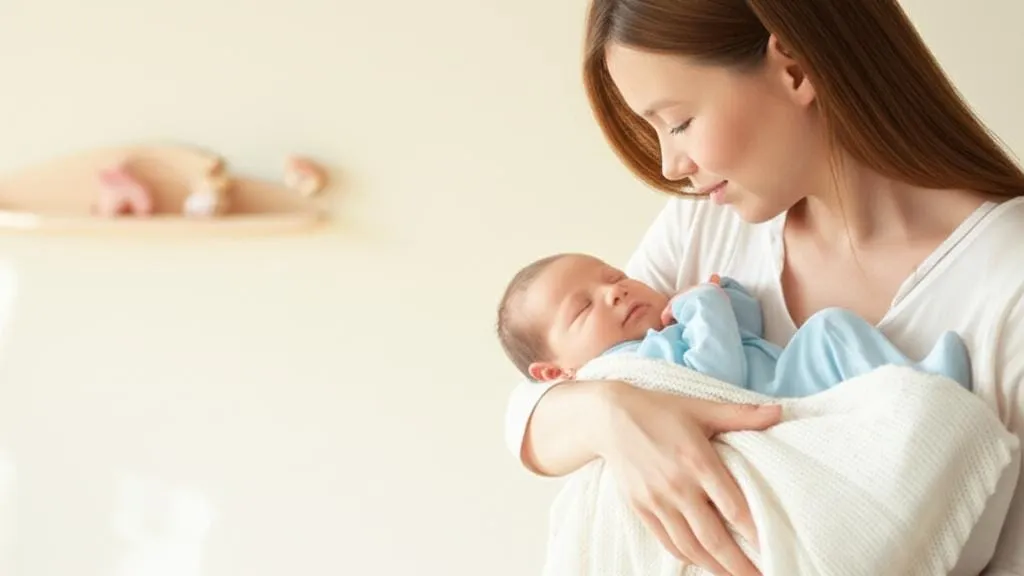
Is a new baby arriving in your family soon? Or is your little one already home with you right now? Shopping for baby clothes is an exciting and wonderful experience for every parent.
When you walk into stores, you will see tiny dresses, cute pants, and adorable tiny shoes. It is very easy to fall in love with pink outfits for baby girls or blue outfits for baby boys. You will also see lovely floral prints and fun cartoon designs everywhere you look.
However, you should never focus on cuteness alone when buying clothes. You must also think about your baby's safety, physical comfort, and everyday practicality. Of course, you also need to keep your family budget in mind.
Babies grow extremely fast during their first few months of life. Because of this rapid growth, using second-hand clothes is a very smart and practical choice. No matter what clothes you buy or receive, you must always wash them thoroughly, dry them in the sun, and iron them before dressing your baby.
Key Takeaways for Buying Baby Clothes
- Prioritize infant safety over decoration by avoiding choking hazards like loose buttons or beads.
- Select clothing sizes based on your baby's current body weight rather than their age in months.
- Choose 100% breathable cotton fabrics to protect delicate newborn skin from irritation.
- Look for practical features like crotch snaps and wide necklines to make diaper changes easier.
- Always wash, dry, and iron new or second-hand clothes before your baby wears them.
Essential Newborn Clothes Checklist
When you are expecting a baby, you might want to buy every single clothing item in the store. However, your newborn only needs a few specific types of clothing items during the first few weeks. You do not need to waste your hard-earned money on excessive clothes that your baby will outgrow in days.
The following table outlines the essential clothing items every newborn needs in their wardrobe:
| Clothing Item Type | Recommended Quantity / Why This Item Is Important |
|---|---|
| Onesies / Bodysuits | Recommended Quantity: 3 to 4 pieces Why This Item Is Important: Fits easily over diapers and keeps your baby's tummy warm and covered. |
| Sleepers / Stretch Suits | Recommended Quantity: 3 to 6 pieces Why This Item Is Important: Essential for nighttime sleep and cold days to keep the whole body cozy. |
| Socks and Booties | Recommended Quantity: 3 to 4 pairs Why This Item Is Important: Keeps tiny baby feet warm since infants struggle to regulate body temperature. |
| Undershirts | Recommended Quantity: 4 to 6 pieces Why This Item Is Important: Short and long sleeve options to layer smoothly under outer outfits. |
| Hats and Caps | Recommended Quantity: 1 to 2 pieces Why This Item Is Important: Helps retain vital body heat, especially during outdoor trips. |
| Scratch Mittens | Recommended Quantity: 1 pair Why This Item Is Important: Prevents newborn babies from accidentally scratching their delicate facial skin. |
| Sweaters / Cardigans | Recommended Quantity: 1 to 2 pieces Why This Item Is Important: Provides extra warmth during chilly weather or air-conditioned environments. |
Safety First: Key Things to Check Before Buying
Your baby's physical safety is far more important than how cute an outfit looks in the store. When you inspect baby garments, keep specific hazard risks in mind.
Avoiding Choking Hazards
Tiny babies explore the world by putting every object they touch directly into their mouths. Think about what happens if a small button, plastic bead, or decorative bow falls off an outfit. That small object can easily enter your baby's mouth and cause a severe choking emergency.
You should completely avoid buying baby clothes with loose decorative items. If an outfit has buttons or snaps, check them carefully to ensure they are stitched down with extreme strength. Also, stay away from clothes with long ribbon ties or dangling frills that can wrap around your baby's neck or limbs.
Fire-Safe Sleepwear Rules
Many parents do not think about sleepwear fire safety until it is too late. Children's sleepwear product labels often state whether the garment must fit snugly to resist fire or if it uses flame-retardant fabric.
Special flame-resistant fabrics require specific washing instructions to maintain their safety properties. You must follow these laundry instructions precisely. If you wash flame-resistant garments incorrectly, the chemical treatment can wear off over time.
Important Safety Warning: Because previous washing history is unknown, buying second-hand sleepwear is discouraged. You cannot verify if previous owners washed flame-retardant sleepwear properly.
Size by Weight, Not by Age
A very common mistake parents make is buying clothes solely by looking at age labels. You might think, "My baby is three months old, so I should buy three-to-six-month clothing sizes."
However, different clothing brands manufacture items using varying size measurements. A three-month size from one brand might equal a six-month size from another brand.
Consider birth weight variations as well. Some babies are born larger and outgrow newborn sizes within days. Other babies are smaller and wear newborn sizes for weeks. Age is simply an arbitrary number when buying infant clothes.
The absolute best measurement guideline to follow is your baby's current body weight. Most baby clothing tags list weight limits alongside age recommendations. Always check the weight guideline on the label to make the most accurate purchase.
How to Make Dressing Your Baby Easier
Dressing an active, crying infant can sometimes feel like a wrestling match. To make dressing easier for both you and your baby, consider specific design features when shopping:
- Wide Necklines and Snaps: Choose clothes with expandable neck openings or shoulder snaps. Babies hate pulling tight shirts over their heads because it restricts breathing momentarily and blocks your face from view, causing panic.
- Front Zippers and Snaps: Outfits that zip or snap down the front are much easier to put on than garments that fasten in the back.
- Loose Sleeves: Select garments with roomy armholes so you can slide tiny arms through without pinching or resistance.
- Crotch Snaps: Clothes featuring snaps across the bottom crotch allow you to change diapers without removing the entire outfit. Think about how many diaper changes you perform daily, and you will realize how much time this saves.
Easy Washing and Planning Ahead
You will need to change your baby's clothes multiple times every single day due to spit-up and diaper leaks. This means your laundry pile will grow very fast.
Always look for clothing labels that state "machine washable." This simple feature saves you countless hours of hand-washing and ironing labor. Whenever possible, choose clothing made from 100% natural cotton fibers. Cotton is gentle on infant skin, highly breathable, durable, and easy to wash.
Finally, plan ahead for future growth stages. Some babies never fit into newborn sizes at all. This others outgrow three-month clothes before reaching two months of age. Purchase a few staple items in six-month and twelve-month sizes in advance.
However, do not buy holiday or seasonal outfits months in advance for special events. You cannot accurately predict what clothing size your baby will actually wear on a specific holiday date months away.
💡 Take-Home Message
- Prioritize infant safety over visual decoration when selecting baby clothes. Avoid small buttons, beads, and long ribbons.
- Choose clothing sizes based on your baby's actual body weight rather than their age in months.
- Select practical garments featuring wide necklines and convenient crotch snaps for easy diaper changes.
- Always purchase 100% machine-washable cotton clothing that feels soft and gentle on sensitive skin.
- Thoroughly wash, dry, and iron all new and second-hand clothing items before your baby wears them.
🚨 When to Call the Doctor / Emergency Red Flags
While clothes are generally safe, watch your baby closely for signs of distress or allergic reaction. Contact your pediatrician right away or call 911 (US/Canada) or 999 (UK) / go to your nearest Emergency Department if you observe any of the following red flags:
- Sudden breathing difficulty, choking, or gagging if a loose button or clothing piece enters the mouth.
- Widespread red rash, hives, or skin swelling indicating an allergic reaction to fabric dyes or detergents.
- Signs of skin chafing, bleeding, or deep pressure marks from clothing that fits too tightly.
- Unexplained high fever or irritability combined with skin inflammation under tight garments.






No comments yet. Be the first to share your question or experience below.