
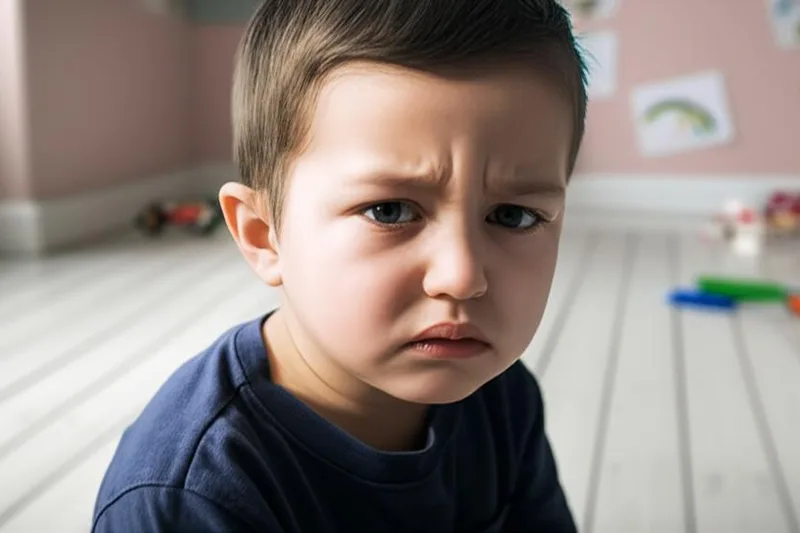
Does your child sometimes scream loudly and throw everything away at the slightest thing? Does he or she then suddenly curl up in his or her room and act sad? Have you ever noticed that a child's emotions are unstable, suddenly going from high to low, and then suddenly falling back to low? Today we are talking about a mental condition called bipolar disorder , which can be behind such behavior.
This condition often appears in young adults or adults, but it can sometimes occur in children as young as 6 years old. But this is a very controversial topic among young children. Some medical experts say that it is very rare in young children, but sometimes it is overdiagnosed. Others say the opposite. Therefore, it is difficult to say exactly how common it really is.
Therefore, do not jump to conclusions based on your child's behavior. It is possible that the cause of your child's excessive anger and irritability is not bipolar, but a condition called `Disruptive Mood Dysregulation Disorder (DMDD). Therefore , it is best to consult an experienced doctor and talk about this . If necessary, it is also worth seeking a second opinion from another doctor before starting treatment.
Challenges in diagnosing bipolar disorder in young children
It can be difficult to accurately diagnose bipolar disorder in a young child because the symptoms can be very similar to those of attention deficit hyperactivity disorder (ADHD), or mischievous behavior. Sometimes, we may think that these are normal mischievous childhood behaviors.
The biggest problem here is that some stimulants given for ADHD can exacerbate the manic phase of a child with bipolar disorder. That's why accurate diagnosis is so important.
There are some clear differences between the bipolar symptoms of a young child and an adult. Let's look at it this way.
| Feature / Opportunity | How to see in young children | How it looks in adults |
|---|---|---|
| Manic Phase | Rather than being unusually happy, they show extreme irritability and excessive anger . They are more likely to experience hallucinations (psychotic symptoms), such as seeing and hearing things that are not there. | Shows excessive happiness, energy, and activity. Irritability may also occur. |
| Depressive Episode | Rather than talking about mental distress, they often complain about physical symptoms such as body aches and headaches . | Shows deep sadness, hopelessness, and a lack of interest in life. |
| Cycling Speed | Very rapid. Several episodes of mania and depression can occur alternately in the same day (Rapid Cycling). | Usually slow. There may be a gap of weeks, months, or years between manic and depressive episodes. |
How can I, as a parent, help my child?
Being a parent of a child with bipolar disorder is not easy. But your support and understanding can be a great help in your child's journey to recovery. Here are some things you can do.
1. Give the medicine on time.
This is a must-do . You need to be very careful to give your child the medications prescribed by the doctor (such as mood stabilizers, antipsychotics) exactly and on time. You can use reminders, pillboxes, etc. If your child needs to take medication at school, talk to the class teacher or school nurse about it and make a formal arrangement.
2. Be aware of the side effects of medications.
Many medications for bipolar disorder were first tested in adults, so some children may be more likely to experience side effects. Be especially aware of weight gain and changes in blood sugar and cholesterol levels . Ask your doctor about any symptoms you should be aware of. You may also need to have regular blood tests.
Important: Some antidepressants have been warned that they may increase suicidal thoughts in children and young people under the age of 24. Don't be alarmed by this. But be aware of this and talk to your doctor immediately if you notice any changes in your child's behavior.
3. Talk to your child's teachers
A child with bipolar disorder may need special accommodations at school. Your child may need extra time off during difficult times, or less homework. Talk to the school's teachers or principal to come up with a plan to support your child. In some severe cases, your child may need to be removed from school for a period of time until symptoms stabilize.
4. Maintain a consistent routine
A consistent routine is the best medicine for children like this. Help your child keep the same time they wake up in the morning, eat meals, exercise, and go to bed at night. This will help keep the child's mood stable. Also, reduce stress in the home environment as much as possible.
5. Consider Family Therapy
Having one child in a household with this condition can affect the entire family. It can put extra pressure on you and your partner. Other children may not understand what is happening to their sibling. Or they may feel jealous because the sick child is getting so much attention. Family counseling is a great way for everyone to identify their feelings and find the strength to cope with this situation together.
6. Don't underestimate suicide threats.
We know this is something you don't want to think about. But unfortunately, even young children can have these thoughts. If your child is saying they want to die or is doing dangerous things that could endanger their life, never ignore it . Remove any sharp weapons and dangerous drugs from the house immediately. Seek immediate medical attention. If necessary, take your child to the nearest hospital's Emergency Treatment Unit (ETU).
How does this situation affect teenagers?
When it comes to teenagers, the symptoms and treatments for bipolar disorder are very similar to those in adults. However, dealing with this with a child of this age presents a different set of challenges.
As your child gets older, he or she may feel like you are trying to force treatment. So, include your child in this discussion . Sit down with your child's doctor or counselor and talk openly about treatment options . Don't create a "you-me" conflict with your child about giving medication.
Like adults, it is essential for young children with this condition to completely avoid alcohol and drugs . These can cause unwanted reactions with medications and worsen mood instability. It is also very important to go to bed and wake up at regular times, and learn ways to manage stress.
Take-Home Message
- Bipolar disorder can occur in children, but it can be difficult to diagnose. If you have any concerns about your child's behavior, be sure to seek the advice of a qualified medical professional.
- Symptoms in young children (rapid cycles, irritability) may be different from those in adults.
- It is very important to give the medication prescribed by the doctor on time, maintain a consistent routine, and talk openly with the child.
- This is a condition that affects the entire family. If necessary, seeking counseling for the entire family can provide relief.
- If your child talks about self-harm or shows such behavior, never ignore it. Seek medical help immediately.


💬 Comments (0)
No comments yet. Be the first to share your thoughts here.
Add Your Comment