
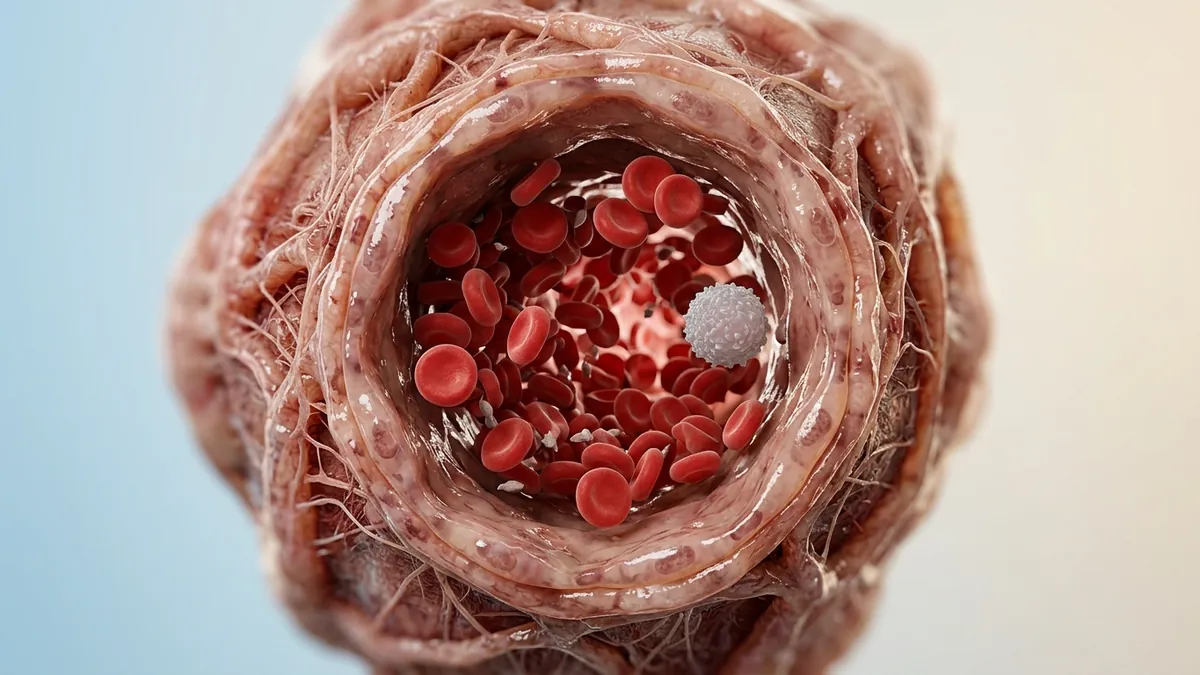
Opening your online lab portal after a routine checkup and spotting a blood test low lymphocyte count—often highlighted in bold red with an "L" flag—can instantly set your mind racing. Be honest, you have probably typed those exact words into a search bar late at night wondering if your immune system is failing, haven't you? Before you let worry take over, let us doctors reassure you right from the start: seeing a slightly low lymphocyte reading on a single blood test is remarkably common, and in most everyday cases, it turns out to be a temporary, harmless blip rather than a scary diagnosis.
Think about how your immune system works in real life for a second. Your white blood cells are not static statues sitting quietly in your veins; they are active responders constantly moving between your bloodstream, lymph nodes, spleen, and body tissues. A routine cold last week, a few nights of terrible sleep, an intense flare of work stress, or even a short prescription of steroid tablets can briefly pull lymphocytes out of circulation right when the phlebotomist draws your blood. Pretty surprising, right?
At the same time, we doctors never brush off persistent or steep drops without checking the bigger picture. Understanding whether your result reflects a harmless percentage shift or a genuinely low total count—and knowing your exact lab numbers, medications, and how your body actually feels—makes all the difference. Let us walk through what your lab sheet really means, what normal ranges look like across US, UK, Canadian, and Australian clinics, and what practical next steps you and your doctor should take.
📌 Key Takeaways at a Glance
- Check the Absolute Count First: Always look at your Absolute Lymphocyte Count (ALC), not just the lymphocyte percentage (%). A low percentage often just means another white cell type rose temporarily.
- Know the Adult Cutoff: In adults, a normal ALC is roughly 1,000 to 4,800 cells/µL (reported as 1.0 to 4.8 × 10⁹/L in the UK, Canada, and Australia). Values below 1,000/µL (1.0 × 10⁹/L) indicate a low count.
- Most Mild Drops Are Temporary: Recent viral colds, flu, COVID-19, high physical or emotional stress, fasting, and corticosteroid medications are the most frequent everyday triggers.
- Repeat Testing Clarifies Trends: If you feel completely well and your count is only mildly low, we doctors commonly recheck your blood test in 4 to 6 weeks to watch it rebound naturally.
- Symptoms Guide Urgency: Unexplained fevers, drenching night sweats, unintended weight loss, painless swollen glands, or frequent infections warrant a prompt evaluation at your Primary Care Physician (PCP) or family GP clinic.
What Does a Blood Test Low Lymphocyte Count Actually Mean?
A blood test low lymphocyte count (lymphocytopenia) means your bloodstream currently holds fewer than 1,000 lymphocytes per microliter (1.0 × 10⁹/L) in adults. Most mild drops are harmless, temporary shifts triggered by a recent viral cold, poor sleep, acute stress, or steroid medication rather than a serious bone marrow disease.
To really grasp why this happens, let us peek at your standard routine blood panel, known as a complete blood count (CBC)—often called a full blood count (FBC) in the UK and Australia—paired with a white blood cell breakdown (WBC differential). Lymphocytes make up roughly 20% to 40% of your circulating white blood cells. Produced inside your spongy bone marrow and trained in specialized immune tissues, they divide into three hardworking teams: B cells that craft targeted antibodies, T cells that clear infected or abnormal cells and coordinate immune responses, and natural killer (NK) cells that act as rapid-response guards against viruses and tumors.
Have you ever wondered why your blood sample only tells part of the story? Only about 2% of all the lymphocytes in your entire body are actually floating through your bloodstream at any given moment! The remaining 98% live stationed inside your lymph nodes, spleen, tonsils, and gut lining. Look at what happens when you catch a respiratory virus or experience a surge of stress hormones: your body signals circulating lymphocytes to exit the highway (your veins) and park inside your lymph nodes where germs are filtered. When your blood is drawn that morning, the vein looks temporarily "empty," creating redistributive low lymphocytes (lymphopenia) even though your total immune army is completely intact. Now that makes sense, right?
What Are Normal Lymphocyte Ranges and Severity Cutoffs by Age?
Lab sheets can look confusing depending on where you live, mainly because laboratories use two different shorthand units that actually measure the exact same number. In the United States, reports typically list cells per microliter (cells/µL or cells/mcL), whereas labs in the United Kingdom, Canada, and Australia usually print billions of cells per liter (× 10⁹/L). Dividing a US number by 1,000 gives you the exact metric figure—so 1,200 cells/µL equals 1.2 × 10⁹/L.
Age also matters tremendously. Babies and young toddlers naturally carry much higher lymphocyte counts because their young immune systems are meeting everyday microbes for the very first time. We rarely stop to think about that, do we? Using an adult cutoff on a two-year-old's blood test would completely misread their result. While every lab sets its own subtle calibration range printed right beside your result, we doctors generally interpret absolute lymphocyte counts (ALC) using these evidence-based thresholds:
- Healthy Adults: Normal is 1,000 to 4,800 cells/µL (1.0 to 4.8 × 10⁹/L). Some labs set their lower normal cutoff at 1,100 or 1,200 cells/µL, meaning a result of 950 cells/µL sits just barely beneath the reference line.
- Infants & Toddlers (Under 2 Years): Normal runs much higher, typically 3,000 to 9,500 cells/µL (3.0 to 9.5 × 10⁹/L); counts under 3,000 cells/µL are considered low in babies.
- Older Children (Ages 2 to 12): Normal gradually settles from roughly 1,500 to 7,000 cells/µL (1.5 to 7.0 × 10⁹/L) toward adult levels by adolescence.
- Mild vs. Moderate vs. Severe Cutoffs (Adults): Mild lymphocytopenia sits between 800 and 999 cells/µL (0.8–0.99 × 10⁹/L); moderate spans 500 to 799 cells/µL (0.5–0.79 × 10⁹/L); and severe falls below 500 cells/µL (under 0.5 × 10⁹/L), where vulnerability to unusual infections rises noticeably.
Even the clock on the wall plays a minor role: natural morning surges in your body's cortisol hormone keep lymphocyte counts slightly lower at 8:00 AM than late in the evening, though fasting is not required for a standard CBC.
Why Are Your Lymphocytes Low? Common Temporary vs. Chronic Causes
When you sit down at your Primary Care Physician (PCP) or family GP clinic to review a low result, we doctors mentally sort potential culprits into two buckets: short-lived everyday triggers and longer-term medical conditions that either slow down bone marrow production or speed up cell destruction.
Everyday Temporary Triggers
By far the number-one culprit we spot in clinic is a recent or active viral illness. Common colds, seasonal influenza, COVID-19, respiratory syncytial virus (RSV), and infectious mononucleosis frequently dip your ALC for two to six weeks while cells relocate to fighting zones. Acute physical trauma, recent surgery, intense endurance workouts, skipped meals, severe psychological stress, or high fever also trigger an adrenaline and cortisol wave that briefly suppresses circulating lymphocytes. Medications are another huge piece of the puzzle: oral or injected steroids such as prednisone or dexamethasone can drop your lymphocyte count within hours of a single dose!
Persistent or Underlying Medical Causes
What if your lymphocyte count stays low across repeat blood tests months apart? Then we investigate deeper possibilities:
- Long-Term Medications & Treatments: Immunosuppressants used for autoimmune care or organ transplants (such as azathioprine, methotrexate, mycophenolate, or biologics), cancer chemotherapy, and radiation therapy intentionally or predictably lower white blood cell counts.
- Overactive Immune Conditions (Autoimmune Disorders): Conditions like systemic lupus erythematosus (lupus), rheumatoid arthritis, Sjögren's syndrome, and inflammatory bowel disease can produce antibodies or chronic inflammation that deplete circulating lymphocytes.
- Nutritional Deficiencies: Inadequate protein intake, strict crash dieting, alcohol overuse, or low levels of zinc, vitamin B12, or folate deprive your bone marrow of the raw building blocks needed to manufacture fresh immune cells.
- Chronic Infections & Bone Marrow Conditions: Untreated chronic viral or bacterial infections—including HIV, viral hepatitis, or tuberculosis—as well as blood and lymph conditions (such as aplastic anemia, myelodysplastic syndromes, or lymphomas) and rare inherited underactive immune defenses (primary immunodeficiencies) require targeted testing.
How Do Percentage vs. Absolute Count and Mild vs. Severe Results Compare?
Remember how we talked about percentage versus absolute numbers earlier? One of the biggest traps on automated lab printouts happens when your lymphocyte percentage drops to, say, 14%, while your Absolute Lymphocyte Count sits happily at 1,600 cells/µL (1.6 × 10⁹/L). That happens whenever another white cell family—usually neutrophils fighting a bacterial sinus, dental, or urinary infection—shoots upward and shrinks the lymphocyte slice of the pie chart without actually costing you a single lymphocyte! Use this mobile-friendly comparison guide to decode your exact lab pattern.
| Lab Result Pattern or Finding | Clinical Meaning & Practical Next Step |
|---|---|
| Low Lymphocyte % Only (Normal ALC: 1,000–4,800/µL or 1.0–4.8 × 10⁹/L) | Your true lymphocyte supply is completely normal. Another white cell type—typically neutrophils—rose due to stress, exercise, smoking, steroid sprays/pills, or a minor bacterial infection, shifting the relative percentage. What you should do: Do not worry about lymphocyte depletion. Check whether your neutrophils or total WBC are elevated and discuss any active infection symptoms with your family doctor. |
| Mildly Low ALC, Feeling Well (800–999/µL or 0.8–0.99 × 10⁹/L) | Very frequently a lingering footprint from a mild viral bug over the past month, poor sleep, work stress, or a borderline baseline normal for your individual body. What you should do: Book a routine, non-urgent follow-up with your PCP or GP clinic. We typically recommend repeating the CBC with differential in 4 to 6 weeks once you are well rested. |
| Moderately Low ALC (500–799/µL or 0.5–0.79 × 10⁹/L) | Points toward a stronger medication effect (such as prednisone or immunosuppressants), an active viral infection, a vitamin/mineral deficiency (B12, folate, zinc), or an underlying autoimmune flare. What you should do: Schedule a prompt appointment with your doctor within 1 to 2 weeks to review every prescription and supplement you take and arrange repeat or nutritional blood work. |
| Severely Low ALC (Under 500/µL or below 0.5 × 10⁹/L) | Significantly weakens day-to-day viral and fungal immune defense, raising your risk for opportunistic infections and pointing to potent medication suppression, chronic infection, or bone marrow involvement. What you should do: Contact your doctor promptly within 24 to 48 hours (or go to Urgent Care / ER if feverish) for thorough evaluation, protective precautions, and likely specialist referral. |
| Low ALC Plus Other Low Blood Counts (Low hemoglobin/anemia or low platelets) | When red blood cells or platelets drop alongside lymphocytes, the bone marrow itself may be suppressed by medication, severe B12/folate deficiency, spleen enlargement, or a hematologic condition. What you should do: Arrange an expedited medical review with your family doctor for a peripheral blood smear, iron/B12/folate studies, and timely referral to a blood specialist (hematologist). |
How Do We Doctors Evaluate a Low Lymphocyte Result Step by Step?
See? That is why we doctors never treat a single lab number in isolation—we treat you. When you bring a low lymphocyte result to your Primary Care Physician (PCP) or family GP clinic, our evaluation follows a calm, logical sequence designed to give answers without putting you through unnecessary tests.
First, we start with a thorough conversation and medication audit. Have you had a cough, sore throat, stomach bug, or fever in the past month? Did you recently finish a steroid pack for asthma, sinusitis, poison ivy, or back pain? Are you experiencing joint stiffness, mouth ulcers, rashes, unintentional weight loss, or drenching sweats that soak your pajamas at night? Next, we perform a gentle hands-on exam, checking your temperature and feeling along your neck, collarbones, armpits, groin, and upper abdomen to make sure your lymph nodes and spleen are normal in size.
Second, we inspect the rest of your complete blood count—checking your neutrophils, red blood cells, hemoglobin, and platelets—and compare today's result against any older blood tests in your medical chart. Believe it or not, a small percentage of completely healthy adults naturally hover around 850 to 950 cells/µL year after year with zero infections! If your drop is new and mild, repeating the CBC in four to six weeks is usually step one. If the count remains persistently low or drops further, we order targeted follow-up labs: vitamin B12, folate, zinc, thyroid and liver panels, inflammatory and autoimmune markers (such as ESR, CRP, and ANA), serum immunoglobulins, and routine viral screenings including HIV and viral hepatitis. When counts stay unexplained, fall below 500 cells/µL, or appear alongside swollen lymph nodes or other abnormal blood lines, your doctor will refer you smoothly to a blood specialist (hematologist) or immune specialist (clinical immunologist) for specialized lymphocyte subset testing (flow cytometry) or advanced imaging.
How Can You Support Healthy Immune Recovery in Daily Life?
Have you been tempted to buy expensive "immune-boosting" megadose pills online the moment you saw that low flag? Pause before reaching for your wallet! No over-the-counter herbal pill magically forces bone marrow to pump out healthy lymphocytes overnight, and high-dose unregulated supplements can occasionally irritate your liver or clash with prescribed medicines. Instead, giving your bone marrow steady, everyday physiological building blocks works far better while your body recovers.
Focus first on nourishing, protein-rich whole foods familiar at any grocery store: baked salmon, roast chicken, eggs, Greek yogurt, cottage cheese, lentils, and beans supply the amino acids your body needs to build new immune cells and antibodies. Pair those with zinc-, folate-, and B12-rich staples such as rolled oats, pumpkin seeds, almonds, dark leafy spinach, broccoli, fortified whole-grain toast, berries, and fresh citrus fruit. Staying well hydrated with plain water, herbal tea, or warm homemade chicken or vegetable soup also helps when you are bouncing back from a respiratory bug.
Equally vital is lowering your daily cortisol load. Aim for seven to eight hours of consistent nighttime sleep, take gentle outdoor walks rather than punishing yourself with exhausting workouts while recovering from illness, wash your hands regularly after public transit or grocery trips, and talk with your doctor about staying current on seasonal flu and other recommended non-live vaccines.
✔️ What You Should Do & ❌ What to Avoid
- ✔️ Do check your Absolute Lymphocyte Count (ALC): Look beyond the percentage line on your portal and compare your ALC against your lab's printed reference range.
- ✔️ Do compare with past blood work: Pull up CBC results from a year or two ago to see whether your count has suddenly changed or always runs slightly near the lower border.
- ✔️ Do bring a complete medication and supplement list: Include steroid inhalers, joint injections, nasal sprays, pain relievers, and herbal capsules when speaking with your doctor.
- ✔️ Do eat balanced protein and micronutrients: Nourish cell production naturally with lean meats, fish, eggs, dairy, legumes, nuts, seeds, and leafy greens.
- ❌ Don't stop prescribed immunosuppressants or steroids abruptly: Quitting prednisone or autoimmune medicines suddenly can trigger dangerous hormone crashes or severe disease flares—always speak to your prescribing doctor first.
- ❌ Don't waste money on megadose zinc or herbal "WBC boosters": Excess zinc over weeks actually blocks copper absorption and can paradoxically worsen white blood cell shortfalls!
- ❌ Don't request a repeat blood test the very next morning: Unless you feel acutely unwell, immune counts after a viral cold typically need 4 to 6 weeks to normalize meaningfully.
🚨 When to Seek Immediate Emergency Care (Red-Flag Symptoms)
If you or someone near you develops any of these red-flag symptoms, do not wait — call 911 (US & Canada), 999 or 111 (UK), or 000 (Australia) immediately or go straight to the nearest hospital Emergency Room (ER / A&E):
- Fever of 100.4°F (38.0°C) or higher alongside a known severely low lymphocyte or total white blood cell count—especially if you are receiving chemotherapy, radiation, or strong immunosuppressant medicines.
- Shaking chills, clammy skin, rapid heartbeat, dizziness, or new confusion, which can signal a serious bloodstream infection (sepsis) requiring immediate hospital antibiotics.
- Shortness of breath at rest, chest pain, persistent dry cough with falling oxygen levels, or bluish lips and fingertips.
- Unexplained easy bruising, tiny pinpoint red-purple skin spots (petechiae), or bleeding from your gums or nose that does not stop promptly.
- Rapidly enlarging swelling in your neck or throat that makes swallowing saliva or breathing uncomfortable, or severe neck stiffness with a splitting headache.
💡 Key Take-Home Message
- A single mildly low lymphocyte count on a routine blood test is most often a temporary echo of a recent virus, acute stress, or steroid medication—not an emergency by itself.
- Always verify the Absolute Lymphocyte Count (ALC) rather than worrying over a low percentage alone, and keep a follow-up check with your PCP or family GP clinic in 4 to 6 weeks if advised.
- Persistent drops below 1,000 cells/µL (1.0 × 10⁹/L), severely low readings under 500 cells/µL (0.5 × 10⁹/L), or accompanying symptoms like fevers, night sweats, weight loss, or swollen glands deserve thorough medical evaluation.





No comments yet. Be the first to share your question or experience below.