
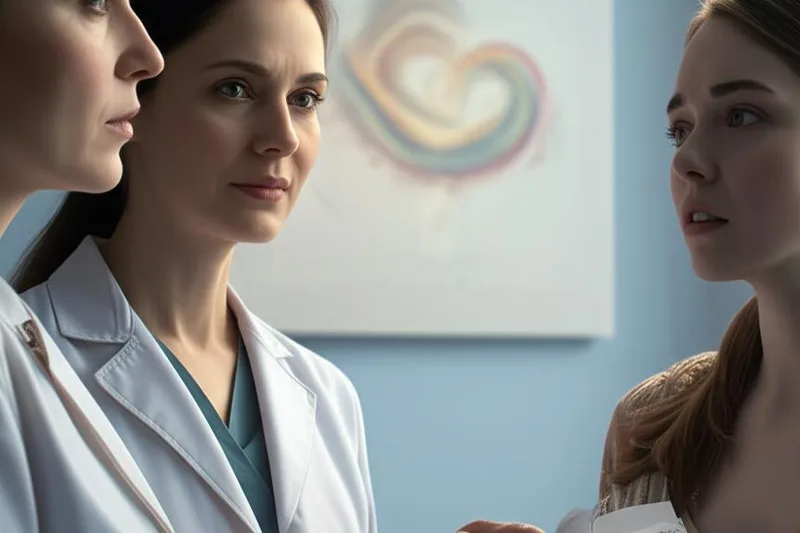
It's hard to put into words the fear and shock you feel when you find out you have breast cancer. You probably have a thousand questions in your mind, like 'What do I do now?', 'What kind of medicine will I be given?', 'Will this be a good cure?' But don't be afraid. Today, science has advanced a lot, and there are also very effective and advanced treatments for breast cancer. There are more choices now than before. So let's talk about this simply, in language that you can understand.
There are two main goals of treatment.
There are two main goals of any treatment you receive.
1. Completely removing as many cancer cells as possible from your body.
2. Preventing the recurrence of this disease.
It is to achieve these two goals that doctors create the most suitable treatment plan for you.
How do you choose the treatment that suits you best?
"What treatment is right for me?" This is probably the biggest question on your mind. Your doctor will consider several factors before recommending a treatment for you.
- The type of breast cancer you have: Yes, there are different types of breast cancer.
- The size and spread of the cancer: This refers to the stage of the cancer. This refers to how far it has spread in the body.
- Special features of the tumor: Your cancer cells are checked for 'receptors' that respond to the hormones ``HER2 protein'', estrogen, and progesterone. These are like 'food' for cancer cells to grow.
- Genetic links: Some breast cancers are linked to genetic mutations that are passed down through generations.
- Your personal factors: Your age, whether you've gone through menopause, other medical conditions you have (e.g. diabetes, heart disease), and your personal preferences are also very important in this decision.
Remember, this decision is not made by the doctor alone. It is a decision that you and your doctor should discuss together.
What are the treatments for breast cancer?
Treatment methods can be divided into two main categories. Some treatments target only the site of the cancer, while others affect the entire body.
Local Treatments: Those that target only where the cancer is located.
These are used to destroy or remove cancer cells in the breast and surrounding tissues.
- Surgery: For many people, the first treatment is surgery to remove the cancerous tumor. Sometimes chemotherapy is given before surgery to shrink the tumor.
- Lumpectomy: This involves removing only the part of the breast that contains the cancer. This is also called breast-conserving surgery .
- Mastectomy: This involves removing the entire breast. There are different types of both.
- Radiation Therapy: This uses high-energy rays to destroy cancer cells. Many people who have had a lumpectomy also receive this treatment. It is used to destroy any very small cancer cells that could not be removed during surgery.
Systemic Treatments: Those that affect the entire body
These treatments destroy or control cancer cells throughout the body.
- Chemotherapy: This involves giving powerful drugs that kill cancer cells. These are given as pills or through an IV. This treatment is often given to kill any cancer cells that may be left after surgery. Although this treatment, popularly known as ``Chemo,'' works well on cancer cells, it can also harm healthy cells in our body. This is the main reason for the side effects.
- Hormone Therapy: Some cancers depend on hormones, especially estrogen, to grow. This treatment works by blocking the hormone from reaching the cancer cells. Drugs used for this include tamoxifen and aromatase inhibitors.
- Targeted Therapy: This is a very advanced method. These drugs are like 'smart' missiles. They attack only specific targets in cancer cells, without causing much harm to healthy cells. Drugs like `(Trastuzumab)` are used for cancers that have a lot of `(HER2)` protein. There are also other targeted therapies like `(PARP inhibitors)` and `(Kinase inhibitors)`.
- Immunotherapy: This is also a very modern method. Simply put, it stimulates your own body's immune system to attack cancer cells. Pembrolizumab is an example of such a drug.
Your treatment plan may be a combination of these methods. For example, there are times when surgery, radiation therapy, and chemotherapy are used together.
Let's also learn about the side effects of treatments.
Breast cancer treatment can cause side effects. Most of them go away when treatment is stopped. Some may appear later. It is important to be aware of these in advance.
| Side Effect | A simple explanation |
|---|---|
| Nausea and vomiting | It is commonly seen with chemo treatment, but now there are good medications to control it. |
| Hair loss | Hair, eyelashes, and even eyebrows can fall out during chemo treatment, but they grow back after treatment is over. |
| Fatigue | You may feel extremely tired, even if you sleep. |
| Swelling of the arm (Lymphedema) | The arm on the side where the splint was removed may swell. This should be taken into account. |
| Symptoms of menopause | Things like sudden hot flashes and insomnia may occur. |
| Skin and nail changes | The skin may become dry, red, and the nails may turn black or break. |
| 'Chemo Brain' | A state of forgetfulness, inability to reconcile thoughts, etc. This is temporary. |
Infertility & Menopause due to treatment
This is a very important topic, especially for young women. Some chemotherapy and hormone treatments can cause temporary or permanent infertility or early menopause.
If you have hopes of having children in the future, be sure to discuss this with your doctor before starting treatment.
There are methods like egg freezing, so it's very important to talk about this in advance.
How do you deal with visible side effects?
Some of the changes that occur as a result of treatment are visible, so they can have a big impact on your mood. But there are many things you can do to cope with them.
- Hair loss: It can be difficult to feel when your hair starts to fall out. But you can prepare for it. You can cut your hair short, wear nice scarves, hats, or use a wig. Remember, this is temporary. Your hair will grow back after the treatment is over.
- Lymphedema: This is the swelling of the arm on the side where your lymph nodes were removed. Take care not to injure the arm. Avoid lifting heavy objects or getting injections in that arm. If you feel your arm is swelling, tell your doctor right away.
- Weight changes: Some people lose weight, some gain weight. It is very important to eat good nutritious food during this time. Doing a little exercise as much as possible is good for the body and mind.
- Skin and nail changes: If your skin is dry, use a moisturizer recommended by your doctor. Wear sunscreen when going out in the sun. Keep your nails short and clean.
Mental Health & Support
Fighting cancer is a huge challenge, both physically and mentally. It's normal to feel sad, angry, frustrated, and scared. Sometimes, this can lead to depression.
If you are constantly feeling sad, have no interest in doing anything, have trouble sleeping, or feel hopeless, talk to your doctor or someone you trust about it.
You are not alone. Your family, friends, doctors, and nurses are all there to help you. Also, joining support groups with others who are going through the same experience can be a great source of strength.
Palliative & Complementary Care
- Palliative Care: This does not mean giving up treatment. It means helping to maintain your quality of life by reducing symptoms such as pain, nausea, and depression while you are being treated to cure the cancer.
- Complementary Medicine: Things like yoga, meditation, and massage can help reduce your stress levels. But remember, these are never a substitute for mainstream medical care. You should definitely check with your doctor before starting anything like this.
Take-Home Message
- Breast cancer is not the end of life. With today's advanced treatments, it can be overcome.
- You are not on this journey alone. Your family, friends, and medical team are with you.
- Talk openly with your doctor. Ask all your questions and fears.
- Don't worry about side effects. There are ways to manage them. Talk to your doctor about them.
- Your mental health is just as important as your physical health. Take care of that too.
- Do not use any treatment or medication based on what someone else says or what you see on the internet. Always discuss everything with your doctor.




💬 Comments (0)
No comments yet. Be the first to share your thoughts here.
Add Your Comment