
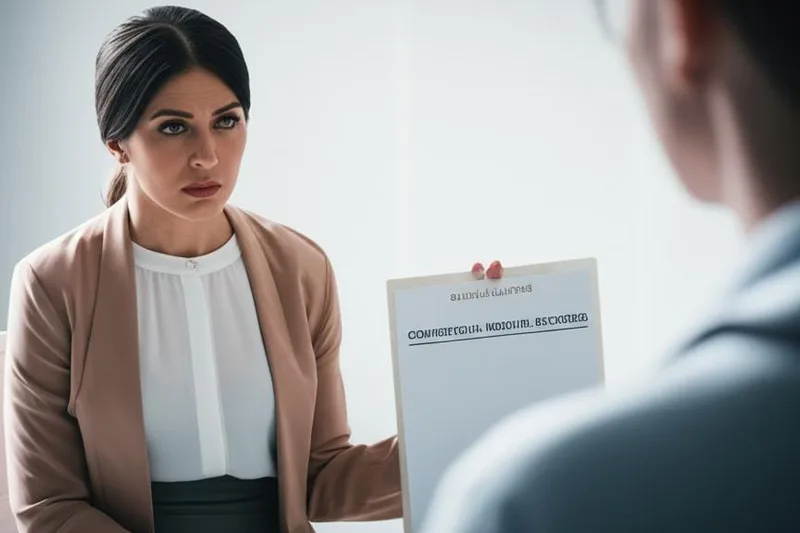
When you go to see a doctor, you tell them about your illness, the medications you take, the illnesses of your family, and sometimes even very personal details. We tell all this with great trust in our doctor . But have you ever wondered what happens to this information and how safe it is? This is a really important topic that we all need to think about.
Simply put, what is this "personal health information"?
This is very simple. You can be identified and separated from others, and anything that is said about your health status belongs to this. Think of it this way...
- Your name, address, telephone number, national identity card number
- Your past and current medical conditions (e.g. diabetes, high blood pressure )
- The medications you take and their dosages
- Reports of lab tests you have had (blood reports, urine reports) and scans
- Your family's health history (genetic information)
- Details about your mental health conditions
- Information about surgeries or other treatments you have had
All of this falls into the category of your personal health information . These are valuable and confidential things, just like your bank account details.
Why is it so important to protect this information?
Imagine what could happen if sensitive information in your medical records fell into the wrong hands.
1. Unnecessary embarrassment and shame: There are misconceptions about certain health conditions in society. If this information gets out, you could feel embarrassed or even ostracized in society.
2. Discrimination at work or elsewhere: Some organizations may think twice about hiring or promoting someone when they learn about their health condition. This is a huge injustice.
3. Financial fraud: There is a possibility that someone could use your personal information to commit things like insurance fraud.
4. Stress: The stress and anxiety that comes with thinking that others have found out about your most private matters is not insignificant.
Your health information is your most valuable asset. It is your responsibility, and that of the doctors who treat you, to protect it like gold.
Your rights as a patient in Sri Lanka
Many people don't know this, but as a patient, you have several legal and moral rights.
- Right to Confidentiality: Nothing you tell your doctor can be shared with a third party without your permission. This is a fundamental ethical rule that doctors must follow.
- Right to Information: You have the right to receive complete information about your medical condition, the treatments prescribed for it, their side effects, and alternative treatments in a simple and understandable manner.
- Right to access your records: You generally have the right to request a copy of your medical records. You must follow the hospital or clinic's procedures for this.
Typically, only the medical team that is directly treating you has access to your information, such as your doctor, nurses, and other specialists who refer you for tests.
What you can do to protect this information on your part
Just like doctors and hospitals, you can take several steps to protect your information. Let's take a look at what they are.
| Things to do (Do's) | Don'ts |
|---|---|
| Keep your medical records, medication tips, etc. in a safe place . | Do not post your prescriptions, lab reports, etc. on social media. |
| If you use online health services or apps, be aware of their privacy policies . | Never give your health information to untrusted websites or strangers. |
| If you have any doubts or questions about your information, talk to your doctor directly about it. | Don't be fooled by fraudulent phone calls asking for health information or offering prizes. |
| Think twice about trust when sharing health information, even with family or close friends. | Do not leave your medical records in public places or vehicles. |
Challenges in the digital age
Now is the age of everything being computerized. Rather than writing in books like before, this information is now stored in computer systems (Digital Health Records) in many places. This has both advantages and disadvantages. The advantage is that it is easy to find information quickly and share it (only among those who need it). However, protecting this information from things like cyber attacks is a big challenge. Therefore, hospitals and clinics use very strong security methods for this.
Ultimately, your health information is yours. It is the responsibility of your healthcare team to protect its confidentiality, and it is your responsibility to be aware of it and do what you can to protect it. If you have any concerns, don't be afraid to talk to your doctor about it.
Take-Home Message
- Your name, address, medical details, lab reports, etc. are all very valuable personal health information .
- No one can give that information to anyone outside of the treatment team without your permission. That is your right.
- Avoid sharing your medication information, medical records, etc. on social media or with people you cannot trust.
- If you have any concerns or doubts about the confidentiality of your health information, talk to your doctor about it openly and honestly.
- When using digital health services, it is very important to be aware of the reliability and data protection policies of the organization providing those services.


💬 Comments (0)
No comments yet. Be the first to share your thoughts here.
Add Your Comment