
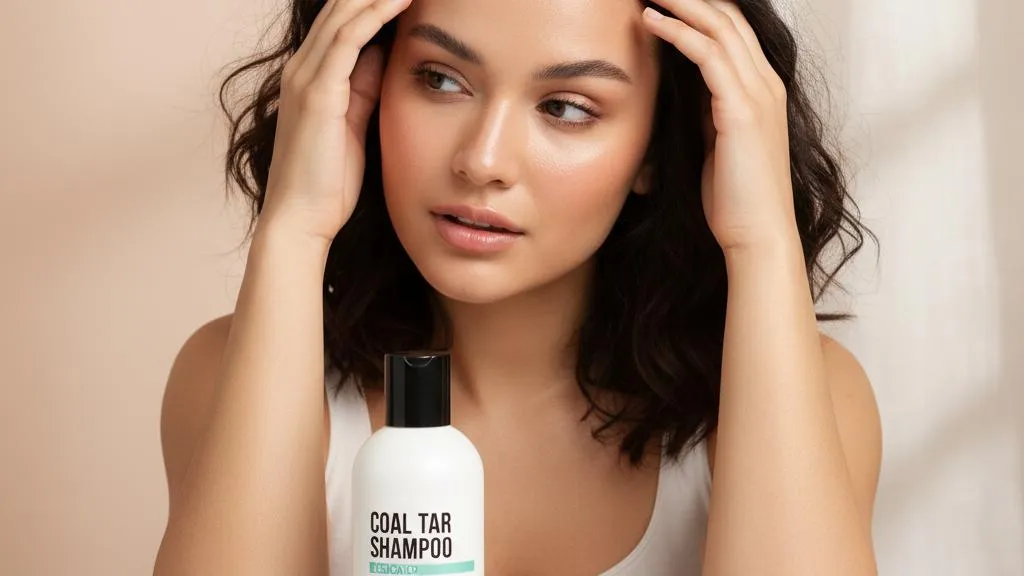
Are you dealing with stubborn dandruff that simply will not go away, no matter how many expensive bottles you buy from the pharmacy aisle? When your scalp feels tight, red, intensely itchy, and constantly sheds visible flakes onto your dark sweaters or office blazer, it affects your confidence every single day. Be honest, you have probably tried switching through half a dozen cosmetic shampoos already, haven't you? Sometimes those red, scaly patches do not even stay on your scalp—they creep along your hairline, behind your ears, or onto other parts of your body. If you are looking at coal tar shampoo to finally get relief, here is what we doctors look for and how this proven medicated wash works safely.
📌 Key Takeaways at a Glance
- Targeted Medical Action: Coal tar shampoo is an active medicated treatment—not a cosmetic hair wash—that slows overactive skin cell growth and calms scalp inflammation.
- Best Conditions Treated: We doctors routinely recommend it for scalp psoriasis, seborrheic dermatitis, and persistent dandruff that ignores ordinary anti-dandruff shampoos.
- Technique Matters: Massage the lather gently with your fingertips rather than scratching with your nails, and let it sit on your scalp for the exact minutes your doctor advises.
- Sun & Stain Precautions: Treated skin becomes extra sensitive to sunlight and ultraviolet rays, and the dark liquid can temporarily tint light hair or white bathroom towels.
- Safety First: Keep the bottle away from children and pets, never swallow it, and check with your doctor before using it during pregnancy, breastfeeding, or in young children.
What Is Coal Tar Shampoo and How Does It Treat Scalp Psoriasis and Dandruff?
Coal tar shampoo is a purified, medicated topical treatment made from processed coal tar that slows rapid skin cell growth, calms scalp inflammation, and relieves severe itching and flaking. Doctors commonly recommend it to clear stubborn dandruff, seborrheic dermatitis, and scalp psoriasis when regular cosmetic shampoos fail to control thick scale buildup.
Many people assume coal tar shampoo is an herbal formula because of its earthy smell and dark amber or brown color, so let us clear that up right away. In its raw state, coal tar is a thick, dark liquid produced during coal processing, which scientists then purify and refine under strict pharmaceutical standards before blending it into medicated shampoos. Have you ever wondered why thick white or silvery scales keep coming back just days after you wash your hair? Think about it for a second—in conditions like psoriasis, your immune system tells scalp skin cells to multiply every few days instead of every few weeks. Those immature cells pile up on top of each other, creating raised, itchy plaques.
Purified coal tar acts as a keratoplastic agent (keratoplastic), meaning it gently slows down that excessive skin cell turnover (hyperproliferation) so your scalp sheds dead skin at a healthy, normal pace. At the same time, it reduces localized swelling, redness, and nerve-driven itching. Pretty remarkable for a classic dermatology therapy, right?
Which Scalp Conditions Respond Best to Coal Tar Shampoo?
Before you pick up an over-the-counter bottle or start a prescription strength from your Primary Care Physician (PCP) or family GP clinic, it helps to know whether your symptoms match what coal tar treats best. We rarely stop to think about how many different skin conditions can cause flakes, do we? Dry winter air from indoor central heating causes fine, powdery dust, whereas inflammatory scalp conditions create greasy yellow scales or thick silvery plaques. Use the guide below to compare common flaky scalp patterns and see what step to take next.
| Scalp Condition or Symptom | What Is Happening & What You Should Do |
|---|---|
| Scalp Psoriasis (Psoriasis vulgaris) | Skin cells divide far too quickly, forming well-defined red patches covered with thick, silvery-white scales that often extend past your hairline or behind your ears. What you should do: Use a coal tar shampoo as directed by your doctor to soften plaques and slow cell buildup, and book a routine visit with your PCP or family GP if thick scales cover large areas. |
| Seborrheic Dermatitis (Seborrheic eczema) | An inflammatory reaction linked to natural skin oils and surface yeast triggers greasy, yellowish scales, redness, and persistent itching around the scalp, eyebrows, or sides of the nose. What you should do: Alternate coal tar shampoo with a gentle cleanser a few times a week to calm inflammation, and check with your doctor if facial redness spreads. |
| Stubborn Dandruff (Pityriasis capitis) | Mild-to-moderate shedding of loose white flakes accompanied by an itchy scalp that keeps returning despite using standard zinc or moisturizing shampoos. What you should do: Try an over-the-counter coal tar formula twice weekly for three to four weeks, then taper down to once a week once flaking settles. |
| Body Plaque Flare-Ups (Plaque psoriasis on elbows or knees) | The same fast skin cell cycle causing scalp scales can create dry, raised plaques on your elbows, knees, or lower back. What you should do: Do not apply shampoo broadly across your body without medical advice; ask your doctor about targeted coal tar creams, ointments, or bath solutions instead. |
What Should You Tell Your Doctor Before Using Coal Tar Shampoo?
Because coal tar shampoo is an active medication rather than an everyday beauty product, having a quick conversation with your doctor or local pharmacist before starting keeps your treatment both safe and effective. Remember how we talked earlier about coal tar directly influencing how fast your skin cells divide? That biological power means your medical history truly matters.
Make sure you tell your doctor or pharmacist if any of the following apply to you:
- Previous Allergies or Reactions: Let them know if you have ever broken out in a rash, hives, or severe stinging after using coal tar products, fragrances, preservatives, or other medicated scalp washes.
- Pregnancy or Breastfeeding: If you are pregnant, actively trying to conceive, or nursing a baby, ask your PCP, OB-GYN, or family GP before using coal tar shampoo so they can weigh the benefits against potential absorption risks.
- Other Scalp Medications or Light Therapy: Tell your clinician if you are already applying topical steroid lotions, salicylic acid solutions, or receiving ultraviolet phototherapy (UVB light therapy), because combining treatments without guidance can irritate your skin.
- Open Sores or Skin Infections: Point out any raw, cracked, bleeding, or oozing areas on your scalp, as coal tar should generally not be applied onto broken or actively infected skin.
How Do You Use Coal Tar Shampoo Step by Step for Best Results?
Using coal tar shampoo is straightforward, yet small mistakes in how you apply it are the number-one reason people think it "doesn't work." Look at what happens when someone rushes through a morning shower: they lather up for ten seconds, rinse immediately, and wonder why their flakes never budge. Follow these exact steps so the active medicine actually reaches your scalp:
- Keep It Strictly External: Remember that coal tar shampoo is for external use on your hair and scalp only—never swallow it or apply it near mucous membranes.
- Shake the Bottle Well: Active coal tar ingredients can settle at the bottom over time, so give the bottle a thorough shake before every single wash.
- Wet Your Hair and Scalp Completely: Stand under warm—not scalding hot—shower water until your hair and scalp are thoroughly soaked.
- Massage Gently With Your Fingertips: Pour the recommended amount into your palm, work it into a rich lather across your scalp, and massage softly using the pads of your fingertips. Never scratch scales off with your fingernails, as scratching triggers fresh inflammation and bleeding.
- Follow Contact Time and Double-Wash Directions: Leave the lather on your scalp for three to five minutes (or the exact window on your label) before rinsing thoroughly. If your doctor advised washing, rinsing, and repeating a second lather, follow those instructions carefully.
- Wash Your Hands Before and After: Clean your hands thoroughly with plain soap and water before applying the shampoo and immediately after rinsing your hair.
- Protect Your Eyes Completely: Keep your eyes tightly closed while rinsing. If shampoo accidentally splashes into your eyes, hold your eyelids open and flush them gently with plenty of cool, clean tap water for several minutes.
Just like we mentioned a moment ago about consistency, finish the full course your doctor recommends even if your itching fades after two washes. Stopping too early often lets scalp psoriasis or dandruff bounce right back. Makes sense, right?
Can Young Children Safely Use Coal Tar Shampoo?
Parents often ask us whether they can use their own bottle of coal tar shampoo on a child who has thick cradle-cap-like scales or pediatric scalp psoriasis. In select cases, we doctors do prescribe or recommend coal tar shampoo for children over two years of age, especially when gentler emollients fail to lift stubborn plaques.
However, children have thinner, more sensitive skin than adults, which means they absorb topical medications more easily and can experience stinging or redness faster. For children under two years old, coal tar shampoo should generally be avoided unless a pediatrician or dermatologist gives you specific, written instructions. When treating an older child, always supervise the bath or shower closely so suds do not run into their eyes or mouth, rinse their scalp thoroughly with lukewarm water, and store the bottle high up out of reach afterward.
What Side Effects, Sun Risks, and Stains Should You Watch Out For?
Most people tolerate coal tar shampoo very well, though mild side effects can pop up during the first week or two of treatment. Mild scalp tingling, dryness, or small pimple-like bumps around hair roots—known as inflamed hair follicles (folliculitis)—usually settle as your skin adjusts. Still, there are three practical precautions every patient should know:
- Heightened Sun Sensitivity (Photosensitivity): Coal tar makes your scalp and surrounding skin noticeably more sensitive to ultraviolet light for up to 24 to 72 hours after washing. When heading outdoors—whether you are walking the dog in sunny California or Queensland, or spending a bright afternoon in London or Toronto—wear a wide-brimmed hat, apply broad-spectrum sunscreen to exposed skin along your hairline, and strictly avoid indoor tanning beds.
- Temporary Staining on Hair and Fabrics: Because coal tar is naturally dark, it can leave a faint yellowish or brownish tint on white, gray, silver, or bleached-blonde hair, as well as on white bath towels and cotton pillowcases. Using dark-colored towels after washing helps, and fresh fabric stains usually wash right out with standard laundry detergent.
- Missed Doses and Accidental Overdose: If you forget a scheduled wash, apply it as soon as you remember—unless it is almost time for your next scheduled wash, in which case skip the missed one and stay on track without doubling up. If someone accidentally swallows coal tar shampoo, contact your local Poison Control center immediately (1-800-222-1222 in the US, 1-844-764-7669 in Canada, 111 in the UK, or 13 11 26 in Australia) or head straight to urgent medical care.
How Should You Store Coal Tar Shampoo and Dispose of Expired Bottles?
Proper storage keeps your medicated shampoo potent and prevents household accidents. Keep the bottle tightly capped at controlled room temperature between 15°C and 30°C (59°F to 86°F), away from direct window sunlight and extreme heat or freezing cold. If your bathroom gets very hot and steamy during daily showers, storing the bottle inside a cool, dry hallway linen closet—well out of reach of children and curious pets—is a smart habit.
When your bottle expires or your doctor tells you to stop treatment, do not pour leftover coal tar shampoo down the sink or flush it down the toilet, as chemical residues can harm local waterways. Instead, pour the remaining liquid into a disposable bag mixed with an unappealing household material like used coffee grounds, loose tea leaves, or garden soil, seal the bag tightly, and place it in your regular household trash. If you are ever unsure about local medication take-back rules, your neighborhood pharmacist will gladly guide you.
✔️ What You Should Do & ❌ What to Avoid
- ✔️ Do shake the bottle before every use so the purified coal tar disperses evenly through the shampoo base.
- ✔️ Do massage gently with your fingertips and allow the lather to rest on your scalp for 3 to 5 minutes before rinsing.
- ✔️ Do wear a hat and broad-spectrum sunscreen outdoors because treated skin burns faster in direct sunlight.
- ❌ Do not scratch plaques with your fingernails or use stiff bristle brushes that tear healing skin.
- ❌ Do not apply coal tar shampoo onto raw, cracked, bleeding, or infected scalp sores without your doctor's approval.
- ❌ Do not flush unused or expired medicated shampoo down the toilet or leave the bottle within reach of toddlers or pets.
🚨 When to Seek Immediate Emergency Care (Red-Flag Symptoms)
If you or someone near you develops any of these red-flag symptoms, do not wait — call 911 (or 999 in the UK / 000 in Australia) immediately or go straight to the nearest hospital Emergency Room (ER / A&E):
- Signs of a Severe Allergic Reaction (Anaphylaxis): Swelling of your lips, tongue, face, or throat, trouble breathing, wheezing, or sudden dizziness after using the shampoo.
- Accidental Swallowing or Ingestion: Anyone—especially a child—drinks or swallows coal tar shampoo, which can cause severe stomach pain, vomiting, drowsiness, or breathing difficulty.
- Severe Chemical Burn or Blistering: Intense burning pain, widespread blistering, or rapid skin peeling across your scalp, face, or neck.
- Spreading Scalp Infection: Thick yellow pus, spreading warmth and redness, red streaks, or a fever developing around scratched scalp plaques.
💡 Key Take-Home Message
- Coal tar shampoo is a proven medical therapy that slows rapid skin cell buildup and relieves itching from scalp psoriasis, seborrheic dermatitis, and stubborn dandruff.
- Always share your full medical history—including pregnancy, breastfeeding, allergies, and other skin treatments—with your doctor before starting.
- Apply the lather gently with your fingertips, let it sit for the recommended minutes, rinse carefully away from your eyes, and complete the full prescribed course.
- Protect treated skin from strong sunlight and tanning beds, and use dark towels to avoid temporary laundry stains.
- Stop use immediately and contact your primary care clinic or Urgent Care center if severe burning, swelling, or worsening rash develops.





No comments yet. Be the first to share your question or experience below.