
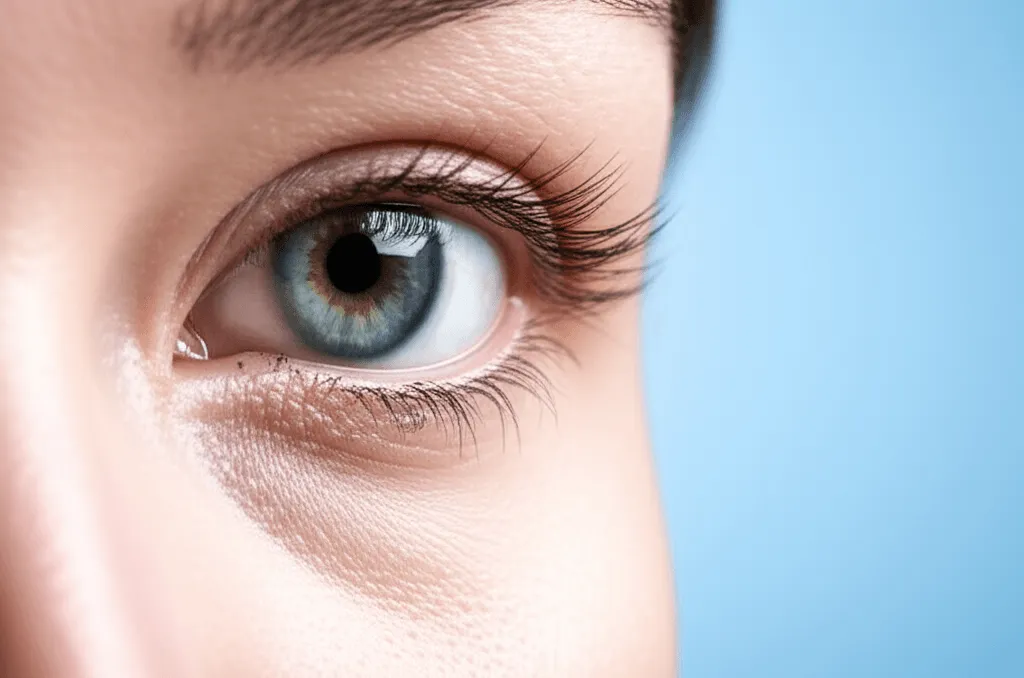
Have you ever looked in the mirror and noticed a small brown spot or a tiny bump on the white part of your eye? Many people brush these marks off as harmless freckles or dust. However, that little spot might sometimes be something that needs a doctor's careful look. Today, we are going to talk about a rare eye condition called conjunctival melanoma.
Understanding this condition can help you spot early warning signs and protect your precious vision. While it is rare, knowing what to look for gives you the power to act quickly and keep your eyes healthy. Let us walk through everything you need to know about this medical condition in simple, everyday words.
Key Takeaways at a Glance.
- Conjunctival melanoma is a very rare type of cancer that starts on the clear membrane covering your eye.
- Common signs include a new or changing dark spot, bump, or colored patch on the white of the eye.
- Early detection by an eye doctor is vital for stopping the condition from spreading.
- Treatments range from surgical removal to specialized freezing and radiation therapies.
- Wearing sunglasses with UV protection helps lower your overall risk of eye damage.
Know your body mass index (BMI) and weight classification
What is Conjunctival Melanoma?
Simply put, conjunctival melanoma is a rare type of cancer that can develop on your eye. Doctors sometimes call this conjunctival malignant melanoma. You might wonder what the word conjunctiva actually means. It is the clear, protective tissue layer that covers the inside of your eyelid and the white part of your eyeball, which doctors call the sclera.
Most of the time, this cancer starts right in the bulbar conjunctiva, which is the mucous membrane protecting the white part of your eye. This condition belongs to a larger group known as eye cancers or ocular melanoma. A melanoma starts when cells called melanocytes begin to grow out of control. These melanocytes are the special cells that make melanin, the pigment that gives color to your skin, hair, and eyes.
You may have heard of skin melanoma before. This eye condition works in a somewhat similar way. However, it affects the eye instead of the skin. It is very important to remember that this serious medical condition can sometimes threaten your life if doctors do not treat it early.
How Common is This Condition?
In truth, conjunctival melanoma is a very rare form of cancer. It accounts for only about two percent of all tumors that affect the eye. also, it makes up just a tiny fraction of all melanoma cases overall, representing about zero point twenty-five percent. Even though it is rare, recent reports suggest that doctors are seeing a slight increase in the number of diagnosed cases.
In Western countries, researchers find between zero point two and zero point five cases for every million people each year. It most often affects non-Hispanic white adults. Even so, people of Asian, Black, and Hispanic backgrounds can also develop this condition. It is extremely rare for children to get conjunctival melanoma.
It is also helpful to know that conjunctival melanoma is very different from retinoblastoma or intraocular melanoma. Intraocular melanoma develops in the middle layer of the eye called the uvea, and it is the most common eye cancer in adults. Retinoblastoma is a childhood cancer that develops inside the back of the eye on the retina.
What Are the Symptoms?
In the early stages, an eye melanoma might not show any warning signs at all. You might feel completely fine and notice nothing unusual. However, if you develop symptoms of conjunctival melanoma, you may notice certain visible signs:
- A colored or pigmented spot right inside your eye.
- Sometimes, the spot has no color at all, which doctors call an amelanotic conjunctival melanoma. Amelanotic simply means it lacks the melanin pigment.
- The spot might look flat like a small stain, or it can be raised up like a tiny bump or nodule.
- This condition almost always affects only one eye at a time, which doctors describe as unilateral.
What Causes It?
Because conjunctival melanoma is so rare, researchers have not yet figured out the exact cause behind it. Genetics may play some role in how the cells behave, but this is definitely not a contagious disease. You cannot catch it from someone else, and you cannot pass it to your family members.
However, scientists have clearly linked this type of melanoma to two specific pre-existing eye conditions:
- Primary Acquired Melanosis, also known as PAM. This condition happens when new, flat, colored patches larger than one millimeter appear on the eye where no spots existed when you were born. PAM can develop with or without abnormal cell changes.
- Conjunctival nevi. These are essentially ordinary birthmarks, moles, or freckles that appear on the surface of the eye.
Are There Other Risk Factors?
There are several general risk factors associated with developing eye melanoma:
- Having blue or green eyes. People with light-colored eyes have a higher chance of developing eye melanoma compared to people with brown eyes.
- Being a white adult. White people face a greatly higher risk than people from other racial backgrounds.
- Growing older. Your overall risk increases steadily as you age through the years.
Scientists also believe that exposure to ultraviolet light from the sun is an important risk factor that can trigger abnormal cell growth.
What Complications Can Happen?
If you leave conjunctival melanoma untreated, it can cause severe health complications. These complications include permanent vision loss and, in the most severe cases, even death if the cancer spreads through your body.
How is it Diagnosed?
Your eye care provider, such as an ophthalmologist, can often spot a conjunctival melanoma during a routine eye examination. If your doctor notices something unusual or feels worried about a spot, they will recommend specific diagnostic tests:
- An ultrasound test to look closely at the tissue structure.
- Optical Coherence Tomography, known as OCT. This test uses safe light waves to measure the thickness of the conjunctiva.
- A biopsy, where the doctor takes a tiny sample of the spot to examine it under a microscope.
If your eye specialist worries that the conjunctival melanoma might have spread to other parts of your body, they will order extra tests. These tests can include blood tests and advanced imaging scans such as a PET scan, a CT scan, or an MRI scan.
What Treatments Are Available?
Your doctor will talk with you about your specific health situation to choose the best possible treatment plan. Treatment options can include:
- Surgically removing the entire lesion from your eye.
- Cryotherapy, which uses extreme cold to freeze and destroy abnormal cancer cells.
- Radiation therapy and topical chemotherapy used as helpful support treatments, meaning they are not usually the very first choice. Radiation options can include brachytherapy and external beam radiation therapy.
What Are the Side Effects and Complications of Treatment?
Every medical treatment comes with potential side effects. The surgical procedures used to treat conjunctival melanoma can cause complications such as:
- Scars forming on your cornea, which is the clear front surface of the eye.
- Infections in the treated area.
- Double vision, where you see two images instead of one.
Cryotherapy treatments can sometimes cause temporary or permanent damage to nearby parts of your eye and eyelids, along with inflammation in your iris.
Topical chemotherapy eye drops can lead to uncomfortable side effects:
- Watery eyes and constant tearing.
- Annoying eye irritation and redness.
- Eye pain and soreness.
- Involuntary twitching of your eyelids.
- Scars on your cornea.
Radiation therapy can result in dry eyes, temporary scratches on the cornea, loss of eyelashes, and early clouding of the eye lens known as cataracts.
If standard treatments are not successful at stopping the cancer, your doctor may unfortunately need to surgically remove the affected eye to protect your overall health.
| Treatment Type. | How It Works. / Common Side Effects. |
|---|---|
| Surgery. | How It Works.: Physically cuts away the tumor and abnormal cells. Common Side Effects.: Corneal scars, infection, double vision. |
| Cryotherapy. | How It Works.: Uses extreme cold to freeze and destroy rogue cells. Common Side Effects.: Eyelid irritation, iris inflammation, temporary pain. |
| Topical Chemotherapy. | How It Works.: Applies special medicinal eye drops to kill cancer cells. Common Side Effects.: Eye burning, tearing, dryness, eyelid twitching. |
| Radiation Therapy. | How It Works.: Uses targeted energy beams to shrink remaining tumors. Common Side Effects.: Dry eyes, lash loss, temporary corneal scratches. |
How Quickly Will You Feel Better After Treatment?
How fast you feel better depends entirely on the specific type of treatment you receive. Your eye doctor will discuss recovery time expectations with you when planning your care.
Can you prevent conjunctival melanoma from happening? You cannot completely prevent this condition because doctors do not know all its exact causes. However, you can take simple steps to lower your overall health risks.
How Can You Lower Your Risk?
You can help protect your eyes by wearing good sunglasses and wide-brimmed hats whenever you go outside, especially on bright, sunny days. This simple habit blocks harmful ultraviolet rays from reaching your eyes. Limiting the time you spend under harsh sunlight can also offer extra protection.
What Can You Expect If You Have Conjunctival Melanoma?
If you receive a diagnosis of conjunctival melanoma and get prompt treatment, your outlook for survival is generally positive. Even so, you might experience some degree of permanent vision loss. If the cancer metastasizes, meaning it spreads to other parts of your body, the situation becomes much more serious. When it spreads, it usually travels to your lungs and lymph nodes.
How Can You Care for Yourself?
Taking good care of your physical and mental health helps you navigate your recovery journey successfully. Here are some positive steps you can take every day:
- Keep all your scheduled appointments with your medical team and attend every check-up.
- Eat nutritious meals filled with wholesome foods to keep your body strong.
- Engage in regular physical activity as approved by your doctor.
- Find healthy ways to manage and reduce your daily stress.
- Ask about specialized support services if you experience low vision or double vision issues.
When to Call the Doctor right away.
Apart from your scheduled check-ups, contact your doctor right away if you notice any new, unusual, or painful changes in your vision or the appearance of your eyes. Call 911 (US/Canada), 999 (UK), or go to your nearest Emergency Department if you experience sudden, severe eye pain, complete vision loss, or symptoms of a medical emergency.
Conjunctival Nevus vs. Conjunctival Melanoma.
A conjunctival nevus is a benign, noncancerous spot on your eye. In everyday words, people often call a nevus an ordinary birthmark, mole, or beauty mark. A nevus is not cancer. However, in rare instances, a pre-existing nevus can change over time and turn into a dangerous conjunctival melanoma.
A note from Dr. Priya Sammani: Finding out you might have an eye cancer can feel very scary and overwhelming. Please remember that you are not alone, and modern medicine offers wonderful tools to help. Getting an accurate diagnosis quickly and starting treatment early gives you the absolute best chance at a healthy recovery. Always trust your instincts, and never hesitate to speak with your doctor.
Summary of Important Points.
Conjunctival melanoma is a rare condition, but your eyes are delicate organs that deserve your full attention. Never ignore new spots, dark patches, or unusual bumps on your eyes. Early detection and prompt treatment make all the difference in protecting your sight. Schedule regular annual eye exams, and always talk openly with your eye doctor if you have any questions or worries.




No comments yet. Be the first to share your question or experience below.