
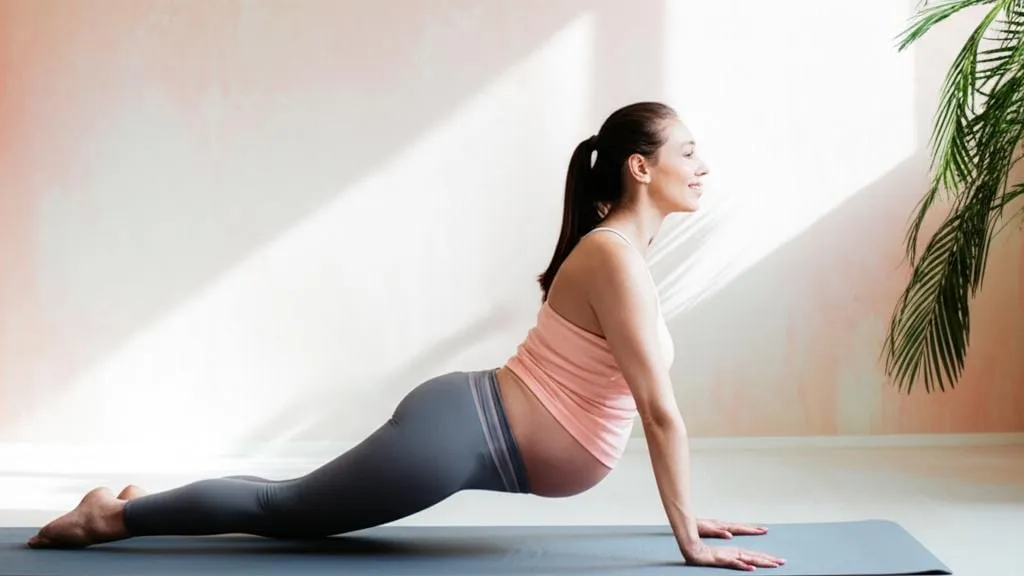
Finding out you are expecting brings a wave of joy, excitement, and a lot of questions. If you love staying active, you might wonder how your fitness routine will change over the next nine months.
Some people tell you to push through and keep your pre-pregnancy workouts going. Other people warn you to rest completely to keep your baby safe.
Navigating these conflicting opinions can feel confusing. This complete guide breaks down everything you need to know about exercising safely during pregnancy, what limits to set, and how to protect both you and your growing baby.
Key Takeaways for Pregnancy Fitness
- Regular, moderate exercise during pregnancy offers wonderful health benefits for you and your baby.
- Always talk to your doctor before starting or continuing any exercise program during pregnancy.
- Gentle activities like walking, swimming, and prenatal yoga are generally safe and healthy choices.
- Avoid high-risk activities like contact sports, scuba diving, downhill skiing, and heavy weight lifting.
- Stop exercising right away and call your doctor if you feel dizzy, experience pain, or notice bleeding.
Free pregnancy due date calculator. Enter your last period date or conception date to find your EDD, current trimester, and key milestones.
Is High-Intensity Exertion Really Not Good?
A few years ago, a viral photo captured global attention online. The image showed an eight-month pregnant woman lifting a heavy metal barbell over her head.
She was a professional bodybuilder and successfully delivered a healthy baby later on. However, doctors expressed serious concerns about lifting heavy weights so close to delivery.
An expert professor in obstetrics and gynecology explained the physiological reality clearly. When you lift heavy weights or push your body to extreme exhaustion, your circulatory system adapts.
Your body redirects a massive surge of blood flow away from your internal organs. Instead, that blood rushes directly to the hard-working skeletal muscles in your arms and legs.
This process acts almost like stepping on your baby's umbilical cord for a few seconds. Depriving your growing baby of steady blood flow and oxygen is dangerous.
Simply put, when you exhaust your body with extreme workouts, your blood rushes away from vital areas. Your uterus, placenta, and baby receive a temporary drop in blood supply.
This exact reason explains why doctors advise against high-intensity, exhausting physical exertion during pregnancy. Protecting your baby means knowing your limits and avoiding extreme strain.
So Is There No Benefit to Exercising?
That is definitely not true. Staying active during pregnancy brings many wonderful health benefits for your body and mind.
Exercise is not a bad thing at all. The secret is knowing how to exercise in the right way and keeping your workouts safe.
One major benefit of proper exercise is lowering your risk of pregnancy-related diabetes. This condition is known as gestational diabetes.
Proper physical activity also helps you manage a healthy weight gain during pregnancy. It keeps your mood uplifted, reduces stress, and builds the physical strength you need for labor.
The main question is always finding out how much exercise is enough. The American College of Obstetricians and Gynecologists (ACOG) provides clear guidelines on this topic.
Medical experts note that you can continue many exercises you did before pregnancy. However, you must follow important safety rules and medical advice.
The most important rule is to talk with your doctor before starting any exercise routine. Your personal health status is unique, and only your doctor can tell you what is safe for you.
Generally Safe Exercises During Pregnancy
Choosing the right activities keeps your body moving without placing undue stress on your baby. Here are some of the best choices for expectant mothers:
- Walking: Walking is low-impact, easy to manage, and lets you set your own pace.
- Swimming: Water supports your changing body weight and keeps you cool while working your muscles.
- Dancing: Gentle aerobic dance keeps your heart healthy, but avoid jumping or spinning moves.
- Prenatal Yoga: Yoga classes designed specifically for pregnant women build flexibility and core strength safely.
Exercises to Avoid Completely During Pregnancy
Some physical activities carry high risks of injury and must wait until after your baby arrives. These exercises can harm both you and your baby.
Review this breakdown of high-risk activities so you know exactly what to avoid during your pregnancy journey.
| Exercise to Avoid | Why It Is Dangerous |
|---|---|
| Scuba Diving | When divers surface, their bodies eliminate gas bubbles through a decompression process. Unborn babies cannot handle this process, and gas bubbles can cause severe harm. |
| Contact Sports | Sports like football, basketball, soccer, and netball carry high risks of impact. Getting hit in the stomach by an elbow, player, or ball can seriously injure your baby. |
| Downhill Skiing | Skiing carries a very high risk of falling and trauma. Also, high altitudes above 6,000 feet reduce oxygen levels, which limits oxygen delivery to your baby. |
| Intense Heavy Weight Lifting | Light weights are fine, but heavy lifting cuts blood flow to the uterus. It also raises the risk of losing your balance, dropping weights, or straining your joints. |
Who Should Stop Exercising Completely?
Certain medical conditions mean physical exercise can cause more harm than good. If you have any of these conditions, doctors advise stopping exercise entirely.
Never start an exercise program without explicit medical clearance if you fall into any of these categories. Your doctor will monitor your health closely.
- Heart or lung disease: Conditions affecting your cardiovascular or respiratory systems require strict physical rest.
- Weakened cervix: If your cervix is weak or opens early, exercise can trigger premature delivery.
- Preeclampsia: This dangerous medical condition causes high blood pressure during pregnancy.
- Placental issues: Conditions like placenta previa mean the placenta sits too low in the uterus.
- Persistent vaginal bleeding: Bleeding during the second or third trimester requires immediate medical evaluation and rest.
- Risk of early labor: Signs pointing toward preterm labor mean you must avoid physical exertion.
Only your doctor knows your complete medical chart and test results. Always consult your doctor to ensure your pregnancy journey remains safe.
Emergency Red Flags: When to Seek Immediate Care
Stop exercising right away and call emergency services (911 in the US/Canada, 999 in the UK) or go to the nearest Emergency Department if you experience any of these warning signs:
- Vigorous vaginal bleeding or fluid leaking from your vagina.
- Sudden chest pain, severe shortness of breath, or dizziness.
- Severe headache or sudden vision changes.
- Calf pain, swelling, or redness in your legs.
- Regular, painful contractions of your uterus.
- Decreased movement of your baby.
💡 Take-Home Message
Exercising during pregnancy is generally safe and very beneficial when done correctly. Here is a quick summary of what you should remember:
- Always talk with your doctor and get approval before starting any exercise routine.
- Stick to safe, gentle activities like walking, swimming, and prenatal yoga.
- Stay away from contact sports, heavy weight lifting, scuba diving, and activities with high fall risks.
- Avoid exercise entirely if you have medical conditions like preeclampsia, heart disease, or a weakened cervix.
- Stop exercising right away and seek emergency medical care if you feel dizzy, bleed, or experience pain.






No comments yet. Be the first to share your question or experience below.