
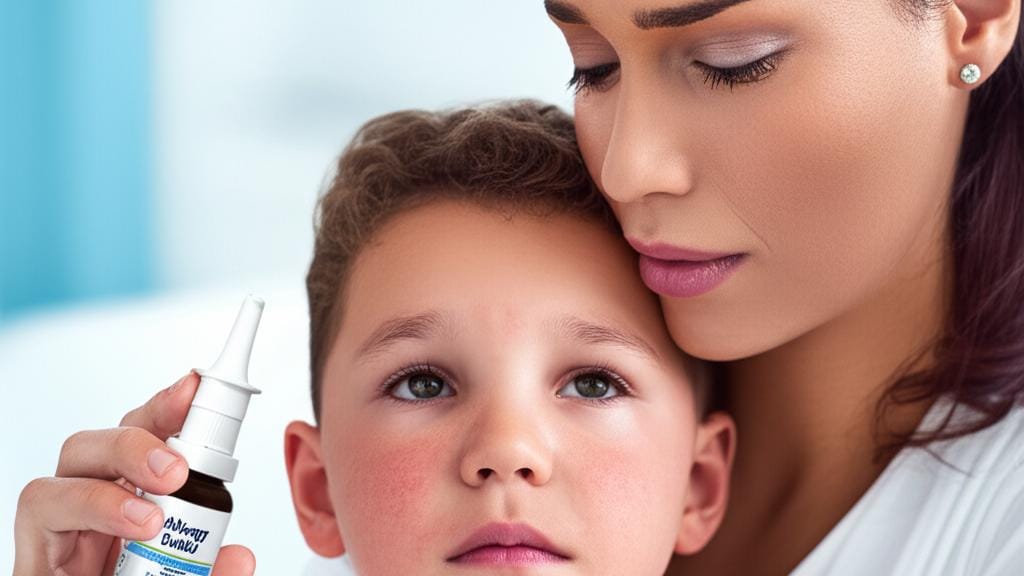
Imagine sitting down for a quiet family dinner at home. Your child takes one single bite of food, and within minutes, their skin turns bright red. They begin to swell up, cough, and struggle for breath. In that terrifying moment, every parent feels a wave of pure panic. You know your child needs emergency medicine right away. But holding down a frightened child to give an injection with a sharp needle can feel overwhelming. Your hands shake, and every single second feels like an eternity.
Now, there is wonderful news on the horizon for families everywhere. Medical science has introduced a needle-free option for children. Instead of a scary needle, this new treatment is a simple nasal spray. It can deliver life-saving medicine quickly and easily through the nose. Let us explore how this new spray works and what every parent needs to know about keeping children safe.
Key Takeaways at a Glance
- Severe allergic reactions, known as anaphylaxis, can happen suddenly in children.
- Epinephrine is the primary medicine needed to stop a severe allergic reaction safely.
- A new FDA-approved nasal spray delivers epinephrine through the nose without needles.
- This needle-free option reduces fear and makes emergency treatment much faster.
- Always call emergency services right away after giving any epinephrine treatment.
BMI Calculator
Know your body mass index (BMI) and weight classification
Understanding Severe Allergic Reactions and Anaphylaxis
To understand why this new treatment is so important, we must first understand what happens during a severe allergic reaction. Simply put, an allergy happens when your body's immune system overreacts. It treats something harmless, like a food protein or insect venom, as a dangerous enemy. Imagine a tiny, harmless visitor arriving at a fortress, and the entire army attacks with full force. This exaggerated immune response causes uncomfortable and sometimes dangerous symptoms.
Doctors refer to the triggers behind these reactions as allergens. Common food triggers include peanuts, tree nuts, cow's milk, eggs, fish, and shellfish. Insect stings from wasps, yellow jackets, and hornets are another frequent cause. Certain medicines, such as specific painkillers or antibiotics, can also trigger strong reactions. When these substances enter the body, some people experience mild itching or a few hives.
However, for many children, the reaction is far more severe. Within minutes, it can threaten their life. Medical professionals call this dangerous systemic emergency anaphylaxis. During an episode of anaphylaxis, the child's blood pressure drops rapidly. Their airways swell up tightly, making it very difficult or impossible to breathe normally. This requires immediate medical intervention to prevent tragedy.
The gold-standard medicine used in these exact emergencies is epinephrine. You may recognize epinephrine from traditional auto-injector pens used by families worldwide. Epinephrine works wonders in seconds. It quickly reverses the drop in blood pressure, opens up swollen airways, and restores normal breathing. Until recently, delivering this medicine always required a physical injection into the muscle.
What Is the New Epinephrine Nasal Spray?
Here is the wonderful medical breakthrough families have been waiting for. The United States Food and Drug Administration (FDA) has approved a brand-new nasal spray named Neffy for treating severe allergic reactions. This spray contains the exact same active medicine, epinephrine, that you find in traditional injector pens. The major difference is the delivery method. Instead of pushing a needle into the thigh muscle, you spray the medicine gently into the nose.
In the past, needle-free rescue options were primarily available only for adults and older teens. Young children still required traditional auto-injectors. For many small children, seeing a needle caused extreme terror, leading to struggles that delayed vital treatment. Now, this new 1mg nasal spray is approved for children over four years old who meet specific weight guidelines. It removes the fear, stops the struggle, and helps caregivers deliver treatment without hesitation.
Using a nasal spray aligns with how many parents already give everyday cold medicines to their kids. It is intuitive, calm, and efficient. When seconds count during an anaphylactic reaction, eliminating the stress of using a needle can truly save a child's life.
Key Benefits of the Epinephrine Nasal Spray
This innovative nasal delivery system offers several distinct advantages over older methods. Let us review the primary benefits in detail:
| Feature / Advantage | Patient and Family Benefit |
|---|---|
| Needle-Free Design | Eliminates needle phobia, physical pain, and the trauma of holding a child down for an injection. |
| Simple Administration | Easy to place in the nostril and press. Requires minimal training for teachers, relatives, and caregivers. |
| Rapid Absorption | The rich network of blood vessels in the nasal lining absorbs epinephrine into the bloodstream quickly. |
| Enhanced Safety | Prevents accidental finger sticks or misfiring during high-stress emergency situations. |
Important Safety Considerations and Side Effects
Like any potent medical treatment, epinephrine nasal spray can cause mild side effects. Most side effects are temporary and resolve on their own within a short time. You might notice:
- Mild nasal discomfort, tingling, or a stinging sensation in the nose.
- Light nosebleeds or spotting from the nasal passages.
- Frequent sneezing shortly after the spray is given.
- Dryness or a runny nose following administration.
- Mild nausea or an upset stomach.
- A mild headache or temporary dizziness.
- Feelings of nervousness or anxiety due to the adrenaline surge.
While these side effects are manageable, you must follow several critical safety rules when handling this medicine:
1. Always carry two doses with you at all times: Severe allergic reactions can sometimes return after the first dose wears off, or a single dose might not fully control the symptoms. Having a backup device is essential.
2. Give the second dose in the same nostril: If you need to give a second dose because symptoms persist, spray it into the exact same nostril you used for the first dose. Do not switch nostrils.
3. Discuss your child's full medical history with your doctor: Inform your pediatrician if your child suffers from chronic nasal congestion, frequent sinus issues, heart conditions, high blood pressure, or thyroid disorders. Share a complete list of all current prescription and over-the-counter medicines your child takes.
What Should You Do If Your Child Has a Severe Allergic Reaction?
Knowing what steps to take during an emergency can save your child's life. Follow this clear action plan if you suspect anaphylaxis:
- First, stay as calm as possible. Your steady voice and calm presence will help keep your child from panicking further.
- Do not wait for symptoms to worsen. If you suspect a severe reaction, give the epinephrine nasal spray right away. Quick action stops symptoms from escalating.
- Position the child safely. Lay the child flat on their back on the floor. If they are comfortable, raise their legs slightly to help maintain healthy blood pressure.
- Call emergency services right away. Dial 911 if you are in the US or Canada, 999 if you are in the UK, or go straight to the nearest hospital Emergency Department (ER / A&E). Epinephrine nasal spray is a vital first-aid measure, but professional medical care is always required afterward.
- Be ready to give a second dose. If symptoms do not improve within five to ten minutes, or if they return before help arrives, give your second nasal spray dose as instructed by your doctor.
⚠️ Emergency Red Flags: Call 911 / 999 Right away
- Trouble breathing, wheezing, coughing, or high-pitched whistling sounds.
- Swelling of the lips, tongue, throat, or entire face.
- Persistent dizziness, confusion, fainting, or sudden paleness of the skin.
- Widespread hives, severe itching, or blueness around the lips and fingertips.
- Repeated vomiting or severe stomach cramps after eating an allergen.
💡 Take-Home Message
Navigating severe allergies in children requires constant vigilance, preparation, and education. Here is a summary of the most important points to remember:
- The new epinephrine nasal spray offers a needle-free, painless way to treat severe allergic reactions and anaphylaxis in children.
- It works just as quickly and effectively as traditional injections while reducing fear for both kids and parents.
- Always consult your child's pediatrician or allergist to see if a nasal spray is the right choice for your family's emergency action plan.
- An epinephrine spray is a first-aid tool. You must always seek professional emergency medical care at a hospital right after giving it.
- Staying informed about modern medical innovations empowers you to protect your child with confidence every single day.






No comments yet. Be the first to share your question or experience below.