
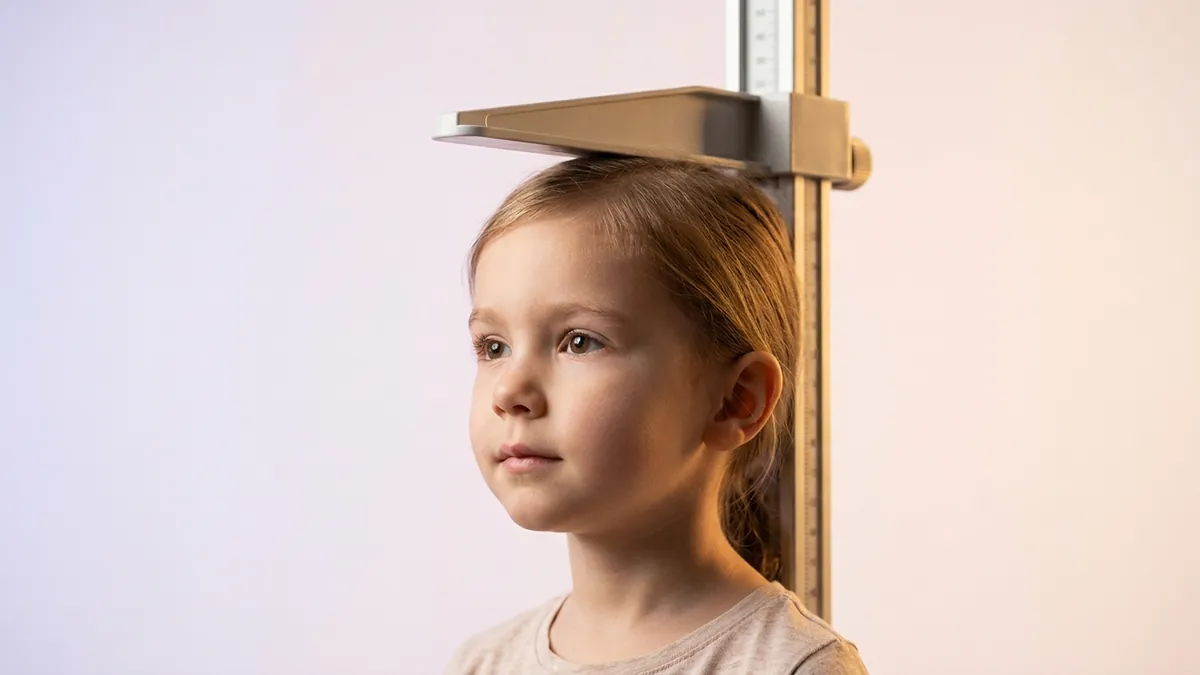
I still remember when Claire brought her eight-year-old son, Ethan, into the clinic because he had worn the exact same pair of school trousers for nearly two years without outgrowing them. While his classmates shot up every summer, Ethan stayed half a head shorter, yet kept a sweet, round-cheeked toddler look around his face and tummy. Whether you are a parent watching a growth chart flatten out or an exhausted adult battling stubborn belly fat and zero stamina, searching for Gh deficiency symptoms: clinical meaning, causes, normal ranges & next steps usually means you want clear, practical answers without textbook jargon.
Think about it for a second: most people assume growth hormone only matters while we are growing taller in school, right? We rarely stop to think about what it does once we reach adulthood, do we? In reality, we doctors view growth hormone as your body's lifelong repair and metabolism manager—from the day you are born right through retirement. Let's walk through what low levels actually look like, how testing works at your family clinic, and the exact steps that help children and adults thrive.
📌 Key Takeaways at a Glance
- Two distinct symptom patterns: Children primarily show slow height gain (under 2 inches or 5 cm a year) and delayed bone or tooth maturity, while adults notice deep fatigue, waist weight gain, muscle loss, and thinner bones.
- Routine blood draws miss it: Because growth hormone pulses mostly while you sleep, a single random blood test cannot diagnose deficiency; doctors rely on insulin-like growth factor 1 (IGF-1) screening and timed stimulation tests.
- Look-alikes are common: Everyday "late bloomer" growth patterns, an underactive thyroid, or celiac disease often mimic low growth hormone and must be ruled out first.
- Highly treatable at any age: Once confirmed by a hormone specialist (endocrinologist), daily evening or once-weekly hormone replacement restores healthy growth in kids and rebuilds stamina, bone strength, and heart health in adults.
What Are GH Deficiency Symptoms, and What Is Their Clinical Meaning?
GH deficiency symptoms are the physical and metabolic warning signs that appear when your pituitary gland does not produce enough growth hormone (somatotropin). In children, this mainly causes slow height growth and delayed tooth or bone development, while adults experience deep fatigue, central weight gain, weaker muscles, and reduced bone density.
Clinically, growth hormone deficiency (somatotropin deficiency) tells us that the pea-sized master hormone gland at the base of your brain—the pituitary gland (hypophysis)—is underperforming. Sometimes growth hormone is the only chemical messenger missing, which we doctors call isolated growth hormone deficiency. Other times, several pituitary hormones drop together in a broader condition called multiple pituitary hormone deficiency (hypopituitarism), affecting your thyroid, stress hormones, or puberty timing too.
Have you ever wondered why catching these signs early makes such a big difference? In children, open growth areas near the ends of long bones—called growth plates (epiphyseal plates)—only stay open until late puberty. Once they fuse shut, height can no longer increase. In adults, untreated deficiency quietly raises bad LDL cholesterol, weakens bones, and saps daily quality of life. Now that clinical picture makes sense, right?
How Does Growth Hormone Work, and What Causes a Deficiency?
Look at what happens inside your body every night after you fall into deep, slow-wave sleep. Specialized cells inside your anterior pituitary gland release growth hormone into your bloodstream in short, rhythmic bursts rather than a steady trickle. Because each burst fades from your blood within about 20 minutes, growth hormone travels straight to your liver and signals it to produce a steady partner hormone called insulin-like growth factor 1 (IGF-1).
IGF-1 does most of the heavy lifting day to day—prompting childhood bones to lengthen, helping muscles knit themselves back together after exercise, and encouraging your body to burn stored fat for fuel. When either the brain's upper control center (the hypothalamus) or the pituitary gland itself cannot send that signal, IGF-1 drops and symptoms slowly build.
What triggers that breakdown in the first place? We doctors group the causes into two main buckets:
- Present from birth (congenital causes): Genetic changes affecting hormone production or subtle structural differences in how the pituitary gland formed before birth.
- Developed later in life (acquired causes): Harmless, non-cancerous pituitary growths (pituitary adenomas), head injuries or repeated sports concussions, previous brain or head-and-neck radiation therapy, brain infections, or immune-system inflammation of the gland (hypophysitis).
Before jumping to conclusions, your doctor will also check common look-alike conditions. Constitutional delay of growth and puberty—healthy "late bloomers" whose parents also grew late—underactive thyroid (hypothyroidism), and gluten-related gut inflammation (celiac disease) cause almost identical childhood slowdowns without true growth hormone failure.
How Do GH Deficiency Symptoms Differ in Children vs. Adults?
Because your body uses growth hormone differently before and after puberty, the clues you spot at home depend heavily on age. What do you think surprises families most? Children with low growth hormone usually have completely normal intelligence and healthy body proportions—they simply look much younger than their birthday age.
Signs in Babies and Children
- Newborn warning signs: Unexpectedly low blood sugar (neonatal hypoglycemia), prolonged newborn yellowing of the skin (jaundice), or an unusually small penis (micropenis) in baby boys.
- Dropping across growth chart lines: Growing less than 2 inches (5 cm) per year after age three, or steadily slipping downward across percentiles on standard growth charts.
- Youthful features: A sweet, rounded "cherub" face, soft extra padding around the tummy, a high-pitched voice, slow hair and nail growth, and baby teeth that take extra years to fall out.
Signs in Teenagers and Adults
- Metabolic and body shifts: Stubborn fat collecting around the waist and internal organs (visceral adiposity) alongside shrinking muscle bulk—even when eating sensibly.
- Crushing low stamina: Hitting an energy wall mid-afternoon, poor exercise recovery, and weaker grip or leg strength.
- Hidden internal changes: Thinning bones (osteopenia or osteoporosis) leading to easier fractures, dry thin skin, reduced sweating, brain fog, anxious or low mood, and climbing cholesterol levels.
What Are Normal Growth Hormone Ranges and Diagnostic Test Cutoffs?
Here is something that catches almost every patient off guard: if you walk into your Primary Care Physician (PCP) or family GP clinic for a routine morning blood test, a "near-zero" growth hormone result can be 100% normal! Remember how we talked about growth hormone firing in brief nighttime bursts earlier? Between pulses, healthy kids and adults regularly sit below 1 ng/mL (1 µg/L). Pretty surprising, right?
Because a random growth hormone draw tells us very little, we doctors follow a careful stepwise evaluation before making a diagnosis:
- Step 1 — Blood IGF-1 and IGFBP-3 screening: Your family doctor checks serum IGF-1 and insulin-like growth factor-binding protein 3 (IGFBP-3), plus thyroid, kidney, liver, and celiac tests. Normal IGF-1 ranges shift dramatically by age and puberty: roughly 50–280 ng/mL in young children, surging to 180–550 ng/mL during teen growth spurts, and settling around 80–250 ng/mL in adulthood. Labs convert this into a standardized Z-score (standard deviation score); a score below -2.0 strongly points toward deficiency.
- Step 2 — Bone age X-ray (for children): A quick, painless X-ray of your child's left hand and wrist (bone age radiograph) at a local radiology clinic shows whether skeletal maturity lags 2 or more years behind actual age.
- Step 3 — Specialist GH stimulation test & pituitary MRI: An endocrinologist gives a safe medication—such as glucagon, clonidine, arginine, insulin, or oral macimorelin—and draws blood every 15–30 minutes for 2–3 hours. In children, peak GH staying below 7 to 10 ng/mL across two tests confirms deficiency. In adults, peak GH at or below 3.0 ng/mL on insulin or glucagon testing (below 1.0 ng/mL on glucagon if BMI is 30 or above, or below 2.8 ng/mL with macimorelin) confirms adult deficiency, followed by a pituitary MRI scan.
GH Deficiency Symptoms, Lab Findings & Next Steps: Quick Comparison
To help you make sense of symptoms, lab numbers, and when to act, here is a straightforward clinic guide comparing what you might notice with what it means medically.
| Symptom or Lab Finding | Clinical Meaning & Action Step |
|---|---|
| Childhood height gain under 2 inches (5 cm) per year | Signals slowed growth velocity after age three, pointing to possible growth hormone deficiency, thyroid slowdown, celiac disease, or familial late-blooming. What you should do: Book a non-urgent visit with your family GP or pediatrician and bring past height and weight records to plot on a clinical growth chart. |
| Newborn low blood sugar & prolonged jaundice | Can indicate congenital pituitary hormone deficiency right from birth, especially if paired with poor feeding or lethargy. What you should do: Seek prompt hospital pediatric evaluation so blood glucose, cortisol, thyroid, and growth hormone pathways are stabilized safely. |
| Adult waist fat, muscle loss & deep burnout | Classic metabolic footprint of adult growth hormone deficiency—particularly if you have a history of head trauma, concussion, or pituitary surgery. What you should do: Ask your PCP or GP for baseline thyroid, morning cortisol, metabolic panel, and age-adjusted IGF-1 blood testing. |
| Random blood GH below 1 ng/mL | Usually normal between natural daytime pulses and does not confirm or rule out deficiency on its own. What you should do: Do not panic over a low random GH number; ask your doctor to evaluate your steady IGF-1 Z-score instead. |
| IGF-1 Z-score below -2.0 (for age and sex) | Strong biochemical clue that daily growth hormone output is low, assuming nutrition and liver function are healthy. What you should do: Request a referral to a pediatric or adult endocrinologist for formal stimulation testing and a bone age X-ray or MRI. |
| Peak stimulated GH below cutoff (under 7–10 ng/mL in kids; 3.0 ng/mL or less in adults) | Confirms clinical growth hormone deficiency when matched with physical symptoms and pituitary history. What you should do: Complete a pituitary MRI through your specialist and discuss starting tailored somatropin replacement therapy. |
How Do Doctors Treat GH Deficiency? Dosing, Monitoring & Daily Care
Just like we mentioned at the very beginning, confirming a deficiency opens the door to remarkably effective care. Standard treatment uses bio-identical, lab-made human growth hormone called recombinant somatropin, which matches your body's natural hormone molecule for molecule.
See how personalized modern dosing has become? Endocrinologists tailor prescriptions carefully by age:
- Pediatric dosing: Children typically receive weight-based somatropin around 0.16 to 0.24 mg/kg per week divided into tiny, virtually painless subcutaneous pen injections before bedtime—mimicking the body's natural nighttime pulse. For eligible kids aged 1–3 years and older, approved once-weekly long-acting injections (such as lonapegsomatropin, somatrogon, or somapacitan) cut needle days down from 365 to 52 a year.
- Adult dosing: Adults are much more sensitive to fluid shifts, so doctors skip weight-based formulas and start low—usually 0.2 to 0.4 mg daily (or 0.1 to 0.2 mg daily if you are over 60), or once-weekly somapacitan—adjusting every 4 to 8 weeks until your IGF-1 sits comfortably in the middle of the normal range.
Prescription growth hormone is contraindicated during active cancer, critical hospital illness, severe uncontrolled diabetic eye disease, or for height gain once growth plates have fused. Every 3 to 6 months, your specialist checks growth speed, IGF-1, fasting blood sugar (HbA1c), and free T4 thyroid levels, while watching for mild ankle swelling, stiff fingers, or childhood hip pain. At home, support treatment with protein-rich meals—like scrambled eggs, grilled salmon, Greek yogurt, oats, and leafy greens—brisk daily walks, and a consistent bedtime routine.
✔️ What You Should Do & ❌ What to Avoid
- ✔️ Do track accurate heights every 6 months: Measure children barefoot against a flat wall at the same time of day and bring those numbers to your family doctor.
- ✔️ Do mention past concussions or head injuries: Even a sports or car-accident concussion years ago can quietly reduce adult pituitary function.
- ✔️ Do rotate injection sites and stick to evening routines: Switching between thighs, tummy, and upper arms keeps skin smooth and absorption steady.
- ❌ Don't buy online "HGH sprays," amino-acid pills, or gym peptides: Unregulated products cannot replace missing hormone and carry serious contamination and health risks.
- ❌ Don't double up a missed dose: If you forget an evening injection, skip it or follow your endocrinologist's exact catch-up window rather than injecting double.
- ❌ Don't ignore new snoring, headaches, or hip pain on treatment: Report these promptly to your GP clinic or local Urgent Care center if mild symptoms flare after hours.
🚨 When to Seek Immediate Emergency Care (Red-Flag Symptoms)
If you or someone near you develops any of these red-flag symptoms, do not wait — call 911 (US & Canada), 999 or 111 (UK), or 000 (Australia) immediately or go straight to the nearest hospital Emergency Room (ER / A&E):
- Sudden, blinding "thunderclap" headache with double vision or lost side vision: Can signal sudden bleeding or swelling inside the pituitary gland (pituitary apoplexy), which requires urgent emergency care.
- Severe drowsiness, shakiness, confusion, or seizures in a baby or child: Signs of dangerously low blood sugar (severe hypoglycemia) needing immediate medical stabilization.
- Nonstop vomiting, extreme dizziness upon standing, or fainting during a fever or stomach bug: Could indicate a life-threatening stress-hormone drop (adrenal crisis) in people with multiple pituitary deficiencies.
- Persistent headache with morning vomiting, blurred vision, or a new limp/severe hip or knee pain in a child on GH therapy: Requires immediate urgent evaluation to rule out increased pressure around the brain or a slipped hip growth plate.
💡 Key Take-Home Message
- Slow childhood growth or unexplained adult exhaustion with central weight gain deserves a thoughtful look at your pituitary health—not guesswork.
- Ask your Primary Care Physician or family GP for baseline IGF-1, thyroid, and celiac blood work rather than relying on a single random growth hormone draw.
- With proper specialist confirmation and modern daily or once-weekly hormone therapy, both kids and adults can safely reclaim healthy growth, strength, and energy.




No comments yet. Be the first to share your question or experience below.