
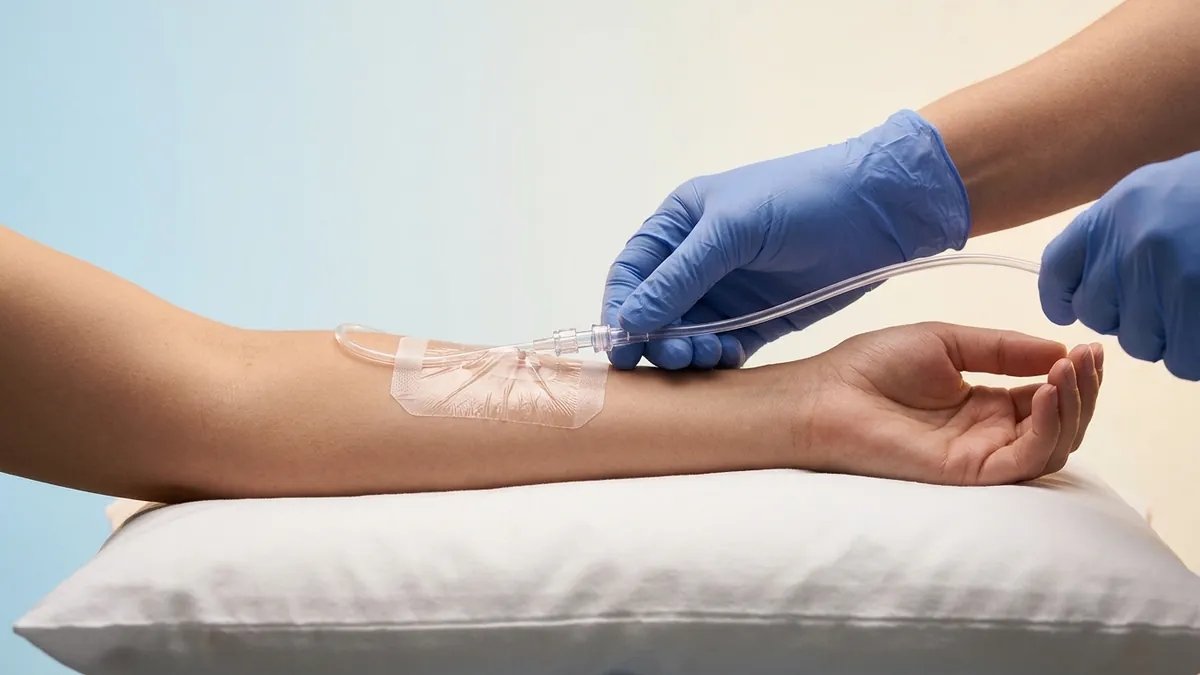
When you search for a subcutaneous injection procedure: clinical meaning, causes, normal ranges & next steps, you usually have a new prescription sitting on your kitchen counter and want clear, calm guidance before taking the cap off that needle. Whether you are starting a weekly metabolic pen, daily insulin, a blood thinner after surgery, or an autoimmune biologic, learning to give a shot under the skin (subcutaneous injection) is one of the safest, simplest skills in modern home healthcare.
Have you ever wondered why certain medications come in tiny, hair-thin needles you barely feel, while vaccines at the pharmacy go deep into your shoulder muscle? Think about it for a second—your body absorbs liquid medicine at very different speeds depending on which tissue layer receives it. Because we doctors prescribe under-the-skin injections specifically for steady, gentle absorption, you do not need nursing school training or deep anatomical guesswork to do this safely in your own living room.
In this practical guide, we doctors walk you through how the fatty tissue beneath your skin works, the exact needle sizes and dose volumes considered normal, where to inject without hitting nerves or blood vessels, and how to handle every step from alcohol swab to sharps bin.
📌 Key Takeaways at a Glance
- Gentle target layer: A subcutaneous shot places medicine into the soft fatty cushion beneath your skin and above your muscle, allowing slow, steady bloodstream absorption.
- Tiny needle standards: Normal home needles measure just 4 mm to 8 mm long (28G to 31G thickness) and typically deliver small liquid volumes of 0.5 mL to 1.5 mL.
- Four safe body zones: The abdomen (at least 2 inches from your belly button), front-outer thighs, back of the upper arms, and upper buttocks work best.
- Simple angle rule: Most adults use a straight 90-degree angle with short needles, or a 45-degree angle with a gentle skin pinch if you are very lean or using a longer needle.
- Site rotation matters: Moving at least 1 inch away from your previous spot each time prevents rubbery fatty lumps under the skin that block medication absorption.
What Is the Procedure for a Subcutaneous Injection and How Does It Work?
A subcutaneous injection procedure delivers liquid medication slowly and safely into the soft fatty layer just beneath your skin, sitting right above your deeper muscle tissue. Using a short, ultra-thin needle at a 45-degree or 90-degree angle, it ensures steady drug absorption with minimal discomfort during routine home care.
To see why this works so smoothly, look at what happens right beneath the surface of your skin. Your outer skin has two thin protective sheets—the surface layer (epidermis) and the middle layer containing sweat glands and nerve endings (dermis). Directly underneath sits the fatty cushion (subcutaneous tissue or hypodermis). Unlike deep skeletal muscle, which is packed with large blood vessels that sweep medicine into circulation rapidly, this fatty cushion has far fewer tiny blood vessels (capillaries). Pretty surprising, right?
Because blood flows slowly through that fatty layer, protein-based medications can sit comfortably in a tiny pocket and trickle into your bloodstream evenly over several hours or days. That differentiates it sharply from two closely related procedures we doctors use in the clinic: a muscle shot (intramuscular injection), which goes deep into vascular muscle for brisk uptake or thicker vaccine solutions, and a skin-surface test shot (intradermal injection), which slips just beneath the top skin layer at a flat 10-degree to 15-degree angle for tuberculosis or allergy testing. Be honest, you have probably worried about accidentally hitting a major vein during a home shot, haven't you? Thankfully, large veins and major nerves do not run through healthy subcutaneous fat in standard injection zones, making this route remarkably forgiving.
Why Do Doctors Prescribe Subcutaneous Shots? Common Causes and Medications
Have you ever asked yourself why these medications cannot simply be swallowed as a morning tablet with a glass of water? If you swallowed protein-based drugs like insulin or modern biologics, your stomach acid and digestive enzymes would break them down just like scrambled eggs at breakfast before they ever reached your bloodstream. Delivering them beneath the skin bypasses your digestive tract completely while avoiding the soreness of repeated muscle shots. Now that makes sense, right?
In everyday practice across Primary Care Physician (PCP) and family GP clinics, we doctors prescribe the procedure for subcutaneous injection for several common medical needs:
- Diabetes and blood sugar control: Fast-acting and long-acting insulins rely on predictable absorption from abdominal or thigh fat to keep blood glucose steady around the clock.
- Weight management and metabolic care: Weekly hormone-mimicking pens (GLP-1 and dual GIP/GLP-1 receptor agonists such as semaglutide or tirzepatide) absorb gradually over seven days from a single tiny under-the-skin dose.
- Blood clot prevention and treatment: Low-molecular-weight blood thinners (anticoagulants like enoxaparin or heparin) are frequently prescribed after orthopedic surgery, hospitalization, or during high-risk pregnancies.
- Autoimmune and inflammatory conditions: Biologic therapies for rheumatoid arthritis, psoriasis, Crohn's disease, ulcerative colitis, and severe asthma or eczema use prefilled pens or syringes every one to four weeks.
- Fertility, hormone, and specialty care: Ovulation-stimulating fertility protocols, growth hormone therapy, migraine preventive antibodies, and certain vitamin B12 regimens also use this gentle route.
What Are the Normal Ranges for Needle Size, Angle, and Dose Volume?
When patients see "normal ranges" attached to an injection procedure, they often expect lab blood numbers—but here, clinical reference ranges refer to the exact physical measurements that keep your dose safe, painless, and effective. Staying inside these evidence-based cutoffs guarantees your medicine lands in fat rather than pooling in the top skin or plunging too deep into muscle.
- Normal Dose Volume Range (0.5 mL to 1.5 mL): The fatty layer comfortably holds small liquid volumes, typically up to 1.5 mL—and an absolute clinical ceiling of 2.0 mL per single injection site in adults. Larger volumes stretch surrounding tissues, causing stinging, leakage, or aching pressure. If your prescribed dose exceeds 2.0 mL, we doctors split it across two separate injection sites.
- Normal Needle Gauge Range (25G to 31G): In medical sizing, higher gauge numbers mean thinner needles. Standard vials and syringes usually pair with 25-gauge to 27-gauge needles, while prefilled insulin and GLP-1 pen needles measure an ultra-fine 29-gauge to 32-gauge—barely thicker than an eyelash.
- Normal Needle Length Range (4 mm to 12.7 mm, or 5/32 to 1/2 inch): Pen needles typically range from 4 mm to 8 mm, whereas standard disposable subcutaneous syringes measure 8 mm to 12.7 mm (5/16 inch to 1/2 inch).
- Insertion Angle Cutoffs (90 degrees vs. 45 degrees): With modern 4 mm to 6 mm needles, almost all adults insert straight in at a 90-degree angle without pinching. With 8 mm to 12.7 mm needles—or in children and very slender adults—lifting a soft skinfold and entering at a 45-degree angle keeps the tip safely clear of muscle.
We doctors also screen for local contraindicating skin findings before every shot: never inject into bruises, scars, stretch marks, moles, sunburned patches, swollen skin, or areas within 2 inches (5 cm) of your navel or surgical incisions.
Where Are the Best Body Sites for a Subcutaneous Injection?
Remember how we talked about that slow-absorbing fatty cushion earlier? Not every part of your body carries the same thickness of subcutaneous fat, and even among approved zones, absorption speed varies slightly with local blood flow. Knowing the four gold-standard body sites gives you plenty of room to rotate comfortably week after week:
- Abdomen (fastest, most consistent absorption): Use the soft area across your belly below your ribs and above your hip bones, staying at least 2 inches (about two adult finger-widths, or 5 cm) away from your belly button and waistline belt pressure.
- Front and outer thighs (easy seated access): Aim for the middle third of your thigh—halfway between your knee and hip, slightly toward the outer side where you can easily pinch a soft fold while sitting down.
- Back of the upper arms (great when someone helps you): Use the fleshy outer-back pad halfway between your shoulder and elbow. Because pinching your own upper arm awkwardly can push the needle into muscle, save this spot for caregiver-assisted shots or short 4 mm non-pinch pen needles.
- Upper buttocks and flank: The padded upper-outer quadrant just below your waist offers the slowest absorption rate, making it popular for certain long-acting evening insulins.
Why do we doctors insist on rotating spots every single time? Injecting into the exact same square centimeter repeatedly triggers rubbery fatty skin lumps (lipohypertrophy). Those painless mounds feel firm under your fingers and trap medication unpredictably, causing erratic blood sugars or weaker symptom control. Move each new shot at least 1 inch (2.5 cm) from your last mark, rotating clockwise like numbers on a clock face.
How Do You Perform a Subcutaneous Injection Step by Step at Home?
Ready to walk through the actual procedure for subcutaneous injection from start to finish? Think of it like making your morning coffee—once your hands know the sequence, the whole process takes less than two minutes. Always follow the package insert provided by your pharmacist, along with these eight universal clinical steps:
- Wash and gather supplies: Wash your hands thoroughly with warm soap and water for 20 seconds. Set your medication vial or pen, a fresh sterile needle, an alcohol swab, clean gauze, and a hard plastic sharps container on a clean table.
- Check and warm the medication: Verify the drug name, dose, expiration date, and liquid clarity (most solutions should look crystal clear and colorless unless specifically labeled as a cloudy suspension). If refrigerated, let the pen or syringe rest at room temperature for 15 to 30 minutes—cold liquid stings far more than room-temperature medicine!
- Clean the skin and wait: Wipe your chosen site with an alcohol swab in a firm spiral motion and let it air-dry completely for 30 seconds without blowing on it. Wet alcohol carried under the skin causes that sharp pinch people mistakenly blame on the needle.
- Prepare your dose accurately: Attach a fresh pen needle and prime per instructions, or draw up your exact syringe volume and tap out large air bubbles. (Exception: prefilled blood-thinner syringes like enoxaparin come with a tiny intentional air bubble that you must NOT expel—it seals the medication in to reduce bruising.)
- Pinch and position: If recommended for your needle length or body build, gently pinch a 1-inch to 2-inch fold of skin and fat between your thumb and index finger without squeezing tightly enough to blanch the skin white.
- Insert smoothly: Using a quick, relaxed dart-like wrist motion, slide the needle all the way in at your 90-degree or 45-degree angle.
- Inject slowly and count: Press the plunger or pen button steadily until fully depressed. For prefilled pens and autoinjectors, keep holding the needle under your skin for a slow count of 5 to 10 seconds (or until the second click) so every last drop enters the tissue.
- Withdraw and dispose safely: Pull the needle straight out at the exact same angle, release your skin pinch, and press gently with dry gauze if a tiny drop of blood appears—never rub the area. Drop the used needle immediately into your puncture-resistant sharps bin without recapping it.
How Does Subcutaneous Compare to Other Injections and Skin Reactions?
When managing injections at home, patients often ask how to tell normal mild post-shot reactions apart from technique hiccups or different injection types. Look at the side-by-side guide below so you always know what a finding means and what your next step should be.
| Injection Type or Post-Shot Finding | Clinical Meaning & Practical Next Steps |
|---|---|
| Subcutaneous (Under-the-Skin) Shot | Targets the fatty hypodermis using a short 4–12.7 mm needle (0.5–1.5 mL max) for slow, sustained absorption over hours or days. What you should do: Insert at 90° (or 45° with a gentle skinfold if lean), rotate sites at least 1 inch apart, and never aspirate (pull back on the plunger) before injecting. |
| Intramuscular (Deep Muscle) Shot | Reaches deep vascular muscle tissue using a longer 25–38 mm (1–1.5 inch) needle at 90°, delivering vaccines, antibiotics, or larger volumes up to 3–5 mL rapidly. What you should do: Never substitute a short subcutaneous needle for a prescribed intramuscular drug, or the dose may pool poorly in fat and cause painful sterile nodules. |
| Clear Drop of Liquid on Skin After Pulling Out | Usually happens when a pen needle or autoinjector is withdrawn too quickly before tissue pressure equalizes. What you should do: Do not re-inject a second dose! Next time, count slowly to 10 full seconds with the button pressed before lifting the needle straight out. |
| Small Quarter-Sized Bruise or Tiny Blood Speck | A harmless nick of a microscopic surface capillary during insertion—especially common with blood thinners like enoxaparin. What you should do: Press gently with clean gauze or a cool washcloth for 60 seconds without rubbing, and choose an untouched spot at least 2 inches away for your next dose. |
| Firm, Rubbery Under-the-Skin Lump (Lipohypertrophy) | Thickened fatty scar tissue caused by injecting repeatedly into the exact same favorite spot or reusing dulled pen needles. What you should do: Rest that entire patch of skin for 2 to 3 months until soft again, use a brand-new sterile needle every time, and ask your doctor to check your dosing as absorption improves. |
| Expanding Hot Redness, Throbbing Pain, or Pus | Signals a possible localized bacterial skin infection (cellulitis or skin abscess) rather than normal mild irritation. What you should do: Outline the red border lightly with a pen to track spreading and book a same-day visit with your Primary Care Physician (PCP), family GP clinic, or local Urgent Care center. |
See? Having clear guardrails takes the guesswork right out of home care. Even minor adjustments—like letting your alcohol wipe dry fully and sipping plenty of water on weekly GLP-1 injection days—make your routine remarkably smooth.
✔️ What You Should Do & ❌ What to Avoid
- ✔️ DO use a brand-new sterile needle for every single shot: Even one reuse bends the microscopic metal tip into a tiny hook, causing bruising, pain, and fatty lumps.
- ✔️ DO dispose of sharps legally and safely: Place used syringes, pen needles, and autoinjectors straight into an FDA-cleared or pharmacy-supplied sharps bin, then return full containers through local pharmacy take-back programs, clinic drop-offs, or municipal household medical waste services.
- ✔️ DO inspect your skin in good lighting: Feel gently across your belly or thighs beforehand so you steer clear of hidden tenderness or firm spots.
- ❌ DON'T rub or massage the spot afterward: Vigorous rubbing speeds up drug absorption unpredictably and turns minor blood-thinner shots into dark bruises.
- ❌ DON'T pull back on the syringe plunger (aspirate): Clinical guidelines confirm aspiration is unnecessary for subcutaneous shots and only increases tissue trauma.
- ❌ DON'T inject through clothing: Pushing a thin needle through denim or cotton blunts the tip, hides skin blemishes, and pushes fabric lint beneath your skin.
🚨 When to Seek Immediate Emergency Care (Red-Flag Symptoms)
If you or someone near you develops any of these red-flag symptoms, do not wait — call 911 (or 999 in the UK / 000 in Australia) immediately or go straight to the nearest hospital Emergency Room (ER / A&E):
- Signs of a severe allergic reaction (anaphylaxis): Sudden swelling of your lips, tongue, face, or throat, wheezing, chest tightness, hoarse voice, widespread hives, or feeling faint within minutes to hours of an injection.
- Severe low blood sugar crisis (after insulin): Extreme confusion, slurred speech, inability to swallow safely, loss of consciousness, or seizures following an accidental insulin overdose or muscle injection.
- Uncontrolled bleeding (on blood thinners): Deep bleeding from the injection site that will not stop after 10 minutes of firm pressure, coughing or vomiting blood, black tarry stools, or a sudden severe headache.
- Rapidly spreading infection with whole-body illness: High fever, shaking chills, red streaks climbing from the injection site, dizziness, or severe worsening pain. (For non-life-threatening after-hours advice in the UK, you can also call NHS 111.)
💡 Key Take-Home Message
- Subcutaneous injections deliver small doses (up to 1.5 mL) gently into the fatty cushion beneath your skin for smooth, reliable treatment at home.
- Letting refrigerated medicine reach room temperature, waiting 30 seconds for alcohol to dry, counting to 10 before removing pen needles, and rotating sites 1 inch apart eliminate almost all discomfort and bruising.
- Whenever a dose misfires, leaks, or triggers new skin reactions, call your pharmacist, Primary Care Physician (PCP), or family GP clinic before taking an extra shot.


No comments yet. Be the first to share your question or experience below.