
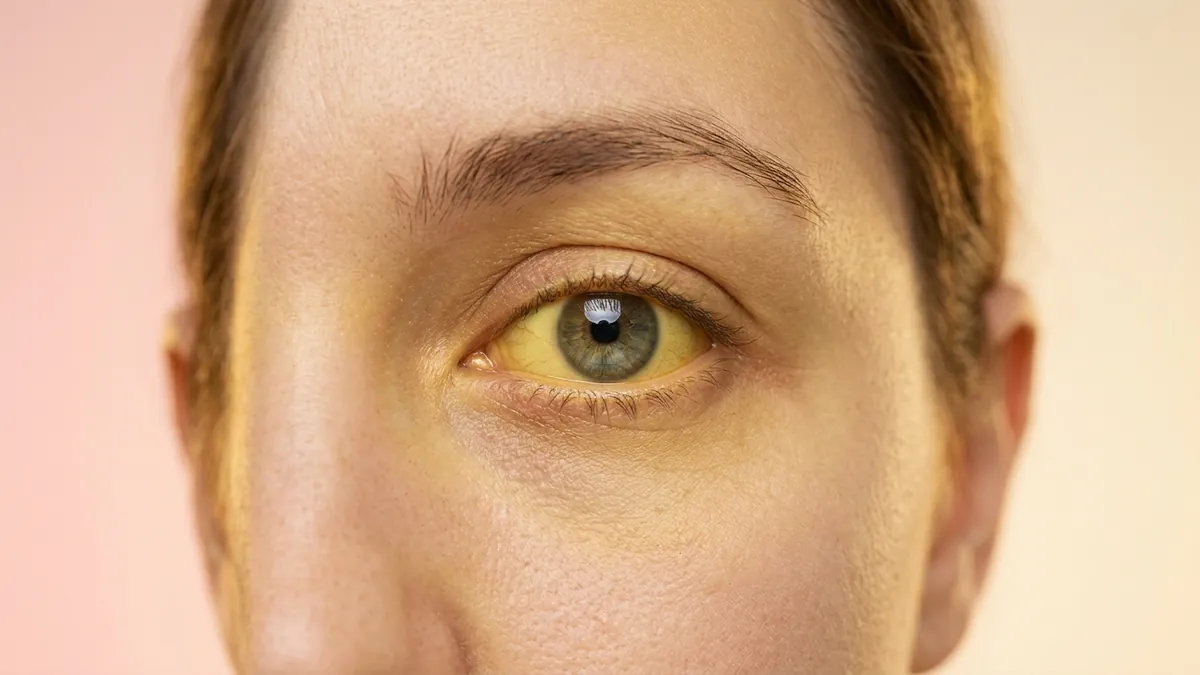
When a twenty-four-year-old graduate student named Liam walked into my clinic on a Monday morning, he was staring anxiously at lab results on his phone after his roommate noticed a faint lemon-yellow tint in the whites of his eyes following exam week. He had survived for three days on black coffee, four hours of sleep, and skipped lunches, and seeing a flagged red bilirubin number made him fear sudden liver failure. Once I reviewed his completely normal liver enzymes and explained what was really happening, the relief on his face was unforgettable.
Searching online for Gilbert syndrome symptoms: clinical meaning, causes, normal ranges & next steps is exactly how millions of healthy teens and adults first learn about this harmless inherited trait. Roughly 3% to 10% of people across the United States, the United Kingdom, Canada, and Australia have Gilbert syndrome, yet most have no idea they carry it until a routine blood test flags a mildly elevated pigment level. Pretty surprising, right?
Think about it for a second: being told you have a "syndrome" involving your liver sounds scary until someone walks you through the biology in plain English. Let us look closely at what your blood numbers actually mean, why everyday habits trigger brief flares, and how we doctors partner with you at your Primary Care Physician (PCP) or family GP clinic to keep you feeling your best.
📌 Key Takeaways at a Glance
- Completely harmless liver trait: Gilbert syndrome is a mild inherited variation in how your liver processes natural pigment—it never causes liver damage, scarring (cirrhosis), or liver failure.
- Subtle or absent symptoms: Up to one-third of people experience zero symptoms, while others only notice brief yellowing in the whites of the eyes (scleral icterus) during fasting, dehydration, stress, or colds.
- Classic lab signature: Total bilirubin typically sits mildly high at 1.3 to 3.0 mg/dL (22 to 51 µmol/L)—mostly unprocessed pigment—while all other liver function tests and blood counts remain completely normal.
- No daily treatment required: Eating regular balanced meals, drinking plenty of water, and getting steady sleep naturally prevent most bilirubin spikes without pills or procedures.
- Medication check matters: Always mention Gilbert syndrome to your doctor and pharmacist before starting certain specialist prescriptions that rely on the same liver enzyme pathway.
What Are Gilbert Syndrome Symptoms and What Do They Mean Clinically?
Gilbert syndrome symptoms are typically absent or limited to brief, harmless episodes of mild yellowing in the whites of the eyes and skin (jaundice) when unconjugated bilirubin temporarily rises. Clinically, this inherited liver trait is completely benign, causes zero liver scarring, and requires no ongoing medical treatment.
When people look up gilbert s syndrome symptoms, the single classic physical sign is intermittent yellowing that shows up earliest in the whites of your eyes (scleral icterus) and occasionally as a faint golden undertone on your skin. Unlike serious liver or bile duct blockages, your urine stays its normal pale straw yellow—not dark cola or strong tea brown—and your skin does not break out in severe, relentless itching. In fact, roughly 30% of people with this trait never see yellow eyes at all and only find out during a pre-employment checkup, sports physical, or routine wellness panel.
What about the other symptoms of gilbert syndrome you might hear people talk about? During a flare, many patients tell us doctors they feel wiped out, mildly foggy-headed, slightly nauseated, or aware of a vague heaviness in their stomach. Have you ever wondered why those feelings pop up alongside yellow eyes? Clinical studies show that the pigment rise itself rarely hurts your body; instead, the very triggers that push bilirubin upward—like fighting off a flu bug, skipping meals, or running on empty sleep—are usually what make you feel drained. Makes sense, right?
What Causes Gilbert Syndrome Inside Your Body and Liver?
Look at what happens inside your bloodstream every single day: your red blood cells work hard carrying oxygen for about 120 days before naturally retiring and breaking down. A byproduct of that normal recycling process is a yellowish-orange pigment called unprocessed bilirubin (unconjugated or indirect bilirubin). Because this raw pigment does not dissolve easily in water, it hitches a ride through your blood to your liver so your liver can package it for disposal in your stool.
Inside your liver cells sits a specific packaging enzyme called uridine diphosphate-glucuronosyltransferase 1A1 (UGT1A1). In Gilbert syndrome, you inherit a tiny, harmless spelling variation in the promoter region of your UGT1A1 gene—usually passed down quietly from both parents. That genetic quirk slows your liver's bilirubin packaging speed down to roughly 30% of average capacity. Imagine a busy supermarket where two checkout lanes are open instead of six: on a quiet Tuesday morning, shoppers breeze right through, but if a holiday crowd rushes in all at once, a short, temporary line forms.
Why do most people first notice this in their late teens or twenties rather than childhood? Rising puberty hormones subtly shift how your liver handles bilirubin, unmasking that slower checkout lane right around high school, university, or early career years. Most importantly, your actual liver cells remain 100% healthy, resilient, and completely free of inflammation.
Why Do Symptoms of Gilbert Syndrome Flare Up Suddenly?
Be honest, you have probably powered through a packed workday on coffee alone or skipped dinner when stressed, haven't you? Remember how we talked about that slower UGT1A1 checkout lane a moment ago? Whenever your body either recycles slightly more red blood cells or temporarily slows down liver packaging, unprocessed bilirubin backs up just enough to tint your eyes for a few days.
We doctors see the exact same everyday triggers spark harmless flares again and again:
- Skipping meals, crash diets, or fasting: Going long stretches without calories—including strict intermittent fasting or low-calorie juice cleanses—sharply reduces UGT1A1 activity and releases fatty acids that compete with bilirubin for liver uptake.
- Dehydration: Sweating through a summer heatwave, flying long-haul, or forgetting your water bottle concentrates pigment in your bloodstream.
- Common viral illnesses: Colds, seasonal flu, sore throats, or mild stomach bugs temporarily stress your metabolism and spike bilirubin.
- Poor sleep and emotional stress: Pulling all-nighters, work deadlines, exam anxiety, or jet lag frequently precedes a mild flare.
- Strenuous workouts, menstruation, or alcohol: Running a half-marathon, heavy weightlifting, monthly hormonal shifts during periods, or a night of heavy drinking can all nudge levels upward.
See? Once you drink water, eat steady meals, and catch up on sleep, that temporary line clears out and your eyes brighten right back to normal within days.
What Are Normal Bilirubin Ranges and How Do Doctors Diagnose It?
When you visit your Primary Care Physician (PCP) or family GP clinic, confirming Gilbert syndrome is refreshingly straightforward and rarely requires invasive procedures. Because laboratories in the United States report bilirubin in milligrams per deciliter (mg/dL), while clinics in the United Kingdom, Canada, and Australia use micromoles per liter (µmol/L), we doctors check both total and split (fractionated) bilirubin alongside a full liver blood panel (liver function tests or LFTs):
- Normal Total Bilirubin: 0.2 to 1.2 mg/dL (3 to 20 µmol/L).
- Normal Direct (Conjugated) Bilirubin: Less than 0.3 mg/dL (less than 5 µmol/L), making up less than 20% of your total bilirubin.
- Typical Gilbert Syndrome Baseline: Total bilirubin sits mildly elevated between 1.3 and 3.0 mg/dL (22 to 51 µmol/L), with more than 80% in the unprocessed (unconjugated) form.
- Temporary Flare Peaks: During illness or fasting, total bilirubin can jump to 3.5 to 5.0 mg/dL (60 to 85 µmol/L), though it almost never exceeds 6.0 mg/dL (100 µmol/L).
To make a confident clinical diagnosis without unnecessary anxiety, your doctor verifies two crucial things: first, that every other liver marker—ALT, AST, alkaline phosphatase (ALP), GGT, and albumin—is completely normal; and second, that a complete blood count (CBC / full blood count) and immature red cell check (reticulocyte count) show no rapid red blood cell breakdown (hemolysis). If repeat blood work taken two to four weeks later while well-hydrated and fed shows the exact same healthy pattern, Gilbert syndrome is confirmed—no liver biopsy or expensive genetic test needed unless results look atypical.
How Does Gilbert Syndrome Compare to Other Causes of High Bilirubin?
When you see an abnormal yellow flag on your lab portal, knowing how harmless Gilbert syndrome differs from conditions that truly need medical treatment gives you instant peace of mind. What do you think separates a routine flare from something your doctor needs to investigate further? This quick side-by-side guide breaks down each finding and your clearest next step:
| Finding, Trigger, or Condition | Clinical Meaning & Practical Next Step |
|---|---|
| Mild Eye Yellowing After Fasting, Poor Sleep, or a Cold | Classic, harmless Gilbert syndrome flare caused by temporary backlog of unprocessed (unconjugated) bilirubin while your liver remains healthy. What you should do: Rehydrate with water, eat regular balanced meals with complex carbohydrates, rest well, and watch the yellow tint fade within several days. |
| Isolated Unconjugated Bilirubin (1.3–3.0 mg/dL / 22–51 µmol/L) With Normal ALT & AST | Textbook lab signature of Gilbert syndrome when your complete blood count shows healthy hemoglobin and zero signs of red blood cell breakdown. What you should do: Review results with your Primary Care Physician (PCP) or family GP clinic to confirm the diagnosis in your chart so future doctors do not order unnecessary tests. |
| Elevated Direct (Conjugated) Bilirubin With Dark Tea-Colored Urine | Does NOT fit Gilbert syndrome; points toward slowed bile drainage from gallstones, bile duct inflammation, or active liver cell irritation. What you should do: Book a prompt medical visit at your GP clinic or local Urgent Care center for liver imaging (such as a referral for an abdominal ultrasound) and targeted blood tests. |
| High Unconjugated Bilirubin Paired With Low Hemoglobin (Anemia) | Suggests your red blood cells may be breaking down faster than the normal 120-day cycle (hemolysis), overloading even a healthy liver. What you should do: Have your family doctor check a reticulocyte count, haptoglobin, and blood smear, and arrange a hematology specialist referral if needed. |
| Starting Certain Prescription Drugs (Irinotecan, Atazanavir, Gemfibrozil) | Select specialist medications depend heavily on or block the UGT1A1 enzyme, raising drug side-effect risks or causing sharper bilirubin spikes. What you should do: Inform your prescribing doctor and pharmacist that you have Gilbert syndrome before starting any new prescription, antiviral, cholesterol tablet, or chemotherapy drug. |
What Next Steps, Diet Habits, and Medication Checks Keep You Feeling Best?
Once your family doctor confirms Gilbert syndrome, you never need daily pills, restrictive liver cleanses, or ongoing specialist appointments. Instead, simple everyday habits keep your UGT1A1 pathway humming smoothly. Aim for steady, nourishing meals every four to five hours—think warm oatmeal or porridge with berries for breakfast, a whole-grain wrap or chicken salad at lunch, and grilled salmon, beans, and colorful vegetables at dinner. Keep a reusable water bottle on your desk or in your gym bag, especially during summer heatwaves or sports workouts, and choose moderate exercise warm-ups over sudden, depleted crash training.
What about everyday pain relievers and prescriptions? Always list Gilbert syndrome on clinic and pharmacy intake forms. Specialist medications such as the cancer medicine irinotecan, HIV antivirals atazanavir and indinavir, and the lipid drug gemfibrozil directly interact with UGT1A1 and require close medical guidance. People also frequently ask about acetaminophen or paracetamol (such as Tylenol or Panadol). Because other liver pathways handle most standard doses, occasional short-term use strictly within package limits is generally tolerated by healthy adults—just check with your doctor or pharmacist first, never exceed daily maximums, and never combine tablets with alcohol.
And here is a bonus we doctors love sharing: unprocessed bilirubin is actually a powerful natural antioxidant in human blood! Large population studies across North America, Europe, and Australia consistently show that people with Gilbert syndrome have noticeably lower rates of clogged heart arteries and cardiovascular disease than the general public. We rarely expect good news from an out-of-range lab result, do we?
✔️ What You Should Do & ❌ What to Avoid
- ✔️ Eat regular, balanced meals: Include steady sources of complex carbohydrates, lean protein, fruits, and vegetables throughout the day to keep your liver packaging enzyme active.
- ✔️ Stay well hydrated daily: Drink plenty of plain water—and add extra fluids during fevers, workouts, flights, or hot weather—to prevent pigment concentration.
- ✔️ Tell every doctor and pharmacist: Mention Gilbert syndrome before starting new prescriptions and so new clinicians recognize why your baseline bilirubin runs slightly high.
- ❌ Avoid crash diets and prolonged fasting: Skip extreme juice cleanses, very-low-calorie diets, or 18-hour fasting windows that reliably trigger eye yellowing and fatigue.
- ❌ Avoid "liver detox" supplements: Unregulated herbal cleanses do nothing to speed up UGT1A1 and can genuinely injure healthy liver cells.
- ❌ Avoid binge drinking and sleep deprivation: Heavy alcohol intake and back-to-back late nights strain your liver and trigger avoidable flares.
🚨 When to Seek Immediate Emergency Care (Red-Flag Symptoms)
If you or someone near you develops any of these red-flag symptoms, do not wait — call 911 (US & Canada), 999 or 111 (UK), or 000 (Australia) immediately or go straight to the nearest hospital Emergency Room (ER / A&E):
- Severe pain in your upper-right abdomen or back, especially if paired with high fever, shivering chills, or persistent vomiting (which can signal a blocked gallbladder duct or infection, not Gilbert syndrome).
- Dark cola-colored or strong tea-colored urine accompanied by pale, chalky, or clay-colored stools and intense all-over skin itching.
- Deepening, bright yellow jaundice across your entire body that keeps worsening over several days rather than fading with food and water.
- New confusion, extreme drowsiness, slurred speech, or shaky hands alongside yellowing eyes or skin.
- Unexplained easy bruising, bleeding gums, vomiting blood, or black tarry stools.
💡 Key Take-Home Message
- Gilbert syndrome is a benign, lifelong genetic quirk—not a progressive liver disease—and your life expectancy is completely normal (with potential heart-protective antioxidant perks).
- Mild eye yellowing after skipping meals, losing sleep, or catching a cold is harmless and settles naturally with steady meals, hydration, and rest.
- Any new symptoms like dark urine, pale stools, fever, or sharp right-sided belly pain never belong to Gilbert syndrome and always deserve prompt medical evaluation.




No comments yet. Be the first to share your question or experience below.