
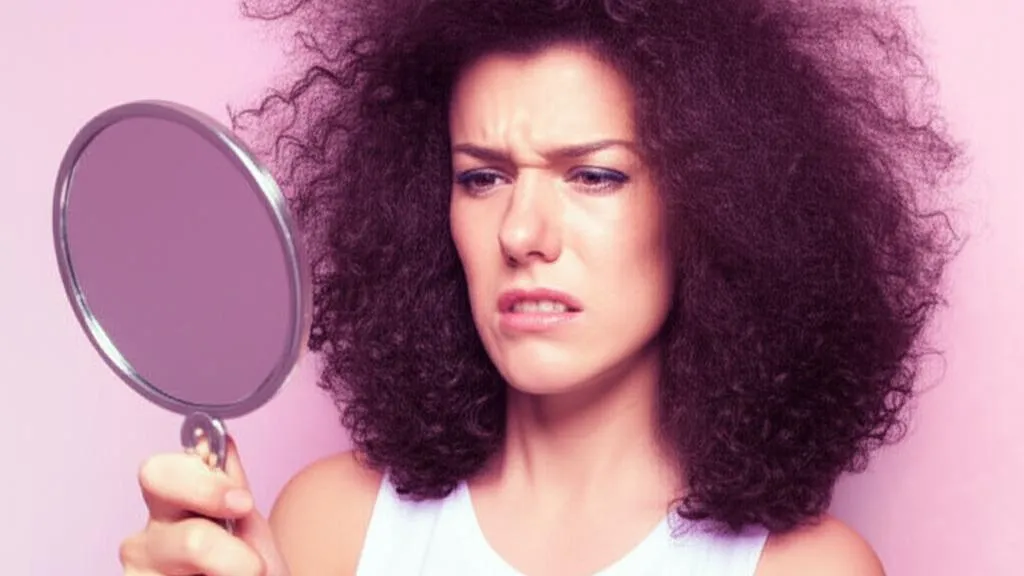
You brush your hair carefully, style it just right, and step outside. But within a few minutes, you look in the mirror and notice your hair has puffed up, with tiny stray strands sticking straight out in every single direction.
Does this frustrating daily experience sound familiar to you? Most of us deal with this annoying hair problem, which we commonly call frizzy hair.
Have you ever wondered why your hair puffs up and gets so messy? Today, we will talk about why this happens and what simple steps you can take to keep your hair smooth and healthy.
Key Takeaways for Managing Frizzy Hair
- Frizzy hair happens mainly because your strands lack moisture and your protective hair layer opens up.
- Never brush your hair when it is completely dry to prevent breakage and extra puffiness.
- Choose hair products that contain proteins and are free from drying alcohols.
- Protect your hair from extreme heat by limiting flat irons and curling irons.
- Talk to a hair stylist or a skin doctor if you notice unusual hair dryness or scalp problems.
Why Does Hair Actually Get Frizzy?
To truly understand frizz, we need to learn a few simple facts about the natural structure of a single hair strand. Think of an person hair strand as being similar to a roof covered with overlapping tiles.
The protective outer layer of each hair strand is called the cuticle. In healthy and smooth hair, these tile-like cuticle pieces lie flat, neat, and tightly closed on top of each other.
This smooth alignment is what gives your hair a gorgeous natural shine and keeps it free from tangles. However, various everyday triggers cause these protective tile pieces to lift up and open wide.
When the cuticle opens up, your hair loses its smooth texture, looks dry and rough, and starts puffing up into a messy cloud. There are two main reasons why this frustrating process happens:
1. Dry Hair Strands: Frizzy hair is essentially very dry hair that lacks proper hydration. When your hair does not have enough moisture inside, the protective cuticle layer naturally lifts and stands up.
2. Humid Weather and Air Moisture: On days when the surrounding air has high humidity and moisture, your dry hair tries to soak up that extra moisture from the air. This process is very similar to how a dry kitchen sponge eagerly sucks up water when you touch it to a puddle.
When your hair absorbs moisture from humid air, the cuticle layer swells and lifts even more, causing your style to puff up quickly. Because of these science-backed reasons, your hair often gets messy no matter how much effort you put into styling it in the morning.
Practical Tips to Control and Prevent Frizzy Hair
Now that you know the root causes, what can you actually do to tame this troublesome frizzy hair? Here are several very simple yet highly effective tips that you can easily try at home starting today.
How You Wash and Dry Your Hair Matters
Many people accidentally damage their hair strands and increase frizz during the washing and drying routine without even realizing it.
- Never brush dry hair: This is arguably the most important rule of all. Avoid running a dry comb or brush through your hair after it has dried completely. Doing so rips open the delicate cuticle layer we talked about earlier, causing your hair to stretch, snap, break, and puff up even more. The best habit is to gently squeeze out excess water with a soft towel right after a shower, and detangle your hair while it is still damp using a wide-tooth comb or your fingers.
- Use a nourishing conditioner: After gently detangling your damp hair, take a small amount of your favorite conditioner or a lightweight anti-frizz cream and smooth it evenly through your strands. Once you apply this product, put your comb away and avoid running it through your hair again.
- Limit the use of blow dryers: High heat robs your hair of its natural moisture and makes dryness much worse. Therefore, try to limit using heated styling tools like flat irons and curling irons as much as possible. If you must use a blow dryer, attach a diffuser nozzle to it and use the lowest heat setting available. Another smart trick is to leave the fragile ends of your hair alone and only blow dry your hair roots close to your scalp. This simple method gives your hairstyle a nice lift while protecting the long lengths of your hair from heat damage.
What Products Should You Apply for Frizzy Hair?
Choosing the right hair care products makes a massive difference in your daily battle against frizz.
Simply put, frizzy hair is hair that lacks proper moisture and hydration. Therefore, your primary daily goal should always be feeding your hair the moisture it desperately needs.
- Choose a protein-rich conditioner: Check the ingredient label on your regular hair conditioner to see if it contains added proteins. Protein-infused conditioners help smooth down puffed-up cuticles while giving your locks a wonderful natural shine.
- Natural oils are your best friends: Natural oils like pure coconut oil or a specialized frizz-control cream work wonders for restoring moisture. Natural oils are often better than synthetic silicon products because natural oils absorb deep inside the hair shaft. Synthetic silicon products tend to sit as a heavy coating on top of the hair strand, which can sometimes make your hair look greasy or weighed down.
- Avoid alcohol-based hair products: When shopping for shampoos, conditioners, and hairsprays, always check the label to ensure they state alcohol-free. Alcohol is a harsh drying agent that strips moisture away from your hair. Using alcohol-heavy products will make your hair puff up and frizz much faster.
- What if your hair gets messy during the day? If your hair starts puffing up and acting wild halfway through a busy workday, try this quick trick. Dampen your hands with a few drops of water and gently smooth your palms over your hair to calm stray strands. Alternatively, put a tiny drop of children's detangling spray on your hands and lightly glide it over the surface of your hair. Because these formulas are very lightweight, they smooth your hair instantly without making it look oily or heavy.
| Things You Should Do (Do's) | Things You Should Avoid (Don'ts) |
|---|---|
| Detangle damp hair carefully using your fingers or a wide-tooth comb. | Never brush your hair vigorously after it has dried completely. |
| Choose moisturizing, protein-rich, and alcohol-free hair care products. | Avoid using hairsprays and styling mousses that contain drying alcohols. |
| Apply natural oils like coconut oil or a lightweight leave-in conditioner. | Avoid exposing your hair to frequent high heat from flat irons and curling irons. |
| Use a diffuser attachment on low heat if you must blow dry your hair. | Avoid undergoing harsh chemical straightening or relaxing treatments too often. |
Talk to Your Hair Expert
These practical tips will help you manage and reduce frizz in most daily situations. However, please remember that every person's hair texture is unique and different.
The best person to help you find solutions tailored specifically to your unique hair type is an experienced hair stylist. You can consult them to learn about professional salon treatments and products that match your specific hair needs.
Sometimes, severe hair dryness, breakage, and hair thinning can be linked to underlying nutritional deficiencies or other internal health concerns. If you experience persistent hair issues along with other bodily symptoms, scheduling an appointment with a qualified dermatologist is the wisest step to take.
When to Seek Immediate Medical Attention
While frizzy hair is usually a cosmetic concern, sudden hair loss, painful scalp sores, scaling, or severe hair breakage can signal an underlying medical condition. If you experience sudden, patchy hair loss, severe scalp inflammation, or systemic illness symptoms, contact your primary care doctor right away, call 911 (US/Canada) or 999 (UK), or visit your nearest emergency department (ER or A&E) if accompanied by severe allergic reactions or sudden systemic distress.
💡 Take-Home Message
Frizzy hair is primarily a sign of dry hair that desperately needs moisture. Therefore, your main treatment focus should always be keeping your locks hydrated.
Never brush your hair after it has dried completely. Make it a healthy daily habit to detangle your hair gently while it is still damp.
Select shampoos and conditioners that contain nourishing proteins and are completely free from harsh drying alcohols.
Protect your hair strands from extreme heat by limiting the use of flat irons, curling irons, and high-heat blow drying.
Talk to your hair stylist to discover products that fit your hair type, and consult a doctor if you notice persistent hair or scalp problems.






No comments yet. Be the first to share your question or experience below.