

You settle into bed after a long, exhausting day, hoping for a deep and peaceful night of sleep. Suddenly, your stomach starts acting up against you. Your gut feels bloated, makes loud rumbling sounds, and a sharp burning sensation creeps up into your chest. This uncomfortable cycle quickly steals away your valuable rest and leaves you tossing and turning until morning. If this sounds familiar, you are certainly not alone. Millions of people around the world struggle with this exact frustrating nighttime issue.
In medical terms, doctors call this condition indigestion, or dyspepsia. While having stomach discomfort at night can feel alarming and exhausting, you do not need to panic. Making a few simple, everyday changes to your habits can help you control these symptoms and finally get a good night of sleep. Let us explore everything you need to know about understanding, managing, and preventing nighttime indigestion so you can protect your health and well-being.
Key Takeaways for Your Gut Health
- Indigestion and heartburn often flare up at night because lying down makes it easier for stomach acid to flow upward.
- Eating heavy, fatty, spicy, or acidic meals late at night is one of the leading triggers for nighttime stomach pain.
- Finishing your dinner two to three hours before bedtime gives your stomach and gut enough time to process food properly.
- Simple daily habits like eating slowly, managing stress, and choosing fiber-rich foods can dramatically improve your digestion.
- If your symptoms persist or worsen despite lifestyle changes, you should consult a doctor right away for professional guidance.
Sleep cycle calculator. Find optimal wake-up times based on 90-minute sleep cycles to wake up refreshed and avoid sleep inertia.
What Are These Annoying Symptoms Ruining Your Sleep?
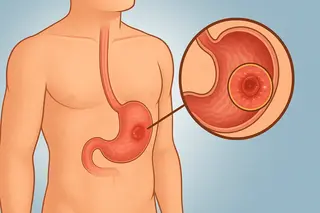
When you suffer from indigestion, falling asleep and staying asleep becomes a major challenge. How can you possibly relax when your upper body feels uncomfortable and tense? Understanding what is happening inside your stomach and gut is the first step toward finding lasting relief. When digestion slows down or gets disrupted in the evening hours, your body sends out clear warning signs.
People who experience nighttime indigestion often notice several common physical signs and sensations. Recognizing these specific clues helps you pinpoint the exact nature of your discomfort. Here are the most frequent symptoms that disrupt your precious night of sleep:
- A persistent burning sensation or dull ache in your upper stomach area right below your ribs.
- Feeling overly full, bloated, and stuffed even hours after you finished your evening meal.
- A uncomfortable buildup of gas and pressure in your stomach and gut that makes you feel uneasy.
- Occasional constipation or irregular bowel habits that make your entire digestive tract feel sluggish.
- A sudden wave of mild nausea or an uneasy feeling in your stomach as you try to lie down.
If you learn to recognize these symptoms early, you can take action before they ruin your entire night. Managing these warning signs effectively means you can finally enjoy restful, uninterrupted sleep.
Let Us Talk About the Food and Drinks You Eat
Imagine this common scenario: you come home late and eat a heavy plate of greasy kottu, fried rice, or cheesy pizza right before bed. Your late-night meal is very often the primary culprit behind your stubborn stomach pain. What you eat and drink throughout the day has a massive direct impact on how well your stomach functions at night. To protect your sleep, you should try to avoid heavy eating for at least one to two hours before you lie down.
Different types of food affect your digestive system in unique ways. Some foods take a very long time to break down. This others irritate the delicate lining of your stomach and gut. The table below outlines common dietary triggers and explains exactly how they cause discomfort in your body.
| Unhealthy Food or Drink Type | How It Causes Stomach Pain and Indigestion |
|---|---|
| High-Fat and Greasy Foods | These heavy items take a long time to digest, which slows down stomach emptying and triggers uncomfortable bloating and heartburn. |
| Gas-Producing Vegetables | Foods like broccoli, cabbage, cauliflower, and baked beans can increase gas buildup in your gut. Pay attention to which foods your body tolerates poorly. |
| Coffee and Fizzy Drinks | Caffeine and carbonated beverages introduce extra air into your digestive tract and relax the valve that keeps stomach acid down. |
| Citrus Fruits, Tomatoes, and Spicy Foods | These acidic or hot ingredients irritate your stomach lining and greatly increase your risk of painful heartburn at night. |
| Alcohol and Smoking | Both alcohol and nicotine damage the protective lining of your stomach, making acid reflux and indigestion much more severe. |
| Certain Pain Relievers | Aspirin and anti-inflammatory drugs can cause stomach irritation or ulcers. Never take these daily without consulting your doctor first. |
Simply put, eating a light dinner early in the evening is your best defense. When you eat too fast while talking or swallowing air, you introduce extra gas into your digestive tract. Try to slow down during meals and enjoy your food peacefully.
Add These Good Habits to Your Daily Life
Overcoming nighttime indigestion requires more than just eliminating bad foods from your diet. You also need to build positive daily habits that support smooth and healthy digestion. Small adjustments to your daily routine can create profound improvements in how your stomach feels every single night.
By making these healthy choices part of your lifestyle, you give your digestive system the support it needs to function at its absolute best:
- Eat smaller, frequent meals: Instead of eating two or three giant meals a day, try eating four or five smaller portions. Smaller meals reduce the workload on your stomach and make digestion much easier.
- Chew your food slowly: Take your time with every bite and chew your food thoroughly. Chewing breaks food down early and reduces the physical burden on your stomach and gut.
- Choose high-fiber foods: Add plenty of vegetables, fresh fruits, and leafy greens to your meals. Fiber keeps your digestive tract moving smoothly and prevents sluggishness.
- Time your exercise wisely: Exercise is fantastic for your health, but avoid intense workouts right after eating. Wait at least one hour after a meal before engaging in physical activity.
- Lower your daily stress levels: Mental stress is a major trigger for stomach issues and indigestion. Practice calming techniques like deep breathing, gentle yoga, or meditation to relax your mind and body.
What to Do About Heartburn?
Sometimes, harsh acid from inside your stomach travels upward into your food pipe. Doctors call this burning sensation heartburn. In medical terms, chronic acid reflux is known as GERD, which stands for gastroesophageal reflux disease. If you struggle with this painful condition, trying specific practical adjustments can make a tremendous difference:
- Elevate your head while sleeping by using an extra pillow or raising the head of your bed slightly.
- Avoid known trigger foods like peppermint, chocolate, garlic, onions, and tomato-based sauces.
- Wear loose, comfortable clothing that does not put unnecessary pressure on your abdomen.
- Never lie down right away after finishing a meal. Always wait at least two to three hours before going to bed.
Medicines You Can Take Under Doctor Guidance
If your symptoms feel severe or if home remedies do not provide enough relief, you should schedule a visit with your doctor right away. A qualified doctor can properly evaluate your condition and recommend safe, effective medicine tailored to your specific needs. Never guess or buy random medicines from a pharmacy counter without professional medical advice.
Doctors typically choose from several standard classes of medicines to treat indigestion and acid reflux effectively. Review the table below to understand how these common treatments work in your body.
| Medicine Category | How It Works and Common Examples |
|---|---|
| Antacids | These are usually the first medicines doctors try. They neutralize existing stomach acid quickly. However, they are not meant for long-term daily use without supervision. |
| H2 Receptor Antagonists (H2RAs) | These medicines reduce the total amount of acid your stomach produces. Common examples prescribed by doctors include cimetidine and famotidine. |
| Proton-Pump Inhibitors (PPIs) | PPIs are powerful drugs that block acid production for longer periods. Common examples include omeprazole, esomeprazole, and lansoprazole. |
Important medical note: Always use prescription and over-the-counter medicines strictly under your doctor's supervision.
Every medicine carries a small risk of side effects, such as mild headaches, diarrhea, or constipation. Taking strong acid-suppressing drugs for long periods without medical guidance can also lead to other nutritional or health problems. Therefore, you should always follow your doctor's specific instructions and schedule regular follow-up visits.
Important Things to Remember
Dealing with nighttime indigestion can be exhausting, but taking proactive steps can transform your health and restore your sleep. Here is a quick review of the most crucial points to keep in mind:
- If stomach pain wakes you up at night, your daily diet and eating habits are likely the main root cause.
- Eat your evening meal two to three hours before bedtime and choose light, low-fat options.
- Stay away from alcohol, smoking, coffee, and carbonated fizzy drinks that irritate your gut.
- Chew your food slowly, practice mindful eating, and find healthy ways to manage your daily stress.
- If home care does not relieve your symptoms, consult a doctor for proper testing and treatment.
When to Seek Emergency Medical Help
Most indigestion is harmless, but certain symptoms require immediate emergency care. Call 911 (US/Canada), 999 (UK), or go to your nearest Emergency Department (ER / A&E) right away if you experience:
- Severe, crushing chest pain that radiates to your jaw, neck, back, or left arm.
- Sudden shortness of breath, heavy cold sweats, lightheadedness, or dizziness.
- Vomiting bright red blood or material that looks like dark coffee grounds.
- Passing black, tarry, or bloody stools without a clear explanation.
- Severe, sudden abdominal pain that feels unlike anything you have felt before.





No comments yet. Be the first to share your question or experience below.