
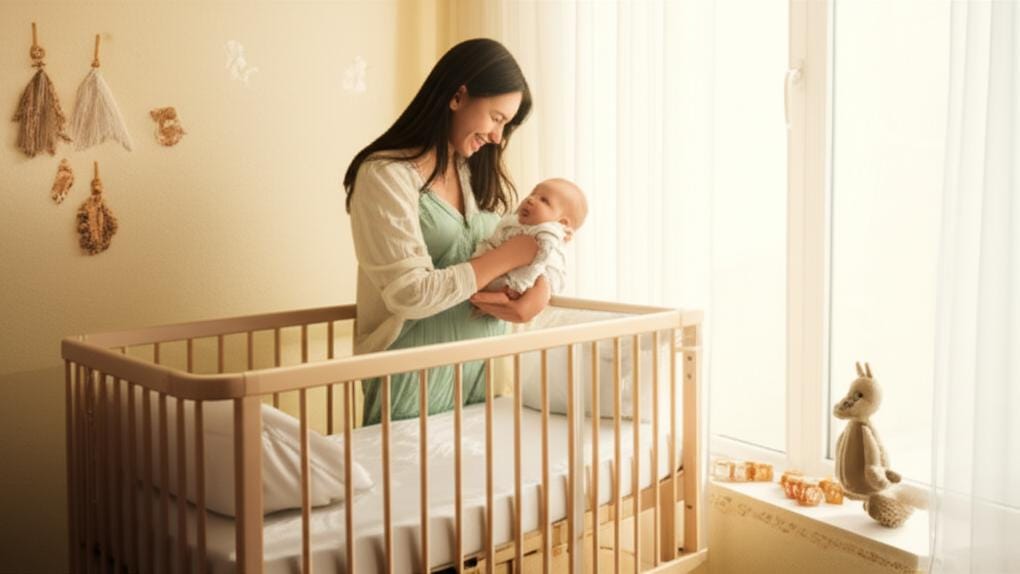
Expecting a new baby brings unmatched joy and excitement to your home. You spend months dreaming of their arrival and preparing every detail for their nursery. Naturally, you want the room to look beautiful, cozy, and welcoming for your little one.
However, in our rush to create the perfect space, we often overlook how certain room materials can impact infant health. Not every product that looks pretty or smells fresh is safe for a newborn baby. Today, we will explore how you can style a gorgeous nursery while keeping it eco-friendly and one hundred percent safe for your child.
Key Takeaways for a Safe Nursery
- Choose Zero-VOC or Low-VOC paints to protect your baby from harmful chemical fumes.
- Select solid wood furniture instead of pressed-wood particle boards that may contain formaldehyde.
- Keep cribs completely clear of blankets, pillows, quilts, and bumpers to prevent SIDS risks.
- Use natural organic cotton fabrics and simple washable washcloths with water instead of chemical wipes.
- Maintain good ventilation and consult your doctor right away if your baby shows any breathing difficulties or unusual symptoms.
BMI Calculator
Know your body mass index (BMI) and weight classification
Making Your Baby Room Beautiful While Protecting Safety
Painting the walls and buying cute nursery furniture are usually the first steps you take. However, you must look closely at the materials you bring into your baby's room. Newborn babies have developing lungs and sensitive skin that react strongly to toxins.
Choose Your Paint Twice
Fresh paint makes a room look bright and clean. Unfortunately, standard paints often release harmful chemical substances into the air. These chemicals continue to evaporate into the room air even after the paint dries completely.
Health experts call these invisible chemicals volatile organic compounds, or VOCs. When you breathe VOCs, you might experience headaches, dizziness, or irritation in your eyes, nose, and throat. Over a long period, high exposure can harm internal organs like your liver and kidneys.
Infant bodies process airborne toxins much less effectively than adult bodies. Therefore, your baby is at a much higher risk of breathing discomfort and allergic reactions. Always look for paint cans labeled as Zero-VOC or Low-VOC.
"When selecting wall paints for your nursery, always check product labels for Zero-VOC certifications. Giving the room adequate time to air out before your baby sleeps there is a vital safety step recommended by pediatric health authorities."
If your home is older, especially houses built decades ago, old layers of paint may contain lead. Scraping old paint creates toxic dust that poses severe health hazards to your entire family. If you suspect lead paint, hire a professional painting contractor to handle safe removal.
Furniture and Flooring Considerations
When you shop for a crib, dresser, or changing table, you probably focus mostly on visual appeal. However, nursery furniture requires careful evaluation to ensure long-term safety for your child.
Here is a helpful comparison table to guide your furniture and flooring choices:
| Item Category | What to Avoid | Safe Recommended Choice |
|---|---|---|
| Nursery Furniture | Pressed-wood particle boards glued with resins containing formaldehyde. | Solid wood furniture finished with non-toxic, baby-safe sealants. |
| Used Cribs | Old drop-side cribs with wide slat spacing and outdated safety standards. | Modern cribs meeting current safety certifications and strict slat limits. |
| Baby Mattress | Mattresses treated with harsh chemical flame retardants and PVC covers. | Firm organic cotton or natural coconut fiber mattresses with breathable covers. |
| Floor Coverings | Wall-to-wall synthetic carpets that trap dust mites and chemical residues. | Hardwood, laminate, or tile floors with washable cotton rugs. |
Pressed wood products use glues that release formaldehyde into the indoor air. Formaldehyde is a known irritant and potential health hazard. Whenever possible, invest in sturdy solid wood items.
If you purchase a used crib from family or friends, verify its safety history. Older cribs often fail modern safety standards, creating risks of entrapment or falls. Always check recalled product databases maintained by consumer safety agencies before accepting second-hand sleep gear.
Your baby spends many hours sleeping on their mattress each day. Unpack new mattresses early and let them air out in a well-ventilated room to release manufacturing gases. Cover the mattress with a breathable, non-PVC waterproof protector to ensure safe and clean sleep.
Wall-to-wall carpets trap dust, pollen, pet dander, and chemical residues easily. Bare floors made of wood, tile, or smooth laminate are much easier to keep clean. If you want soft flooring for tummy time, use washable organic cotton mats instead.
Dressing Your Little One and Safe Sleep Rules
A newborn baby has extremely delicate skin that absorbs substances easily. Therefore, the clothes you choose matter just as much as the room decor.
Look for clothing made from certified organic cotton grown without synthetic pesticides or chemical fertilizers. Organic fabrics reduce skin irritation and keep your baby comfortable throughout the day and night.
Second-hand baby clothes are also a wonderful eco-friendly option. Because previous owners washed these garments many times, most residual manufacturing dyes and chemicals have already washed away.
Choose snug, comfortable sleepwear that fits your baby properly. Avoid loose-fitting garments that can twist around your baby during sleep.
Critical Safe Sleep Warning
To reduce the risk of Sudden Infant Death Syndrome, keep cribs completely bare. Never place heavy blankets, pillows, quilts, or padded bumper pads inside the crib. The American Academy of Pediatrics advises that your baby's sleep space should contain only a firm mattress and a fitted sheet.
Other Everyday Nursery Essentials
Beyond furniture and clothing, everyday items you use for diapering and cleaning impact your baby's indoor environment. Making smart swaps protects your baby from unnecessary chemical exposure.
Alternatives to Traditional Baby Wipes
Many commercial baby wipes contain synthetic fragrances, alcohol, and preservatives. Some wipes are bleached with chlorine during manufacturing, leaving trace chemical residues on the fabric.
A simple, natural, and cost-effective alternative is using soft cotton washcloths soaked in warm water. Keep a clean spray bottle of fresh water and a stack of cotton cloths near your changing table for easy diaper changes.
Safe Toys and Natural Cleaners
Babies explore their world by putting toys straight into their mouths. Choose wooden toys finished with non-toxic, water-based paints over cheap plastic items containing harmful softeners.
When cleaning the nursery, avoid harsh chemical sprays that leave toxic residues on surfaces. You can easily make an effective, natural cleaner at home using simple household ingredients.
Follow this simple DIY cleaning recipe:
- Two cups of warm water .
- Three tablespoons of pure liquid castile soap .
- Twenty to thirty drops of lemon juice or mild tea tree oil .
Mix these ingredients well and pour the solution into a clean spray bottle. Use this natural spray to wipe down nursery shelves, windowsills, and hard surfaces. It leaves the room smelling fresh without exposing your baby to aggressive synthetic chemicals.
When to Call Your Doctor or Seek Emergency Care
While creating a non-toxic nursery promotes wellness, you must monitor your baby's health closely. Contact your pediatrician or seek immediate medical attention if you observe any of the following emergency red flags:
- Difficulty breathing, fast breathing, or chest retractions (call 911 in the US/Canada, 999 in the UK, or visit your nearest Emergency Department / A&E right away).
- Unusual skin rashes, persistent coughing, or watery eyes after introducing new room furnishings or paints.
- Extreme lethargy, refusal to feed, or unusual irritability.
- Fever in a newborn under three months old (rectal temperature of 100.4°F / 38°C or higher).
💡 Take-Home Message
Designing a non-toxic nursery is a meaningful way to safeguard your baby's health. By making mindful choices, you create a nurturing and safe haven for your little one.
- Always select Zero-VOC or Low-VOC paints when decorating nursery walls.
- Choose solid wood furniture and inspect second-hand cribs carefully for safety compliance.
- Allow new mattresses to air out thoroughly before letting your baby sleep on them.
- Keep cribs completely bare of pillows, heavy blankets, and bumpers to prevent SIDS.
- Use organic cotton fabrics and simple water-moistened washcloths instead of chemical wipes.
- Clean surfaces with natural DIY solutions rather than harsh chemical sprays.
- Consult your pediatrician promptly if your baby experiences any health concerns.





No comments yet. Be the first to share your question or experience below.