
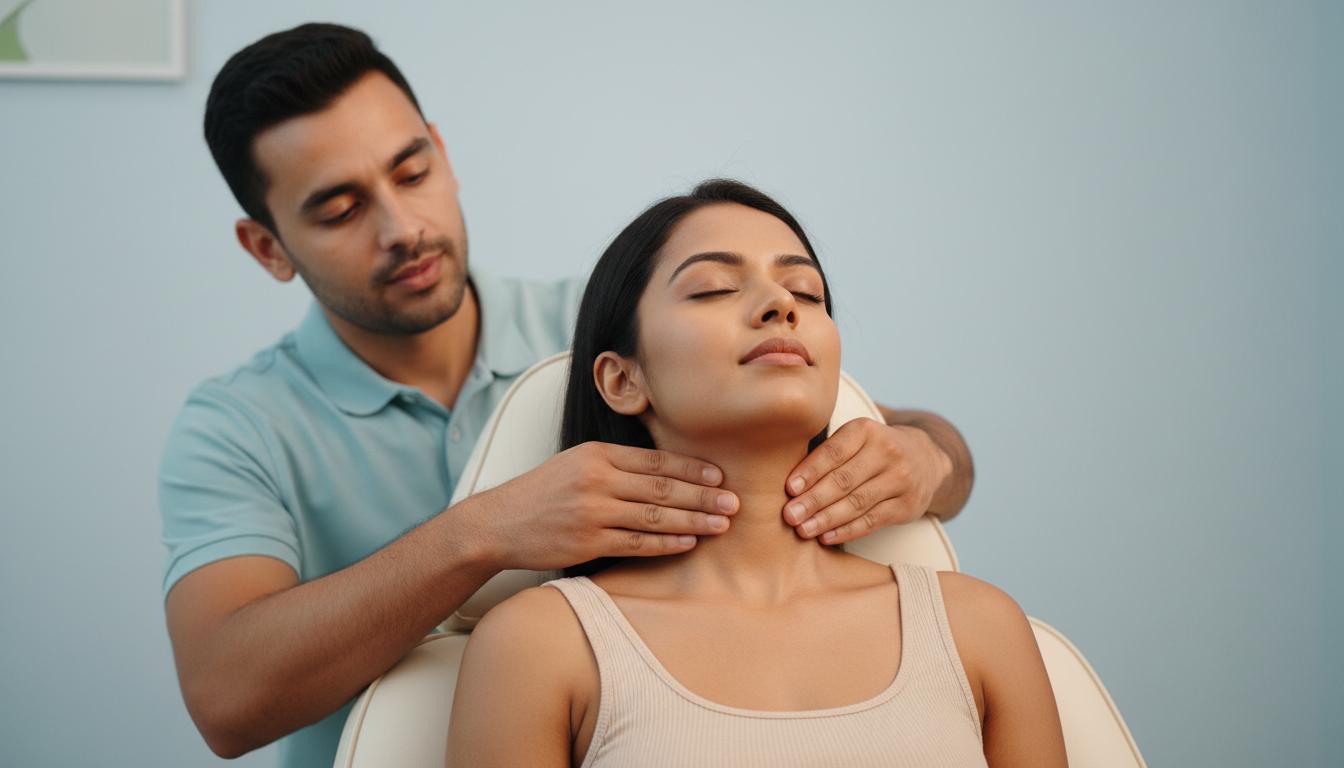
Do you often deal with a sore back or a stiff neck after sitting at your desk all day? You are not alone, as millions of people face this exact daily struggle. Sometimes, nagging issues like migraines or joint stiffness make you feel completely worn out and ready to try anything for relief. Taking standard pain medicine often gives you only a short break before the discomfort comes right back.
Did you know there is a specialized hands-on medical treatment designed specifically for muscle and bone pain? It is called Osteopathic Manipulation Treatment, or OMT for short. Let us take a simple, clear look at how this unique hands-on approach can help you feel better and move with ease.
Key Takeaways
- Hands-On Care: OMT uses skilled hand movements to ease tight muscles and align joints safely.
- Whole-Body Focus: Specially trained doctors look at your entire body and lifestyle, not just your symptoms.
- Wide Benefits: It helps with back pain, neck pain, headaches, breathing issues, and digestive discomfort.
- Gentle Process: Treatment should feel relieving and comfortable, never sharp or intensely painful.
- Medical Licensure: Practitioners are fully licensed medical doctors with specialized osteopathic training.
BMI Calculator
Know your body mass index (BMI) and weight classification
Simply Put, What is OMT?
OMT stands for Osteopathic Manipulation Treatment. In simple terms, it is a medical care method where a doctor uses their hands to move your muscles, joints, and soft tissues. Think of it as much more than a standard massage or a quick stretch at the gym. This care is performed exclusively by doctors who have completed rigorous specialized medical training.
The main goal of OMT is to find hidden imbalances in your bones, joints, and muscles. Once your doctor finds these tight spots, they gently guide your body back into proper alignment. This helps your body heal itself naturally without relying solely on pills or surgery.
Imagine your body is like a car. If your car wheels are out of alignment, the car pulls to one side and wears out your tires unevenly. In the exact same way, when your bones and muscles are out of balance, you experience pain and fatigue. OMT simply helps put your body back into proper alignment so everything runs smoothly again.
Who Performs This Care? DO vs. MD Doctors
OMT is primarily performed by doctors known as DOs, which stands for Doctors of Osteopathic Medicine. However, medical doctors with standard MD degrees who complete special training can also perform these techniques. Both types of doctors are fully licensed and trained medical professionals.
While both MD and DO doctors provide top-tier medical care, they approach patient health with slightly different perspectives:
MD (Medical Doctors): These are traditional doctors you likely grew up visiting. They diagnose illnesses and treat your symptoms using standard methods like prescription medicines, therapy, and surgical procedures.
DO (Doctors of Osteopathic Medicine): These doctors focus on your whole body, your mind, and your daily lifestyle rather than just treating a single symptom. They look at how every part of you connects. OMT is simply one special tool they use to help restore balance and health.
Who Can Find Relief With OMT?
Most people seek OMT for common issues like lower back pain, neck stiffness, and frequent headaches. However, this versatile treatment helps people manage many other health conditions. Patients of all ages, from newborn babies to older adults, can safely experience the benefits of OMT.
For example, pregnant women often use OMT to relieve stubborn lower back pain, hip pressure, and swelling. Parents sometimes bring in infants who struggle with colic, feeding difficulties, or frequent ear infections to find gentle, non-invasive comfort.
Here are several other health areas where OMT offers meaningful support:
| Body System or Issue | Common Examples Treated |
|---|---|
| Respiratory System | Asthma support, sinus congestion and infections. |
| Digestive System | Irritable Bowel Syndrome (IBS), chronic constipation. |
| Chronic Pain Conditions | Fibromyalgia discomfort, arthritis joint stiffness. |
| Bone and Muscle Issues | Joint pain, carpal tunnel syndrome, muscle tension. |
| Pregnancy Care | Leg swelling (edema), sharp sciatica nerve pain. |
| Sports Injuries | Repetitive stress injuries, strained athletic muscles. |
Did You Know? When OMT restores structural balance in your body, blood flow and nerve signals improve naturally. This helps your internal organs function better and keeps your overall health on track.
How Does an OMT Treatment Happen?
An OMT session takes place in clear, easy steps. Your doctor guides you through preparation, the treatment itself, and simple recovery habits.
1. Before Your Treatment
Your doctor starts by sitting down and having a detailed conversation with you. They ask about your daily symptoms, medical history, eating habits, sleep patterns, and stress levels. This gives your doctor a complete picture of your lifestyle and health.
Next, your doctor gently touches and examines different parts of your body to check for tight muscles and stiff joints. If needed, they might order an X-ray or an MRI scan before starting treatment to ensure absolute safety.
2. During Your Treatment
During the session, your doctor may ask you to sit on a chair, lie down on an examination table, or stand upright. They use their hands to feel your muscles and soft tissues while guiding your arms and legs through gentle movements.
Your doctor might ask you to pull your knees toward your chest or turn your body to one side. They apply gentle pressure, stretch tight muscles, and guide your joints back into proper position.
Some of these movements might feel a bit unusual at first. However, you should never feel sharp or severe pain. If any movement feels uncomfortable or hurts, let your doctor know right away so they can adjust their technique.
3. After Your Treatment
Every person responds differently to OMT. You might feel mild muscle soreness for a day or two after your session, similar to how you feel after a light workout. Some people feel wonderfully relaxed. This others feel an unexpected surge of fresh energy.
To help your body recover smoothly, follow these helpful tips:
- Drink plenty of water: Hydration helps flush out natural waste products released from your muscles during treatment.
- Take a short walk: Gentle walking helps your body adapt to its new, balanced posture.
- Avoid heavy exertion: Skip intense workouts and heavy lifting for 24 hours after your session to let your body settle.
How OMT Differs From Chiropractic Care and Physiotherapy
Many people confuse OMT with chiropractic care and physical therapy. While they share some similarities, each approach has distinct goals and methods.
| Treatment Method | Primary Goal and Approach | Who Performs It? |
|---|---|---|
| OMT | Looks at your whole body (mind, body, and spirit). Uses gentle hands-on movements to restore balance and help your body heal itself. | DO doctors or specially trained MD doctors. |
| Chiropractic Care | Focuses primarily on your spine and skeletal system. Often uses quick, high-velocity thrusts to reduce pain and improve joint movement. | Licensed Chiropractors. |
| Physical Therapy | Uses targeted exercise routines and physical activities to rebuild strength and movement after an injury or surgery. | Licensed Physical Therapists. |
An important distinction is that DO and MD doctors are fully licensed medical doctors who can prescribe prescription medicines, order advanced medical tests, and perform surgery if necessary.
When to Seek Emergency Medical Care
While back and neck pain are common, certain symptoms require immediate medical attention. Call 911 (US/Canada), 999 (UK), or go to your nearest Emergency Department right away if you experience sudden loss of bowel or bladder control, severe progressive numbness or weakness in your legs, chest pain, or severe pain following a major physical trauma or accident.
💡 Take-Home Message
- OMT is a safe, effective hands-on treatment performed by trained medical doctors.
- It helps restore natural balance to your muscles, joints, and soft tissues.
- It provides relief for back pain, neck pain, headaches, and many other health concerns.
- Mild muscle soreness after treatment is normal, but severe pain should never occur.
- Always talk with your doctor to find out if OMT is the right choice for your personal health needs.






No comments yet. Be the first to share your question or experience below.