

It's normal for a mother or father to feel very scared when your little one has a fever. "Oh, what's wrong with my son/daughter?" You may be worried, right? But did you know that a fever is not always a bad thing. Most of the time, it's a sign that our little immune system is fighting an illness. So today, let's talk about this fever in simple terms, what to do when it comes, and when to see a doctor.
What exactly is a fever? Why do little ones get fevers?
Simply put, a fever is when our body temperature rises above normal. To be precise, when a child's body temperature reaches 38 degrees Celsius (100.4 Fahrenheit) or higher, we call it a fever.
Imagine, when a germ, that is, a bacterium or a virus , enters our body, our body has parts like soldiers that fight them. When this fight begins, the body temperature increases due to various things that happen inside the body. In other words, a fever is not a disease, but a symptom of a disease . It's like the alarm goes off when a thief breaks into our house. The alarm is not the thief, but it tells us that a thief has come. That's how fever is.
Most often, children get fevers due to colds , throat infections , ear infections , and sometimes even after getting a vaccine . So, there's no need to worry too much when you get a fever.
How to recognize if a child has a fever? (Signs & Symptoms)
The easiest way to tell if your baby has a fever is to take their temperature using a thermometer . However, even if you don't have a thermometer, there are some signs that can help you tell if your baby has a fever.
See if your little one has these characteristics:
- When you touch your body, it feels hotter than usual. Feel your forehead, neck, and chest.
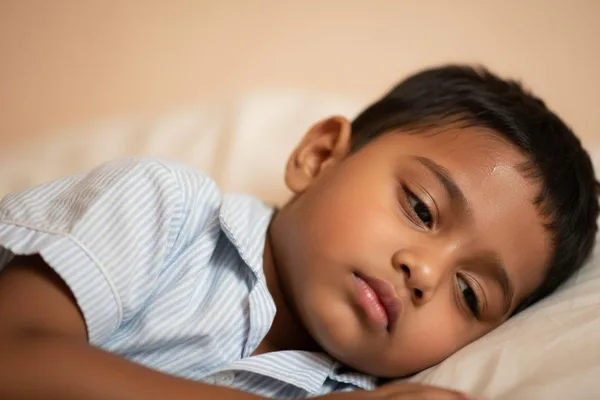
- The child is fussy, cries all the time, and seems unwell. He doesn't play or smile like he usually does.
- The face is red and the eyes seem to be a little shiny.
- Sometimes you may sweat. However, some children may not sweat at all when they have a high fever and may feel dry.
- They say they can't eat and can't drink milk.
- Appears more sleepy than usual.
If your child has one or more of these symptoms, they may have a fever. ButThe best way to know for sure if you have a fever is to take your temperature .
What should we do when we get a fever? (What to Do)
Okay, now let's say we've confirmed that Poditta has a fever. What do we do next? Don't worry, let's take a look at each one.
Special attention for babies under 3 months!
This is very important . If your baby is under 3 months old and has a temperature of 38 degrees Celsius (100.4 Fahrenheit) or higher, see a doctor immediately . If you can't get to a doctor right away, take him to the nearest hospital emergency room (ER) . Fever in young children is no joke, so prompt treatment is very important.
How do you make a child with a fever comfortable?
When an older child has a fever, our first priority should be to keep them comfortable.
- Don't send your child to school: It's not a good idea to send a child with a fever to school or daycare . Keep them home until the fever has completely subsided and their temperature has returned to normal, at least for 24 hours. This is good for the child and will help prevent the spread of the disease to other children.
- Give plenty of fluids: When you have a fever, your body can lose a lot of water through sweat. This can lead to dehydration . To prevent this, give your child small amounts of water frequently. In addition to water, you can also give them fresh fruit juice (with less sugar), porridge, and soup.
- Fever-reducing medicine (Paracetamol / Ibuprofen):
- If your child seems uncomfortable, you can give them Paracetamol or Ibuprofen as directed by a doctor. These are available in syrup form for children at pharmacies.
- Very important: Give the exact dose as prescribed by the doctor/madam. The dosage is often determined by the child's weight. Read the instructions on the package carefully, or ask the person at the pharmacy.
- > Warning! Do not give aspirin to small children and young children for any reason! Giving aspirin can cause a very dangerous, even life-threatening condition called Reye's Syndrome . Therefore, paracetamol or ibuprofen are safer.
- Don't name these things!
- Some people use rubbing alcohol to reduce fever. Please don't do that. It can harm the baby. Rubbing alcohol can also be absorbed through the skin.
- Likewise, bathing in ice water or soaking your body in very cold water is not good.Doing so may cause the baby to start shivering and increase their body temperature. It's okay to wash their body with plain or lukewarm water, but only if it's not uncomfortable for the baby.
- Be careful with clothing: Don't overdress your child or wrap them in thick clothing. Doing so can prevent heat from escaping, which can increase the fever. Wear light, cotton-like clothing and wrap them in a thin layer of cloth. Only wrap your child up a little more if he or she is feeling cold.
- About food and drink: It is normal to lose your appetite when you have a fever. If your child says they can't eat, don't force them to eat. Encourage them to eat a little of what they like. Giving them fluids is the most important thing at this time. After a while, their appetite will return.
- What if you have vomiting and diarrhea?: If you have a fever and are vomiting and have diarrhea, there is a high chance that you will lose a lot of water and salt from your body and become dehydrated . In such cases, it is best to consult a doctor and give him/her an Oral Rehydration Solution (ORS) like Jeevani.
- Rest is very important: Let a child with a fever get plenty of sleep and rest. When the body is rested, it is easier to fight the illness.
When should you definitely seek medical advice? (When to Get Medical Care)
Most of the time, the fever goes away in two or three days. However, there are times when we definitely need to see a doctor.
- If a baby under 3 months old has a fever (38 Celsius / 100.4 Fahrenheit or higher) (we've said this before, but it's very important).
- If an older child has any of these symptoms along with a fever:
- If the child seems very ill, if they seem lifeless, if the fever does not go down even after giving medicine, and if the child is in discomfort.
- If a rash suddenly appears on the skin.
- If you have persistent vomiting and/or diarrhea that lasts for several days.
- If you see signs of dehydration :
- If you are urinating less than usual (if you haven't urinated at all for 6-8 hours).
- If tears don't come when you cry.
- If your mouth and lips are dry.
- If you are feeling more sleepy than usual and less active.
- If the soft spot on the top of a baby's head (fontanelle) seems to be sunken in.
- If the fever persists for more than 5 days.
- If your child has another chronic medical problem , such as sickle cell disease , heart disease, kidney disease, or cancer , it is best to tell a doctor as soon as the fever develops.
- If the child suddenly has a fit/seizure.
- If it feels like it's hard to breathe, if it feels like your chest is going in when you breathe.
- If you say your neck is stiff and you can't bend it forward, if you say it's hard to look outside.
In a situation like this, don't waste time and see a doctor immediately.
Can you prevent a fever?
Oh, to be honest, every little one gets a fever at least once in their life. It's hard to stop it. Because they go to school, play with other kids, and then they can get all sorts of germs into their bodies.
However, we can do some things to protect them from diseases:
- Hand washing: It is very important to wash your hands with soap and water regularly, especially before eating, after using the bathroom, and after playing outside.
- Proper vaccination: Giving your child all the government-mandated vaccines on time can protect them from some dangerous diseases.
- Nutritious food: Feeding your child a nutritious diet strengthens their immune system.
But even doing these things doesn't mean that a fever won't develop. The most important thing is to not panic when a fever occurs, keep your child comfortable, and seek medical advice if necessary.
The most important thing to keep in mind (Take-Home Message)
So, we've talked a lot about the flu. I hope you have a good understanding of the flu now.
Remember, a fever is usually not dangerous. It's a sign that your child's body is fighting an illness.
As a mother or father, your responsibility is to:
1. Keeping the child comfortable: giving plenty of fluids, getting them to rest well, and giving paracetamol if necessary.
2. Identifying risk factors: Knowing exactly when you should definitely see a doctor.
3. Don't panic: If you panic, your child may become even more scared.
If you do these things right, you will be doing your little one a big favor. Everything will be fine soon. If you have any more questions, never be afraid to ask a doctor. They are there to help you.
👩🏽⚕️ Frequently Asked Questions (FAQ) from the Doctor
💬 How do I know for sure if my little one has a fever?
The best way to tell if a child has a fever is to take their temperature using a thermometer. A temperature of 38 degrees Celsius (100.4 Fahrenheit) or higher indicates a fever. If your child doesn't have a fever, you may want to think about a fever if your child feels warm to the touch, is fussing more than usual, is crying, is not playing, or has a red face and watery eyes.
💬 Why do these little kids always get fevers? Is that a bad thing?
A fever is not always a bad thing. It is actually a sign that our body's defense system is fighting an illness. It's like an alarm going off when a burglar breaks into the house. Young children often get fevers due to things like colds, throat infections, and ear infections. Sometimes, a low-grade fever can also occur after getting a vaccine. So, there's no need to worry too much when you get a fever.
` Fever, fever in children, fever treatment, paracetamol, ibuprofen, dehydration, pediatrics




💬 Comments (0)
No comments yet. Be the first to share your thoughts here.
Add Your Comment