
Let's read stories with your little one (Preschool Story Time) Let's get them used to books!

Let's read stories with your little one (Preschool Story Time) Let's get them used to books!

Your toddler is getting older, isn't he? Not like before, now they understand a lot of things, learn new things. Reading books to their little brains at this preschool age (around 3-5 years old) is a wonderful way to add something valuable to their whole life. In this article, we will talk about how important it is to read story books to these little ones, how it helps them develop, and how to make this activity enjoyable.
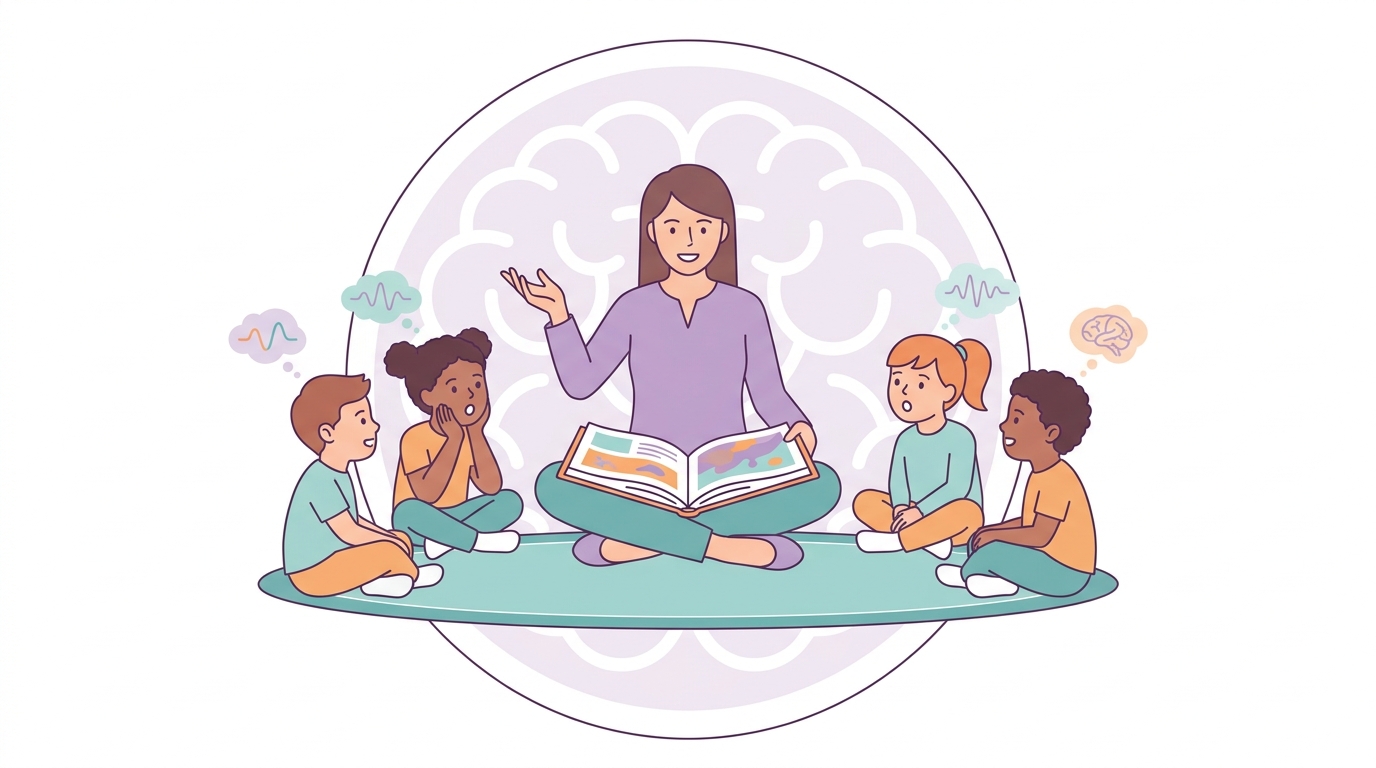
How to get kids ready to go to school and learn to read

How much more do your little ones know now than they did when they were toddlers? Even if they don't read books on their own yet, if you read to them regularly, they will learn a lot about reading almost automatically. Think of it like watering and nurturing a small plant, and it will grow into a big tree. The knowledge you impart from a young age will strengthen them to do great things in the future.

Here are some things they will learn:

  • They read books from beginning to end: They understand where to start and where to finish when they pick up a book.
  • Pictures should be on the right side: If the pictures in the book are flipped upside down, they will find it strange.
  • Reading is done from left to right: they pick up this pattern as we move our fingers along the letters.
  • They recognize that the language of books is a little different from the language we speak: the beautiful words in storybooks, the way sentences are structured.
  • They are slowly starting to realize that words have different sounds: even the same letter can have different sounds depending on where it is in a word.
  • That there are familiar words as well as new words: some words they have heard often, but some new words are also learned.
  • They understand that every story has a structure: that stories have a beginning, a middle, and an end.

These are all what we call early literacy skills . These are the most important foundation they need for the day they start reading books on their own. So, how can you help them develop these skills? Keep reading books out loud to them! That's the best thing.

As you read to your little ones, choosing books that cover a variety of topics, their vocabulary will improve. They will also learn about different things. Furthermore, they will understand:

  • Books are written words: they see that the things we talk about can be written in letters.
  • They see how letters come together in a specific order to form a word: the letters a, m, and ma in the word "mother" come together.
  • There are spaces between words: They recognize the way words are separated when reading a sentence.

All of this information will be a great help to them when they start reading at school.

When and how do you read books?

Many children at this age (3-5 years old) are already in daycare or preschool. However, reading a book at home is a valuable opportunity to escape the hustle and bustle of the day and build a close bond between you and your child.

Make sure to set aside time to read together at home. Reading a book before bed is a wonderful thing. Other "free" times of the day, like when you first wake up in the morning or after you finish eating, are also good for this. When you hold him in your arms and listen to your voice, he will feel your love and warmth.

Imagine, you are in bed with your child, reading a beautiful storybook. He/She is cuddling you, listening to your voice. How happy and secure the child feels at that moment! It will be a beautiful experience that he/she will remember for the rest of his/her life.

Children between the ages of three and five love to show off what they know and to be praised by others. So, continue to choose books that have simple story themes and repeat the same words and sentences (for example, "Brown Bear Cub, Brown Bear Cub..."). That way, your child will remember those parts and can even say them along with you. When your child tries to "read" to you, encourage him and praise his efforts. It's okay to make a small mistake, the most important thing is the effort .

A few more tips

Here are a few other little things that I think will help you:

  • Yes, read the same book over and over again – but don't show boredom: When your child asks to read the same book over and over again, don't think, "Oh, is this the same one?" He's learning something new and improving his skills every time he reads the book.
  • When looking at a new book, introduce it: Look at the cover of the book and talk about what kind of story it might be. Read the author's name and briefly explain what an author does. Read the artist's name and explain what an artist does.
  • Run your finger under the words as you read: this will help your child understand the connection between what you are saying and the letters in the book.
  • When you come to familiar or repetitive passages, pause and let your child finish: ("I want green eggs .... I don't like them, Sam....") Allow your child to do so.
  • Ask the child to point to letters or words they know: Sometimes, point to words and then say the sounds of those words while the child watches.
  • Ask your child why a character in the story did something: Ask questions like, "Why did the rabbit do that?" "What did he feel?"
  • Talk about the parts of the story – how did it begin? What happened in the middle? What do you think about the ending? By asking questions like these, the child understands the structure of the story.
  • Ask the child which part of the story they liked the most and why.

While it's important to ask your child some thought-provoking questions, your main goal should be to enjoy reading and have fun . Don't treat reading a book like a test your child has to pass. Look at the pictures, work together to make new words, be playful, and relax.

Also, remember that not all children develop the ability to read at the same time. Some little ones start to love books earlier than others. So if your child doesn't show much interest at first, don't give up . Keep reading books, and show them how wonderful reading is.

Remember these three key points: Read with me! Talk with me! Have fun with me! These three things will help set your child on the path to reading success.

What are the best books for busy little minds?

Preschoolers love storybooks. Since they can now turn the pages of a book on their own and sit still for a while, it's a good idea to choose longer picture books. While continuing to read books with the same sentences and familiar words, introduce them to books with a richer vocabulary and more complex themes. Even short novels (chapter books) that can't be read in one sitting can be started little by little.

Little ones are very curious. They love books about other children who look and act like them. They also love stories about children who live in different places and do different things. Expose your child to different characters, talk about how they act, and the decisions they make. Stories about talking animals, ghosts, and fairies help stimulate their imagination .

To reinforce positive feelings about something your child has learned (like playing soccer or drawing a picture), read books about children who have done similar things. To help talk about fears and anxieties about things like going to the doctor or dentist, starting a new school, or facing a bully, read books about these things.

For example, books about going to school – especially when your child is about to start preschool or first grade – are a great choice. So are books about making friends. Also, choose books that challenge your child and help them develop their skills. Alphabet books, counting books, books with lots of new words are all good choices.

Information about something the child likes – owls, the sea, dinosaurs, the moon –Choose nonfiction books, especially if they have beautiful pictures. Don't forget poems too – preschoolers still love rhymes. As they are starting to understand jokes at this age, funny poems or songs will be very popular with them.

Wordless picture books , which are books that tell a story using only pictures, are also great. After you and your child have looked at a wordless book together a few times, your child will start telling you the story – you might even find them “reading” the story to their favorite toys or dolls!

Try making homemade books – write little notes in photo albums , make scrapbooks and show them to your little ones. They love them. When your child draws, ask them what they are, name them, and then put the pictures together to make a “book.” The two of you can read the book together. Make the books in beautiful covers that will last for years.

Not only books, but also things your preschooler loves to read – magazines with lots of pictures – will also be fun for them. Also, ask your child to send letters, postcards, texts, or e-mails to people they love. Read them together and put them in a special box for your child to look through later.

Ways to make reading books more interesting

Not only can you spend time with books, but you can also spend time with your child reading aloud – preschoolers love to pick out books on their own. Place books in a basket on the floor or on a shelf so they can easily reach them. Then they can pick them up on their own. Keep a few books in the car, and carry a few in your bag to read at convenient times, such as when you're going to the doctor's office or in line at the post office.

At this age, to encourage independent reading, place a reading lamp by your child's bed. This will give them a little time to read before bed. Also, you can encourage new toddlers who have given up naps to spend quiet time reading books on their own.

Remember, introducing a child to books doesn't just give them knowledge. It develops their imagination, language skills, and social skills , and it also strengthens the bond between you and your child.

The most important thing is: let your child see that you are reading for fun . Turn off the TV, pick up a book, and sit on the sofa and read a book. Sit where your child can see you and read. Then he will also pick up his favorite book and come to you and start reading. Let us all be the best role models for our children.

Finally, remember this.(Take-Home Message)

Simply put, reading to your preschooler is one of the biggest investments you can make in their future education and overall development.

  • Read a little every day: Even 15-20 minutes a day is enough. The important thing is to be consistent.
  • It doesn't matter if it's the same book: If your child has a favorite book, read it over and over again. They'll learn a lot from it.
  • Ask questions and talk: Talk to your child about the story, the characters, and the pictures.
  • Make reading fun: Never force it. Do it with passion and joy.
  • Be a role model: Show your child that you are reading books.

The love and interest you instill in your child at this young age will be a valuable asset for the rest of their lives. So, start reading a beautiful storybook with your little one today!

👩🏽‍⚕️ Additional questions (FAQs)

💬 What are the benefits of reading stories (story time) with a preschooler?

Even though they can't read, preschoolers' brain cells grow rapidly when their mothers tell them stories. They gain a great understanding of new words, animals in the world, colors, and how to live in society through these stories.

💬 Why do you tell your child the same story every day?

Young children are afraid of new things, but they feel very secure and happy when they hear what they know (the end of the story) over and over again. And it is by hearing the same theme over and over that they learn the true meaning of the words.

💬 Is there a difference between watching a story on TV before bed and having your child read a book?

There is a world of difference! TV stimulates their brains even more. But when they sleep next to their mother and listen to a story in her sweet voice, the child's body releases sleep hormones and they fall into a very restful, deep sleep.


` Preschoolers, storybooks, early reading, children's education, parenting advice, reading skills, child development

⚠️ Important: The medical articles and information on Nirogi Lanka are for general awareness only, and are by no means a substitute for professional medical advice, diagnosis, or treatment. For any medical problem you have, consult a qualified physician immediately.

💬 Comments (0)

No comments yet. Be the first to share your thoughts here.

Add Your Comment

Please calculate: 7 + 9 =
Let's read stories with your little one (Preschool Story Time) Let's get them used to books!
All About ReadingApril 2, 2026

Let's read stories with your little one (Preschool Story Time) Let's get them used to books!

Your toddler is getting older, isn't he? Not like before, now they understand a lot of things, learn new things. Reading books to their little brains at this preschool age (around 3-5 years old) is a wonderful way to add something valuable to their whole life. In this article, we will talk about how important it is to read story books to these little ones, how it helps them develop, and how to make this activity enjoyable.

How to get kids ready to go to school and learn to read

How much more do your little ones know now than they did when they were toddlers? Even if they don't read books on their own yet, if you read to them regularly, they will learn a lot about reading almost automatically. Think of it like watering and nurturing a small plant, and it will grow into a big tree. The knowledge you impart from a young age will strengthen them to do great things in the future.

Here are some things they will learn:

  • They read books from beginning to end: They understand where to start and where to finish when they pick up a book.
  • Pictures should be on the right side: If the pictures in the book are flipped upside down, they will find it strange.
  • Reading is done from left to right: they pick up this pattern as we move our fingers along the letters.
  • They recognize that the language of books is a little different from the language we speak: the beautiful words in storybooks, the way sentences are structured.
  • They are slowly starting to realize that words have different sounds: even the same letter can have different sounds depending on where it is in a word.
  • That there are familiar words as well as new words: some words they have heard often, but some new words are also learned.
  • They understand that every story has a structure: that stories have a beginning, a middle, and an end.

These are all what we call early literacy skills . These are the most important foundation they need for the day they start reading books on their own. So, how can you help them develop these skills? Keep reading books out loud to them! That's the best thing.

As you read to your little ones, choosing books that cover a variety of topics, their vocabulary will improve. They will also learn about different things. Furthermore, they will understand:

  • Books are written words: they see that the things we talk about can be written in letters.
  • They see how letters come together in a specific order to form a word: the letters a, m, and ma in the word "mother" come together.
  • There are spaces between words: They recognize the way words are separated when reading a sentence.

All of this information will be a great help to them when they start reading at school.

When and how do you read books?

Many children at this age (3-5 years old) are already in daycare or preschool. However, reading a book at home is a valuable opportunity to escape the hustle and bustle of the day and build a close bond between you and your child.

Make sure to set aside time to read together at home. Reading a book before bed is a wonderful thing. Other "free" times of the day, like when you first wake up in the morning or after you finish eating, are also good for this. When you hold him in your arms and listen to your voice, he will feel your love and warmth.

Imagine, you are in bed with your child, reading a beautiful storybook. He/She is cuddling you, listening to your voice. How happy and secure the child feels at that moment! It will be a beautiful experience that he/she will remember for the rest of his/her life.

Children between the ages of three and five love to show off what they know and to be praised by others. So, continue to choose books that have simple story themes and repeat the same words and sentences (for example, "Brown Bear Cub, Brown Bear Cub..."). That way, your child will remember those parts and can even say them along with you. When your child tries to "read" to you, encourage him and praise his efforts. It's okay to make a small mistake, the most important thing is the effort .

A few more tips

Here are a few other little things that I think will help you:

  • Yes, read the same book over and over again – but don't show boredom: When your child asks to read the same book over and over again, don't think, "Oh, is this the same one?" He's learning something new and improving his skills every time he reads the book.
  • When looking at a new book, introduce it: Look at the cover of the book and talk about what kind of story it might be. Read the author's name and briefly explain what an author does. Read the artist's name and explain what an artist does.
  • Run your finger under the words as you read: this will help your child understand the connection between what you are saying and the letters in the book.
  • When you come to familiar or repetitive passages, pause and let your child finish: ("I want green eggs .... I don't like them, Sam....") Allow your child to do so.
  • Ask the child to point to letters or words they know: Sometimes, point to words and then say the sounds of those words while the child watches.
  • Ask your child why a character in the story did something: Ask questions like, "Why did the rabbit do that?" "What did he feel?"
  • Talk about the parts of the story – how did it begin? What happened in the middle? What do you think about the ending? By asking questions like these, the child understands the structure of the story.
  • Ask the child which part of the story they liked the most and why.

While it's important to ask your child some thought-provoking questions, your main goal should be to enjoy reading and have fun . Don't treat reading a book like a test your child has to pass. Look at the pictures, work together to make new words, be playful, and relax.

Also, remember that not all children develop the ability to read at the same time. Some little ones start to love books earlier than others. So if your child doesn't show much interest at first, don't give up . Keep reading books, and show them how wonderful reading is.

Remember these three key points: Read with me! Talk with me! Have fun with me! These three things will help set your child on the path to reading success.

What are the best books for busy little minds?

Preschoolers love storybooks. Since they can now turn the pages of a book on their own and sit still for a while, it's a good idea to choose longer picture books. While continuing to read books with the same sentences and familiar words, introduce them to books with a richer vocabulary and more complex themes. Even short novels (chapter books) that can't be read in one sitting can be started little by little.

Little ones are very curious. They love books about other children who look and act like them. They also love stories about children who live in different places and do different things. Expose your child to different characters, talk about how they act, and the decisions they make. Stories about talking animals, ghosts, and fairies help stimulate their imagination .

To reinforce positive feelings about something your child has learned (like playing soccer or drawing a picture), read books about children who have done similar things. To help talk about fears and anxieties about things like going to the doctor or dentist, starting a new school, or facing a bully, read books about these things.

For example, books about going to school – especially when your child is about to start preschool or first grade – are a great choice. So are books about making friends. Also, choose books that challenge your child and help them develop their skills. Alphabet books, counting books, books with lots of new words are all good choices.

Information about something the child likes – owls, the sea, dinosaurs, the moon –Choose nonfiction books, especially if they have beautiful pictures. Don't forget poems too – preschoolers still love rhymes. As they are starting to understand jokes at this age, funny poems or songs will be very popular with them.

Wordless picture books , which are books that tell a story using only pictures, are also great. After you and your child have looked at a wordless book together a few times, your child will start telling you the story – you might even find them “reading” the story to their favorite toys or dolls!

Try making homemade books – write little notes in photo albums , make scrapbooks and show them to your little ones. They love them. When your child draws, ask them what they are, name them, and then put the pictures together to make a “book.” The two of you can read the book together. Make the books in beautiful covers that will last for years.

Not only books, but also things your preschooler loves to read – magazines with lots of pictures – will also be fun for them. Also, ask your child to send letters, postcards, texts, or e-mails to people they love. Read them together and put them in a special box for your child to look through later.

Ways to make reading books more interesting

Not only can you spend time with books, but you can also spend time with your child reading aloud – preschoolers love to pick out books on their own. Place books in a basket on the floor or on a shelf so they can easily reach them. Then they can pick them up on their own. Keep a few books in the car, and carry a few in your bag to read at convenient times, such as when you're going to the doctor's office or in line at the post office.

At this age, to encourage independent reading, place a reading lamp by your child's bed. This will give them a little time to read before bed. Also, you can encourage new toddlers who have given up naps to spend quiet time reading books on their own.

Remember, introducing a child to books doesn't just give them knowledge. It develops their imagination, language skills, and social skills , and it also strengthens the bond between you and your child.

The most important thing is: let your child see that you are reading for fun . Turn off the TV, pick up a book, and sit on the sofa and read a book. Sit where your child can see you and read. Then he will also pick up his favorite book and come to you and start reading. Let us all be the best role models for our children.

Finally, remember this.(Take-Home Message)

Simply put, reading to your preschooler is one of the biggest investments you can make in their future education and overall development.

  • Read a little every day: Even 15-20 minutes a day is enough. The important thing is to be consistent.
  • It doesn't matter if it's the same book: If your child has a favorite book, read it over and over again. They'll learn a lot from it.
  • Ask questions and talk: Talk to your child about the story, the characters, and the pictures.
  • Make reading fun: Never force it. Do it with passion and joy.
  • Be a role model: Show your child that you are reading books.

The love and interest you instill in your child at this young age will be a valuable asset for the rest of their lives. So, start reading a beautiful storybook with your little one today!

👩🏽‍⚕️ Additional questions (FAQs)

💬 What are the benefits of reading stories (story time) with a preschooler?

Even though they can't read, preschoolers' brain cells grow rapidly when their mothers tell them stories. They gain a great understanding of new words, animals in the world, colors, and how to live in society through these stories.

💬 Why do you tell your child the same story every day?

Young children are afraid of new things, but they feel very secure and happy when they hear what they know (the end of the story) over and over again. And it is by hearing the same theme over and over that they learn the true meaning of the words.

💬 Is there a difference between watching a story on TV before bed and having your child read a book?

There is a world of difference! TV stimulates their brains even more. But when they sleep next to their mother and listen to a story in her sweet voice, the child's body releases sleep hormones and they fall into a very restful, deep sleep.


` Preschoolers, storybooks, early reading, children's education, parenting advice, reading skills, child development

⚠️ Important: The medical articles and information on Nirogi Lanka are for general awareness only, and are by no means a substitute for professional medical advice, diagnosis, or treatment. For any medical problem you have, consult a qualified physician immediately.

💬 Comments (0)

No comments yet. Be the first to share your thoughts here.

Add Your Comment

Please calculate: 7 + 9 =