

Hearing the word pneumonia can feel scary. You might worry about severe chest congestion or trouble breathing. Feeling anxious when health issues arise is completely normal. Today, we want to break down what pneumonia really is in clear, simple words. We will look at what causes it, how to spot the signs, and what you can do to feel better.
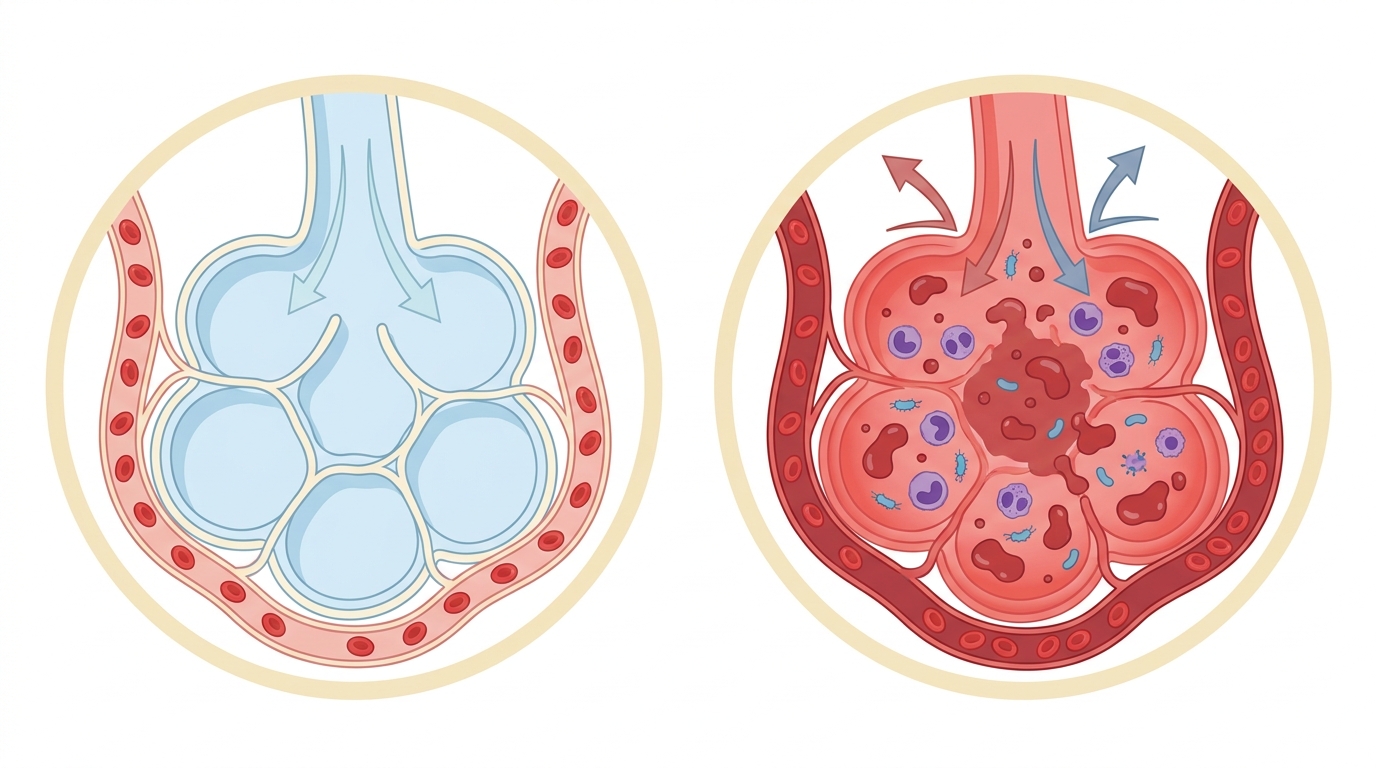
Pneumonia is a common lung infection that affects millions of people every year. While it can range from mild to very serious, understanding the facts helps take away the fear. Let us walk through everything you need to know about protecting your lung health.
Key Takeaways About Pneumonia.
- Pneumonia is an infection that inflames the air sacs in one or both of your lungs.
- It can be caused by bacteria, viruses, or fungi, with bacterial types often being more severe.
- Common signs include a persistent cough, fever, chills, and shortness of breath.
- High-risk groups include young children, older adults, and people with weakened immune systems.
- Prompt medical care and finishing your prescribed medicine are essential for a full recovery.
BMI Calculator
Know your body mass index (BMI) and weight classification
What Is Pneumonia?
Simply put, pneumonia is an infection in your lungs. This infection can be caused by tiny germs like bacteria, viruses, or sometimes fungi. When these germs enter your lungs, your immune system reacts strongly. This reaction causes your lung tissue to become swollen and inflamed.
As inflammation builds up, your air sacs can fill with fluid or pus. This fluid makes it much harder for your lungs to take in oxygen. You might feel breathless, tired, and experience deep coughing spells as your body tries to clear out the congestion.
Bacterial pneumonia is often more severe than viral pneumonia. Viral pneumonia tends to improve on its own with rest and supportive care. Pneumonia can affect just one lung, which doctors call single pneumonia. When it affects both lungs at the same time, it is known as double or bilateral pneumonia.
How Does Pneumonia Develop and What Are Its Types?
Even though pneumonia is generally called one illness, the specific germ causing it changes how you experience it. Understanding these types helps your doctor choose the right treatment plan for your specific recovery.
Bacterial Versus Viral Pneumonia.
Bacterial pneumonia is very common and can sometimes make you quite ill. Because bacteria are living organisms, doctors treat bacterial infections using prescription antibiotics. These drugs kill the bacteria and help your lungs heal.
Viral pneumonia comes from different types of viruses. It often starts out looking just like a bad cold or flu. Most viral cases go away without specific antibiotics, focusing instead on easing your symptoms while your body fights off the virus.
Main Types of Pneumonia.
Doctors classify pneumonia based on how and where you caught the infection. This classification guides them in prescribing the most effective medicines right away.
Community-Acquired Pneumonia (CAP).
If you catch pneumonia outside of a hospital or nursing home, doctors call it community-acquired pneumonia. This is the most common form of the illness. It can be triggered by several different sources:
- Bacteria: Streptococcus pneumoniae is the leading bacterial cause. This germ can also cause ear infections, sinus problems, and meningitis. Other bacteria like Mycoplasma pneumoniae, Haemophilus influenzae, Chlamydia pneumoniae, and Legionella also cause CAP.
- Viruses: Common cold viruses, influenza, COVID-19, and respiratory syncytial virus can all lead to secondary pneumonia.
- Fungi: Fungal pneumonia is rare and usually affects people with weakened immune systems who breathe in specific fungal spores.
- Protozoa: Rare microscopic parasites can sometimes cause lung infections in vulnerable people.
Hospital-Acquired Pneumonia (HAP).
Catching an infection while staying in a hospital for another health issue is known as hospital-acquired pneumonia. HAP can be much harder to treat than community-acquired pneumonia. The bacteria found in hospitals are often resistant to standard antibiotics, making infections more severe.
Healthcare-Associated Pneumonia (HCAP).
This type occurs in people who live in long-term care facilities or visit outpatient clinics often. Like hospital-acquired infections, these cases often involve resilient bacterial strains.
Ventilator-Associated Pneumonia (VAP).
If you need a breathing machine or respirator in an intensive care unit, bacteria can sometimes enter your lungs through the breathing tube. This leads to ventilator-associated pneumonia, which requires specialized medical care.
Aspiration Pneumonia.
Aspiration happens when food, liquid, vomit, or saliva accidentally enters your windpipe and goes down into your lungs. If your body cannot cough these substances out, bacteria grow, leading to an infection.
Is It a Cold, the Flu, or Pneumonia?
Telling a cold, the flu, and pneumonia apart can be tricky because early symptoms overlap. However, pneumonia is a serious condition that requires professional medical evaluation. You should contact a doctor right away if you experience severe warning signs:
- Tightness or sharp pain in your chest when breathing.
- Sudden or worsening difficulty catching your breath.
- A persistent high fever.
- Coughing up thick yellow, green, or bloody mucus.
Who Is Most at Risk for Pneumonia?
While anyone can develop pneumonia, certain groups face a higher risk of severe illness:
- Adults aged 65 and older and young children under 2 years old.
- People with chronic lung conditions like asthma, COPD, or cystic fibrosis.
- people with neurological disorders that affect swallowing, such as stroke or Parkinson's disease.
- Patients living in nursing homes or long-term care facilities.
- Current cigarette smokers.
- Pregnant women.
- People with weakened immune systems due to cancer treatments or other medical conditions.
What Are the Symptoms of Pneumonia?
Symptoms vary depending on the underlying cause and your overall health. They can range from mild discomfort to severe breathing distress.
Symptoms of Bacterial Pneumonia.
Bacterial infections can develop gradually or strike very suddenly. Key signs include:
- A very high fever that may reach significant levels.
- A deep cough producing discolored or bloody mucus.
- Extreme physical tiredness and fatigue.
- Rapid breathing rate and shortness of breath.
- A fast heart rate and sudden chills.
- Sharp chest pain that worsens when you breathe deeply or cough.
- Loss of appetite.
- Bluish tint to your lips or fingernails due to low oxygen.
- Confusion or mental changes, especially in older adults.
Symptoms of Viral Pneumonia.
Viral pneumonia symptoms usually develop over a few days. They often mirror flu symptoms alongside respiratory discomfort:
- A persistent dry cough.
- A pounding headache.
- Generalized muscle aches and soreness.
- Profound weakness and exhaustion.
Symptoms in Young Children.
Infants and toddlers may show different signs of pneumonia that look less like a classic cough. Watch closely for these red flags:
- Fever, sweating, and flushed skin.
- Difficulty breathing or very fast breathing.
- Vomiting and refusal to feed.
- Extreme lethargy or lack of energy.
- Unusual fussiness and continuous crying.
- Wet-sounding grunts when trying to breathe.
- Fewer wet diapers, signaling dehydration.
Symptoms in Adults Over 65.
Older adults often do not show classic fevers or heavy coughs. Instead, pneumonia may present subtly:
- Sudden confusion or altered mental alertness.
- Unexplained loss of appetite.
- Worsening of existing chronic health problems.
- Overwhelming fatigue.
What Causes Pneumonia?
Pneumonia happens when infectious agents bypass your body's natural airway defenses and reach your tiny air sacs. Your immune system fights back, causing inflammation and fluid buildup.
Common infectious triggers include rhinoviruses, influenza viruses, COVID-19, respiratory syncytial virus, and specific bacteria like Streptococcus pneumoniae and Mycoplasma pneumonia.
Is Pneumonia Contagious?
Pneumonia itself is not directly contagious as a single disease entity. However, the viruses and bacteria that cause pneumonia definitely spread from person to person.
Common germs spread through airborne droplets when an infected person coughs or sneezes. Fungal pneumonia, however, does not spread between people, as it comes from breathing in spores present in the environment.
How Do Doctors Diagnose Pneumonia?
To confirm pneumonia, your doctor will review your medical history and perform a physical exam. They will listen to your chest with a stethoscope for crackling or wheezing sounds.
Note: Even when doctors confirm pneumonia, identifying the exact germ responsible can sometimes take additional testing.
Diagnostic Tests Used.
Doctors use various tests to check lung function and identify the infection source:
- Chest X-ray or CT Scan: Imaging tests reveal areas of fluid or inflammation in your lungs.
- Blood Tests: These check your white blood cell count to confirm an active infection.
- Sputum Test: Analyzing a coughed-up mucus sample helps identify the specific bacteria or virus.
- Pulse Oximetry: A small sensor on your finger measures oxygen levels in your blood.
- Pleural Fluid Culture: Testing fluid drawn from around the lungs checks for bacterial presence.
- Arterial Blood Gas Test: Measures precise oxygen and carbon dioxide levels in your bloodstream.
- Bronchoscopy: A thin, lighted tube lets doctors view your airways directly if needed.
How Is Pneumonia Treated?
Treatment depends on what caused your infection and how severe your symptoms are. The main goal is curing the infection and preventing complications.
- Antibiotics: Prescription drugs clear up bacterial infections effectively.
- Antifungal medicines: These target fungal pneumonia cases.
- Antiviral Drugs: While viral cases often resolve on their own, antivirals can shorten illness duration.
- Oxygen Therapy: Supplemental oxygen helps maintain healthy blood levels if you struggle to breathe.
- IV Fluids: Intravenous hydration prevents dehydration when you feel too weak to drink.
- Fluid Drainage: Doctors drain excess fluid trapped around the lungs when necessary.
Does Pneumonia Go Away on Its Own?
Mild viral pneumonia can improve without medical intervention. However, you should always consult a doctor to rule out severe complications and receive proper guidance.
Home Care Tips for Symptom Relief.
Supportive care at home helps you stay comfortable while recovering:
- Take over-the-counter fever reducers and pain relievers as advised by your doctor.
- Consult your doctor before taking cough suppressants, as coughing helps clear lung mucus.
- Use a cool-mist humidifier in your bedroom to ease breathing congestion.
- Drink plenty of water and clear fluids to stay hydrated.
Recovery Timeline.
For most healthy people, bacterial pneumonia symptoms begin improving within twenty-four to forty-eight hours after starting antibiotics. Viral cases may take a few days longer. Lingering fatigue and a mild cough can persist for several weeks.
Contagious Period.
If you have bacterial pneumonia, you are generally no longer contagious after your fever breaks and you have taken antibiotics for at least two days. Viral cases remain contagious until symptoms fully resolve.
How Can You Prevent Pneumonia?
Vaccination is your best defense against many common pneumonia-causing germs. Everyday hygiene habits also lower your infection risk greatly.
Vaccines.
- Pneumococcal Vaccines: Protect against dangerous bacterial strains, especially for older adults and high-risk people.
- Flu and COVID-19 Vaccines: Prevent viral infections that often trigger secondary pneumonia.
- Childhood Immunizations: Routine childhood shots protect young minds and bodies from severe respiratory illnesses.
Everyday Prevention Tips.
- Quit smoking and avoid secondhand smoke to keep your lungs strong.
- Wash your hands often with soap and water throughout the day.
- Stay away from people who are sick with respiratory infections.
- Maintain a healthy diet, exercise regularly, and get adequate rest.
- Manage chronic health conditions carefully with your doctor's support.
Possible Complications of Pneumonia.
Severe pneumonia can lead to dangerous health complications requiring hospital care:
- Respiratory failure or acute respiratory distress syndrome.
- Pleural effusion, where fluid builds up around the lungs.
- Bacteremia, where bacteria spread into your bloodstream and cause sepsis.
- Lung abscesses filled with pus.
When to Seek Emergency Medical Care.
Call 911 (US/Canada), 999 (UK), or go to your nearest Emergency Department right away if you experience severe warning signs:
- Severe difficulty breathing or gasping for air.
- Bluish lips, face, or fingernails.
- Confusion, disorientation, or unresponsiveness.
- Severe, crushing chest pain.
- A persistent high fever that does not respond to medicine.
Comparison Table: Cold, Flu, and Pneumonia.
| Condition. | Onset. | Primary Symptoms. | Fever. |
|---|---|---|---|
| Common Cold. | Gradual. | Runny nose, sneezing, mild sore throat. | Rare. |
| Influenza (Flu). | Sudden. | High fever, body aches, fatigue, dry cough. | Common (High). |
| Pneumonia. | Gradual or Sudden. | Productive cough, chest pain, shortness of breath. | Common (High). |
Returning to Work and School.
You can safely return to your normal daily routine once your fever is gone without medicine, your breathing feels comfortable, and your cough improves greatly. For most healthy people, taking at least a week to rest is essential before resuming full activities.


No comments yet. Be the first to share your question or experience below.