
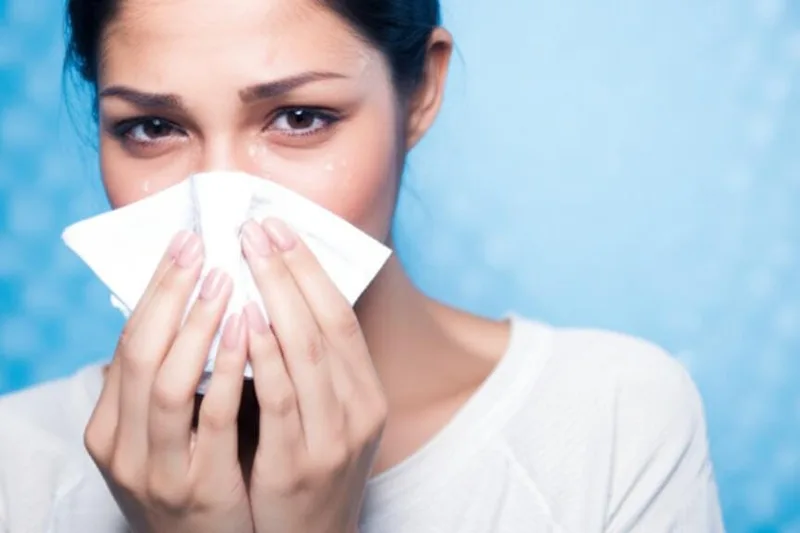
Have you ever had a headache, runny nose, or sneezing when someone walks by you wearing a lot of perfume , or when you're on a bus or elevator? Then you're not alone. Millions of people around the world suffer from allergies or sensitivities to these types of fragrances. Doctors say the number of cases is increasing every day.
Although sometimes the smell of a perfume someone is wearing can cause us immediate discomfort, many of the things we use in our daily lives without us even knowing it may contain such scents. So today, let's be more aware of this.
What is this smell allergy?
Simply put, this is an unwanted response by our body's immune system. This system, which protects our body from disease, mistakenly identifies a chemical found in certain fragrances as a harmful invader.
Think of our immune system as a security guard. Its job is to keep out invaders like viruses and bacteria. But sometimes this security guard gets a little too active. It sees a harmless, common-smelling chemical, thinks, "Here's an enemy!" and starts fighting it. That's when we get a rash, red eyes, and difficulty breathing. That means there's a big battle going on inside our bodies.
Where are these scents most common?
Many of the things we use every day contain these types of scents. Some we are aware of, some we don't even think about.
- Cosmetics: Perfumes, colognes, and aftershave are the main culprits.
- Things applied to the skin: Body lotions, moisturizers , creams, sunscreens.
- Cleaning products: soap, shower gel, shampoo, conditioner, deodorant, laundry detergent, fabric softeners.
- Household items: Air fresheners (used in rooms, cars), incense sticks, mosquito coils, candles.
- Baby products: Some baby creams, baby powders, and baby wipes may also contain fragrances.
What are the types of scents that are hidden in places we don't even notice?
This is where you need to be most careful. While some products may claim to be "fragrance-free" or "hypoallergenic," that's not always true.
"Fragrance-Free" doesn't always mean fragrance-free. Sometimes, a masking fragrance may be added to mask the natural scent of the chemicals in the product.
That is, they cover up one scent with another. So even if you don't smell it, it could still contain the chemical that's causing the allergy. That's why it's important to understand the difference between "unscented" and " fragrance-free ."
Another thing is a condition called Photosensitivity . This means that when you apply a certain cream or ointment and go out in the sun, the chemicals in it react with sunlight and cause an allergic reaction on your skin. If you only get a rash when you go out in the sun, even though you're fine with just applying the cream, it could be because of this.
What are the symptoms of this type of allergy?
The symptoms of a fragrance allergy can vary from person to person. Some people may experience only mild discomfort, while others may be severely affected. Let's break down these symptoms.
| Affected part | Possible symptoms |
|---|---|
| Skin |
|
| Eyes | |
| Respiratory System | |
| Other Symptoms |
When should you see a doctor?
If you experience the symptoms mentioned above frequently, especially after using a new product, be sure to see your doctor for advice.
If you suddenly experience severe difficulty breathing, swelling of the face or throat, it is an emergency. Go to the nearest hospital emergency department (ETU) immediately. This could be a severe allergic reaction called anaphylaxis.
So what do we do? How do we survive this?
Although living with fragrance allergies can be a challenge, it can be managed with awareness and a few steps.
1. Read the label: Before buying anything, read the ingredients list carefully. Choose products that clearly state "Fragrance-Free" or "Perfume-Free." These are safer than those that say "Unscented."
2. Do a Patch Test: Before applying a new cream or shampoo all over your body, apply a small amount behind your ear or on the inside of your elbow and wait 24 to 48 hours. Only use if there is no rash or itching.
3. Choose simple things: Go for natural products that contain as few chemicals as possible.
4. Be careful at home: Instead of using air fresheners, open windows to ventilate the house. Minimize the use of strong-smelling laundry detergents and incense sticks.
5. Explain to others: Tell your family, friends at work, and others about your condition. They can also reduce the use of strong perfumes in your surroundings.
If these things don't help control your symptoms, your doctor may refer you to a dermatologist or allergist. They can do tests to find out exactly what chemical you're allergic to.
Take-Home Message
- Fragrance allergies are more common than you might think.
- Not only perfumes, soaps, and creams, but many products we don't even think about may contain these allergy-causing fragrances.
- Products labeled "Fragrance-Free" may be safer than "Unscented" products.
- If you experience symptoms such as skin rash, itching, headache, sneezing, and difficulty breathing, it could be a fragrance-related allergy.
- If symptoms persist or are severe, do not waste time and see your doctor.


💬 Comments (0)
No comments yet. Be the first to share your thoughts here.
Add Your Comment