
Understanding the ablation procedure for SVT: clinical meaning, causes, normal ranges, and next steps can bring huge peace of mind when your heart suddenly starts pounding out of nowhere. In everyday clinic conversations across the United States, the United Kingdom, Canada, and Australia, we doctors meet plenty of people who feel understandably rattled by rapid upper-chamber heart rhythms (supraventricular tachycardia, or SVT). One minute you are sipping your morning coffee or answering emails, and the next minute your chest feels like a hummingbird is trapped inside it. Pretty unsettling when it catches you off guard, right?
Have you ever wondered why an otherwise healthy heart can leap from a calm resting beat to triple speed in a single second? Unlike blocked heart arteries, SVT is purely an electrical wiring hiccup. While simple breathing tricks or daily tablets can calm things down temporarily, a targeted keyhole heart rhythm treatment (catheter ablation) actually fixes that tiny electrical glitch at its source.
In this guide, we doctors walk you through what an SVT ablation procedure really involves, why those electrical short circuits happen, how normal heart rate ranges compare with SVT cutoffs, and what your next steps look like from your Primary Care Physician (PCP) or family GP clinic all the way to smooth home recovery.
📌 Key Takeaways at a Glance
- Curative keyhole treatment: An SVT ablation procedure uses a thin, flexible tube threaded through a groin vein—never open-heart surgery—to permanently switch off the tiny tissue spot triggering rapid heartbeats.
- Clear heart rate cutoffs: A normal adult resting pulse sits between 60 and 100 beats per minute (bpm), whereas SVT episodes abruptly jump to 150–250 bpm.
- Over 95% long-term success: For the most common SVT types, catheter ablation cures the rhythm problem on the first procedure in roughly 95% to 98% of patients.
- Fast, gentle recovery: Most people go home from the hospital the very same day or the next morning and return to desk work and everyday routines within 3 to 5 days.
- Stepwise medical care: Your family doctor starts with a heart tracing (electrocardiogram, or ECG/EKG) and wearable monitor before referring you to a heart rhythm specialist (cardiac electrophysiologist).
What Is the Ablation Procedure for SVT: Clinical Meaning, Causes & Next Steps?
An ablation procedure for SVT (catheter ablation) is a minimally invasive heart rhythm treatment that permanently blocks the tiny electrical short circuit causing sudden, racing heartbeats. Guided through a small leg vein without open surgery, gentle heat or cold energy cures over 95% of patients and restores normal rhythm.
Think about it for a second: when someone hears the word "heart procedure," their mind almost automatically jumps to operating rooms, chest incisions, and weeks in bed. In reality, an SVT ablation procedure looks nothing like surgery. It takes place in a specialized recording suite called an electrophysiology (EP) lab. You typically lie comfortably under light twilight sedation while a heart rhythm specialist threads hair-thin sensor wires up a vein at the top of your thigh straight into your heart's upper chambers.
Clinically, why does this matter so much? Because untreated SVT episodes often send people rushing to a local Urgent Care center or hospital Emergency Room (ER / A&E) for intravenous medicine to reset their pulse. Even if SVT is rarely life-threatening in a structurally normal heart, living on daily rhythm-slowing pills can leave you tired, lightheaded, or worried about flare-ups during exercise, flights, or busy workdays. Ablation removes the faulty electrical bridge itself, letting most people stop SVT medications completely. Makes complete sense why so many patients choose it, right?
How Does SVT Happen in the Heart, and How Does Catheter Ablation Fix It?
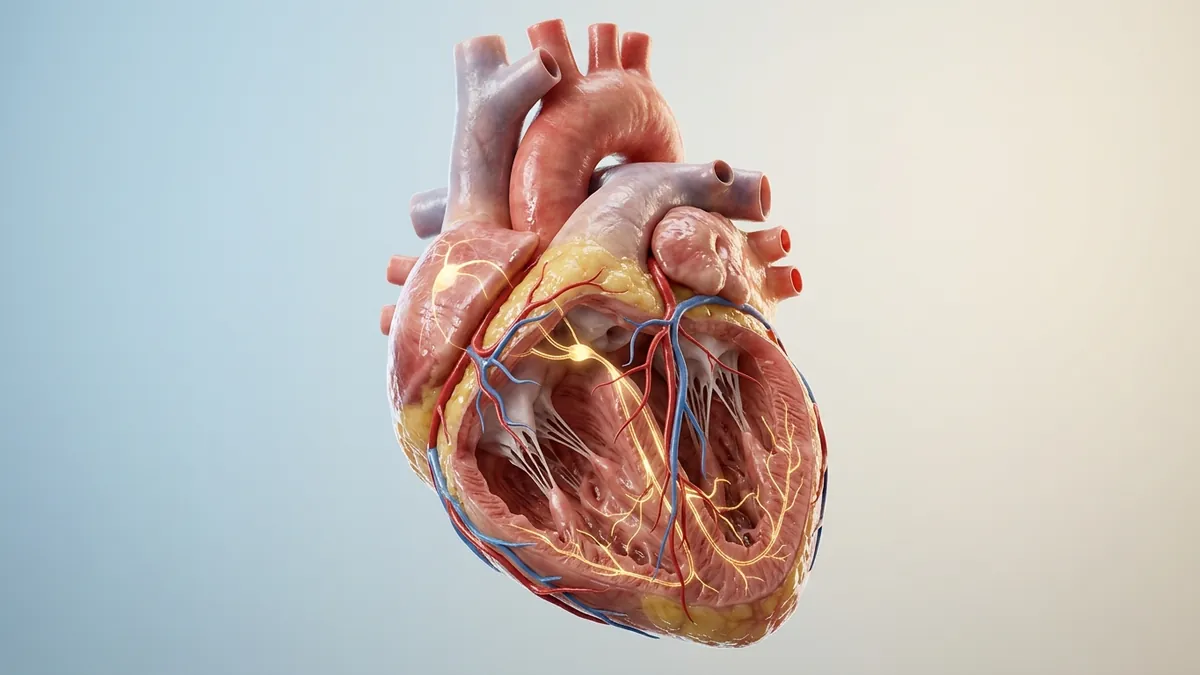
To understand how an SVT ablation procedure works, look at what happens inside your heart during a normal heartbeat. Your heart has a natural pacemaker in its right upper chamber called the sinus node (sinoatrial node). It sends a neat electrical wave across the upper chambers (atria) down to a central relay station—the AV node (atrioventricular node)—and then into the pumping lower chambers (ventricles). Everything flows smoothly down a one-way street.
So what causes SVT? Almost always, you were born with a microscopic extra electrical pathway that stays quiet until adulthood, when hormones, stress, dehydration, caffeine, or a single skipped beat sets off a looping circuit:
- AV nodal reentrant tachycardia (AVNRT): Accounting for about 60% of cases, two tiny tracks sit right next to the central AV node—one fast, one slow—allowing electricity to chase its own tail in a tight circle.
- AV reciprocating tachycardia (AVRT) and Wolff-Parkinson-White (WPW) syndrome: Around 30% of cases involve a separate microscopic muscle bridge (accessory pathway) connecting the upper and lower chambers outside the normal relay station.
- Focal atrial tachycardia: Roughly 10% of cases come from a tiny cluster of overactive cells firing rapid signals on their own in the upper chamber.
We doctors also carefully distinguish true SVT from look-alike fast rhythms before recommending ablation. Normal stress or fever causes a gradual pulse climb and gradual cooldown (sinus tachycardia), whereas chaotic quivering in the upper chambers indicates atrial fibrillation (AFib). True SVT flips on and off abruptly like a light switch. During ablation, your specialist pinpoints the exact millimeter of looping tissue using 3D computer mapping and applies either gentle radiofrequency heat or cryoablation freezing to turn that tiny spot into non-conducting scar tissue—leaving the rest of your heart completely untouched. Pretty amazing precision, isn't it?
What Are Normal Heart Rate Ranges vs. SVT Cutoffs, and Who Needs Ablation?
Have you ever checked your smartwatch during a fluttery spell and wondered what those numbers actually tell your doctor? Knowing exact clinical cutoffs helps you separate an everyday adrenaline surge from true SVT, and helps us guide your stepwise evaluation safely.
- Normal resting adult heart rate: 60 to 100 beats per minute (bpm), rising gradually during brisk exercise and slowing smoothly within minutes of resting. Well-trained runners may sit comfortably at 48 to 59 bpm.
- Typical SVT episode range: 150 to 250 bpm (occasionally 130 to 150 bpm if you already take heart-slowing tablets), starting instantaneously and stopping just as abruptly.
- Diagnostic electrical clues: On a 12-lead ECG, most SVT shows a narrow, regular heartbeat spike (QRS duration under 120 milliseconds), confirming the lower chambers are pumping in sync.
- Expected clinical outcomes: First-time catheter ablation achieves a 95% to 98% permanent cure for AVNRT and AVRT, around 85% to 90% for focal atrial tachycardia, with serious complication risks—such as needing a pacemaker—remaining well under 1%.
Your evaluation always follows clear, sensible steps. First, at your PCP or family GP clinic, we check blood tests—especially thyroid function (TSH), electrolytes, and blood counts (CBC/FBC) to rule out anemia or an overactive thyroid—alongside a resting ECG and an echocardiogram ultrasound to confirm your heart muscle and valves are healthy. Because SVT hides between episodes, we often fit a 24-hour Holter monitor or a 2-week adhesive patch recorder.
Be honest, you've probably tried bearing down or splashing icy water on your face during a racing spell, haven't you? Those vagal maneuvers, along with prescription beta-blockers or calcium channel blockers, are solid first steps. We refer you to a cardiac electrophysiologist for ablation when episodes keep returning, cause dizziness or ER visits, interfere with pregnancy planning, show WPW patterns on ECG, or when you prefer a one-time cure over lifelong pills. Active infection, uncontrolled bleeding disorders, pregnancy (in most non-urgent cases), or a blood clot inside the heart temporarily pause the procedure until resolved.
How Should You Prepare, and What Happens Step by Step During an SVT Ablation?
Remember how we talked about that microscopic electrical short circuit earlier? For your specialist to locate it in the EP lab, they actually need to trigger your SVT briefly under controlled monitoring. That is why preparation rules before your appointment are so important—and why you should never adjust tablets without explicit instructions from your rhythm clinic.
- Holding rhythm medications (3 to 5 days prior): Your electrophysiologist usually asks you to pause beta-blockers (like metoprolol or bisoprolol), calcium channel blockers (like diltiazem or verapamil), or antiarrhythmics (like flecainide) for 3 to 5 days—typically five drug half-lives—so they do not mask the abnormal pathway on procedure day.
- Fasting rules: Stop all solid food and milky drinks at midnight (or 6 to 8 hours beforehand), taking only tiny sips of plain water if instructed for essential morning pills.
- Blood thinners and diabetes medicines: Follow personalized hospital instructions carefully regarding anticoagulants, aspirin, insulin, or SGLT2 inhibitors, and arrange a trusted adult to drive you home.
On the day of your SVT ablation procedure, hospital nurses place an IV line in your arm, shave and clean a small patch at the top of your right groin, and attach sticky mapping pads to your chest and back. Under conscious twilight sedation (or occasionally general anesthesia), numbing medicine is injected into the groin skin. Most people feel only gentle pressure there—never sharp pain inside the heart itself.
Next comes the diagnostic electrophysiology (EP) study: thin catheters record your heart's electrical map and deliver tiny pacing pulses to switch your SVT on for a minute or two. Don't worry if you feel your familiar fast heartbeat—the team is causing it intentionally and can stop it in seconds! Once the exact target spot is locked onto 3D screens, radiofrequency warmth (which can feel like mild chest warmth for 30–60 seconds) or cryo-freezing seals the faulty pathway. The whole visit inside the lab usually takes 1.5 to 3 hours, followed by 2 to 6 hours of lying flat in recovery while the tiny vein puncture seals cleanly.
How Do SVT Treatment Options and Post-Ablation Findings Compare?
Recall those different pathways and energy methods we covered a moment ago? When you sit down with your cardiologist—or monitor yourself during the first week afterward—having a clear side-by-side breakdown makes decisions much easier. Use this two-column guide to compare key SVT ablation options and common post-procedure sensations.
| Procedure Option or Clinical Finding | Clinical Meaning & Practical Next Step |
|---|---|
| Radiofrequency (Heat) Ablation | The gold-standard method for most SVT pathways, using mild radiofrequency warmth to create a precise, permanent block within seconds and delivering a 95%–98% cure rate. What you should do: Ask your electrophysiologist whether standard heat energy suits the location of your specific electrical pathway. |
| Cryoablation (Cold/Freezing) | Uses extreme cold at the catheter tip, allowing your specialist to "test-freeze" tissue reversibly first—especially helpful when an extra pathway sits extra close to your normal AV node. What you should do: Discuss cryoablation if reducing the already tiny (<1%) pacemaker risk is your top priority, noting slightly higher recurrence rates in some pathways. |
| Daily Medications Alone (Beta-Blockers / Calcium Blockers) | Slows electrical conduction to dampen episodes without altering heart tissue, but requires daily adherence, carries ~50%–70% long-term control, and may cause fatigue or low blood pressure. What you should do: Use medications for infrequent, mild spells or while awaiting specialist review, and request an EP referral if side effects or breakthroughs bother you. |
| Mild Groin Bruising & Pea-Sized Lump | Very common after catheter access through the femoral vein; purplish skin discoloration that spreads slightly downward with gravity and a soft, stable pea-sized knot are normal healing signs. What you should do: Keep the site clean and dry, skip tub baths or swimming for 5–7 days, and mention it at your routine checkup. |
| Brief "Skipped" Beats After Ablation | Single extra beats or momentary 1–2 second flip-flops that stop immediately are extremely common for 4 to 8 weeks while treated heart tissue settles and heals. What you should do: Stay hydrated, avoid heavy caffeine or alcohol, and keep a simple symptom log—most settle completely without meaning the SVT is back. |
| Sustained Racing Pulse (>140–150 bpm) Post-Procedure | A rapid, sustained rhythm lasting several minutes suggests either rare pathway regrowth (<5% of cases) or a second previously hidden SVT circuit. What you should do: Sit down, try a gentle vagal maneuver, capture a smartwatch or portable ECG strip if available, and contact your cardiology team or local clinic promptly. |
What Is Recovery Like at Home, and How Do Daily Habits Help?
Once you are discharged home, recovery from an SVT ablation procedure is refreshingly straightforward—almost all the healing happens at the tiny groin vein site rather than in your chest! Still, giving that blood vessel a calm week to seal properly prevents groin bleeding or swelling. In the US, UK, Canada, and Australia, hospital discharge teams typically disallow driving for at least 48 hours after sedation and groin vein access (check commercial licensing rules if you drive professionally).
For the first 5 to 7 days, avoid lifting anything heavier than 10 pounds (about 4.5 kg—roughly a full gallon jug of milk, a loaded laundry basket, or a toddler), skip gym workouts, cycling, and squats, and take warm showers rather than soaking in a bathtub, hot tub, or swimming pool. Gentle flat walks around the house or down your neighborhood sidewalk starting the day after discharge actually encourage healthy circulation.
What about everyday food, drinks, and lifestyle while your heart settles over the next month? Mild chest ache when taking a deep breath—caused by harmless temporary irritation around the heart sac—can happen for a couple of days; check with your care team before taking anti-inflammatories versus plain acetaminophen (paracetamol). Support smooth rhythm healing by swapping double-shot espressos, strong flat whites, pre-workout powders, and energy drinks for decaf coffee, herbal tea, or plain water. Balanced meals rich in natural potassium and magnesium—like morning oatmeal (porridge), bananas, leafy spinach, almonds, and baked salmon—along with 7 to 8 hours of steady sleep and cutting back on weekend alcohol binges keep annoying post-ablation extra beats quiet. We rarely stop to think how much dehydration and poor sleep irritate heart cells, do we?
✔️ What You Should Do & ❌ What to Avoid
- ✔️ Do follow exact medication hold instructions: Confirm with your electrophysiology nurse exactly which day to pause heart-rate pills before your procedure so your pathway remains easy to map.
- ✔️ Do support your groin site when coughing or sneezing: Press your clean fingers gently over the groin dressing if you cough, sneeze, or laugh during the first 48 hours.
- ✔️ Do keep your follow-up ECG appointment: Attend your 4-to-12-week cardiology or family GP review to confirm clean healing and finalize stopping old SVT prescriptions.
- ❌ Don't lift heavy groceries, luggage, or weights for 7 days: Straining raises pressure inside your leg veins and risks re-opening the puncture site.
- ❌ Don't chug energy drinks, excess caffeine, or heavy alcohol early on: Stimulants and alcohol trigger harmless but unsettling skipped beats while ablated heart cells mature.
- ❌ Don't peel off wound strips early or soak underwater: Let adhesive strips loosen naturally in the shower and avoid baths or pools until the skin is completely sealed.
🚨 When to Seek Immediate Emergency Care (Red-Flag Symptoms)
If you or someone near you develops any of these red-flag symptoms, do not wait — call 911 (US & Canada), 999 or 111 (UK — call 999 for life-threatening emergencies), or 000 (Australia) immediately or go straight to the nearest hospital Emergency Room (ER / A&E):
- Active groin bleeding or a rapidly growing lump: Firmly press down right above the groin puncture site while lying flat and call emergency services if blood soaks through dressings or a hard, golf-ball-sized swelling expands.
- Cold, pale, numb, or painful leg: New tingling, weakness, bluish toes, or worsening calf pain and swelling in the leg used for catheter access.
- Severe chest pain, shortness of breath, or fainting: Crushing chest pressure, sharp chest pain worsening rapidly, sudden breathlessness, or blacking out.
- Neurological warning signs or high fever: Sudden facial drooping, slurred speech, arm weakness, confusion, or a fever above 100.4°F (38°C) with chills.
💡 Key Take-Home Message
- An SVT ablation procedure is a safe, keyhole vein treatment—not open surgery—that permanently cures the electrical short circuit behind sudden 150–250 bpm heart-racing episodes in over 95% of patients.
- With smart preparation, a week of gentle groin care, and coordination between your family doctor and cardiac electrophysiologist, most people return quickly to an active, medication-free life.


No comments yet. Be the first to share your question or experience below.