

When you type Rfa Ablation Procedure: Clinical Meaning, Causes, Normal Ranges & Next Steps into a search bar, you are usually holding a new specialist referral and trying to figure out what lies ahead. Hearing that a procedure uses thermal energy on a spine nerve, leg vein, thyroid lump, or heart pathway can make anyone pause. Be honest, the word "ablation" sounds a little intimidating at first, doesn't it?
Here is the reassuring truth right up front: targeted heat treatment (radiofrequency ablation, or RFA) is one of the most precise, stitch-free outpatient procedures in modern medicine. Instead of large surgical incisions or days in a hospital bed, RFA guides a thin needle or flexible tube right to the trouble spot, calming faulty signals or sealing problem tissue while sparing healthy structures millimeters away.
Whether your Primary Care Physician (PCP) or family GP clinic discussed RFA for chronic back arthritis, fluttering heartbeats, aching varicose veins, or a benign thyroid nodule, we doctors want you to walk in feeling confident and informed. Let's break down how RFA works, what clinical test cutoffs matter, and how your recovery unfolds day by day.
📌 Key Takeaways at a Glance
- Minimally invasive precision: RFA uses controlled radio wave warmth through a pinhole needle or catheter — no scalpel incisions, stitches, or general anesthesia required in most outpatient cases.
- Four major medical uses: Commonly treats chronic spine or knee joint nerve pain, irregular heartbeats, leaky varicose veins, and benign thyroid nodules.
- Strict pre-test cutoffs: For spine pain, guidelines typically require 50% to 80% temporary relief from a test numbing injection before proceeding to RFA.
- Predictable recovery: Most patients return home the same day, return to desk or light duties within 24 to 72 hours, and notice peak relief in 2 to 4 weeks.
- Repeatable relief: Treated pain nerves often stay quiet for 6 to 18 months, and RFA can safely be repeated if symptoms gradually return.
What Is an RFA Ablation Procedure: Clinical Meaning, Causes, Normal Ranges & Next Steps?
An RFA ablation procedure (radiofrequency ablation) is a minimally invasive treatment that delivers controlled, high-frequency thermal energy through a thin needle or catheter to quiet overactive pain nerves, correct irregular heart rhythms, seal varicose veins, or shrink benign nodules — usually completed without open surgery or an overnight hospital stay.
Think about it for a second: when an arthritic joint nerve in your lower back keeps broadcasting nonstop pain signals, or a tiny cluster of heart tissue sparks erratic beats, medication alone sometimes falls short. Clinically, "ablation" simply means deactivating or sealing off a microscopic zone of malfunctioning tissue so the rest of your body can work comfortably again.
Because RFA spans pain medicine, cardiology, vascular care, and endocrinology, patients often ask what "normal ranges" mean for a procedure. Rather than a single lab value, RFA relies on strict target temperature zones, clotting blood test thresholds, and diagnostic block cutoffs before your specialist begins. Now that makes sense, right?
How Does Radiofrequency Ablation Work Inside Your Body Compared to Other Treatments?
Have you ever wondered how warmth can stop chronic joint pain or close off a bulging leg vein without harming nearby muscles? During an RFA session, your specialist guides an insulated probe or thin flexible tube (catheter) directly beside the target using live X-ray guidance (fluoroscopy) or real-time ultrasound. Alternating radiofrequency waves — oscillating around 350 to 500 kilohertz — gently agitate water molecules right at the uninsulated tip, creating a controlled heat zone just a few millimeters wide.
Look at what happens here: in spine or knee pain care, that pinpoint warmth interrupts pain-carrying fibers inside tiny sensory nerves while leaving the motor nerves that control strength and walking completely untouched. In vein or thyroid treatments, thermal energy gently seals a stretched blood vessel wall shut or shrinks overgrown benign cells so your immune system clears them naturally over several months. Pretty surprising, right?
How does RFA compare with other treatments we doctors discuss? Cortisone shots (epidural or joint steroid injections) calm inflammation temporarily for weeks, while cold nerve treatment (cryoablation) freezes tissue using liquid gas. Open surgery cuts out structural problems, whereas RFA delivers durable relief through a tiny skin entry the size of a routine blood-draw needle.
What Medical Conditions and Root Causes Lead Doctors to Recommend RFA?
We rarely jump straight to RFA on your very first visit, do we? At your Primary Care Physician (PCP) or family GP clinic, we doctors always start with a careful medical history, hands-on exam, targeted physical therapy, lifestyle adjustments, and first-line medications. When symptoms stubbornly last beyond three months or medicines cause unwanted side effects, we refer you to a specialist to consider RFA for four primary root causes:
- Chronic spine, neck, and joint pain: Worn spinal joints (facet joint osteoarthritis), lower-back pelvic joints (sacroiliac joint dysfunction), or arthritic knees where tiny sensory branches transmit constant daily aching (treated via radiofrequency neurotomy).
- Heart rhythm disturbances: Racing, skipping, or fluttering heartbeats (cardiac arrhythmias) such as atrial fibrillation, atrial flutter, or supraventricular tachycardia, performed by a heart rhythm specialist (electrophysiologist) using catheter ablation.
- Painful varicose veins: Heavy, throbbing, swollen legs caused by backward blood flow in faulty superficial veins (chronic venous insufficiency), treated with endovenous RFA.
- Benign nodules and small tumors: Non-cancerous neck lumps causing swallowing pressure (benign thyroid nodules), uterine fibroids, or selected small kidney, liver, and bone lesions such as osteoid osteoma when sparing healthy organ tissue matters most.
What do you think — does one of those four pathways match why your doctor mentioned RFA? Knowing your specific clinical category makes preparing for your appointment much simpler.
What Are the Normal Clinical Ranges, Test Cutoffs, and Preparation Rules Before RFA?
Remember how we mentioned right at the start that RFA depends on strict safety numbers and test thresholds? Before scheduling your procedure, we doctors coordinate pre-procedure checks with your specialist to verify these evidence-based clinical benchmarks:
- Diagnostic nerve block cutoff (50% to 80% relief): Before spine or knee RFA, you undergo one or two test numbing injections (medial branch blocks or genicular nerve blocks). Insurance and clinical guidelines typically require at least 50% to 80% temporary pain reduction while the numbing medicine is active to confirm the exact nerve source.
- Target ablation temperature ranges: Standard thermal nerve RFA warms the probe tip to 80°C to 90°C (176°F to 194°F) for 60 to 90 seconds. Cooler nerve modulation (pulsed RFA) holds steady around 42°C (107.6°F) without coagulating tissue, while endovenous vein catheters commonly seal vessel walls at 120°C (248°F) in short segments.
- Safe blood test ranges: Basic clinic blood work checks that clotting sits in a safe window — usually an International Normalized Ratio (INR) below 1.4 to 1.5 and platelet counts above 50,000 to 100,000 per microliter — alongside stable blood pressure under 180/110 mmHg and controlled blood glucose.
- Fasting and medication timing: If mild IV sedation is planned, stop solid meals 6 hours beforehand and clear water 2 hours prior. Always get explicit instructions before pausing blood thinners like apixaban, rivaroxaban, warfarin, or clopidogrel, and skip anti-inflammatory painkillers on test-block days if instructed.
We temporarily postpone RFA if you develop a fever, urinary or respiratory infection, skin rash over the puncture site, or pregnancy when X-ray fluoroscopy is planned.
What Happens Step-by-Step on Procedure Day and How Long Does Recovery Take?
Walking into an ambulatory surgery center or hospital procedure suite feels far less stressful once you picture the flow. After checking your blood pressure and pulse, the team cleans your skin with antiseptic and numbs the entry spot with local lidocaine. Depending on the procedure type, you may also receive light IV relaxation medicine (conscious sedation) so you feel calm yet awake enough to give feedback. Spine, vein, and thyroid RFA usually take 15 to 45 minutes, while cardiac catheter ablations run 2 to 4 hours.
Here is a safety detail patients love hearing about: before turning on therapeutic heat during nerve RFA, your pain specialist performs sensory and motor stimulation testing. You feel a tiny tingling buzz mimicking your familiar pain spot, while the doctor verifies zero muscle twitching in your arm or leg. See? That built-in double-check is why motor nerve damage is remarkably rare in experienced hands.
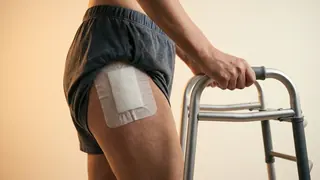
Once finished, a small bandage covers the pinhole site, you rest in recovery for 30 to 60 minutes (or lie flat for 2 to 6 hours after femoral vein access in heart ablation), and ride home with a family member or friend. Spine RFA sites often feel mildly bruised or "sunburned" for 3 to 7 days. Peak pain relief blossoms at 2 to 4 weeks and typically lasts 6 to 18 months — sometimes over two years — before microscopic nerve sprouts slowly regenerate.
How Do RFA Applications and Post-Procedure Symptoms Compare in Real-World Care?
Just like we discussed a moment ago, normal healing feels slightly different depending on which area was treated. Use this mobile-friendly guide to compare RFA types and common post-procedure sensations:
| RFA Category or Post-Procedure Finding | Clinical Explanation & Practical Action Step |
|---|---|
| Spine or Joint Nerve RFA | Targets tiny medial branch or genicular sensory nerves at 80°C–90°C; mild localized soreness or sunburn-like sensitivity for up to 1–2 weeks is normal as nerve fibers quiet down. What you should do: Apply a towel-wrapped ice pack for 15 minutes at a time during the first 48 hours and start gentle physical therapy once soreness settles. |
| Cardiac Catheter RFA | Treats misfiring heart tissue via a groin or neck vein catheter; occasional skipped beats or mild chest awareness during the 3-month healing "blanking period" is common. What you should do: Avoid lifting over 10 pounds (4.5 kg) for one week to protect your groin puncture site and keep taking prescribed heart rhythm or blood-thinning tablets strictly on schedule. |
| Varicose Vein Endovenous RFA | Seals leaky saphenous veins under ultrasound guidance; mild thigh tightness or cord-like firmness along the sealed vein track over weeks 1 to 3 reflects expected vessel closure. What you should do: Wear your medical-grade compression stockings as directed and take three 10-to-15-minute brisk walks daily to encourage healthy deep-vein blood flow. |
| Thyroid Nodule RFA | Shrinks benign neck nodules gradually by 50% to 80% over 6 to 12 months while preserving normal thyroid hormone function. What you should do: Eat soft, cool foods the first evening if swallowing feels mildly tender and attend follow-up neck ultrasound checks at 1, 3, 6, and 12 months. |
| Temporary Flare of Pain in Week 1 | Called transient post-ablation neuritis; irritated sensory nerve endings briefly release inflammatory signals before fully switching off. What you should do: Contact your specialist clinic if discomfort disturbs sleep, as a brief doctor-approved topical patch or oral medication easily bridges that short window. |
At home, everyday comfort measures go a long way. Sip water or decaf herbal tea throughout the day, choose light meals like oatmeal, whole-wheat toast, scrambled eggs, or warm vegetable broth if twilight sedation left you groggy, and pace yourself between short indoor walks and sofa rest. For mild non-emergency questions over a weekend, reach out to your specialist's on-call line, visit a local Urgent Care center, or call NHS 111 in the UK.
✔️ What You Should Do & ❌ What to Avoid
- ✔️ Do arrange a reliable adult driver: Never drive yourself home or operate machinery for 24 hours if you received IV sedation or numbing injections near major limb nerves.
- ✔️ Do shower gently after 24 hours: Pat the tiny puncture site dry with a clean towel and remove the small adhesive bandage once skin seals closed.
- ✔️ Do keep moving lightly: Gentle walking around your home prevents stiffness and lowers blood clot risk far better than strict bed rest.
- ❌ Don't soak in hot water right away: Avoid hot tubs, swimming pools, bathtubs, and saunas for at least 48 to 72 hours so bacteria cannot enter the needle track.
- ❌ Don't put heating pads on fresh nerve RFA sites: Skip direct heat for the first 48 hours, since extra warmth increases post-procedure swelling and soreness.
- ❌ Don't adjust blood thinners on your own: Restart aspirin or anticoagulants strictly on the exact timetable confirmed by your specialist and Primary Care Physician (PCP) or family GP clinic.
🚨 When to Seek Immediate Emergency Care (Red-Flag Symptoms)
If you or someone near you develops any of these red-flag symptoms, do not wait — call 911 (or 999 in the UK / 000 in Australia) immediately or go straight to the nearest hospital Emergency Room (ER / A&E):
- Sudden new weakness, foot drop, or spreading numbness in an arm or leg, or new difficulty walking steadily after a spine or joint procedure.
- Loss of bladder or bowel control or numbness in the groin and saddle area, which requires urgent spinal evaluation.
- Crushing chest pain, severe shortness of breath, coughing up blood, or fainting, especially following cardiac or varicose vein ablation.
- Rapidly expanding, firm, throbbing swelling or heavy bleeding at a groin, neck, or leg puncture site that does not stop with 10 minutes of firm pressure, or sudden hoarseness and trouble breathing after thyroid RFA.
- High fever above 101°F (38.3°C), chills, pus, or severe worsening neck stiffness signaling a deep infection.
💡 Key Take-Home Message
- Targeted relief, minimal downtime: RFA calms pain nerves, seals faulty veins, corrects heart arrhythmias, and shrinks benign nodules without open incisions.
- Preparation protects success: Completing your diagnostic test block, clotting checks, and medication review ensures the safest outcome.
- Patience pays off: Mild sunburn-like soreness in week one is common, while true lasting improvement builds steadily over 2 to 4 weeks.




No comments yet. Be the first to share your question or experience below.