
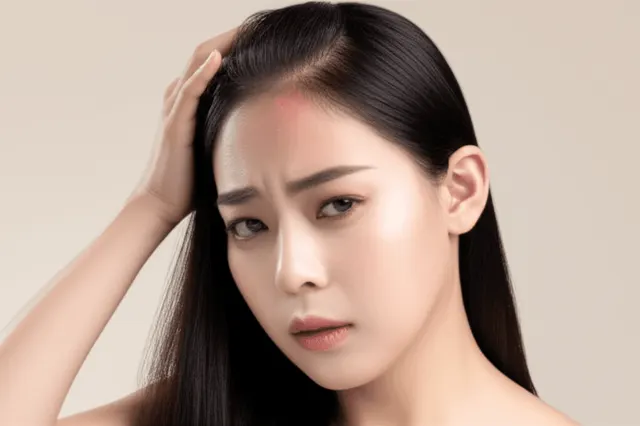
Have you ever scratched your head and felt tiny bumps hiding under your hair? You might stop and think, what in the world are those? Sometimes these are just minor itchy spots, but other times they turn into larger, sore pimples. Yes, just like the acne you get on your face, you can actually get acne right on your scalp too.
Doctors call this condition scalp acne. It can feel quite annoying because these spots often itch, hurt, or catch on your hairbrush when you style your hair. Let us take a close look at why this happens and what you can do to get relief.
- Scalp acne happens when oil, dead skin cells, and bacteria trap inside hair roots.
- Wearing tight hats or using heavy hair oils can make these bumps much worse.
- You should never pop scalp pimples because that spreads germs and causes scars.
- Special shampoos with salicylic acid or ketoconazole can clear up mild bumps fast.
- See a doctor if your scalp does not improve after six weeks of gentle care.
Know your body mass index (BMI) and weight classification
What Is Scalp Acne?
Simply put, scalp acne involves pimples that form on your scalp or right along your hairline. Just like facial acne, these spots happen when the tiny openings where your hair grows get clogged up. These blocked pores can trap oil and dirt, leading to red, itchy, or painful bumps.
Difference Between a Simple Pimple and Scalp Acne.
That is a very good question to ask. Most of us get an occasional random pimple from time to time. A single pimple is just a small, raised spot on your skin that might look red or fill with a bit of pus. Having one or two minor spots does not mean you have a chronic acne condition.
True acne is an ongoing medical skin condition. It can stick around for a long time or flare up repeatedly unless you use the right treatments. A single pimple is just one common symptom of acne as a whole.
How Common Is Scalp Acne?
Scalp acne does not happen quite as often as pimples on your face, chest, or back. Studies show that roughly 80 percent of people between ages 11 and 30 deal with regular acne. However, scalp acne has no specific age limit, and adults can get it just as easily.
Who Is Most at Risk for Scalp Acne?
Your chances of getting scalp acne go up if certain daily habits apply to your routine. You might be more at risk if you wear tight hats, caps, or helmets every day. Using heavy hair care products that contain a lot of oil can also trap debris.
People who work around heavy grease or cooking oils all day long also face higher risks. If your hair is constantly exposed to oily environments, your hair roots clog up much faster.
What Are the Symptoms of Scalp Acne?
When scalp acne flares up, you might notice several distinct physical signs. Recognizing these symptoms helps you figure out the best way to treat your skin.
- Small red bumps forming directly on your scalp or hairline.
- Whiteheads filled with tiny bits of white or yellow pus.
- Swollen, tender bumps that feel warm or sore to the touch.
- Deep, painful cysts forming under the surface of the skin.
- A persistent itch or mild burning sensation across your scalp.
- Clusters of small pimples grouped closely together in one spot.
Your scalp symptoms can range from mild irritation to severe discomfort. If you have a severe case of scalp acne, you might also experience temporary hair thinning or crusty scabs forming around the healing spots.
Why Does Scalp Acne Happen?
In short, scalp acne develops when your hair follicles get blocked. These follicles act like tiny tunnels where person hairs grow out of your skin. A few different factors cause these tunnels to plug up.
- Leftover residue from heavy shampoos, hair gels, or strong hairsprays.
- Microscopic germs like bacteria, yeast, fungi, or tiny skin mites.
- A buildup of sweat, natural skin oil, and dead skin cells.
- Too much or too little sebum, which is your skin's natural protective oil.
Several other triggers can also play a major role in your breakouts. Hormonal changes during your monthly cycle or teenage years can spark excess oil production. Constant friction from headbands, hats, or sports helmets rubs your skin the wrong way.
High levels of emotional stress can also trigger skin flare-ups. Sometimes, scalp acne runs in families as an inherited genetic trait. In other cases, certain prescription medicines can cause unexpected skin reactions.
Could Scalp Acne Be a Sign of Another Medical Condition?
Yes, sometimes bumps on your scalp point toward a completely different underlying health issue. A few common examples include pilar cysts, which are harmless lumps that form near hair roots. Another condition is scalp folliculitis, which happens when hair roots become infected.
Seborrheic dermatitis is another common issue that causes heavy dandruff and red patches. In rare cases, skin growths like squamous cell carcinoma can mimic stubborn bumps. The most important thing to remember is that a doctor can examine your skin and find the exact root cause.
Never try to guess your diagnosis by yourself. Always consult a qualified medical professional to get an accurate assessment and safe treatment plan.
How Do Doctors Diagnose Scalp Acne?
A doctor diagnoses scalp acne by carefully looking at your symptoms and examining your skin. They will check your scalp closely and ask you a few simple questions. They might ask if anyone in your family has skin issues, how much stress you deal with daily, or what hair products you use.
If you have sudden and severe breakouts, your doctor might order simple blood tests. These tests help rule out underlying hormonal imbalances or other medical problems.
How Do You Get Rid of Scalp Acne?
Your treatment plan for scalp acne depends entirely on what is causing your hair roots to clog. If your symptoms are mild, you can try a few simple changes at home.
- Stop using heavy, oily hair products that leave behind sticky residue.
- Wash your hair more often, especially right after heavy workouts or sweating.
- Take a break from wearing tight headbands or constrictive baseball caps.
If you have moderate or severe scalp acne that will not go away, medical treatments offer strong relief. Doctors often recommend prescription topical creams or oral antibiotics to clear away bacteria. For stubborn folliculitis, topical steroid lotions help calm down angry inflammation.
Oral isotretinoin is sometimes prescribed for severe, long-term acne cases. If intense itching bothers you, your doctor may suggest oral antihistamines. Always talk openly with your medical provider about potential side effects before starting any new prescription medicine. Make sure to share a full list of any supplements or other drugs you currently take to avoid dangerous drug interactions.
What Kind of Shampoo Should You Use for Scalp Acne?
Special shampoos, cleansers, and hair washes can help clear away clogged pores. Look for products that contain specific active ingredients designed to treat scalp issues.
- Antibacterial soaps or washes that kill surface germs.
- Dandruff shampoos containing ingredients like selenium sulfide.
- Antifungal treatments featuring ketoconazole or ciclopirox.
- Benzoyl peroxide washes to clear out trapped debris.
- Gentle, non-comedogenic oil-free hair formulas.
- Salicylic acid to gently exfoliate dead skin cells.
Can I Pop the Pimples on My Scalp?
Please do not do that! It is very tempting to squeeze or pop a pimple when you feel it, but doing so makes your symptoms much worse. Popping bumps can push bacteria deeper into your skin, leading to painful infections, swelling, and permanent scars. Instead, keep your scalp clean, use oil-free hair products, and follow your treatment plan carefully. Your skin will heal much faster on its own.
| Habit / Product. | What to Do. / Why It Helps. |
|---|---|
| Hair Washing. | What to Do.: Wash hair daily or after sweating. Why It Helps.: Removes sweat and prevents clogged pores. |
| Hair Products. | What to Do.: Choose oil-free formulas. Why It Helps.: Stops heavy oils from trapping bacteria. |
| Pimples. | What to Do.: Never pop or squeeze bumps. Why It Helps.: Prevents painful infections and scarring. |
How Soon Will Treatments Start to Work?
Once you and your doctor figure out the root cause of your scalp acne and start treatment, complete clear skin can take up to six weeks. However, you should notice some positive improvements within just a few days. For instance, your itching might fade quickly, and you will stop seeing brand-new bumps pop up.
If your skin does not show any improvement after six full weeks of consistent treatment, schedule a follow-up appointment with your doctor to adjust your plan.
How Can You Prevent Scalp Acne?
You can lower your chances of getting scalp acne by following a few simple daily prevention tips.
- Wash your hair regularly, especially right after working out or sweating heavily.
- Use oil-free hair products labeled as non-comedogenic and non-acnegenic.
- Wash hats, helmets, and pillowcases often to remove trapped oils and old product buildup.
- Find healthy ways to manage your daily emotional stress levels.
- Eat a healthy, well-balanced diet full of whole foods and fresh vegetables.
What to Expect When Dealing with Scalp Acne.
Scalp acne can be a temporary annoyance or a chronic condition depending on the exact cause. Your medical provider will help you identify triggers and find the right remedies. Dealing with skin issues tests your patience, but remember never to scratch or pick at your scalp.
Picking leads to broken skin, bleeding, and potential infections. Stay consistent with your gentle hair care routine, and give your treatments time to work properly.
When Should You See a Doctor?
Call your doctor right away or visit the nearest Emergency Department (ER) or urgent care center if you experience severe swelling, intense pain, high fever, or signs of a spreading skin infection. Call 911 (US/Canada) or 999 (UK) right away if you experience severe allergic reactions or sudden breathing difficulties.
You should schedule an appointment with a doctor if:
- Your acne symptoms get noticeably worse over time.
- You see zero improvement after six weeks of gentle home care.
- You feel severe pain, tenderness, or extreme swelling.
- You develop a fever along with your skin bumps.
Questions to Ask Your Doctor.
- Do any of these prescribed treatments have unwanted side effects?
- What specific medicated shampoo do you recommend for my scalp type?
- What steps should I take if my acne ever comes back?
- Did an underlying medical condition cause my scalp breakouts?
Managing scalp acne can feel tricky when you try to balance your normal hair care routine. Figuring out whether your products or internal factors cause your blocked pores takes patience. If you only deal with mild bumps, keeping a simple daily log of your products helps you spot irritants fast.
Your doctor will support you every step of the way so you can feel confident and comfortable in your own skin.
💡 Take-Home Message.
Scalp acne is a common, frustrating issue, but it is entirely manageable with the right care.
- Keep it clean: Wash your scalp and hair regularly, especially after heavy sweating.
- Pick smart products: Use oil-free, non-comedogenic hair care items.
- Hands off: Never pop or squeeze your scalp pimples.
- Get expert advice: See a doctor if your condition does not improve within a few weeks.
- Be patient: Effective treatments take a little time to show clear results.
If you deal with scalp acne, stay calm, evaluate your daily habits, and reach out to a medical professional when needed. Your health and comfort matter!



No comments yet. Be the first to share your question or experience below.