

Embarking on a new pharmaceutical regimen is always a significant milestone, especially when dealing with breakthrough medicines that have captured global attention. If you or someone you care about has been prescribed or is considering semaglutide—widely recognized by brand names such as Ozempic and Wegovy—you are certainly not alone. Originally developed to manage type 2 diabetes by helping normalize blood glucose levels, semaglutide has evolved into a cornerstone therapy for chronic weight management and cardiovascular risk reduction.
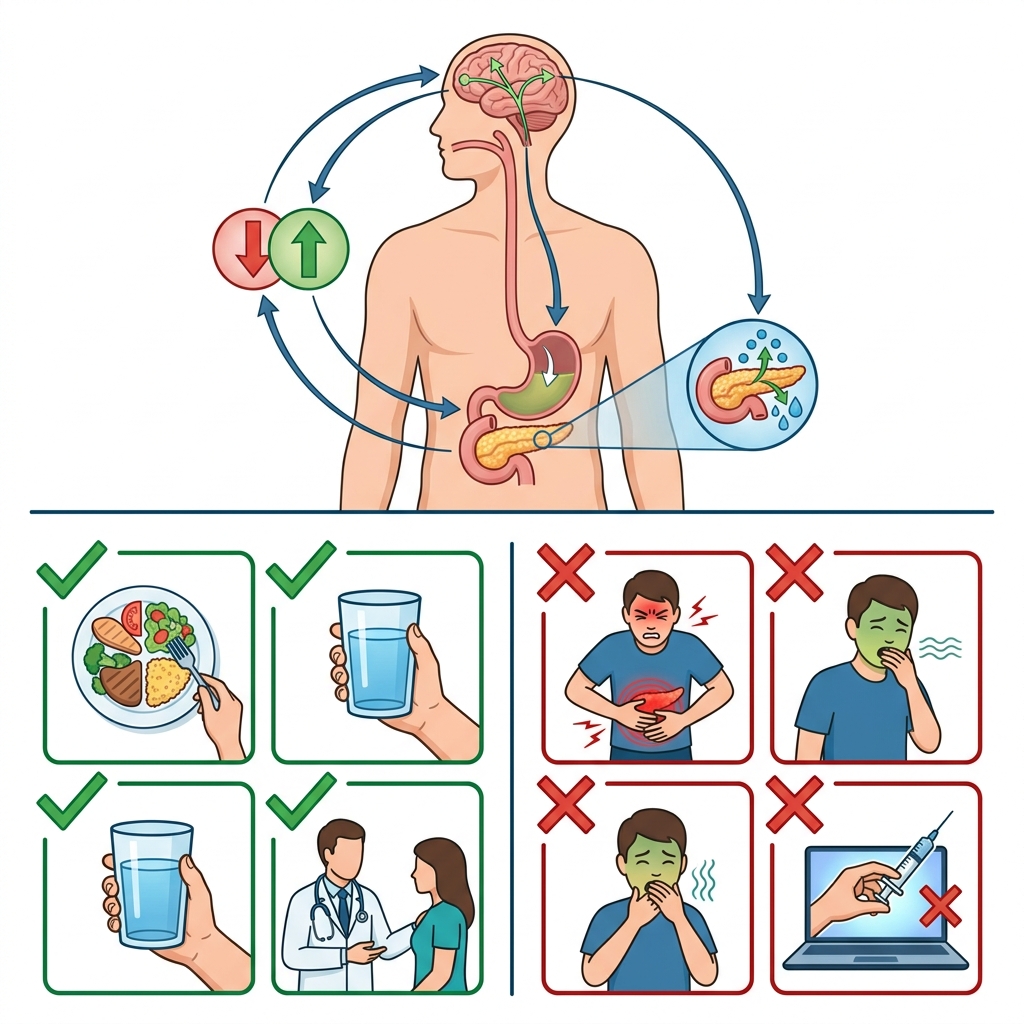
However, alongside its profound clinical benefits, every potent medicine carries a distinct side effect profile that requires careful navigation. Understanding these potential physical responses is paramount for anyone currently using these therapies or exploring them alongside a doctor. Recognizing what is a normal physiological adjustment versus an emergent red flag ensures that you can take proactive charge of your health journey with complete confidence and safety.
This exhaustive, evidence-based clinical guide will walk you through every facet of semaglutide safety. From everyday digestive adjustments and minor inconveniences to rare, significant adverse events and critical emergency red flags, we will explore the underlying how it happens, practical mitigation strategies, and essential medical protocols so you can make fully informed, empowered decisions about your healthcare.
Key Clinical Takeaways.
- Mechanism of Action: Semaglutide is a GLP-1 receptor agonist that stimulates insulin secretion, suppresses glucagon, delays gastric emptying, and curbs appetite via central nervous system pathways.
- Most Common Side Effects: digestive symptoms such as nausea, vomiting, diarrhea, constipation, and dyspepsia are the most often reported issues, especially during initial dose escalation.
- Dose Titration Importance: Starting at a low initial dose and increasing it gradually over weeks or months helps mitigate severe digestive discomfort and allows the body to adapt.
- Critical Red Flags: Severe abdominal pain radiating to the back, signs of acute kidney injury, sudden vision changes, or symptoms of severe allergic reactions require immediate medical evaluation.
- Boxed Warning Awareness: Animal studies have linked GLP-1 medicines to thyroid C-cell tumors; therefore, people with a personal or family history of medullary thyroid carcinoma must avoid these drugs.
What is Semaglutide and How Does It Work?
Before diving into the complex spectrum of adverse reactions, it is essential to understand the fundamental pharmacology of semaglutide. Semaglutide belongs to a class of medicines known as glucagon-like peptide-1 (GLP-1) receptor agonists. Structurally and functionally, it mimics the action of the naturally occurring human GLP-1 hormone, an incretin hormone secreted by the intestinal tract in response to nutrient intake. This natural hormone plays a pivotal role in regulating postprandial glucose homeostasis and signaling satiety to the brain.
By mimicking this endogenous hormone with an extended half-life designed for once-weekly subcutaneous administration, semaglutide exerts several powerful physiological effects throughout the body:
- Stimulates Glucose-Dependent Insulin Secretion: When blood glucose levels rise following a meal, semaglutide interacts with pancreatic beta cells to enhance insulin release. This mechanism ensures effective glycemic control while minimizing the risk of hypoglycemia when blood sugar is normal.
- Suppresses Glucagon Secretion: The drug actively inhibits the release of glucagon, a hormone produced by the pancreas that otherwise signals the liver to release stored glucose into the bloodstream. Reducing inappropriate glucagon secretion helps prevent post-meal hyperglycemia.
- Delays Gastric Emptying: Semaglutide greatly slows down the rate at which food leaves the stomach and enters the small intestine. This delayed gastric emptying contributes to a prolonged sensation of fullness, blunts postprandial glucose spikes, and flattens glycemic curves.
- Modulates Appetite Control Centers in the Brain: By crossing the blood-brain barrier and acting directly on hypothalamic appetite-regulating centers, semaglutide reduces hedonic and homeostatic hunger drives, leading to a substantial decrease in daily caloric intake.
Because of these multifaceted pharmacodynamic properties, qualified doctors prescribe semaglutide for several distinct clinical indications:
- Type 2 Diabetes Mellitus Management: Used alongside dietary modifications and physical activity to improve glycemic control in adult and pediatric patients.
- Cardiovascular Risk Reduction: Prescribed to lower the incidence of major adverse cardiovascular events—such as myocardial infarction, stroke, and cardiovascular death—in adults with established cardiovascular disease and type 2 diabetes or obesity.
- Chronic Weight Management: Indicated for long-term weight loss and weight maintenance in people with obesity (BMI >= 30) or overweight (BMI >= 27) accompanied by weight-related comorbidities such as hypertension, dyslipidemia, or obstructive sleep apnea.
- Renal Function Protection: Emerging clinical data shows that semaglutide can slow the progression of chronic kidney disease in high-risk patients with type 2 diabetes.
Why Understanding Semaglutide Side Effects Matters.
Embarking on any medicine-based therapy is a major health decision that requires a thorough balancing of therapeutic efficacy against potential risks. While semaglutide offers remarkable clinical benefits for metabolic health, being fully aware of the spectrum of potential adverse events is critical for several reasons:
- Early Recognition of Clinical Anomalies: When patients are thoroughly educated on what physical responses to expect, they can rapidly distinguish between normal physiological adjustments and true pathological warning signs.
- Effective Expectation Management: Knowing that mild digestive discomfort is common during the first few weeks prevents unnecessary panic and reduces discontinuation rates driven by temporary symptoms.
- Optimized Clinical Dialogue: Armed with precise knowledge, patients can engage in highly productive, collaborative discussions with their doctors regarding dose adjustments, symptom mitigation, and overall treatment tolerance.
- Empowered Risk-Benefit Analysis: Every person's medical profile is unique. Understanding these potential reactions allows patients and practitioners to evaluate whether the therapeutic advantages outweigh person risk factors.
Commonly Encountered Semaglutide Side Effects.
For the vast majority of people starting semaglutide, adverse events are concentrated within the digestive tract. These symptoms are a direct medicine-based consequence of delayed gastric emptying and central nervous system signaling. Fortunately, these reactions are typically mild to moderate in severity and tend to subside over time as the digestive system adapts to the medicine. This is precisely why clinical protocols mandate a gradual dose-escalation schedule, starting at a low baseline dose and incrementally increasing it over weeks or months to minimize common side effects.
The Most Frequent Discomfort: digestive Distress.
digestive signs represent the overwhelming majority of reported complaints in clinical trials. Because food remains in the stomach longer, patients often experience a range of digestive shifts:
- Nausea: The most prevalent side effect, typically peaking after initial dose initiation or following a titration upward. It can range from mild morning queasiness to pronounced food aversion.
- Diarrhea: Frequent passage of loose or watery stools. Adequate hydration and electrolyte management are essential when managing this symptom.
- Vomiting: Occurring less often than pure nausea, episodic vomiting can accompany severe bouts of nausea, especially if dietary portions are too large.
- Constipation: Slowed intestinal transit can dry out stool and make bowel movements difficult. Increasing dietary fiber, staying well-hydrated, and engaging in light physical activity provide significant relief.
- Abdominal Cramping and Discomfort: Mild, generalized cramping or a persistent feeling of abdominal heaviness is often reported.
- Belching and Flatulence: Increased gas production and frequent burping resulting from slowed digestive breakdown.
- Dyspepsia and Heartburn: Persistent indigestion, acid reflux, and a burning sensation in the upper chest due to delayed upper GI transit.
- Abdominal Bloating: A sensation of fullness, distension, and tightness in the abdominal cavity even after eating small meals.
Actionable Strategies for Managing Mild digestive Symptoms:
- Transition from three large meals to smaller, more frequent portions spaced evenly throughout the day.
- Strictly limit high-fat, fried, greasy, and heavily sugary foods, which exacerbate delayed gastric emptying and worsen nausea.
- Eat slowly and chew thoroughly to assist the digestive process.
- Sip water consistently between meals rather than gulping large quantities during meals, which can stretch the stomach.
- Avoid lying down right away after eating. Remain upright for at least 30 to 60 minutes post-meal.
- Consult your prescribing doctor, who may recommend temporary dietary modifications, ginger supplements, or over-the-counter remedies tailored to your symptoms.
Other Common Systemic Effects.
Beyond digestive complaints, patients may sometimes experience generalized systemic adjustments during the early phases of treatment:
- Fatigue: A temporary sense of generalized tiredness or reduced physical energy as the body adapts to altered caloric intake and metabolic shifts.
- Mild Headaches: Episodic, mild tension headaches that typically resolve spontaneously or with standard hydration.
- Dizziness: A brief sensation of lightheadedness, often linked to reduced caloric intake, mild dehydration, or minor blood pressure fluctuations.
Rare Yet Significant Semaglutide Side Effects.
While digestive symptoms dominate clinical observations, patients must also be cognizant of less frequent adverse events that. This not right away life-threatening, require clinical oversight:
Injection Site Reactions.
Because semaglutide is given via subcutaneous injection, localized reactions can sometimes develop at the site of administration. These are generally mild and self-limiting:
- Localized redness or erythema .
- Mild swelling or edema .
- Pruritus (itching) .
- Local tenderness, firmness, or bruising .
- Small subcutaneous nodules .
Rotating injection sites consistently between the abdomen, anterior thigh, or upper arm—while avoiding scarred, bruised, or tender skin—effectively minimizes these local skin irritations.
Appetite and Taste Alterations.
Some patients report a profound distortion in taste perception (dysgeusia), where favorite foods suddenly taste metallic, overly sweet, or unappealing. This is closely intertwined with profound appetite suppression, where the psychological desire for food diminishes drastically.
Hair Thinning (Alopecia).
While direct drug toxicity to hair follicles is uncommon, temporary hair shedding or thinning has been documented among users having rapid, substantial weight loss. This condition, known clinically as telogen effluvium, represents a physiological shock response where hair follicles transition prematurely into a resting shedding phase due to rapid caloric restriction. Ensuring adequate protein intake and micronutrient sufficiency helps mitigate this temporary effect.
Serious Semaglutide Side Effects: When to Seek Urgent Medical Care.
Although rare, semaglutide can precipitate severe medical emergencies. Recognizing the warning signs of these major complications is vital. If you or someone in your care experiences any of the following critical symptoms, do not hesitate: contact your doctor right away or seek emergency medical evaluation at the nearest Emergency Department (ER / A&E) or by calling 911 (US/Canada) or 999 (UK).
Acute Pancreatitis.
Inflammation of the pancreas is a serious, potentially life-threatening complication associated with GLP-1 receptor agonists. Warning signs include:
- Severe, unrelenting abdominal pain that often radiates straight through to the back.
- Pain that worsens greatly after eating food.
- Persistent nausea and repeated vomiting.
- Fever, chills, and a rapid heart rate (tachycardia).
people with a prior medical history of pancreatitis must discuss this risk extensively with their doctor before starting semaglutide.
Gallbladder Disease and Gallstones.
Semaglutide therapy—especially when combined with rapid weight loss—substantially increases the physiological risk of developing cholelithiasis (gallstones) or acute cholecystitis (gallbladder inflammation). Clinical symptoms include:
- Sharp, localized pain in the upper right quadrant of the abdomen.
- Fever and chills.
- Jaundice (yellowing of the skin and the sclera of the eyes).
- Clay-colored stools and dark, tea-colored urine.
- Severe nausea and intolerance of fatty foods.
Acute Kidney Injury.
Severe digestive side effects like persistent vomiting and diarrhea can lead to profound dehydration, which in turn can compromise renal perfusion and cause acute kidney injury. Warning signs of renal impairment include:
- A marked decrease in urine output or complete cessation of urination.
- Significant swelling (edema) in the lower legs, ankles, or feet.
- Profound fatigue, lethargy, and extreme drowsiness.
- Shortness of breath or confusion.
Maintaining aggressive oral hydration is essential, especially during acute digestive illnesses.
Severe Allergic Reactions (Anaphylaxis).
Though exceedingly rare, severe hypersensitivity reactions can occur. Immediate emergency intervention is mandatory if you experience:
- Widespread hives, severe skin rash, or intense pruritus.
- Rapid swelling of the face, lips, tongue, or throat (angioedema).
- Severe difficulty breathing or swallowing.
- Wheezing or upper airway constriction.
- Sudden dizziness, hypotension, or loss of consciousness.
Severe Hypoglycemia (Low Blood Sugar).
Semaglutide monotherapy rarely causes dangerous hypoglycemia due to its glucose-dependent mechanism. However, the risk skyrockets when semaglutide is co-given with other glucose-lowering agents, especially insulin or sulfonylureas. Clinical signs of hypoglycemia include:
- Tremors and internal shakiness.
- Diaphoresis (profuse sweating and cold chills).
- Anxiety, agitation, and irritability.
- Confusion and difficulty concentrating.
- Tachycardia and palpitations.
- Dizziness and blurred vision.
- Extreme hunger and generalized weakness.
Patients taking combination therapies must carry fast-acting carbohydrates (such as glucose tablets or fruit juice) at all times and understand how to manage blood sugar drops.
Worsening of Diabetic Retinopathy.
Rapid improvement in glycemic control has been associated in clinical trials with a temporary worsening of diabetic retinopathy. Patients with pre-existing eye conditions should report any sudden changes in vision—such as blurring, dark spots, or vision loss—to their ophthalmologist right away.
Elevated Resting Heart Rate.
Clinical studies indicate that semaglutide can induce a persistent, mild increase in resting heart rate (an increase of 1 to 4 beats per minute). If you experience a persistent sensation of pounding heartbeats or palpitations while at rest, notify your doctor.
Thyroid C-Cell Tumors (Boxed Warning).
In preclinical rodent studies, semaglutide caused dose-dependent and treatment-duration-dependent thyroid C-cell tumors. Whether humans share this specific vulnerability remains unproven; still, regulatory authorities mandate a strict Boxed Warning for this class of medicines.
- Contraindication: Semaglutide must never be prescribed to patients with a personal or familial history of Medullary Thyroid Carcinoma (MTC) or to people with Multiple Endocrine Neoplasia syndrome type 2 (MEN 2).
- Symptom Surveillance: Patients should remain vigilant for the development of an anterior neck mass, persistent hoarseness, dysphagia (difficulty swallowing), or progressive dyspnea, and report them promptly.
Severe Intestinal Obstruction (Ileus).
Post-marketing surveillance reports have identified rare cases of paralytic ileus—a severe impairment of bowel motility resulting in intestinal blockage. signs include severe abdominal distension, intractable vomiting, and a complete inability to pass gas or stool.
Suicidal Ideation and Psychiatric Shifts.
As with several neuro-hormonal agents influencing appetite and brain pathways, post-marketing evaluations have monitored reports of mood alterations, depressive symptoms, and suicidal ideation. Patients, family members, and caregivers should monitor for sudden shifts in mood or mental health and seek professional psychiatric support right away if red flags emerge.
Factors Influencing Semaglutide Side Effects.
The probability and severity of encountering specific side effects vary substantially depending on several interconnected clinical variables:
- Dosing Schedule and Titration Speed: Higher doses correlate with a greater incidence of adverse reactions. Adhering strictly to a slow, methodical titration schedule allows receptor desensitization and adaptation.
- Interindividual Biological Variability: Genetic differences in drug metabolism, receptor sensitivity, and baseline digestive motility mean that two people can experience entirely different physical responses to the exact same dose.
- Concomitant medicine Profiles: Taking concurrent medicines that impact gastric motility, blood pressure, or glucose levels can modify or amplify adverse event risks. A complete medicine reconciliation is mandatory prior to treatment initiation.
- Pre-existing Medical Comorbidities: Underlying conditions—such as pre-existing renal impairment, gastroparesis, gallbladder disease, or diabetic retinopathy—directly influence the safety profile and require specialized medical tailoring.
Weighing the Benefits and Risks.
Semaglutide is a breakthrough therapeutic agent with robust, scientifically proven benefits for glycemic control, weight reduction, and cardiovascular protection. However, like all powerful medicines, it carries a spectrum of potential adverse effects ranging from mild everyday inconveniences to rare, severe medical emergencies.
Deciding to incorporate semaglutide into your healthcare regimen must always be done in partnership with a qualified doctor who can:
- Conduct a complete evaluation of your medical history and person risk factors.
- Clearly outline the expected therapeutic gains tailored to your specific health goals.
- Carefully assess your personal vulnerability to potential adverse reactions.
- Establish a robust monitoring, dose-titration, and symptom-management protocol to maximize safety.
Doctor's Clinical Note.
Semaglutide represents a monumental advancement in modern metabolic medicine, offering life-changing outcomes for people managing type 2 diabetes and chronic weight conditions. However, it is never a casual lifestyle accessory and should never be obtained through unverified online channels or counterfeit sources. digestive side effects are common and manageable, but severe warning signs—such as intense abdominal pain—must prompt immediate cessation and professional medical evaluation. Your health journey requires personalized oversight, proper titration, and open communication with your clinical team every step of the way.
Conclusion: Making an Informed Decision.
Semaglutide marks a transformative leap forward in the therapeutic management of metabolic disorders and obesity. Its clinical efficacy is undeniable, yet its potential for adverse events demands deep respect and careful clinical management. By familiarizing yourself with the complete spectrum of common, rare, and serious side effects, you equip yourself with the knowledge needed to navigate your treatment safely.
Never hesitate to discuss any unusual symptoms, concerns, or questions with your prescribing doctor. Open communication, strict adherence to prescribed dosing schedules, and vigilant awareness of emergency red flags form the bedrock of a safe and successful semaglutide therapy journey. Armed with precise information and close medical partnership, you can make confident, empowered decisions regarding your long-term health and wellness.
Medical Disclaimer: This guide is intended for informational and educational purposes only and does not substitute for professional medical advice, diagnosis, or treatment. Always consult a qualified doctor regarding any questions or medical conditions.
References and Scientific Sources.
- U.S. Food and Drug Administration (FDA). Ozempic (semaglutide) Prescribing Information.
- U.S. Food and Drug Administration (FDA). Wegovy (semaglutide) Prescribing Information.
- Mayo Clinic. Semaglutide (Subcutaneous Route) Side Effects - Mayo Clinic.
- National Health Service (NHS UK). Semaglutide: Uses, Side Effects and Dosage - NHS.
- Centers for Disease Control and Prevention (CDC). Diabetes Management and Treatment Guidelines.
- Wilding, J. P. H., et al. (STEP 1 Study Group). (2021). Once-Weekly Semaglutide in Adults with Overweight or Obesity. New England Journal of Medicine, 384(11), 989-1002. DOI: 10.1056/NEJMoa2032183.


💬 Comments (0)
No comments yet. Be the first to share your thoughts here.
Add Your Comment