
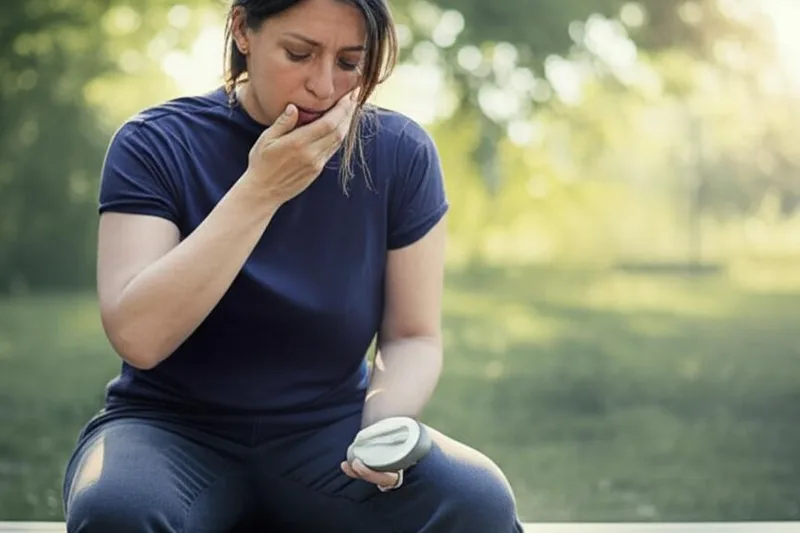
It is very normal for us to feel pressure, burden, or what we call ' stress ', both for small and big things in our lives. In fact, sometimes this stress is what motivates us to do things. When a painful event occurs, such as a serious illness, the loss of a job, or the death of a family member, it is also part of life to feel great pressure, sadness, and anxiety. There is nothing wrong with feeling that way for a while.
However, if this sadness and anxiety has been going on for more than a few weeks, and it's starting to interfere with your household chores or work, you should definitely see your doctor and talk about it . If necessary, they can help you through therapy, medication, and other methods.
Things you can do to manage stress before it escalates
There are many things we can learn to manage stress before it becomes a major burden. These few tips will help you do just that.
- Look at everything positively: First, accept that there are some things we cannot control . When you do, you will feel a great sense of freedom.
- Be Assertive: Instead of shouting your feelings and opinions in an angry, defensive manner, practice expressing them calmly, clearly, and firmly. Don't be afraid to say, "This is how I feel."
- Manage your time: When you learn to organize your work, unnecessary stress simply stops.
- Set boundaries for yourself: Learn to say "no" to requests that are too stressful for you to handle. You don't have to suffer by trying to please everyone.
- Make time for hobbies: Find a little time each day to do something you enjoy, like drawing, reading a book, listening to a song, or doing some gardening.
- Don't turn to the wrong things: Don't turn to alcohol, drugs, or other harmful substances to relieve stress. In fact, those things will only add more stress to your body.
- Maintain social connections : Spend time with friends and family who love you and understand you. It's a great relief to have someone to talk to about whatever's on your mind.
- Seek professional help: Seeking treatment from a professional, such as a psychologist trained in stress management, can help you learn healthy ways to cope with this condition.
The most important thing is, never be ashamed to ask for help. Stress is not a weakness, it is a condition that can happen to anyone.
Lifestyle changes: real solutions to stress
In addition to these things, adding small changes to your lifestyle can also help you manage stress . Let's see what they are.
1. Exercise is great medicine.
First of all, physical activity, that is, exercise, improves the quality of your sleep. Getting good sleep also means it's easier to manage stress. Even doctors have found that people who exercise get better deep sleep (Slow Wave Sleep), which repairs the brain and body. However, exercising too close to bedtime can disrupt sleep for some people, so be careful about that too.
Also, when we exercise, we release hormones that make us feel happy. For example, hormones like endorphins and endocannabinoids, which reduce pain and improve sleep, are released. These hormones are also responsible for the strange feeling of euphoria that some people feel after a long run ("runner's high").
People who exercise tend to think more positively about themselves, and they also tend to have lower levels of anxiety. When your body feels good, your mind naturally feels good too.
| Exercises and activities that help reduce stress | |
|---|---|
| Regular exercise |
|
| Things that can be added to daily life |
|
2. The influence of diet
The benefits of a healthy diet not only affect your physical health, but also your mental health. A balanced diet can reduce the effects of stress, strengthen the immune system, and control blood pressure.
On the other hand, foods high in sugar and fat, aka "junk food," do the exact opposite. It's normal to crave these foods more when you're stressed. But don't fall into that trap.
To stay healthy, add complex carbohydrates, lean proteins, and fatty acids found in fish, meat, eggs, and nuts to your diet.
Also, foods rich in antioxidants are very important. These help protect our cells from damage caused by chronic stress. You can get these from beans, fruits, berries, vegetables, and spices like ginger.
3. The value of a good night's sleep
One of the most common side effects of stress is insomnia. If you can't sleep for at least three days a week for three months, you may have insomnia . Sleep deprivation increases stress, and stress makes it harder to sleep. It's like a vicious cycle.
These habits will help you sleep better:
- Exercise regularly every day.
- Get exposed to the sun during the day.
- Avoid drinking alcohol and caffeine (tea, coffee) close to bedtime.
- Get into the habit of going to bed and waking up at the same time every day.
- Stop using your phone, tablet, or TV 30-60 minutes before bed.
- Try meditation or a calming technique before bed.
4. Relaxation Techniques
There are several other very effective ways to control stress.
- Yoga: Yoga is both an exercise and a meditation. Yoga methods, especially those that involve slow movements, stretching, and deep breathing, are great for reducing stress.
- Meditation: This method has been used by people for thousands of years and is very effective. Sit in a quiet place, in a comfortable position, and focus only on your breathing. Let the thoughts come and go, without judging them.
- Deep Breathing: When we breathe deeply, our body's natural calming ability is activated. This provides more oxygen to the brain and calms the nervous system.
- Connecting with people: Talking about what's on your mind with a trusted friend or family member is a natural way to reduce stress.
- Laughter Therapy: When you laugh out loud, your body gets more oxygen. Your heart, lungs, and muscles are stimulated. It also releases hormones that bring happiness to your mind. Watching a funny story and having fun with friends is a great antidote to stress.
- Talk Therapy: Some people find talk therapy very helpful in dealing with long-term stress. For example, a method called Cognitive Behavioral Therapy (CBT) can help you change your negative thought patterns. It is important to consult a qualified doctor or psychologist for this.
Take-Home Message
- Stress is normal, but it is in your hands to control it.
- Exercise, a healthy diet, and adequate sleep are three of the most powerful weapons against stress.
- Practice calming techniques like meditation and deep breathing every day. These don't take much time.
- Don't carry your burden alone. Talk to someone you trust.
- If stress is difficult to control and is affecting your daily life, don't hesitate to seek medical advice.


💬 Comments (0)
No comments yet. Be the first to share your thoughts here.
Add Your Comment