
When your specialist or family doctor recommends an under-the-skin hormone-blocking shot (octreotide subcutaneous injection), understanding its clinical meaning, medical causes for use, normal dosing ranges, and next steps makes home treatment much safer and far less stressful. Unlike everyday pain relievers or antibiotics, octreotide (often known by the brand name Sandostatin) acts like a targeted master brake on overactive hormone signals inside your pituitary gland and digestive tract.
Have you ever wondered why a tiny injection just beneath the skin can calm down intense facial flushing, relentless watery diarrhea, or excess growth hormone all at once? Think about it for a second: your body naturally makes a hormone-quieting messenger called somatostatin, yet that natural version breaks down in your bloodstream within just two to three minutes. Octreotide solves that exact problem by staying active for hours.
Whether you have just picked up your first prescription box or you are transitioning toward a monthly clinic shot, we doctors want you to feel confident at every step. Below, we walk you through how this medication works, exact dosing schedules, key blood test targets, practical home injection habits, and warning signs that require urgent care.
📌 Key Takeaways at a Glance
- What it does: Octreotide subcutaneous injection is a synthetic hormone-brake medication (somatostatin analog) that slows down excess growth hormone and digestive tumor hormones.
- Main reasons it is prescribed: We doctors see it prescribed primarily for excess growth hormone disorder (acromegaly) and severe flushing or diarrhea from hormone-secreting gut or lung tumors (neuroendocrine tumors).
- Typical dosing schedule: Most adults inject between 50 and 200 micrograms under the skin two to three times a day at first, often as a bridge before switching to a once-monthly clinic injection.
- Smart home technique: Store unopened vials in the refrigerator, roll the dose gently between your palms to warm it before injecting, and rotate spots across your abdomen, outer thighs, or upper arms.
- Routine safety checks: Working alongside your Primary Care Physician (PCP) or family GP clinic and specialist, you will need periodic checks of your blood sugar, thyroid function, vitamin B12, and gallbladder.
What Is an Octreotide Subcutaneous Injection: Clinical Meaning, Causes, Normal Ranges & Next Steps?
An octreotide subcutaneous injection is a prescription under-the-skin hormone-blocking medication (somatostatin analog) used to treat excess growth hormone (acromegaly) and severe flushing or watery diarrhea caused by neuroendocrine tumors. Typical adult starting doses range from 50 to 100 micrograms two to three times daily, guided by specialist hormone blood tests.
To understand how this medicine works, look at what happens inside your endocrine and digestive systems. Natural somatostatin acts as a biological "off switch" that stops cells from releasing too much growth hormone, insulin, glucagon, serotonin, and gut fluids. Because octreotide is engineered to resist rapid enzyme breakdown, a single subcutaneous dose keeps working for roughly eight to twelve hours. Pretty impressive for such a small volume of liquid, right?
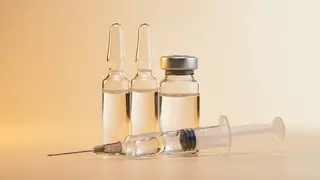
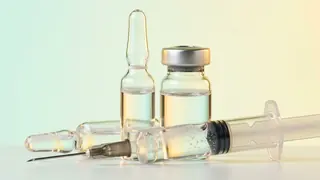
It also helps to distinguish the clear liquid immediate-release octreotide subcutaneous injection from the thick, milky long-acting depot injection (octreotide LAR). You inject the subcutaneous version into the fatty layer right beneath your skin several times a day. By contrast, octreotide LAR must only be injected deep into the buttock muscle by a nurse or doctor once every four weeks. Doctors usually start you on the short-acting subcutaneous injection for at least two weeks first to confirm your body tolerates the medicine well before moving to a monthly depot shot.
What Medical Causes and Conditions Require Octreotide Subcutaneous Therapy?
Why would an endocrinologist, oncologist, or gastroenterologist prescribe this specific injection rather than a standard tablet? Because octreotide is a delicate protein chain (peptide), stomach acid would digest it immediately if you swallowed it as a conventional pill, which is why under-the-skin delivery is so reliable. We doctors coordinate care most often for three proven medical causes:
- Excess growth hormone disorder (acromegaly): When a benign pituitary gland tumor releases too much growth hormone, hands, feet, jawbones, and internal organs gradually enlarge, raising blood pressure and blood sugar. Octreotide is used when pituitary surgery or radiation is not suitable or has not fully normalized hormone levels.
- Tumor-triggered flushing and diarrhea (carcinoid syndrome): Slow-growing hormone-secreting tumors (metastatic carcinoid tumors) release bursts of serotonin and similar chemicals, causing sudden hot red facial flushing, wheezing, and exhausting watery diarrhea.
- Watery diarrhea tumors (VIPomas): Rare pancreatic tumors that overproduce vasoactive intestinal peptide trigger massive fluid and potassium loss through watery stools; octreotide rapidly slows intestinal fluid secretion and helps restore hydration.
In hospital settings, specialists also sometimes prescribe octreotide for severe upper digestive bleeding or high-output intestinal fistulas. In your Primary Care Physician (PCP) or family GP clinic, we distinguish carcinoid flushing and diarrhea from everyday irritable bowel syndrome, menopause hot flashes, or food intolerances through targeted blood and urine tests before referring you to an endocrinologist or oncologist.
What Are the Normal Dosing Ranges and Target Lab Cutoffs?
Be honest, looking at microgram numbers on syringes and hormone lab sheets can feel confusing at first, haven't you noticed that? Getting clear on both normal dosing ranges and the target biomarker cutoffs your care team tracks takes away the guesswork. Remember, your specialist tailors every dose to your symptoms and kidney or liver health.
- Acromegaly dosing & normal lab targets: Treatment usually begins at 50 micrograms (mcg) injected subcutaneously three times daily. After two weeks, specialists commonly adjust the dose to 100 to 200 mcg three times daily (rarely up to a maximum of 500 mcg three times daily). The clinical goal is bringing fasting growth hormone (GH) down below 1.0 ng/mL (or under 2.5 ng/mL on older assays) and normalizing Insulin-Like Growth Factor-1 (IGF-1) into your normal age- and sex-matched reference range.
- Carcinoid syndrome dosing & lab checks: During the first two weeks, adults typically use 100 to 600 mcg per day divided into two to four subcutaneous injections (average maintenance around 300 to 450 mcg daily), plus occasional extra "rescue" doses for breakthrough flushing as prescribed. Specialists monitor 24-hour urine 5-HIAA (normal typically 2 to 9 mg per 24 hours, depending on the lab) alongside symptom frequency.
- VIPoma dosing: Starting total daily doses usually range from 200 to 300 mcg per day in two to four divided injections, adjusted until watery stools calm down and blood potassium (normal 3.5 to 5.0 mmol/L) stabilizes.
Alongside specialist hormone markers, your family GP will periodically check your fasting blood glucose (normal 70 to 99 mg/dL in the US, or 3.9 to 5.5 mmol/L in the UK, Canada, and Australia), thyroid-stimulating hormone (TSH, typically 0.4 to 4.0 mIU/L), and serum vitamin B12. Makes sense why team-based follow-up matters so much, right?
How Do You Prepare, Store, and Inject Octreotide Safely at Home?
Once a nurse or pharmacist walks you through your first injection in person, home dosing quickly becomes second nature. Following clean, consistent preparation rules protects the medication's potency and minimizes skin soreness.
- Store vials properly: Keep unopened ampules or multi-dose vials in your refrigerator between 36°F and 46°F (2°C to 8°C) inside their outer carton, away from light—and never freeze them. Traveling for work or a family trip? Sealed octreotide vials can safely stay at controlled room temperature (up to 77°F / 25°C) protected from light for up to 14 days.
- Warm and inspect the dose: Cold liquid stings under the skin! Roll the vial gently between your warm palms for a minute—never shake it vigorously or microwave it. Check that the liquid is crystal clear and colorless; discard it if you see cloudiness or floating particles.
- Wash up and rotate sites: Wash your hands with soap and water, wipe the rubber vial stopper and your chosen skin spot with an alcohol swab, and let it air-dry. Rotate systematically between your lower abdomen (at least two inches away from your belly button), the front or outer thighs, and the backs of your upper arms.
- Inject smoothly and time meals wisely: Pinch a clean fold of skin, insert the short subcutaneous needle at a 45- to 90-degree angle as taught by your nurse, press the plunger steadily, and place the used needle straight into a puncture-proof sharps container. Whenever possible, space injections between meals or right at bedtime to cut down on stomach cramps and loose stools.
How Do Octreotide Formulations, Side Effects, and Next Steps Compare?
Remember how we talked earlier about octreotide acting like a hormone brake across multiple organs? Because somatostatin receptors sit in your gallbladder, pancreas, heart, and thyroid too, knowing what each clinical change means helps you respond calmly. Here is a practical side-by-side guide:
| Clinical Factor or Symptom | Clinical Meaning & Practical Next Step |
|---|---|
| Immediate-Release Subcutaneous Shot vs. Monthly LAR Depot | The clear subcutaneous shot works fast over 8–12 hours for initial testing or breakthrough flares, whereas the milky LAR shot releases slowly from muscle over 28 days. What you should do: Never inject milky LAR fluid yourself at home; overlap short-acting shots for 2 weeks after your first LAR dose only if your specialist instructs you to. |
| Mild Bloating, Gas, or Pale Loose Stools | Octreotide temporarily slows digestive enzymes and gallbladder squeezing, which can leave extra unabsorbed fat in your stool (steatorrhea) during early weeks. What you should do: Inject between meals or at bedtime, eat smaller low-fat meals, and ask your doctor if pancreatic enzyme capsules could help if greasy stools persist. |
| High or Low Blood Sugar Swings | Because octreotide alters both insulin and glucagon release, blood sugar can either dip too low or climb higher than usual, especially if you take diabetes medicine. What you should do: Check fingerstick glucose more often when starting or changing doses, keep glucose tablets handy, and share your readings with your PCP or GP. |
| Upper Right Belly Ache After Eating | Up to 20–30% of long-term users develop gallbladder sludge or gallstones (cholelithiasis) because the gallbladder contracts less forcefully after meals. What you should do: Book a prompt evaluation with your GP or specialist so we can arrange an abdominal ultrasound and check liver blood tests. |
| Unusual Fatigue, Feeling Cold, or Dizziness | Long-term therapy can mildly lower thyroid hormone output (hypothyroidism) or slow your resting heart rate (bradycardia). What you should do: Check your pulse if you feel lightheaded, don't skip routine TSH blood tests, and let your doctor review any heart-rate-slowing pills you take. |
| Red, Tender Lumps at Injection Spots | Injecting cold liquid or using the exact same patch of skin repeatedly irritates fatty tissue and reduces smooth absorption. What you should do: Warm the vial between your hands before drawing up your dose, and keep a simple calendar map so no single spot is used twice in two weeks. |
What Side Effects, Drug Interactions, and Daily Habits Matter Most?
Most people notice mild stomach rumbling, gas, or slight injection-site stinging during the first week or two, and those symptoms often settle down nicely as your gut adjusts. Still, look at what happens when octreotide meets other daily medications in your cabinet: because it slows gut movement and shifts hormone balance, drug interactions deserve real attention.
- Insulin and diabetes tablets: Sulfonylureas, insulin, or GLP-1 medications may need dose adjustments right away to prevent shaky low blood sugar episodes.
- Heart-rate medications: Combining octreotide with beta-blockers (like metoprolol or bisoprolol) or certain calcium channel blockers (like diltiazem or verapamil) can slow your pulse further, so your GP may monitor an ECG and pulse rate.
- Cyclosporine and narrow-window drugs: Octreotide significantly reduces oral cyclosporine absorption from the gut, which is vital for transplant patients, and can alter how your liver clears certain other prescription medicines.
- Everyday food and hydration habits: Heavy, greasy takeout—like deep-fried fish and chips, burgers, cheesy pizza, or rich cream sauces—often triggers cramps and pale stools while on octreotide. Gentler everyday choices like warm oatmeal or porridge, grilled chicken breast, baked salmon, steamed rice, mashed potatoes, and plenty of water or weak ginger tea keep digestion much happier. If you have watery diarrhea from carcinoid syndrome, sipping an oral electrolyte drink helps replace lost sodium and potassium.
✔️ What You Should Do & ❌ What to Avoid
- ✔️ DO keep a symptom and site diary: Jot down your daily flushing episodes, bowel movements, blood sugar checks, and which body zone you injected so your specialist can fine-tune your dose accurately.
- ✔️ DO use an approved sharps container: Obtain a rigid sharps disposal bin from your local pharmacy, council, or clinic rather than tossing used needles into household trash.
- ✔️ DO carry a cooler pack and prescription letter when traveling: On summer road trips or flights across the US, UK, Canada, or Australia, pack vials in an insulated medical pouch so airport security and warm car interiors never ruin your supply.
- ❌ DON'T double up a missed dose: If you forget a scheduled injection, take it as soon as you remember unless your next dose is almost due—in that case, skip the missed one and stay on your regular clock.
- ❌ DON'T stop injections abruptly without medical advice: Suddenly halting octreotide in carcinoid syndrome or VIPoma can trigger a rapid rebound of severe flushing, blood pressure swings, or dehydrating diarrhea.
🚨 When to Seek Immediate Emergency Care (Red-Flag Symptoms)
If you or someone near you develops any of these red-flag symptoms, do not wait — call 911 (or 999 in the UK / 000 in Australia) immediately or go straight to the nearest hospital Emergency Room (ER / A&E):
- Acute gallbladder or pancreas attack signs: Severe, steady pain in your upper right or middle abdomen spreading to your back or right shoulder, accompanied by fever, chills, persistent vomiting, or yellowing of your eyes and skin (jaundice).
- Severe allergic reaction (anaphylaxis): Sudden swelling of your lips, tongue, face, or throat, hives, tightness in your chest, or trouble breathing shortly after an injection (you can also call 911 in the US & Canada, 999 or 111 for urgent guidance in the UK, or 000 in Australia).
- Dangerous heart rhythm slowdown: Fainting, near-blackout dizziness, chest pressure, or a pulse that feels unusually slow or irregular.
- Severe low blood sugar or dehydration crisis: Confusion, slurred speech, seizures, inability to keep fluids down, or extreme weakness from relentless watery diarrhea.
- Carcinoid crisis symptoms: Intense purple-red full-body flushing, pounding heart, severe wheezing, or sudden lightheadedness from plummeting blood pressure.
💡 Key Take-Home Message
- Octreotide subcutaneous injection acts as a dependable, longer-lasting version of your body's natural somatostatin brake, controlling acromegaly growth hormone excess and neuroendocrine tumor symptoms.
- Gentle vial warming, systematic skin-site rotation, and spacing shots away from meals prevent most day-to-day discomfort.
- Regular check-ins with your Primary Care Physician (PCP) or family GP and your specialist ensure your blood sugar, thyroid, vitamin B12, and gallbladder stay protected over the long run.
No comments yet. Be the first to share your question or experience below.