

Does your young child suddenly get angry, start crying loudly, or fall flat on the floor in public? You might feel a heavy weight in your chest and wonder what you should do next. This is a very common experience for mothers and fathers around the world. Today, we will talk about child temper tantrums in depth and explore how you can handle them with ease.
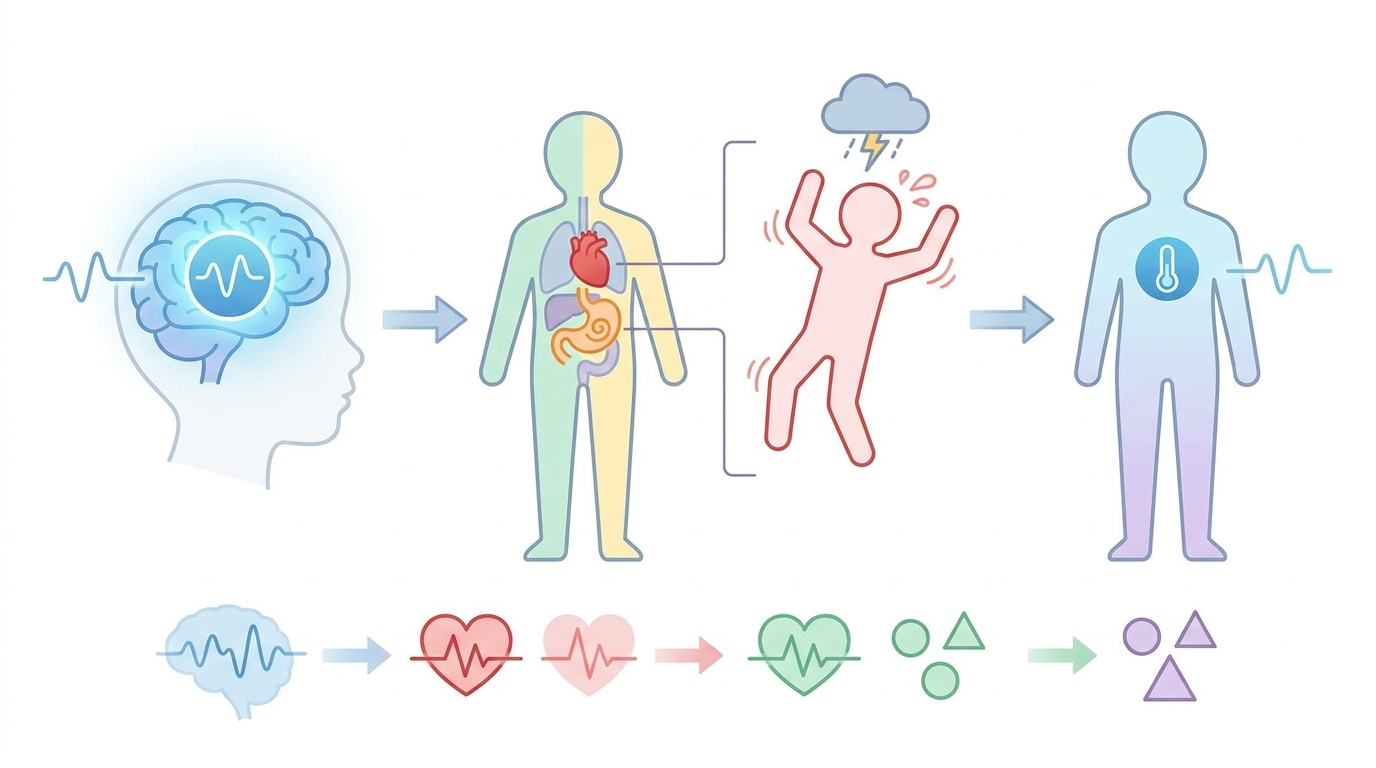
Temper tantrums are a natural part of growing up. Understanding why they happen can help you stay calm and support your little one. Let us explore everything you need to know about navigating these intense emotional moments.
Key Takeaways.
- Temper tantrums are a normal part of early childhood development between ages 1 and 4.
- Outbursts usually happen because children lack the verbal skills to express big feelings.
- Staying calm during an episode helps your child feel safe and learn emotional regulation.
- Establishing consistent routines, good sleep habits, and healthy meals can reduce tantrum frequency.
- Consult a doctor if tantrums last longer than 15 minutes or persist past age 4.
What Is a Temper Tantrum?
Simply put, a temper tantrum is an outburst where a child expresses overwhelming anger and frustration. They cannot easily control these powerful feelings, so the emotions burst out. This behavior is never planned or manipulative. Your child might shout words, wave their arms, or kick their legs to release the tension.
You might notice your child acting stubborn or difficult. This often happens because they cannot find the exact words to tell you what they want or need. Imagine asking your child to clean up toys or saying no to a toy at the store. Even a small restriction can trigger a massive reaction involving crying and shouting. The child's reaction is much bigger than the actual event.
Should We Worry About Toddler Temper Tantrums?
Temper tantrums are a completely normal part of child development. Children experience these moments as they try to become more independent. This behavior is most common between the ages of 1 and 4 years old. Some children may experience a tantrum once a day.
As children grow and start school, they learn to express their needs using words. Because of this, tantrums gradually decrease over time. A typical temper tantrum usually lasts anywhere from 2 to 15 minutes.
If your child's temper tantrum lasts longer than 15 minutes or involves severe aggression, you should pay close attention. In such cases, talking to your doctor is always the best course of action.
Why Do Little Children Get So Angry? Causes and Triggers.
There are several reasons why young children experience frequent temper tantrums. Here are the primary triggers:
- Frustration: Feeling upset when things do not go their way or when a task is too hard.
- Need for Attention: Wanting your focus and engagement when you are busy.
- Desire for Objects: Wanting a specific toy, snack, or item and being told no.
- Resistance to Requests: Trying to avoid instructions like cleaning toys or leaving a fun playground.
- Hunger: Low blood sugar can make young children very irritable and restless.
- Fatigue: Extreme tiredness and lack of enough sleep often trigger intense meltdowns.
Children also face an internal emotional conflict. They desperately want to do things on their own and feel independent. At the same time, they crave the comfort, love, and safety of their parents. Balancing these two opposing desires creates immense emotional pressure.
Young children do not yet have the strong coping skills needed to manage frustration. Because their verbal skills are still developing, they cannot always explain their feelings. They use the easiest method available to release tension: crying, shouting, and moving wildly.
Does a Tantrum Mean I Am a Bad Parent?
Absolutely not! Your child having a temper tantrum does not mean you are a bad mother or father. Understanding this fact is crucial for your peace of mind. Tantrums depend heavily on your child's personality, their immediate environment, and their current developmental stage. Every parent encounters this behavior as their child grows, so you should never blame yourself.
What Are the Signs and Symptoms of a Temper Tantrum?
When a young child is having a temper tantrum, you may observe several distinct physical and behavioral signs:
- Whining, crying, and screaming loudly in public or at home.
- Kicking, hitting, or sometimes biting nearby objects or people.
- Flailing arms and legs while thrashing around on the floor.
- Holding their breath temporarily during intense moments of crying.
- Becoming physically stiff and tense, or going completely limp and falling to the ground.
What Should We Do When a Child Has a Tantrum?
Knowing how to respond during a meltdown helps you keep everyone safe. Here are practical steps to handle temper tantrums effectively:
- Redirect Their Attention: If you notice a tantrum starting, try to shift their focus quickly. Point out an interesting object or invite them into a new, engaging activity.
- Stay Calm: This is the most important rule of all. Never shout, threaten, or argue while your child is melting down. Wait until they calm down completely before discussing their behavior.
- Ignore Minor Tantrums: Ignoring minor outbursts teaches your child that disruptive behavior does not help them get what they want.
- Keep Your Child in Sight: If you are in a public place, keep your child within your line of vision at all times. If you worry they might hurt themselves or others, move them to a calm area.
- Ensure Physical Safety: Clear sharp or fragile objects away from the immediate area. If your child tries to hurt themselves, hold them gently and securely. If the behavior becomes unmanageable, guide them to a safe space for a brief timeout.
What You Should Never Do:.
- Giving In to Demands: Changing your mind and giving them what they want teaches them that tantrums work. If you are at home and your child is safe, you can leave them in a room to calm down.
- Retaliating with Aggression: Never hit, bite, or kick your child back. They will think aggression is an acceptable way to express feelings. Clearly and calmly explain that hitting hurts and is not allowed.
What Should You Do After the Tantrum Ends?
Once the storm passes and your child is calm, you can talk about what happened. This follow-up conversation helps prevent future tantrums:
- Praise Their Calm Behavior: Acknowledge good choices and positive actions. Specific praise works best. Instead of saying you are good, say, "Thank you for using a quiet voice at the store today.".
- Validate Their Feelings: Let your child know that you understand their frustration and want to help. Children appreciate feeling heard and supported.
- Teach Names for Emotions: Help your child label feelings like anger, sadness, or disappointment. Say, "I see that you feel angry right now because your face is red and you were crying.".
- Teach Problem-Solving Skills: Guide your child on how to handle difficult situations calmly. This helps them build independence and reduces future outbursts.
- Set a Good Example: Children copy how parents behave. Show healthy ways to manage your own stress and frustration so your child can follow your lead.
Can You Prevent Temper Tantrums?
You cannot create a world completely free of tantrums because outbursts are a natural way children communicate needs. However, you can reduce their frequency and severity with these strategies:
- Offer Controlled Choices: Give your child reasonable options within safe limits. Let them choose between two shirts or two snacks. This gives them a sense of control.
- Prepare for Transitions: Moving from playtime to home or leaving the house can be difficult. Give your child advance notice before a transition happens.
- Prioritize Sleep and Nutrition: Irritability often stems from poor nutrition or a lack of sleep. Ensure your child eats balanced meals and gets plenty of rest every night.
| Situation. | Helpful Response (Do). | Unhelpful Response (Don't). |
|---|---|---|
| Store Outburst. | Stay calm, keep your voice quiet, and move to a quiet area. | Shout back, argue loudly, or give them the item they demanded. |
| Bedtime Resistance. | Provide gentle advance notice and offer a choice of bedtime books. | Force them abruptly without warning or lose your temper. |
| Toy Cleanup Time. | Praise cooperation and help them sort toys step by step. | Threaten punishment or give in and clean up everything yourself. |
When Should You Talk to a Doctor About Tantrums?
You should consult your pediatrician or doctor if you notice any of these red flags:
- Tantrums continue often past the age of 4 or worsen over time.
- The child regularly harms themselves, injures others, or destroys property during outbursts.
- The child holds their breath until fainting or losing consciousness.
- Frequent physical complaints occur alongside tantrums, such as headaches, stomachaches, or severe anxiety.
- You feel overwhelmed and unsure how to manage outbursts safely on your own.
When to Seek Emergency Help.
Call emergency services right away (such as 911 in the US/Canada, 999 in the UK, or go to your nearest Emergency Department) if your child experiences severe breathing difficulties, prolonged loss of consciousness after breath-holding, or severe physical injury during a tantrum.
When you visit your doctor, be prepared to answer questions about your child's routine and behavior:
- When do these temper tantrums usually happen during the day?
- What specific event happens right before the outburst starts?
- How long do the tantrums typically last?
- How do you usually respond when your child acts out?
- Have there been any major changes in your home or school environment recently?
- Does your child experience sleep disorders or other behavioral challenges?
Take-Home Message.
Temper tantrums can be challenging, but they are a normal part of child development. Children between ages 1 and 4 experience them often as they learn to balance independence with a desire for parental attention. Because young children lack advanced verbal skills, they express big feelings through physical outbursts.
When a tantrum occurs, stay calm and validate your child's emotions. Once they settle down, teach them healthy ways to express their feelings. If tantrums persist past age 4, last longer than 15 minutes, or involve severe aggression, consult a doctor for guidance and support.
A Note from Dr. Priya Sammani.
Managing child behavior and temper tantrums requires immense patience and empathy. Recognizing that these outbursts are a natural developmental stage helps parents respond with confidence rather than frustration. Always prioritize safety, maintain consistent routines, and consult your pediatrician whenever you need professional guidance.


💬 Comments (0)
No comments yet. Be the first to share your thoughts here.
Add Your Comment