
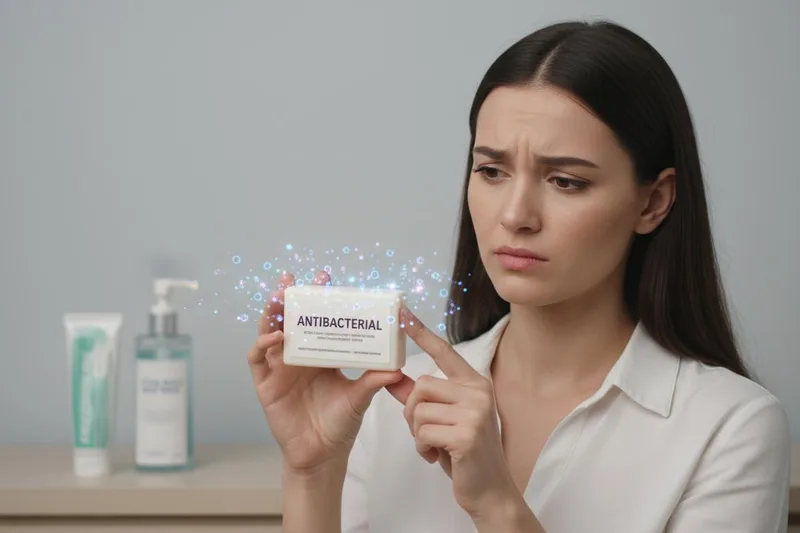
Do the soaps and toothpastes you use contain this stuff? Let's learn about Triclosan!

Do the soaps and toothpastes you use contain this stuff? Let's learn about Triclosan!

When we go to the store, especially where there are soaps and body washes, how many times do we see labels that say "antibacterial" or "antibacterial"? Washing your hands with such soap makes you feel a little free, doesn't it? But, have you ever wondered if these "antibacterial" products are actually better than regular soap, or if they are causing us harm without us knowing? Today we are talking about a chemical that was, and still is, found in many such products. That is Triclosan.

Simply put, what is Triclosan?

Triclosan is a chemical that is added to various products. Its main property is to stop the growth of bacteria or kill bacteria. In the past, because of this ability to kill germs, many of the "antibacterial" soaps and body washes we buy in stores often contained this triclosan.

However, in 2016, the US Food and Drug Administration (FDA) banned the sale of soaps and body washes containing triclosan, which consumers use. Imagine, this ban affected about 40% of the soaps on sale at the time.

The main reason for this ban was that research has shown that using these can have long-term effects on our health and that they do not provide any significant benefits over washing hands with regular soap and water . There was also a lot of talk about the possibility that some bacteria could become drug-resistant if these chemicals were used continuously.

If not in soap, what other things contain triclosan now?

Although banned from soaps and body washes, triclosan can still be found in many of the things we use, especially personal care products, cosmetics, and household cleaning products, where it can be found in amounts between 0.1% and 0.3%.

You can get a good idea about this from the table below.

Product type Examples
Personal care products Fluoride-containing toothpaste, mouthwash, facial cleansers, deodorants, and creams.
Household products Detergents, dishwashing liquids.
Other things Clothes, shoes, carpets, furniture, toys, and some kitchen utensils (used to control the growth of bacteria).

Surprisingly, triclosan was first used as an insecticide in the 1960s. That means it's a really powerful chemical.

Why is there so much controversy about triclosan?

Around 2013, the FDA made a request to companies that make antibacterial soaps. It asked them to "provide data to prove that your products are safe for long-term use and are better at preventing disease than regular soap."

Researchers looked at a lot of studies on this topic. What they found was quite surprising. The risk of getting sick from people who washed their hands with soap containing triclosan was the same as the risk of getting sick from people who washed their hands with regular soap . That means there's no difference!

Simply put, all you need to clean your hands and protect them from germs is running water and a bar of regular soap.

Because of this, the companies involved were unable to prove the safety and specific efficacy of triclosan. That is why it was decided to ban it in the United States. However, this ban did not affect hand sanitizers, wipes, and disinfectants used in hospitals.

So there are no benefits to triclosan?

That's not true. Triclosan has been found to have some benefits in some products. For example, the FDA itself has confirmed that adding triclosan to some toothpastes can help prevent gingivitis.

However, apart from a few specific cases like this, the presence of triclosan in most other products has not yet been proven to provide any specific benefit to human health.

What are the possible health risks of triclosan?

When we use a product containing triclosan, a small amount of it can be absorbed into the body through our skin or mouth. In a large study conducted in the United States, urine samples from more than 2,500 people over the age of 6 were tested. Surprisingly, 75% of them, or three out of four, were found to have triclosan in their urine.

This shows how much we are unknowingly exposed to this chemical. Just because we find it in our bodies doesn't mean we will develop a disease. However, research shows that long-term exposure to it can pose certain health risks.

  • Allergies: Some people may experience skin allergies and rashes when using products containing triclosan. There is also a belief that this may affect the development of some food allergies.
  • Hormonal Disruption: This is the one that most people are concerned about. Triclosan is an “endocrine-disrupting chemical.” Simply put, it can disrupt the balance of our body’s endocrine system. Some animal studies have shown that high exposure to triclosan can lower thyroid hormone levels. This is especially dangerous for pregnant women. This chemical can cross the placenta and be passed to the baby through breast milk.
  • Antibiotic Resistance: This is the most dangerous risk. When we get sick, the antibiotics that the doctor prescribes can become ineffective against some bacteria, and the continued use of things like triclosan can cause this. This is what we call ``antibiotic resistance.'' This situation has become a major threat to the world.
  • Cancer risk: There are conflicting opinions on this. Some studies suggest that long-term exposure to triclosan may increase the risk of certain types of cancer. However, other research suggests that it may have potential as a cancer treatment. Therefore, further research is needed on this topic.

Take-Home Message

  • Soaps containing triclosan, which are labeled as "germicidal" or "antibacterial," are not any more effective at killing germs than regular soap.
  • The best and safest way to keep your hands clean is to wash them thoroughly with running water and regular soap.
  • Triclosan may still be present in many other products, such as toothpaste, mouthwash, and deodorant.
  • Long-term exposure to triclosan can cause health risks such as hormonal problems, allergies, and antibiotic resistance.
  • As an informed consumer, it is very important to read the ingredients on the labels of the products you purchase.
  • If you have any questions or concerns about this, talk to your doctor about it.

Triclosan, antibacterial soap, soap, health risks, hormones, antibiotic resistance

Frequently Asked Questions (FAQ)

So there are no benefits to triclosan?

That's not true. Triclosan has been found to have some benefits in some products. For example, the FDA itself has confirmed that adding triclosan to some toothpastes can help prevent gingivitis.

⚠️ Important: The medical articles and information on Nirogi Lanka are for general awareness only, and are by no means a substitute for professional medical advice, diagnosis, or treatment. For any medical problem you have, consult a qualified physician immediately.

💬 Comments (0)

No comments yet. Be the first to share your thoughts here.

Add Your Comment

Please calculate: 6 + 3 =
Do the soaps and toothpastes you use contain this stuff? Let's learn about Triclosan!

Do the soaps and toothpastes you use contain this stuff? Let's learn about Triclosan!

When we go to the store, especially where there are soaps and body washes, how many times do we see labels that say "antibacterial" or "antibacterial"? Washing your hands with such soap makes you feel a little free, doesn't it? But, have you ever wondered if these "antibacterial" products are actually better than regular soap, or if they are causing us harm without us knowing? Today we are talking about a chemical that was, and still is, found in many such products. That is Triclosan.

Simply put, what is Triclosan?

Triclosan is a chemical that is added to various products. Its main property is to stop the growth of bacteria or kill bacteria. In the past, because of this ability to kill germs, many of the "antibacterial" soaps and body washes we buy in stores often contained this triclosan.

However, in 2016, the US Food and Drug Administration (FDA) banned the sale of soaps and body washes containing triclosan, which consumers use. Imagine, this ban affected about 40% of the soaps on sale at the time.

The main reason for this ban was that research has shown that using these can have long-term effects on our health and that they do not provide any significant benefits over washing hands with regular soap and water . There was also a lot of talk about the possibility that some bacteria could become drug-resistant if these chemicals were used continuously.

If not in soap, what other things contain triclosan now?

Although banned from soaps and body washes, triclosan can still be found in many of the things we use, especially personal care products, cosmetics, and household cleaning products, where it can be found in amounts between 0.1% and 0.3%.

You can get a good idea about this from the table below.

Product type Examples
Personal care products Fluoride-containing toothpaste, mouthwash, facial cleansers, deodorants, and creams.
Household products Detergents, dishwashing liquids.
Other things Clothes, shoes, carpets, furniture, toys, and some kitchen utensils (used to control the growth of bacteria).

Surprisingly, triclosan was first used as an insecticide in the 1960s. That means it's a really powerful chemical.

Why is there so much controversy about triclosan?

Around 2013, the FDA made a request to companies that make antibacterial soaps. It asked them to "provide data to prove that your products are safe for long-term use and are better at preventing disease than regular soap."

Researchers looked at a lot of studies on this topic. What they found was quite surprising. The risk of getting sick from people who washed their hands with soap containing triclosan was the same as the risk of getting sick from people who washed their hands with regular soap . That means there's no difference!

Simply put, all you need to clean your hands and protect them from germs is running water and a bar of regular soap.

Because of this, the companies involved were unable to prove the safety and specific efficacy of triclosan. That is why it was decided to ban it in the United States. However, this ban did not affect hand sanitizers, wipes, and disinfectants used in hospitals.

So there are no benefits to triclosan?

That's not true. Triclosan has been found to have some benefits in some products. For example, the FDA itself has confirmed that adding triclosan to some toothpastes can help prevent gingivitis.

However, apart from a few specific cases like this, the presence of triclosan in most other products has not yet been proven to provide any specific benefit to human health.

What are the possible health risks of triclosan?

When we use a product containing triclosan, a small amount of it can be absorbed into the body through our skin or mouth. In a large study conducted in the United States, urine samples from more than 2,500 people over the age of 6 were tested. Surprisingly, 75% of them, or three out of four, were found to have triclosan in their urine.

This shows how much we are unknowingly exposed to this chemical. Just because we find it in our bodies doesn't mean we will develop a disease. However, research shows that long-term exposure to it can pose certain health risks.

  • Allergies: Some people may experience skin allergies and rashes when using products containing triclosan. There is also a belief that this may affect the development of some food allergies.
  • Hormonal Disruption: This is the one that most people are concerned about. Triclosan is an “endocrine-disrupting chemical.” Simply put, it can disrupt the balance of our body’s endocrine system. Some animal studies have shown that high exposure to triclosan can lower thyroid hormone levels. This is especially dangerous for pregnant women. This chemical can cross the placenta and be passed to the baby through breast milk.
  • Antibiotic Resistance: This is the most dangerous risk. When we get sick, the antibiotics that the doctor prescribes can become ineffective against some bacteria, and the continued use of things like triclosan can cause this. This is what we call ``antibiotic resistance.'' This situation has become a major threat to the world.
  • Cancer risk: There are conflicting opinions on this. Some studies suggest that long-term exposure to triclosan may increase the risk of certain types of cancer. However, other research suggests that it may have potential as a cancer treatment. Therefore, further research is needed on this topic.

Take-Home Message

  • Soaps containing triclosan, which are labeled as "germicidal" or "antibacterial," are not any more effective at killing germs than regular soap.
  • The best and safest way to keep your hands clean is to wash them thoroughly with running water and regular soap.
  • Triclosan may still be present in many other products, such as toothpaste, mouthwash, and deodorant.
  • Long-term exposure to triclosan can cause health risks such as hormonal problems, allergies, and antibiotic resistance.
  • As an informed consumer, it is very important to read the ingredients on the labels of the products you purchase.
  • If you have any questions or concerns about this, talk to your doctor about it.

Triclosan, antibacterial soap, soap, health risks, hormones, antibiotic resistance

Frequently Asked Questions (FAQ)

So there are no benefits to triclosan?

That's not true. Triclosan has been found to have some benefits in some products. For example, the FDA itself has confirmed that adding triclosan to some toothpastes can help prevent gingivitis.

⚠️ Important: The medical articles and information on Nirogi Lanka are for general awareness only, and are by no means a substitute for professional medical advice, diagnosis, or treatment. For any medical problem you have, consult a qualified physician immediately.

💬 Comments (0)

No comments yet. Be the first to share your thoughts here.

Add Your Comment

Please calculate: 6 + 3 =