

Every year, adults experience an average of two to three viral upper respiratory infections. This young children can contract upwards of eight to ten episodes annually. Although often dismissed as a trivial inconvenience, the familiar cascade of a scratchy throat, nasal congestion, and exhausting sneezing fits can completely disrupt your productivity, sleep, and daily routine. Whether you are battling symptoms at home, managing a sick toddler, or wondering why your recovery is taking longer than expected, understanding the biological reality of this widespread illness is essential for proper management and peace of mind.
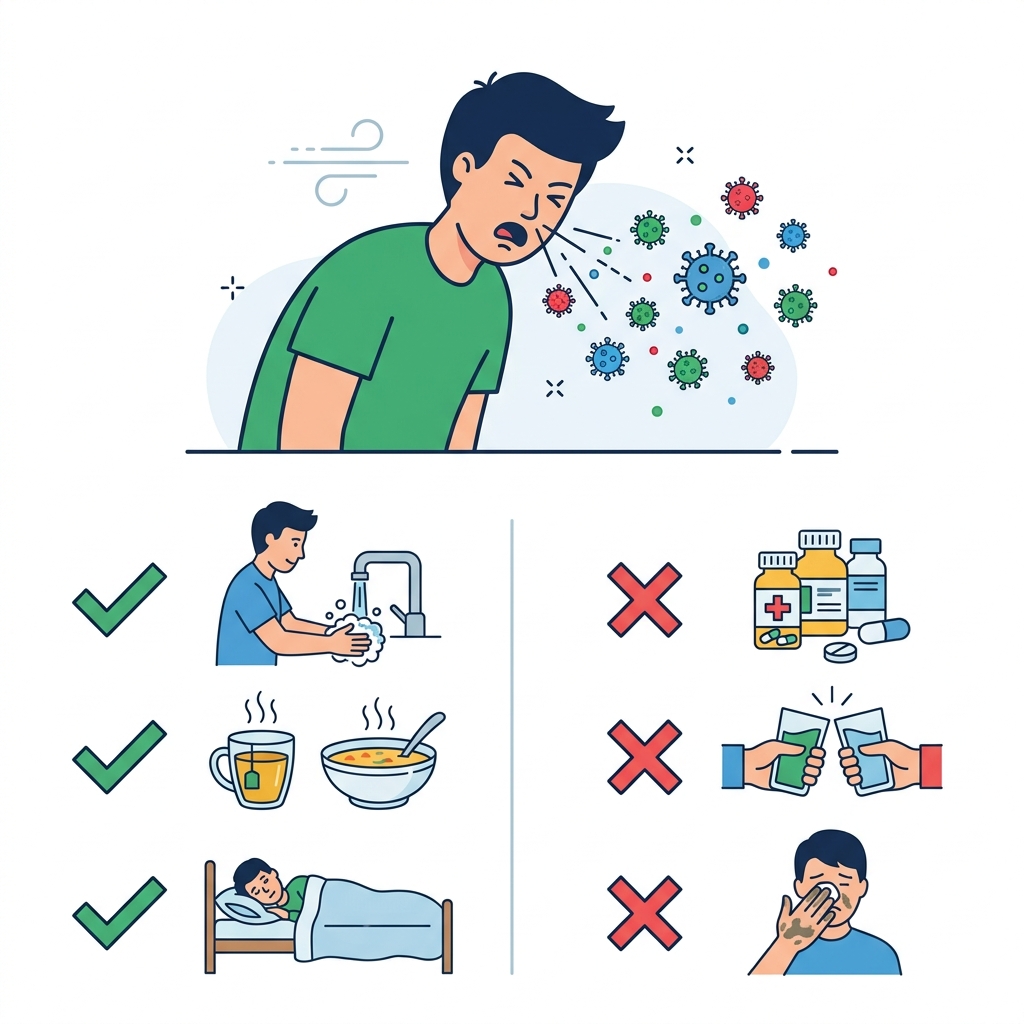
The common cold is not caused by a single pathogen, but rather by an entire constellation of viral agents capable of invading your upper respiratory mucosa. Because these viruses mutate rapidly and spread effortlessly through indoor environments, schools, and workplaces, achieving total immunity is practically impossible. However, by distinguishing between simple viral management, inappropriate antibiotic requests, and genuine medical emergencies, you can navigate recovery safely while protecting vulnerable members of your household.
Key Clinical Takeaways.
- Viral Etiology: Over 200 distinct viral strains cause the common cold, with rhinoviruses accounting for about 50% of all cases.
- Antibiotic Ineffectiveness: Antibiotics target bacteria, not viruses; taking them for a cold offers zero therapeutic benefit and promotes resistance.
- Typical Duration: Uncomplicated viral upper respiratory infections generally peak within 2 to 4 days and resolve fully within 7 to 10 days.
- Pediatric Caution: Infants under 2 months with any fever or babies showing respiratory distress require immediate emergency medical evaluation.
🤔 What Exactly is the Common Cold? (Overview).
From a clinical standpoint, the common cold is a self-limiting, acute viral inflammation of the upper respiratory tract. This encompasses the mucosal linings of the nasal cavity, pharynx (throat), paranasal sinuses, and larynx (voice box). When viral particles successfully breach the body's primary mechanical barriers, they start an immune response characterized by localized inflammation, increased mucus production, and systemic fatigue.
❓ How Does a Common Cold Develop?
The body process begins when infectious viral droplets are introduced to the mucous membranes lining your nasal passages, conjunctiva (eyes), or oral cavity. This transmission typically occurs via two primary routes:
- Inhalational Transmission (Droplet Spread): When an infected person coughs, sneezes, or talks, they project microscopic respiratory droplets containing viral loads into the surrounding air. Inhaling these suspended droplets allows the pathogen to settle directly onto your upper respiratory epithelium.
- Fomite-Mediated Contact: Infected people often transfer respiratory secretions to their hands when wiping their nose or suppressing a sneeze. Touching hard surfaces—such as doorknobs, elevator buttons, keyboards, or mobile phones—deposits viable viral particles onto these fomites. A healthy person then touches the contaminated surface and inoculates their own mucosa by rubbing their eyes, nose, or mouth.
❓ Why Is It Called the "Common Cold"?
The nomenclature reflects the sheer ubiquity of the condition. It is globally recognized as the single most frequent human illness. Adults routinely contract two to three episodes per year. This pediatric populations—whose naive immune systems are actively cataloging novel pathogens—often endure four to eight or more infections annually, especially during autumn and winter seasons when indoor crowding facilitates transmission.
❓ Is the Common Cold a Coronavirus Infection?
This represents a frequent point of clinical confusion. While the term "coronavirus" gained notoriety due to the severe acute respiratory syndrome coronavirus 2 (SARS-CoV-2) responsible for the COVID-19 pandemic, endemic human coronaviruses have long been recognized as standard agents of the common cold, responsible for roughly 10% to 15% of cases. However, these endemic strains cause mild, self-limiting upper respiratory symptoms that resolve rapidly without causing severe systemic complications, sharply distinguishing them from pandemic strains.
🤧 Symptoms and Causes (Symptoms and Clinical signs).
Unlike sudden-onset systemic illnesses, the common cold follows a predictable chronological progression through distinct clinical phases, each presenting unique physiological challenges.
❓ What Are the Symptoms of a Common Cold?
The clinical trajectory is generally categorized into three distinct phases:
- Early Stage (Days 1 to 3 - Onset): Symptoms manifest rapidly within 24 to 72 hours post-inoculation. Roughly half of all patients first notice a localized tickle, scratchiness, or mild pharyngeal pain (sore throat). This is promptly followed by paroxysmal sneezing, watery rhinorrhea (runny nose), nasal stuffiness, and sometimes mild vocal hoarseness.
- Active Stage (Days 4 to 7 - Peak Intensity): During this window, inflammatory cascades peak. Nasal secretions thicken and may transition in color to opaque yellow or green due to the influx of white blood cells (neutrophils) fighting the infection—a normal immune response, not clear proof of a bacterial superinfection. Patients often experience generalized myalgia (body aches), tension headaches, persistent nasal discharge, profound fatigue, and low-grade pyrexia (fever is more common in children than adults).
- Late Stage (Days 8 to 10 and Beyond - Resolution): Acute constitutional symptoms subside, and energy levels return to baseline. However, a post-viral dry or productive cough (nagging cough) may persist for two to three weeks as airway hyperreactivity slowly resolves. Crucial Clinical Caveat: If symptoms persist past 10 days without improvement, or if a resolving illness suddenly intensifies (secondary fever spike), consult a doctor right away, as secondary bacterial complications such as acute sinusitis, acute bronchitis, or pneumonia may have developed.
❓ Symptoms of the Common Cold in Infants.
Neonates and young infants exhibit unique physiological responses to upper respiratory infections due to their obligate nasal breathing anatomy and developing immune defenses:
- Copious nasal discharge that transitions from clear to thick, opaque yellow or green.
- Frequent sneezing and localized congestion.
- Mild to moderate fever ranging between 101°F and 102°F (38.3°C to 38.9°C).
- Significant lethargy, fussiness, and irritability.
- Marked reduction in feeding and appetite due to breathing difficulties during nursing or bottle-feeding.
- Increased drooling secondary to pharyngeal inflammation and swallowing discomfort.
- Mildly swollen cervical lymph nodes in the neck.
❓ How to Distinguish Routine Cold Symptoms from Serious Illness in Babies.
Parents must remain vigilant for red-flag symptoms that indicate a transition from a simple viral cold to a severe medical emergency. Seek immediate medical evaluation or call 911 / 999 if your infant exhibits any of the following:
- Any fever in an infant under 2 months of age.
- Severe respiratory distress, including nasal flaring with every breath.
- Extremely rapid, labored, or irregular breathing patterns.
- Audible wheezing or high-pitched whistling sounds during respiration.
- Subcostal or intercostal retractions (skin sucking in deeply around the ribs and sternum during inhalation).
- Cyanosis (bluish discoloration of the lips, tongue, or nail beds).
- Persistent refusal of fluids or signs of severe dehydration (dry mucous membranes, absence of tears, zero wet diapers over 6 to 8 hours).
- Signs of acute otalgia (tugging at ears, inconsolable crying when lying flat).
- Profound lethargy, unresponsiveness, or inability to rouse the infant.
- A persistent cough lasting longer than three weeks or a progressive worsening of symptoms rather than steady improvement.
❓ What Causes the Common Cold?
A staggering diversity of viral agents cause upper respiratory infections. Rhinoviruses reign as the primary pathogen, boasting over 100 distinct serotypes. Other contributing viral families include coronaviruses, adenoviruses, human respiratory syncytial virus (RSV), human parainfluenza viruses, and human metapneumovirus. Because immunity is serotype-specific, contracting a cold provides immunity against that exact strain but leaves you entirely susceptible to the remaining 199+ variants.
❓ Is the Common Cold Contagious, and How Does It Spread?
Yes, the common cold is exceptionally contagious. Transmission occurs via direct inhalation of infectious aerosolized droplets expelled during coughing and sneezing, or via indirect contact with contaminated fomites followed by self-inoculation of the nasal or ocular mucosa.
❓ How Long Is a Person Contagious?
Shedding of viable viral particles can begin 24 to 48 hours before the onset of overt clinical symptoms, meaning people can unknowingly transmit the virus before realizing they are sick. Viral shedding typically continues for the duration of acute symptoms (roughly 7 days) and sometimes persists at lower levels for up to two weeks. However, infectivity peaks during the first 3 days of active symptoms.
❓ What Is the Incubation Period?
The incubation period—the temporal window between initial viral exposure and the manifestation of first symptoms—ranges strictly from 12 hours to 3 days, with most people developing symptoms within 48 hours.
❓ Why Are Young Children More Susceptible?
Pediatric populations experience frequent colds because their adaptive immune systems have had minimal prior exposure to circulating respiratory viruses. so, toddlers lack immunological memory against these pathogens. also, behavioral factors amplify transmission risk: young children engage in close-contact play in daycare and school settings, often neglect proper hand hygiene, and touch their faces constantly. Shared toys and classroom surfaces retain viable viral particles for hours, sustaining continuous cycles of reinfection.
🩺 Diagnosis and Tests (Diagnostic Procedures).
Accurate clinical evaluation relies primarily on complete history-taking and physical examination rather than exhaustive laboratory testing.
❓ How Do doctors Diagnose the Common Cold?
A qualified doctor establishes a diagnosis by evaluating your chronological symptom progression and conducting a targeted physical examination, which typically evaluates:
- Inspection of the nasal turbinates for mucosal edema, erythema, and purulent secretions.
- Examination of the pharynx and tonsils for inflammation, exudate, or ulceration.
- Palpation of the anterior and posterior cervical chain to assess for lymphadenopathy.
- Auscultation of the lungs via stethoscope to ensure breath sounds are clear and to rule out lower respiratory involvement such as bronchitis or pneumonia.
❓ What Types of Tests Are Performed?
Routine laboratory testing or imaging is unnecessary for uncomplicated common colds. Clinical diagnosis is highly accurate on its own. However, if atypical clinical features arise, regional viral outbreaks occur, or differentiation from influenza, COVID-19, or streptococcal pharyngitis is medically necessary, targeted diagnostic testing may be deployed:
- Multiplex Nucleic Acid Amplification Tests (NAAT / PCR) or Rapid Antigen Swabs: Collected via nasopharyngeal swab to identify specific viral pathogens like Influenza A/B or SARS-CoV-2.
- Rapid Strep Test or Throat Culture: Performed if severe pharyngeal pain, absence of cough, and tonsillar exudate suggest Group A Streptococcus rather than a viral infection.
- Chest Radiography (X-ray): Ordered selectively if lung auscultation reveals focal crackles, persistent high fever, or severe dyspnea, confirming or excluding pulmonary infiltrates and pneumonia.
💊 Management and Treatment (Therapeutic Interventions).
Managing an upper respiratory viral infection requires a rational, evidence-based approach focused on supportive care and symptom mitigation rather than aggressive medicine-based eradication.
❓ How Is the Common Cold Treated?
There is currently no absolute medicine-based cure for the common cold. Because viruses replicate inside human host cells using host metabolic machinery, targeted viricidal medicines are clinically impractical for routine outpatient management. Instead, therapy is strictly supportive, allowing the host immune system to clear the pathogen naturally over 7 to 10 days while mitigating distressing symptoms.
❓ Why Cannot Antibiotics Cure a Common Cold?
Antibiotics are specialized medicine-based agents engineered exclusively to inhibit or destroy bacterial cellular structures or metabolic pathways. They possess zero biological activity against viral capsids, RNA, or DNA replication cycles. Prescribing or eating antibiotics for a viral upper respiratory infection provides zero therapeutic benefit, delays proper supportive care, and accelerates global antimicrobial resistance. Antibiotics are strictly reserved for documented secondary bacterial complications, such as acute bacterial sinusitis, streptococcal pharyngitis, or bacterial pneumonia.
❓ What medicines Are Used to Relieve Symptoms?
Over-the-counter (OTC) pharmacotherapy effectively manages specific distressing symptoms when chosen and given correctly under professional guidance:
- Analgesics and Antipyretics: Formulations containing paracetamol (acetaminophen) or non-steroidal anti-inflammatory drugs (NSAIDs) such as ibuprofen effectively reduce elevated body temperature, alleviate sore throat pain, and relieve generalized myalgia and headaches.
- Oral Decongestants: Sympathomimetic agents like pseudoephedrine constrict dilated blood vessels within the nasal mucosa, reducing tissue swelling and relieving nasal obstruction. (Note: Contraindicated in patients with uncontrolled hypertension or severe cardiovascular disease). Topical nasal decongestant sprays offer rapid relief but must not exceed 3 to 5 consecutive days of use to prevent rebound mucosal congestion (rhinitis medicamentosa).
- First-generation antihistamines such as chlorpheniramine or diphenhydramine reduce acute sneezing episodes and excessive rhinorrhea via anticholinergic mechanisms, though daytime sedation is a frequent side effect.
- Cough Suppressants: Non-narcotic centrally acting agents like dextromethorphan help suppress exhausting, non-productive dry coughs that disrupt restorative sleep.
- Expectorants: Guaifenesin decreases the viscosity of lower respiratory secretions, hydrating airway mucus and facilitating productive coughing and clearance.
❓ How Should Pediatric Colds Be Managed?
Pediatric management requires extreme caution. Never give over-the-counter multi-symptom cold medicines, cough syrups, or decongestants to infants and young children unless explicitly prescribed by a pediatrician. Safe, effective home management for children includes:
- Ensuring a comfortable ambient room temperature and dressing the child in breathable, lightweight layers.
- Maintaining optimal hydration: encouraging frequent nursing or formula feeds for infants under 6 months, and offering small, frequent sips of water or electrolyte solutions for children over 6 months.
- Promoting uninterrupted rest and age-appropriate sleep schedules.
- Managing nasal obstruction in non-verbal infants using targeted physical methods: .
- Saline Nasal Drops and Gentle Suction: Instilling 2 to 3 drops of sterile physiological saline solution into each naris about 15 minutes before feeding. This liquefies thick mucous plugs, allowing safe aspiration via a rubber bulb syringe or gentle oral suction device, instantly clearing airways for feeding and breathing.
- Topical Emollients: Applying pharmaceutical-grade petroleum jelly strictly to the external skin beneath the nares to soothe chafing and irritation caused by frequent wiping. Avoid applying any substance inside the nasal cavity.
- Cool-Mist Humidifiers and Vaporizers: Placing a clean cool-mist humidifier in the child's bedroom adds vital moisture to dry ambient air, soothing inflamed upper airway mucosa. The device must be scrupulously cleaned and dried daily to prevent microbial and fungal proliferation. Hot-water steam vaporizers must be strictly avoided due to severe thermal burn hazards.
- Steamy Bathroom Inhalation: Sitting with the child in a closed bathroom filled with steam from a running hot shower for 10 to 15 minutes can effectively loosen tight respiratory congestion under direct parental supervision.
🛡️ Prevention (Prophylaxis and Infection Control).
While achieving absolute zero risk of exposure is impossible, strict adherence to evidence-based hygiene protocols dramatically reduces transmission rates within households and communities.
❓ Effective Personal Prevention Strategies.
- Rigorous Hand Hygiene: Perform frequent handwashing using soap and clean running water for a minimum of 20 seconds, especially before food preparation or consumption, after using restroom facilities, following coughing or nose-blowing, and after caring for an ill person.
- Mucosal Inoculation Avoidance: Consciously minimize touching your facial zone—specifically your eyes, nose, and mouth—with unwashed hands.
- Environmental Surface Disinfection: Routinely clean and disinfect high-touch fomites, including doorknobs, light switches, computer keyboards, mobile phones, and kitchen countertops, using EPA-registered antiviral disinfectants.
- Alcohol-Based Hand Sanitizers: When soap and water are physically inaccessible, use an alcohol-based hand rub containing a minimum of 60% ethanol or isopropanol, rubbing thoroughly until dry.
- Nutritional and Lifestyle Support: Maintain robust immune function by prioritizing 7 to 9 hours of restorative sleep nightly, eating a balanced diet rich in antioxidant-proven fruits and vegetables, and engaging in regular moderate physical activity.
- Voluntary Self-Isolation: If you contract a viral upper respiratory infection, minimize public exposure by remaining at home, thereby protecting vulnerable coworkers and community members.
❓ Protecting Vulnerable Infants and Children.
- Strictly restrict infant visitation from people exhibiting active upper respiratory symptoms, coughing, or fever.
- Ensure all family members and close household contacts practice meticulous hand hygiene prior to handling or feeding the infant.
- Wash infants' pacifiers, teething rings, and washable toys daily in hot, soapy water, ensuring toys are never shared between sick and healthy children.
- Store alcohol-based hand sanitizers and chemical disinfectants securely out of reach of inquisitive toddlers.
- Ensure timely administration of all scheduled pediatric immunizations. While routine vaccines do not prevent rhinoviruses, they successfully prevent severe systemic infections (such as pertussis, pneumococcal disease, and Haemophilus influenzae type b) that can mimic or complicate viral respiratory illnesses. Annual influenza vaccination is universally recommended for all children aged 6 months and older, alongside age-appropriate COVID-19 immunizations.
✅ Outlook / Prognosis (Recovery and Prognosis).
Understanding the expected recovery timeline alleviates anxiety and ensures timely identification of true medical complications.
❓ How Long Does a Common Cold Last?
In immunocompetent people, the natural history of a common cold spans 7 to 10 days. While peak inflammatory symptoms occur between days 3 and 5, a gradual, steady reduction in symptom severity is expected thereafter. Residual non-productive coughing may sometimes linger for up to three weeks.
❓ Can the Common Cold Be Fatal?
In otherwise healthy people, the common cold is entirely benign and non-fatal. However, vulnerable populations—including immunocompromised patients (those undergoing chemotherapy, living with advanced HIV, or managing immunosuppressive transplant regimens), people with severe chronic pulmonary disorders (such as moderate-to-severe asthma or chronic obstructive pulmonary disease), frail elderly adults, and premature infants—face heightened physiological vulnerability. In these cohorts, an initial viral upper respiratory infection can rapidly descend into the lower respiratory tract, triggering severe secondary bacterial pneumonia, acute respiratory distress, or systemic sepsis, which carries significant morbidity and mortality if left untreated.
🏠 Living With / Self-Care (Home Management and When to Seek Care).
Optimizing your home environment accelerates natural viral clearance and preserves personal comfort during recovery.
❓ Best Self-Care Remedies.
- Prioritize absolute physical rest, allowing your metabolic energy to fuel immune defense mechanisms.
- Maintain aggressive hydration by eating abundant fluids—including warm broths, herbal teas with honey (prohibited in infants under 1 year due to infant botulism risk), and pure water—which thins respiratory secretions and prevents systemic dehydration.
- Gargle with warm salt water (dissolving half a teaspoon of salt in 8 ounces of warm water) to temporarily soothe acute pharyngeal irritation and reduce localized swelling.
- use saline nasal irrigation via a neti pot or sterile squeeze bottle (prepared exclusively with distilled, sterile, or previously boiled and cooled water) to flush thick mucus and inflammatory mediators from nasal passages.
❓ When Should Adults See a Doctor?
While most adult colds resolve independently, schedule a professional medical evaluation if you experience any of the following clinical red flags:
- Symptoms persisting beyond 10 days without clinical improvement.
- Severe, debilitating headache accompanied by localized facial pain and purulent nasal discharge, suggesting acute bacterial sinusitis.
- High-grade fever exceeding 103°F (39.4°C), or a secondary fever spike occurring after initial symptom improvement.
- Significant shortness of breath, tachypnea, or pleuritic chest pain during respiration.
- Uncontrolled shivering, rigors, or confusion.
❓ When Should Parents Seek Emergency Pediatric Care?
Re-evaluating pediatric red flags: contact your pediatrician right away or proceed to the nearest Emergency Department (911 / 999) if your child exhibits respiratory distress, cyanosis, persistent vomiting, inability to retain fluids, lethargy, or a fever that remains refractory to antipyretic medicine.
| Clinical Feature. | Common Cold. | Influenza (Flu). | COVID-19. |
|---|---|---|---|
| Onset Speed. | Gradual (over 2-3 days). | Abrupt, sudden. | Gradual to abrupt. |
| Fever. | Rare in adults; mild in children. | Common, high-grade (100°F–104°F). | Common. |
| Aches & Pains. | Slight, mild body aches. | Severe, widespread myalgia. | Mild to severe. |
| Fatigue & Exhaustion. | Mild. | Extreme, lasting weeks. | Moderate to extreme. |
| Sneezing & Congestion. | Very common. | Sometimes. | Sometimes. |
| Taste/Smell Loss. | Rare (only due to nasal blockage). | Rare. | Frequent, sudden onset. |
Doctor's Clinical Note.
As medical professionals, we often remind patients that patience is the cornerstone of viral recovery. Resist the urge to demand antibiotics for a standard cold. Instead, invest your energy in aggressive hydration, restorative sleep, and proper hand hygiene. Trust your immune system, monitor your symptoms closely, and reach out to your doctor right away if red-flag indicators emerge. Your health and safety remain our ultimate priority.
✍️ Conclusion.
Navigating the common cold successfully requires balancing rigorous hygiene, evidence-based supportive care, and vigilance for warning signs. By understanding viral pathways and avoiding unnecessary antibiotics, you can protect your family and ensure a smooth, uncomplicated recovery.


💬 Comments (0)
No comments yet. Be the first to share your thoughts here.
Add Your Comment