
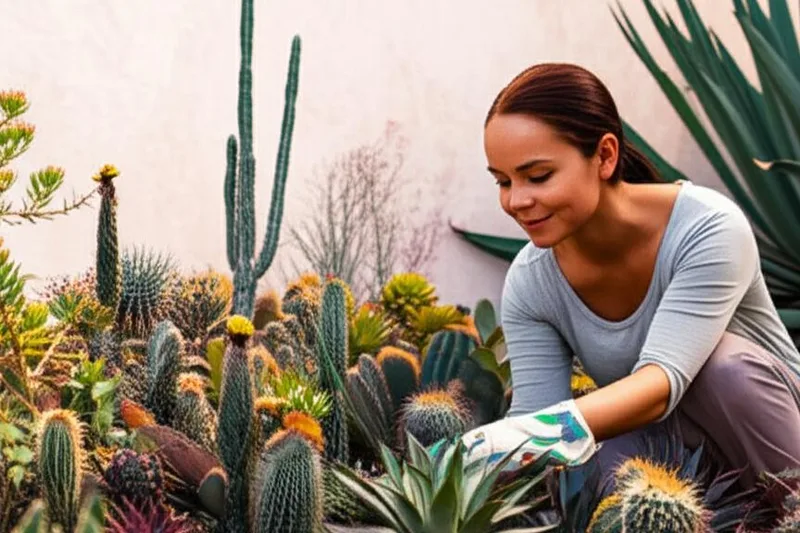
In some parts of our country, especially in the dry zones, it rains a lot, doesn't it? Then, with the amount of water we use to save the plants in the garden, the water bill also increases. Sometimes, it is sad to see a beautifully designed garden drying out due to the lack of water. So, the best solution to such problems is to plant drought-resistant plants in our garden. Simply put, these are plants that grow beautifully and lushly with less water.
Due to global warming and climate change, droughts are a major threat to agriculture around the world. This is why it is so important that we use resources like water wisely. If you love gardening but are worried about water issues, these drought-tolerant plants are the perfect solution. Not only will they keep your garden looking beautiful, but they can also save hundreds of gallons of water a year.
What are these drought-tolerant plants?
Think about it, this isn't just about plants like prickly cacti. There are also beautiful flowers, shrubs, trees, fruits, vegetables , and even grains . These plants have a special ability to withstand extreme heat and survive on little water. Let's look at a few examples of this.
Important: Many of these names may be English names, as the Sinhala names for these are rarely used in everyday life. You can find out more about this by asking at your nearest nursery.
| Examples of drought-tolerant plants | |
|---|---|
| Plant category | Examples |
| Types of trees | American Sweetgum, Hackberry, Hedge Maple, Italian Alder, Japanese Tree Lilac, Lacebark Pine, White Fir, Yellowwood |
| For Shrubs and Hedges | Forsythia, Glossy Abelia, Japanese Holly, Juniper, Lilac, Smokebush, St. Johnswort |
| Annual flowers (Annuals) | Amaranthus, Cosmos, Globe Amaranth, Lantana, Mexican Sunflower, Pot Marigold, Rosemary, Spider Flower, Strawflower |
| Perennials | Thyme, Sage, Sea Lavender, Black-eyed Susan, Daylily, Butterfly Weed, False Indigo |
| Grasses | Deergrass, Giant Wild Rye, Purple Needle Grass, Sheep Fescue |
| Crops | Beans, Corn, Barley, Quinoa, Chili, Basil, Oregano |
How do you identify these plants?
The leaves of these plants are usually small or divided . Some leaves may have a waxy or hairy texture. These characteristics reduce transpiration and help retain moisture.
Some plants may have thorny leaves or may be completely leafless. They also have a long root system that can reach deep underground to find water. Some trees and shrubs have adapted their roots to bind soil and rocks together to obtain nutrients. Another characteristic is that some plants have silver or gray-green leaves. This reflects sunlight and reduces the plant’s heat.
So, how do we create a drought-resistant garden?
These steps are very important for those of you who want to create a beautiful garden with minimal effort and without worrying about water.
1. Plan well first.
If you have drought-tolerant plants in your garden, as well as regular plants, consider planting them in separate groups. That is, planting plants with similar water needs in the same spot. This will make it much easier for you to care for and water the plants.
2. Think about soil and drainage (Soil & Drainage)
These plants do not like very rich, fertilized or waterlogged soils. Good drainage is essential. Therefore, add some organic matter to the soil before planting. If the soil is too clayey, you can improve drainage by mixing in a little potting soil or small pebbles (pea gravel).
3. Think about ground cover plants
In narrow, shady areas where it is difficult to grow grass, plant ground cover plants instead of grass. These are also drought-resistant and require less maintenance.
4. Leave enough space between plants
If plants are planted too close together, they will compete with each other for root systems and nutrients. Therefore, plant them with sufficient spacing to suit the type of plant.
5. Water wisely
- Water early in the morning: When you water before the sun gets too hot, there is less chance of water evaporating.
- Water deeply: Rather than watering frequently, it is better to water deeply once or twice a week. This will encourage the roots to grow deeper.
- Don't water on a rainy day: Also consider the weather. If it's going to rain, you don't need to water it.
6. Apply mulch (Mulching)
This is a great trick. Mulching is the act of spreading a 2-3 inch layer of dry leaf litter, pine bark, or wood chips on the surface of the soil around the plants. This helps control weeds, retains moisture, and keeps the soil cool.
7. Remove weeds
Weeds grow quickly in the spring. They suck up the water and nutrients our plants need. So set aside 15-30 minutes a few times a week to pull them out.
A few more things to remember
- Planting time: It is best to plant silver-leafed, sun-loving plants around April, so they have time to develop roots before winter sets in.
- Plant small plants: It is easier for a small plant to adapt to its new environment than bringing in a large plant.
- Patience is key: Most plants take a year or two to develop an established root system. This means you'll need to water them sparingly for the first year . Once the roots are well established, the plant can take care of itself.
If you're having trouble deciding what kind of plants are right for you, visit your local nursery and ask a specialist . It's also helpful to get advice from someone who knows a lot about gardening .
Take-Home Message
- Drought-tolerant plants are a great solution that will save you water bills, time, and effort.
- These are not just cacti; they also include beautiful flowers, shrubs, trees, and edible crops.
- A successful garden requires good planning, well-draining soil, intelligent watering, and mulching.
- Give the plants a little more attention at first. Once the root system is strong, maintenance becomes much easier.
- Never be afraid to seek advice from someone who knows how to choose the best plants for your area and climate.


💬 Comments (0)
No comments yet. Be the first to share your thoughts here.
Add Your Comment