
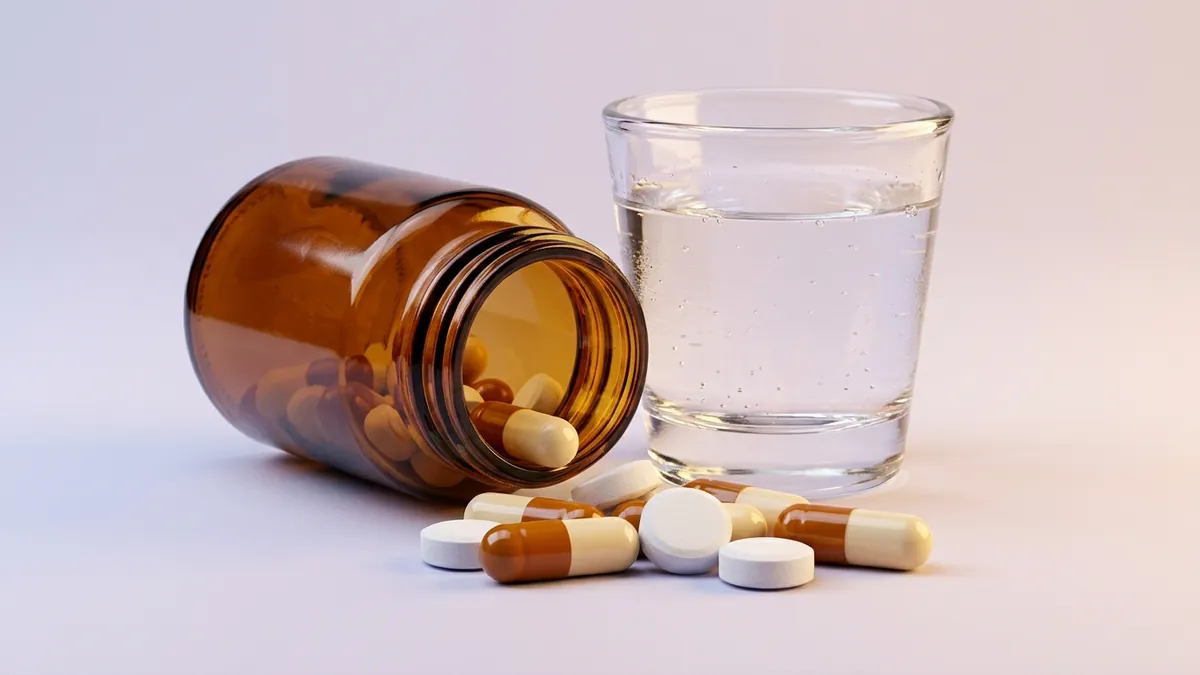
Opening MyChart, the NHS App, or your clinic portal after routine blood work and spotting red exclamation marks next to your liver numbers is stressful. Naturally, the very first question people search is when to stop statin elevated liver enzymes, along with what those clinical numbers actually mean, what causes them, normal ranges, and safe next steps. Be honest—your gut instinct when seeing that flagged lab result was probably to skip tonight's cholesterol pill, wasn't it?
Hold onto that bottle for just a moment. In everyday clinic practice, we doctors see mild, temporary bumps in liver blood tests (hepatic function panels or liver function tests, LFTs) all the time after starting cholesterol-lowering medications (statins, known medically as HMG-CoA reductase inhibitors). Most mild increases settle right back down without harming a single liver cell, whereas stopping a statin abruptly can leave your heart arteries unprotected. Let's walk through the exact numbers we doctors use to decide whether to stay the course, retest, or pause your medication safely.
📌 Key Takeaways at a Glance
- The 3x ULN Clinical Cutoff: We doctors generally continue your statin if your ALT or AST stays below 3 times the Upper Limit of Normal (roughly under 120 to 150 U/L) and you feel well.
- Mild Bumps Are Usually Harmless: Up to 3% of people experience a mild, temporary enzyme rise during the first 3 months on a statin—an adjustment process, not true liver damage.
- Never Quit Cold Turkey Alone: Stopping a statin suddenly without talking to your Primary Care Physician (PCP) or family GP clinic can raise your risk of heart attack or stroke.
- Look for Everyday Mimics: Fatty liver disease, a weekend glass of wine, acetaminophen or paracetamol, herbal supplements, and heavy gym workouts raise liver enzymes far more often than statins do.
- Know True Red Flags: If high liver enzymes appear alongside yellowing eyes (jaundice), dark tea-colored urine, or upper right belly pain, seek urgent medical care right away.
Free LDL Cholesterol Calculator (mg/dL & mmol/L). Calculate LDL-C, Non-HDL, and VLDL using both the modern NIH Sampson 2020 equation and classic Friedewald formula.
When Should You Stop a Statin for Elevated Liver Enzymes? (The 3x ULN Rule)
Doctors typically stop or temporarily hold a statin only when liver enzymes (ALT or AST) exceed 3 times the upper limit of normal—around 120 to 150 U/L—on confirmed repeat testing. Immediate stopping is also required if enzymes rise alongside high bilirubin or yellowing eyes (jaundice).
Think about that cutoff for a second. If your laboratory lists the upper limit of normal for ALT as 40 U/L, a result of 52 U/L or even 85 U/L still sits comfortably below that three-fold threshold of 120 U/L. Pretty surprising, right? When patients see a bolded "High" tag next to 55 U/L, it looks alarming on a phone screen, yet clinically it falls into a safe observation zone where your statin keeps protecting your blood vessels while we simply recheck a blood sample in four to six weeks.
Why are we doctors so cautious about not pulling the plug on your statin too early? Because cardiovascular protection works continuously. In people with prior heart stents, diabetes, or high plaque buildup, stopping a statin abruptly triggers a rebound rise in inflammation inside coronary arteries within days. Unless you have active red-flag symptoms or markedly high numbers confirmed by your Primary Care Physician (PCP) or family GP clinic, keeping your daily dose steady until your doctor reviews the full panel is almost always the safest move.
Why Do Statins Raise Liver Enzymes, and Does It Mean Real Liver Damage?
Have you ever wondered why a heart medication shows up on your liver blood test in the first place? Your liver is the body's main cholesterol factory. Statins work directly inside liver cells (hepatocytes) by blocking an enzyme that manufactures LDL ("bad") cholesterol, prompting your liver to pull excess cholesterol out of your bloodstream.
Look closely at what happens inside those liver cells when cholesterol production drops. Because cholesterol is also a building block of cell outer walls, shifting lipid levels slightly changes the permeability—think of it like microscopic porosity—of the liver cell membrane. A tiny amount of internal enzymes, mainly alanine transaminase (ALT, or alanine aminotransferase) and aspartate transaminase (AST, or aspartate aminotransferase), leaks harmlessly into your blood. We doctors call this mild, symptom-free rise asymptomatic enzyme elevation (transaminitis) or "hepatic adaptation." Once your liver adjusts over several weeks, levels typically drift back to normal even while you stay on the exact same dose.
True statin-related liver injury (idiosyncratic drug-induced hepatotoxicity) is extraordinarily rare, affecting roughly 1 in 100,000 patients. To separate harmless enzyme leakage from genuine liver injury, we doctors apply a classic safety standard called Hy's Law: we check whether ALT rises above 3 times normal at the exact same time waste pigment in the blood (total bilirubin) climbs above 2 times normal without bile duct blockage. Isolated mild ALT bumps without rising bilirubin simply do not mean your liver is failing. Makes sense, right?
What Are Normal Liver Enzyme Ranges vs. Statin Stopping Cutoffs?
Every pathology lab across the United States, the United Kingdom, Canada, and Australia calibrates its analyzers slightly differently, so always check the reference column printed beside your result. Still, knowing standard adult ranges helps you read your chart with confidence before your appointment:
- ALT (Alanine Transaminase): Roughly 7 to 40 U/L for women and 10 to 55 U/L for men. Because ALT lives predominantly inside the liver, it is the single most accurate marker we track on statins.
- AST (Aspartate Transaminase): Roughly 8 to 48 U/L. AST sits inside both liver cells and skeletal muscle—meaning sore muscles can push AST up even when your liver is completely fine!
- Alkaline Phosphatase (ALP): Roughly 40 to 129 U/L, reflecting bile duct flow rather than typical statin adaptation.
- Total Bilirubin: Normally 0.1 to 1.2 mg/dL in the US, which equals roughly 2 to 21 µmol/L in the UK, Canada, and Australia. Normal bilirubin reassures us that your liver is processing waste smoothly.
When interpreting your numbers, we doctors group elevations by multiples of your lab's Upper Limit of Normal (ULN). A mild elevation means 1 to under 3 times ULN (for example, ALT 45 to 119 U/L when normal ends at 40 U/L)—here, guidelines recommend continuing your statin. A moderate-to-marked elevation means 3 times ULN or higher (ALT 120 U/L and up), where we repeat the test promptly and pause the statin if it stays above 3x ULN. Higher-intensity statin doses, such as atorvastatin 80 mg, trigger >3x ULN rises in about 2% to 3% of users, compared with under 1% on lower starter doses.
What Else Causes High Liver Enzymes While Taking a Statin?
When a blood test flags elevated enzymes months or years after starting a statin, the statin is very rarely the real culprit. We rarely stop to think about everything else our liver processes during an ordinary week, do we? Before blaming your cholesterol pill, we doctors check several everyday triggers that mimic statin changes.
The number-one cause across North America, the UK, and Australia is fatty liver disease (now medically termed metabolic dysfunction-associated steatotic liver disease, or MASLD). Because high cholesterol, excess midsection weight, and prediabetes travel together, millions of people starting statins already have mild liver fat causing baseline ALT readings of 50 to 90 U/L. Even better news: major clinical trials show that statins are completely safe in compensated fatty liver disease and often lower liver enzymes over time by calming liver inflammation.
Other frequent culprits include having a couple of glasses of wine or craft beer the weekend before your blood draw, taking over-the-counter pain relievers like acetaminophen (Tylenol in the US and Canada) or paracetamol (Panadol in the UK and Australia), or starting unregulated supplements such as concentrated turmeric, green tea extract, ashwagandha, or red yeast rice. Even a tough weightlifting session, Peloton ride, or long run 48 hours before lab work releases AST from worked muscle fibers! Prescription drug interactions—such as certain macrolide antibiotics (clarithromycin), antifungal pills, or heart rhythm drugs—can also slow down how your liver clears simvastatin or atorvastatin.
How Do Doctors Evaluate High Enzymes and Safely Restart or Switch Your Statin?
You might remember older advice saying everyone on a statin needed blood tests every three to six months forever. Years ago, major regulators—including the US FDA, UK MHRA, Health Canada, and Australia's TGA—updated their guidance after reviewing data from hundreds of thousands of patients. Routine periodic liver monitoring is no longer required if you feel completely well; instead, we check baseline liver tests before starting therapy and retest only if clinically indicated or if symptoms develop.
Remember how we talked about that 3x ULN threshold earlier? If a blood panel catches an ALT or AST above 3 times normal, your Primary Care Physician (PCP) or family GP clinic follows a calm, stepwise evaluation. First, we ask you to skip alcohol, strenuous exercise, and unnecessary supplements for several days, then repeat a targeted liver panel alongside bilirubin and a muscle enzyme test called creatine kinase (CK). If numbers stay stubbornly elevated, your doctor temporarily holds the statin, checks viral hepatitis screening or iron studies, and may refer you to radiology for a painless abdominal ultrasound.
Once your liver enzymes return toward baseline, you still have plenty of heart-safe options! Your doctor might restart a lower dose, switch from a fat-soluble statin processed heavily by liver CYP3A4 pathways (like atorvastatin or simvastatin) to a water-soluble option like pravastatin or low-dose rosuvastatin, try alternate-day rosuvastatin dosing, or use non-statin cholesterol therapies such as ezetimibe or injectable PCSK9 inhibitors through a lipid specialist or cardiologist.
Statin Liver Enzyme Levels: Quick Clinical Reference & Next Steps
To make your lab sheet easy to decode at home, compare your liver panel pattern against the clinical guide below before speaking with your doctor:
| Lab Finding or Scenario | Clinical Meaning & Recommended Action |
|---|---|
| ALT or AST 1x to under 3x ULN (e.g., 45–115 U/L), normal bilirubin, no symptoms | Mild, benign hepatic adaptation or underlying fatty liver; does not indicate active liver damage. What you should do: Keep taking your statin as prescribed, avoid alcohol and new supplements, and schedule a routine repeat blood test with your GP or PCP in 4 to 6 weeks. |
| ALT or AST 3x ULN or higher (e.g., over 120–150 U/L) on a single test, no symptoms | Exceeds the standard clinical threshold; could reflect high-dose statin effect, drug interaction, alcohol, or recent heavy exercise. What you should do: Contact your clinic promptly to repeat liver labs, bilirubin, and CK within a few days; pause your statin only if your doctor advises or if the repeat test confirms levels ≥3x ULN. |
| High AST with normal ALT plus sore, aching thighs or shoulders | Points strongly toward skeletal muscle irritation rather than liver cell injury, as muscles release AST alongside creatine kinase (CK). What you should do: Let your doctor check a blood CK level, stay well hydrated with water, and report any severe weakness or dark cola-colored urine immediately. |
| Baseline ALT mildly high before starting statins due to fatty liver (MASLD) | Reflects metabolic fat storage inside liver cells; compensated fatty liver is not a reason to avoid heart-protective statins. What you should do: Start or continue your statin safely with your doctor's guidance while pairing it with Mediterranean-style meals, steady walking, and weight management. |
| Elevated ALT/AST plus high bilirubin (>2x ULN) or yellowing eyes/skin | Meets Hy's Law criteria warning of potentially serious drug-induced liver injury or bile duct obstruction. What you should do: Stop the statin immediately under urgent medical guidance and visit an Urgent Care center or hospital Emergency Room (ER / A&E) the same day. |
✔️ What You Should Do & ❌ What to Avoid
- ✔️ Do message or call your family doctor before skipping doses: Let your Primary Care Physician (PCP) or GP weigh your exact enzyme multiple against your personal heart risk.
- ✔️ Do skip intense workouts and alcohol for 48–72 hours before a retest: Skipping heavy gym sessions and weekend drinks prevents false AST and ALT spikes on repeat blood draws.
- ✔️ Do bring a full list of supplements and OTC pills: Tell your pharmacist or doctor about Tylenol or Panadol doses, herbal teas, turmeric capsules, or red yeast rice.
- ✔️ Do nourish your liver with everyday whole foods: Choose oats, olive oil, grilled fish, leafy greens, and black coffee—which clinical studies link to healthier liver enzyme levels.
- ❌ Don't drink large glasses of grapefruit juice on certain statins: Grapefruit blocks intestinal enzymes that break down simvastatin, lovastatin, and atorvastatin, driving blood drug levels much higher.
- ❌ Don't take "liver detox" cleanses bought online: Unregulated herbal liver flushes frequently trigger worse drug-induced liver injury than prescription medications ever do.
🚨 When to Seek Immediate Emergency Care (Red-Flag Symptoms)
If you or someone near you develops any of these red-flag symptoms, do not wait — call 911 (or 999 in the UK / 000 in Australia) immediately or go straight to the nearest hospital Emergency Room (ER / A&E):
- Yellowing of the whites of your eyes or skin (jaundice): A clear sign that bilirubin pigment is backing up into your bloodstream (in the UK, you can also call NHS 111 urgently for rapid assessment if mild symptoms first appear, or 999 if unwell).
- Dark brown, tea-colored, or cola-colored urine: Can signal either acute bilirubin spillover from the liver or severe muscle breakdown (rhabdomyolysis) straining your kidneys.
- Persistent pain or fullness under your right lower ribs: Especially when paired with unrelenting nausea, repeated vomiting, fever, or pale clay-colored stools.
- Unexplained confusion, extreme drowsiness, or easy bruising: Warning signs that the liver's normal filtering and blood-clotting functions are acutely struggling.
- Severe, whole-body muscle weakness: Struggling to stand up from a chair or lift your arms alongside dark urine requires immediate emergency blood and kidney checks.
💡 Key Take-Home Message
- Mild liver enzyme increases under 3 times the upper limit of normal are common, usually harmless, and rarely require stopping your statin.
- Confirmed ALT or AST levels at or above 3x ULN—or any enzyme rise paired with elevated bilirubin or jaundice—warrant holding the statin with your doctor's supervision.
- Even if one statin genuinely disagrees with your liver, lowering the dose, switching to rosuvastatin or pravastatin, or using non-statin therapies keeps your heart protected safely.






No comments yet. Be the first to share your question or experience below.