

What is the most precious gift you can give to someone who is struggling to survive without an organ? It is life. Organ donation is exactly that. It gives another person a new life, a new hope. Perhaps you have thought about this too, whether you have filled out the organ donation card when you got your driver's license, or you have seen someone you know in need of an organ like a kidney. This is a very sensitive and important topic. So let's talk about it in detail and with feeling today.
Things you need to know about organ donation
There are many questions that come to mind when you think about organ donation. Let's explore the answers to them one by one.
Who can donate organs?
Simply put, anyone of any age can be an organ donor. However, if you are under the age of 18, you will definitely need the consent of a parent or guardian .
- Donation after death: If an organ is donated after someone dies, a medical team will examine the organs to see if they are in a suitable condition for donation. However, if someone has a medical condition such as HIV , actively spreading cancer , or has a serious infection, they cannot donate organs.
- Living donation: If you are donating an organ (for example, a kidney) while you are alive, you must be in very good health. If you have serious conditions such as cancer, HIV, diabetes , kidney disease , or heart disease, you may not be able to donate while you are alive. This is why it is important to talk openly with the transplant team about any health concerns you may have from the start.
Does my blood type and tissue type have to match the recipient's?
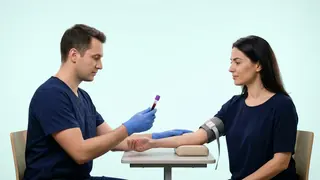
Yes, organ transplants are more successful if the donor and recipient's blood and tissue types are well-matched. Before the transplant, the medical team performs a series of tests to confirm this match.
However, sometimes with the advancement of modern medicine, it is possible to transplant organs even in incompatible cases . In such cases, special treatments are given to ensure that the recipient's body does not reject the new organ.
How do I become an organ donor?
- Donation after death: You can register with a registered organ donation program. It is also very important to inform your family about this. Because if something happens to you, the family will have the final say. It is a big help if they know your wishes.
- Living Donation: If you have a family member or friend who needs an organ, you can speak directly with the transplant team at the hospital where that person is being treated. Or, you can call a transplant center near you and see if there is anyone who needs an organ.
Sometimes you can do something called a “paired kidney exchange.” Imagine, you want to give a kidney to one of your relatives, but your tissues are not compatible. Then, you can donate your kidney to another patient who is a match for you, and receive a kidney that is a match for your relative from one of that patient’s relatives. This is a very wonderful method.
Pros and cons of living organ donation
Donating an organ while you are alive is a big decision, so it's important to understand both sides of it.
| Pros | Cons |
|---|---|
| The greatest benefit and joy of this is the feeling that you are saving someone's life. That life could be your own partner, child, parent, sibling, best friend, or even a stranger you have never met. | Organ donation is a major surgery. As with any surgery, there are risks, such as bleeding, infection, blood clots, and allergies to anesthesia. There may be pain during the recovery period after surgery. There may also be permanent scarring after surgery. |
| It takes time for your body to recover after surgery, and you may even have to take time off from work during that time. |
How do you make the final decision?
If you are considering becoming an organ donor while you are still alive, think very carefully about the pros and cons.
Get as much information as you can before making a decision. The transplant center should give you a full explanation of the process. You should also appoint an independent donor advocate to advise you about your medical rights.
Ask any questions you have throughout this process. It is very important to fully understand the surgery and how it will affect your future health.
Finally, remember, this decision is yours. Don't let anyone else influence it. Even if your friend or relative is very sick, you should first think about how donating an organ will affect your life. Don't forget that once the donation process has begun, you have the full right to stop it at any time if you change your mind .
💡 Take-Home Message
- Organ donation is a noble act of giving someone the gift of life. Organs can be donated both while alive and after death.
- Your health is the most important thing. Before you become a donor, you will undergo a complete medical examination to ensure that you are eligible.
- It is illegal to buy or sell organs. The donor does not have to bear any costs for the surgery.
- The decision to donate an organ while you are alive is entirely yours. You have the right to receive all the information you need and to change your mind at any time.
- If you have any further questions about this, always talk to your doctor.




Janiw kuna arsuwinakas jichhakamax uñt’ayatäkiti. Aka chiqanx amuyt’awim jan ukax jiskt’awim yapxatañamawa.