

Your little one is almost four years old now, right? So you probably have some idea about the upcoming Well-Child Visit . Today we are going to talk about what to look for when taking a little one for a medical checkup at this age, and what you as a mother and father should know. Very simply, let's go through these things one by one so that you can understand.
Know your body mass index (BMI) and weight classification
What happens in this medical examination? Shall we see?
Usually when you take your little one to the doctor or the nurse at the clinic, they do these things:
1. The baby's weight and height are measured. Then, the Body Mass Index (BMI) is calculated based on that, and a growth chart is drawn to show how the baby is growing. This is how they understand whether the baby is growing properly and whether he or she is at a weight and height appropriate for his or her age.
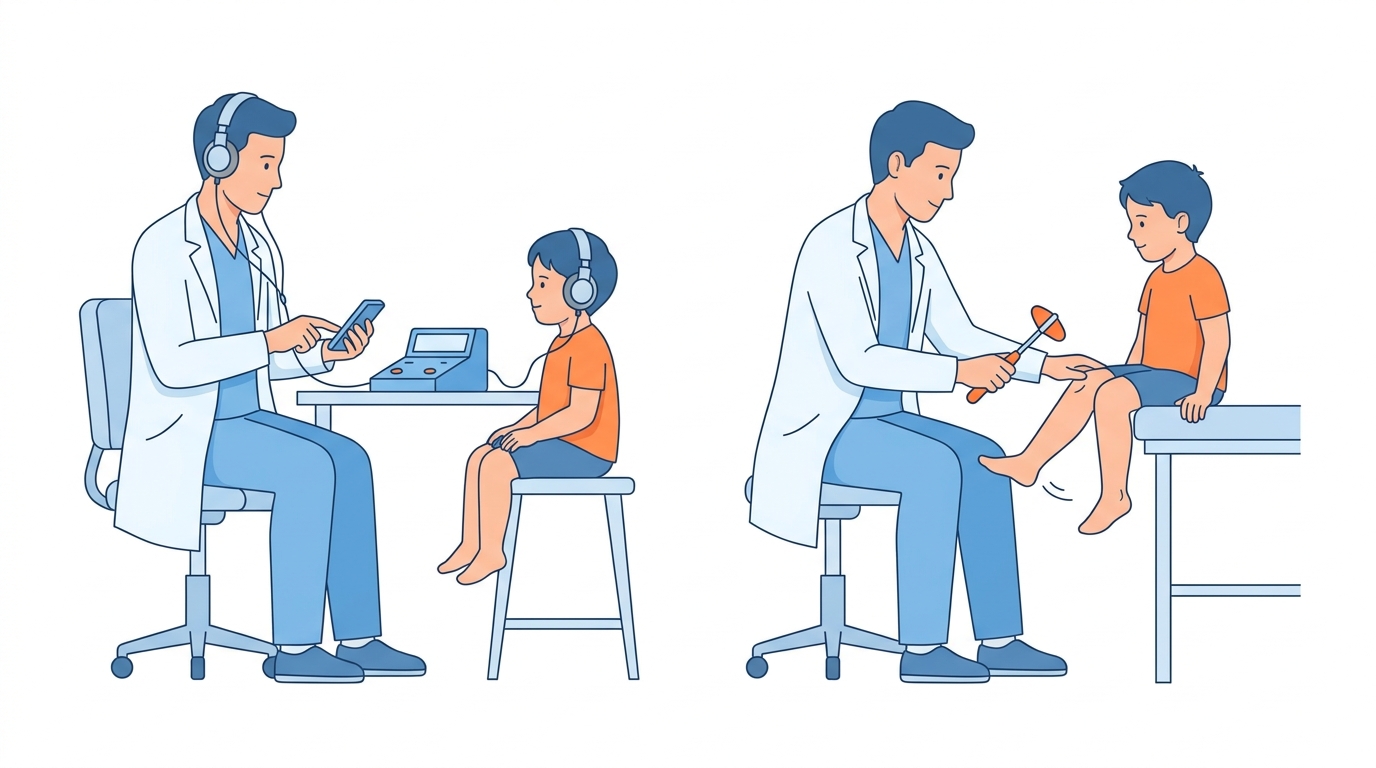
2. Blood pressure, vision, and hearing are checked using standard testing equipment. These are very important tests. Because sometimes, even if there are problems with these, little ones don't understand how to tell.
3. Next comes the most important part. The doctor or nurse will ask you questions, talk about your problems, and give you advice on various things for your baby.
- About food: It talks about how to provide three main meals and two nutritious snacks a day. If your little one is a bit picky about food, you should continue to offer him a variety of nutritious foods to choose from. Encourage him to try new foods. But never force him to eat. That will only make him lose interest in food even more.
- About Toilet Habits : By the age of four, most toddlers are toilet trained. However, it is common for some preschoolers to wet the bed at night, even if they are potty trained during the day. Also, small mistakes can happen from time to time during the day when they are not paying attention while playing. Check to see if your child is holding back their urine /poo, and encourage them to continue using the toilet. If your child is not yet potty trained , or if they have been potty trained and are having problems again, talk to your doctor.
- About sleep: Preschoolers should get about 10-13 hours of sleep a day. By the age of four, most children will stop napping during the day. However, don't forget to give them a little quiet time during the day.
- Checking out your child's developmental milestones: By the age of four, most children should be able to do these things:
- Says sentences with four or more words.
- You can tell me at least one thing that happened that day.
- Answers simple questions like "What is the color box used for?"
- If there are no other children, they ask to go play with the others.
- When someone is hurt and sad, they comfort them.
- When you go to a place like a library or a playground, you change your behavior to suit that place.
- When drawing a human figure, three or more body parts are drawn.
- Can you name a few colors?
- If you throw a big ball up, you can often catch it.
- Some buttons can be undone that way.
If your child can't do one or more of these things, or if you notice that they've lost some of their previous abilities, be sure to talk to your doctor about it. It's very important.
4. You will first undress your baby and perform a complete physical examination. This will include listening to the baby's heart and lungs, observing the baby's motor skills, and talking to the baby to assess their speech and language skills.
5. Update your vaccines. Vaccines are very important to protect your children from serious childhood diseases. Therefore, it is essential to get your vaccines on time. However, vaccination schedules may vary slightly from doctor to doctor. Therefore, talk to your doctor about what to expect.
6. If necessary, you will be asked to do some tests. Sometimes the doctor may order tests to check for things like anemia, lead poisoning, high cholesterol, and tuberculosis . These are not done for everyone, but are done based on need.
Keep these things in mind until your next checkup.
There are a few things you should be aware of until your next checkup at five years old. Let's take a look at those too.






No comments yet. Be the first to share your question or experience below.