

As your little one grows up, you have to think about his food in a new way, right? There comes a time when breast milk or formula milk alone is not enough. Usually, it is after the baby turns one year old that a big change in this diet is necessary. During this time, they love to try new flavors and new foods. However, sometimes they can also reduce their food intake a little. Let's see how to feed these little ones properly and in a healthy way, and what things to be careful about.
Why should the diet change after a year?
You know, babies grow very fast in their first year. But after they turn one, that is, in their second year, their growth rate slows down a bit. Imagine, they are gaining a little less weight per month now than they used to. So because of this, they may feel a little less hungry. That means they may not need as much food as they used to.
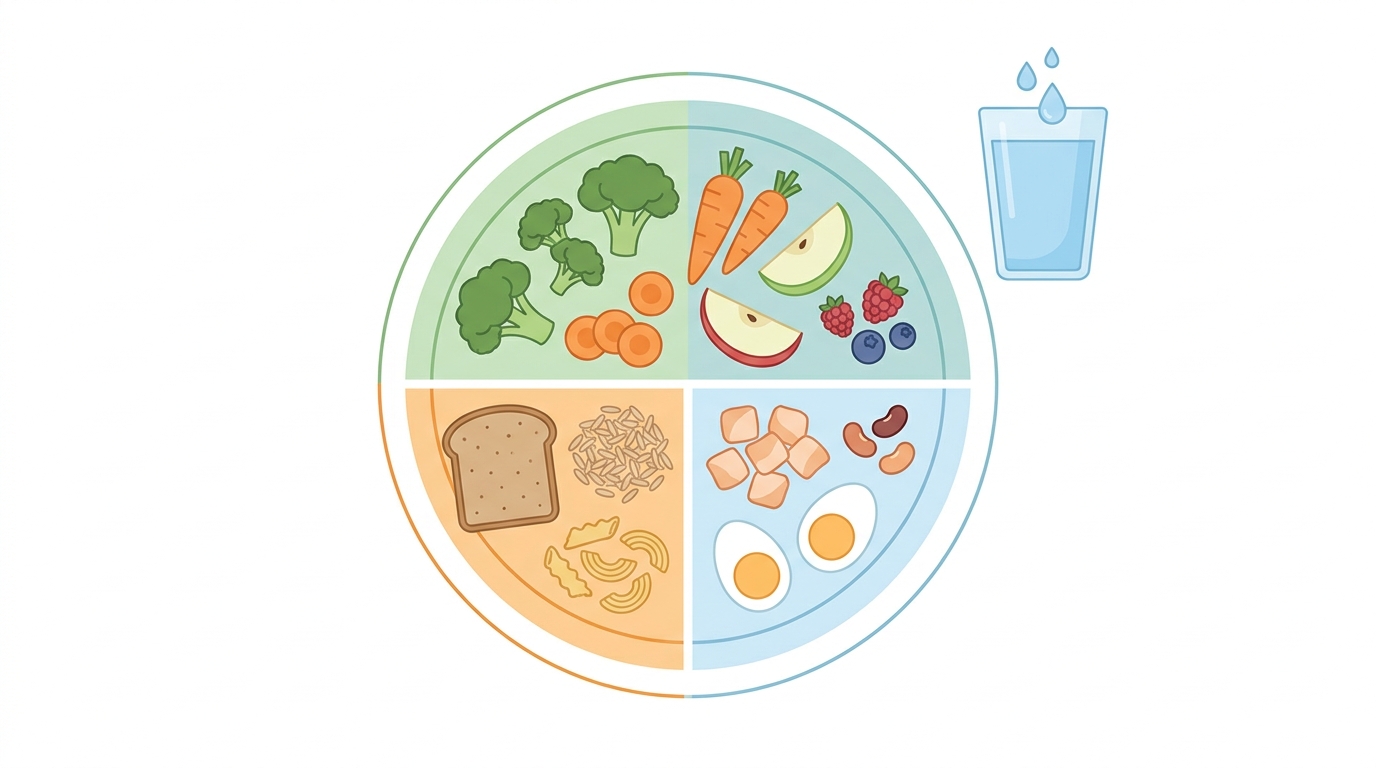
At this time, they are gradually moving away from bottles and baby food and are starting to get used to regular home-cooked meals. It is very important to include fruits, vegetables, nuts (like beans), whole grains , and lean proteins (like chicken and fish) in their diet. This is because their bodies need a variety of foods to get the nutrition they need.
Simply put, they're like little people now! They want to run around the world, play, and discover new things. So they can focus on that more than eating.
How much food does a toddler need per day?
This can vary slightly from child to child. This depends on their age, weight, and activity level . On average, a child between the ages of one and three needs between 1,000 and 1,400 calories per day.
It's best to plan to have three main meals a day, with two or three healthy snacks in between . But don't expect them to eat the same thing every day. Some days they may eat a little less, or they may skip a meal. It's important to let your child decide for themselves whether they're hungry or full.
Here are some things you can do when your little one is full:
- The food is pushed to one side.
- They close their mouths or turn their heads to the other side when they are fed.
- Say no with your hands.
- They make different noises to say no.
Don't force-feed a child who isn't hungry. Doing so can make eating an unpleasant experience for them.
What are the most important foods to give at this time?
To ensure that your little ones get all the nutrients they need, you need to include a variety of foods in their diet.
1. Fruits and vegetables:
These are the best foods that are full of vitamins, minerals , and fiber. It is best to offer fruits and vegetables in small amounts at least five times a day.
- Fruit: Cut anything into small pieces, such as bananas, mangoes, papayas, oranges, grapes (remove the seeds and cut them in half), and watermelon.
- Vegetables : Boil vegetables like carrots, beans, pumpkin, sweet potatoes, and spinach well, mash them, or give them in small pieces. Some kids may be reluctant to eat vegetables. In such cases, try hiding them in a dish they like (e.g., stir-fry them with rice, add them to soup).
2. Grains (especially whole grains):
These are what give the child the energy they need to run and play all day long.
- Rice (preferably with bran, such as red rice ).
- Bread (whole wheat bread is best).
- Kurakkan, a dish made from atta flour.
- If you offer breakfast cereals, choose ones that are low in sugar and high in fiber.
3. Protein-rich foods:
Protein is essential for muscle growth and strengthening.
- Fish : Remove the bones from small fish (such as halibut, sardines) and boil them well. Large fish can also be removed from the bones.
- Chicken: Cook with less oil and cut into small pieces.
- Eggs : Serve well-boiled or as an omelet.
- Lentils and other legumes: Boil and mash things like green beans, chickpeas, and peas.
4. Milk and Dairy Products:
Calcium is essential for strong teeth and bones. It is best obtained from milk and dairy products.
- After one year, you can start giving your baby cow's milk (fresh milk or full cream milk powder) . About 350-500 milliliters of milk per day is enough. Giving more than that can make them feel full and reduce their intake of other important foods.
- You can also give them yogurt (low sugar) and a small amount of cheese.
Think about these things when serving food!
Picky Eating:
This is very common among toddlers. Some days they ask for the same food, and the next day they say no to it. They are afraid to try new foods.
- Be patient: Don't give the same food again just because it's been said no once. Try offering it again a little later in a few days. It may take 10-15 tries before your dog gets used to eating it.
- Be a role model: Let your child see you enjoying those foods too.
- Don't force: Don't make food a war.
- Prepare it in different ways: Sometimes a child who doesn't eat a vegetable that is served boiled may eat it if you prepare it in a different way (e.g., put it in a cutlet, put it in the middle of a loaf of bread).
- Keep food portions small: Seeing a large plate all at once can be intimidating.
Water is the best drink:
It is very important to give little ones water to drink throughout the day.
- Reduce or avoid sugary drinks, fruit juice packets, and sweetened beverages as much as possible. These only add unnecessary sugar to the diet, providing no nutrition. They also cause tooth decay.
- If you make fresh fruit juice at home, give it in moderation (e.g., less than 120 ml per day) because the amount of fiber you get from eating the fruit as a whole fruit is reduced when you juice it.
Discipline and happiness at the dinner table:
Make mealtime a time when the whole family can be together and enjoy themselves.
- Whenever possible, have your child sit down to eat with the family. That way, they can learn by watching how others eat.
- Don't let distractions like TV or phone distract you while eating.
- Limit meal times to 20-30 minutes. It's not good to keep food in front of you for longer than that.
Security is also very important:
When feeding children, you also need to think about their safety.
- Be careful of choking hazards: Remove the seeds from things like grapes and cut them into quarters. Avoid giving things like sausages, peanuts, and hard candy at this age.
- Check to see if the food is well cooked and crumbly.
- It is important for an adult to watch over children while they are eating.
A few nutrients to keep in mind in particular:
While all nutrients are important, these are a little special for toddler development:
- Iron: Iron deficiency can lead to anemia. This can affect a child's growth and learning ability. Foods like meat, fish, egg yolks, spinach, and lentils are rich in iron. Iron is easier to absorb when given with foods rich in vitamin C (like oranges and tomatoes).
- Calcium:Calcium is essential for strong bones and teeth. Milk, yogurt, cheese, green vegetables (spinach, kale), and small fish (eaten with bones) contain calcium.
- Vitamin D: Vitamin D helps the body absorb calcium. Vitamin D is obtained from sunlight. It is also found in fish, eggs, and milk with vitamin D added.
Should parents be role models?
Absolutely yes! When you see your child happily eating fruits and vegetables, they will be more likely to want to eat them too. If you drink sugary drinks all the time, your child may also ask for them. Therefore, it is very important to maintain healthy eating habits of your own. You are the best role model for your child.
When do you need to see a doctor?
Usually, there's nothing to worry about with little ones' food. They eat as much as they want. But if you notice any of these things, it's a good idea to see your family doctor or pediatrician for advice:
- If the child is not gaining weight properly, or is losing weight.
- If the child always seems very lethargic.
- If you have great doubts or fears about food.
- If the child has not eaten anything for several days.
- If you experience allergic symptoms (e.g., hives, difficulty breathing) after eating certain foods.
Take-Home Message
So, feeding your little one doesn't have to be a big challenge.
The main thing is to introduce them to a variety of nutritious foods and to do so with patience and love.
Remember:
- Offer a variety of foods .
- Don't force feed them. Respect their hunger and fullness.
- Make mealtime a pleasant experience .
- Be a good example yourself.
- Water is the best drink. Stay away from sugary drinks.
- Don't be afraid to seek medical advice if you have any problems.
We all hope that your little one grows up healthy and happy. We hope that this knowledge about food and drink will help you with that!
` Toddler Nutrition, Toddler Nutrition, Baby Food, Healthy Food, Picky Eating, Child Growth, Calorie Needs
ukat juk’ampinaka Doctoran qillqatapa
ukat juk’ampinaka 1 maranit 3 marani jisk’a wawanakax mä suma manq’añapawa. Ukham maranïkasinjja, wawanakan jiltäwipajj jukʼampiw jiljjattaski, ukhamajj jan manqʼañ munañasa ukat suma manqʼañanakas walikïskiwa. Ch’amampi manq’añat sipansa, wawaruxa 5 jisk’a manq’anaka (3 jach’a manq’anaka ukhamaraki 2 t’ant’anaka) suma manq’aña churaña. Uka manq’axa hierro, calcio ukatxa vitamina ukanakampi phuqt’ata ch’uxña achunaka, frutas, granos ukatxa proteínas ukanakampiwa utjañapa ukatxa janiwa artificial sawurani ukhamaraki saminakapaxa utjañapäkiti.
❓ ukat juk’ampinaka Mä qawqha juk’amp jiskt’äwinakampiw jikisipxasma (FAQ) .
ukat juk’ampinaka ¿Kunatsa preescolar wawajajj manqʼañanak ajlliski?▼
ukat juk’ampinaka Kunjamakitix wawax nayra marat sipanx juk’ampiw jilxattaski, ukatw ch’amax mayjt’i. Wawax independencia uñacht’ayañatakix janiw manq’añ munkaspati.
ukat juk’ampinaka ¿Kunatsa wawar chʼamampi manqʼayañajj jan walïki?▼
ukat juk’ampinaka Ch’amampi manq’ayañaxa mä wawaruxa janiwa manq’añaru munañapäkiti ukatxa jaya pacha manq’aña tuqita jan walt’awinakaruwa puriyaspa, sañäni, obesidad jan ukaxa anorexia.
¿Kunjamatsa wawanakan hierro jan utjatapat jark’aqasispa?▼
ukat juk’ampinaka Hierro uksa ch’amthapiwixa jilxataspawa mä juk’a cal jan ukaxa naranja juyra vitamina C ukampi yapxatasa hierrompi phuqt’ata manq’anakampi chika, sañäni, espinaca, lentejas, wila aycha, garbanzos, ukhamaraki yuqallanaka.


💬 Comments (0)
No comments have been posted yet. Add your comment here for the first time.
Add your comment