Do you know about this super protector inside our body? – Everything about the mucosa!

Do you know about this super protector inside our body? – Everything about the mucosa!
Have you ever wondered what that thin, moist lining inside our mouths, inside our noses, or inside our intestines is? That's what we call the mucosa . It's like a special kind of skin inside our bodies. It's actually a very important and amazing part of our bodies. Let's talk about this mucosa in a simple way today.

What is this mucosa? Let's understand it simply!

Simply put, the mucosa is a special membrane that covers the inside of various organs and cavities in our body that are exposed to the outside environment. Think about it, our mouth, nose, throat, lungs, stomach , intestines, and bladder are covered from the inside by this mucosa. One of its main functions is to provide protection . Just as our skin protects the body from the outside, the mucosa protects the internal parts of the body. Not only that, this membrane provides lubrication . That is, it helps to keep those parts moist and not dry. Also, in some places, this mucosa helps in the absorption of nutrients . Did you know, we have more than 200 times more mucosa in our body than our skin! That means this is the largest protective barrier in our body.

What is the mucosa made of? Let's dig a little deeper!

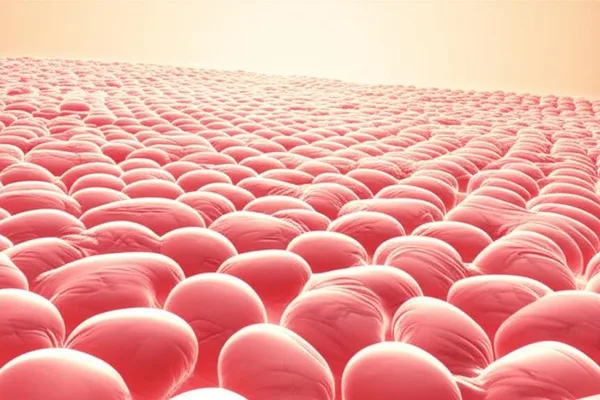
This membrane called mucosa consists of three main layers. Think of it like a three-layered wall. 1. Epithelium: This is the top, outermost layer of the mucosa. The cells in this layer secrete a thick gel-like mucus. That mucus is what protects us from various things like dust and germs that enter our body. These epithelial cells renew themselves very quickly. That means that old cells die and new cells are formed all the time. Some epithelial cells have small hair-like things (cilia) . These are used to sweep away unwanted things that come in and throw them out. 2. Lamina propria: This is the middle layer of the mucosa. The epithelium is attached to this connective tissue called lamina propria. This is where the blood vessels and nerve fibers are located. This layer provides the blood and nutrition needed by the epithelium. Also, many cells of our immune system are in this layer, which search for and destroy pathogens that enter. 3. Muscularis mucosae: This is the layer underneath the mucosa. This is a thin layer made up of smooth muscles. It is especially active in our stomach. This layer is what allows the mucosa to stretch and contract as needed. It is also thought to help the tiny hairs (cilia) in the epithelium function.

What services does the mucosa provide to our body?

The mucosa is like a guard in our body. Its main function is to act as part of the immune system .
  • A protective barrier: It prevents things like germs and dust from entering the body from the outside.
  • Capture and removal: These unwanted things get trapped in that sticky mucus, and then they are expelled from the body. Think about it, when we have phlegm, it's the trapped things that come out of our nose and throat.
  • Antiseptic: This mucus contains natural antiseptics and immune cells that fight off pathogens.
  • Lubrication: Prevents damage from organs rubbing against each other.
  • Special protection: The mucosa protects the stomach wall from the harsh acidity of our stomach. It is also the same mucosa that protects the bladder from the chemicals in urine. If we take the uterus of women, we call the mucosa there the endometrium . This is what thickens to protect a fertilized egg if it arrives, or it is shed with menstruation every month.
  • Absorption: In some places, the mucosa also performs the function of absorption. For example, the chemicals that help us detect odors are absorbed in the nose, and nutrients are absorbed in our gastrointestinal tract through the mucosa.

Where is the mucosa located in our body?

Mucosa is found in many places in our body. Mainly:
  • Digestive system: Mouth, throat, esophagus , stomach, small intestine, large intestine, anus.
  • Respiratory system: Nostrils, Throat, Trachea, Lungs.
  • Reproductive system: The vagina , uterus, and parts of the penis in men.
  • Sensory organs: Eyes (inside the eyeball), Ears (parts like the middle ear).
  • Urinary system: Bladder, urethra.
Simply put, many of the cavities and channels inside the body that are connected to the outside world in some way are covered by this mucosa.

What diseases affect the mucosa?

Despite being such an important defense system, the mucosa can sometimes become infected. This happens when something breaks through its defenses and enters.
Just think, even our housekeeper sometimes gets sick and sad. This is the same.
Problems affecting the mucosa can take several forms:

1. Infectious mucosal diseases

The mucosa can be infected by things like viruses, bacteria, and fungi.
  • Some examples include oral and genital herpes , oral thrush and genital yeast infections, mouth sores , hand, foot and mouth disease , and H. pylori infection . Some sexually transmitted diseases also affect the mucosa.

2. Inflammatory conditions of the mucosa

Inflammation is the way the mucosa responds to an infection or injury. It causes swelling, redness, and pain. This is actually a protective process of the body. But it can also cause discomfort.
  • Examples: Gastritis , Cystitis, Cervicitis , Esophagitis , Bronchitis , Sinusitis, Peptic ulcer disease , Asthma , the mucous membrane of the respiratory tract becomes inflamed.

3. Diseases caused by our own body (Autoimmune diseases)

Sometimes our own immune system mistakenly attacks healthy cells in the mucosa. This is called autoimmune diseases . This can lead to long-term inflammatory conditions.
  • Examples: Celiac disease ( sensitivity to gluten), Inflammatory bowel diseases (IBD) (e.g. Crohn's disease), Behcet's disease .

4. Things that happen due to chronic inflammation (Fibrosis and tissue remodeling)

If the inflammation continues, a scarring (fibrosis) condition can develop in the mucosal tissue. That is, a change in tissue.
  • Examples: Barrett's esophagus , Eosinophilic Esophagitis .

5. Abnormal tissue growths (Polyps)

Sometimes, due to inflammation, tissue changes, cancerous conditions, or other causes , abnormal growths in the mucosa (polyps) can develop.These are often benign, but some can turn into cancer.
  • Examples: Stomach polyps , Uterine polyps , Colorectal polyps , Nasal polyps .

6. Other diseases that affect mucosal function

There are some other diseases that interfere with the normal functioning of the mucosa.
  • Endometriosis: The growth of the lining of the uterus (endometrium) outside the uterus.
  • Cystic fibrosis: In this condition, the mucus secreted by the mucous membrane of the respiratory system becomes very thick and blocks the airways.
  • Sjogren's syndrome: This is also an autoimmune disease. It attacks the glands that make mucus in the mucosa. This causes dryness in places like the mouth and eyes.
  • Rectal prolapse: The protrusion of the lining of the rectum through the anus.

How can we protect our mucosa?

You probably understand how valuable this mucosa is to our body. So keeping it healthy is very important. One of the best ways to protect the mucosa is to properly manage chronic inflammatory conditions, if any. Because ongoing inflammation can weaken the mucosa's protective barrier.
Always remember, if you have any discomfort or symptoms related to the mucosa (e.g., persistent mouth sores, stomach ache, difficulty breathing), you should definitely see a doctor and seek advice .

Take-Home Message

Okay, so we talked a lot about the mucosa today, right?
  • The mucosa is a special protective membrane that covers the organs inside our bodies.
  • It performs many important functions, such as protection, lubrication, and absorption .
  • It is made up of three layers : the epithelium, the lamina propria, and the muscularis mucosae .
  • This mucosa extends from our mouth, intestines, lungs, and reproductive system .
  • The mucosa can be damaged for various reasons, such as infections, inflammation, and autoimmune diseases .
  • A healthy lifestyle and controlling chronic inflammatory conditions are very important to protect the mucosa.
So, I hope you now have a better understanding of this silent protector inside your body. Don't forget to take care of him too!

⚠️ Important: The medical articles and information on Nirogi Lanka are for general awareness only, and are by no means a substitute for professional medical advice, diagnosis, or treatment. For any medical problem you have, consult a qualified physician immediately.

💬 Comments (0)

No comments yet. Be the first to share your thoughts here.

Add Your Comment

Please calculate: 9 + 1 =
Do you know about this super protector inside our body? – Everything about the mucosa!
How the Body WorksSeptember 5, 2025

Do you know about this super protector inside our body? – Everything about the mucosa!

Have you ever wondered what that thin, moist lining inside our mouths, inside our noses, or inside our intestines is? That's what we call the mucosa . It's like a special kind of skin inside our bodies. It's actually a very important and amazing part of our bodies. Let's talk about this mucosa in a simple way today.

What is this mucosa? Let's understand it simply!

Simply put, the mucosa is a special membrane that covers the inside of various organs and cavities in our body that are exposed to the outside environment. Think about it, our mouth, nose, throat, lungs, stomach , intestines, and bladder are covered from the inside by this mucosa. One of its main functions is to provide protection . Just as our skin protects the body from the outside, the mucosa protects the internal parts of the body. Not only that, this membrane provides lubrication . That is, it helps to keep those parts moist and not dry. Also, in some places, this mucosa helps in the absorption of nutrients . Did you know, we have more than 200 times more mucosa in our body than our skin! That means this is the largest protective barrier in our body.

What is the mucosa made of? Let's dig a little deeper!

This membrane called mucosa consists of three main layers. Think of it like a three-layered wall. 1. Epithelium: This is the top, outermost layer of the mucosa. The cells in this layer secrete a thick gel-like mucus. That mucus is what protects us from various things like dust and germs that enter our body. These epithelial cells renew themselves very quickly. That means that old cells die and new cells are formed all the time. Some epithelial cells have small hair-like things (cilia) . These are used to sweep away unwanted things that come in and throw them out. 2. Lamina propria: This is the middle layer of the mucosa. The epithelium is attached to this connective tissue called lamina propria. This is where the blood vessels and nerve fibers are located. This layer provides the blood and nutrition needed by the epithelium. Also, many cells of our immune system are in this layer, which search for and destroy pathogens that enter. 3. Muscularis mucosae: This is the layer underneath the mucosa. This is a thin layer made up of smooth muscles. It is especially active in our stomach. This layer is what allows the mucosa to stretch and contract as needed. It is also thought to help the tiny hairs (cilia) in the epithelium function.

What services does the mucosa provide to our body?

The mucosa is like a guard in our body. Its main function is to act as part of the immune system .
  • A protective barrier: It prevents things like germs and dust from entering the body from the outside.
  • Capture and removal: These unwanted things get trapped in that sticky mucus, and then they are expelled from the body. Think about it, when we have phlegm, it's the trapped things that come out of our nose and throat.
  • Antiseptic: This mucus contains natural antiseptics and immune cells that fight off pathogens.
  • Lubrication: Prevents damage from organs rubbing against each other.
  • Special protection: The mucosa protects the stomach wall from the harsh acidity of our stomach. It is also the same mucosa that protects the bladder from the chemicals in urine. If we take the uterus of women, we call the mucosa there the endometrium . This is what thickens to protect a fertilized egg if it arrives, or it is shed with menstruation every month.
  • Absorption: In some places, the mucosa also performs the function of absorption. For example, the chemicals that help us detect odors are absorbed in the nose, and nutrients are absorbed in our gastrointestinal tract through the mucosa.

Where is the mucosa located in our body?

Mucosa is found in many places in our body. Mainly:
  • Digestive system: Mouth, throat, esophagus , stomach, small intestine, large intestine, anus.
  • Respiratory system: Nostrils, Throat, Trachea, Lungs.
  • Reproductive system: The vagina , uterus, and parts of the penis in men.
  • Sensory organs: Eyes (inside the eyeball), Ears (parts like the middle ear).
  • Urinary system: Bladder, urethra.
Simply put, many of the cavities and channels inside the body that are connected to the outside world in some way are covered by this mucosa.

What diseases affect the mucosa?

Despite being such an important defense system, the mucosa can sometimes become infected. This happens when something breaks through its defenses and enters.
Just think, even our housekeeper sometimes gets sick and sad. This is the same.
Problems affecting the mucosa can take several forms:

1. Infectious mucosal diseases

The mucosa can be infected by things like viruses, bacteria, and fungi.
  • Some examples include oral and genital herpes , oral thrush and genital yeast infections, mouth sores , hand, foot and mouth disease , and H. pylori infection . Some sexually transmitted diseases also affect the mucosa.

2. Inflammatory conditions of the mucosa

Inflammation is the way the mucosa responds to an infection or injury. It causes swelling, redness, and pain. This is actually a protective process of the body. But it can also cause discomfort.
  • Examples: Gastritis , Cystitis, Cervicitis , Esophagitis , Bronchitis , Sinusitis, Peptic ulcer disease , Asthma , the mucous membrane of the respiratory tract becomes inflamed.

3. Diseases caused by our own body (Autoimmune diseases)

Sometimes our own immune system mistakenly attacks healthy cells in the mucosa. This is called autoimmune diseases . This can lead to long-term inflammatory conditions.
  • Examples: Celiac disease ( sensitivity to gluten), Inflammatory bowel diseases (IBD) (e.g. Crohn's disease), Behcet's disease .

4. Things that happen due to chronic inflammation (Fibrosis and tissue remodeling)

If the inflammation continues, a scarring (fibrosis) condition can develop in the mucosal tissue. That is, a change in tissue.
  • Examples: Barrett's esophagus , Eosinophilic Esophagitis .

5. Abnormal tissue growths (Polyps)

Sometimes, due to inflammation, tissue changes, cancerous conditions, or other causes , abnormal growths in the mucosa (polyps) can develop.These are often benign, but some can turn into cancer.
  • Examples: Stomach polyps , Uterine polyps , Colorectal polyps , Nasal polyps .

6. Other diseases that affect mucosal function

There are some other diseases that interfere with the normal functioning of the mucosa.
  • Endometriosis: The growth of the lining of the uterus (endometrium) outside the uterus.
  • Cystic fibrosis: In this condition, the mucus secreted by the mucous membrane of the respiratory system becomes very thick and blocks the airways.
  • Sjogren's syndrome: This is also an autoimmune disease. It attacks the glands that make mucus in the mucosa. This causes dryness in places like the mouth and eyes.
  • Rectal prolapse: The protrusion of the lining of the rectum through the anus.

How can we protect our mucosa?

You probably understand how valuable this mucosa is to our body. So keeping it healthy is very important. One of the best ways to protect the mucosa is to properly manage chronic inflammatory conditions, if any. Because ongoing inflammation can weaken the mucosa's protective barrier.
Always remember, if you have any discomfort or symptoms related to the mucosa (e.g., persistent mouth sores, stomach ache, difficulty breathing), you should definitely see a doctor and seek advice .

Take-Home Message

Okay, so we talked a lot about the mucosa today, right?
  • The mucosa is a special protective membrane that covers the organs inside our bodies.
  • It performs many important functions, such as protection, lubrication, and absorption .
  • It is made up of three layers : the epithelium, the lamina propria, and the muscularis mucosae .
  • This mucosa extends from our mouth, intestines, lungs, and reproductive system .
  • The mucosa can be damaged for various reasons, such as infections, inflammation, and autoimmune diseases .
  • A healthy lifestyle and controlling chronic inflammatory conditions are very important to protect the mucosa.
So, I hope you now have a better understanding of this silent protector inside your body. Don't forget to take care of him too!
⚠️ Important: The medical articles and information on Nirogi Lanka are for general awareness only, and are by no means a substitute for professional medical advice, diagnosis, or treatment. For any medical problem you have, consult a qualified physician immediately.

💬 Comments (0)

No comments yet. Be the first to share your thoughts here.

Add Your Comment

Please calculate: 9 + 1 =