
Searching for clear answers on administering subcutaneous injection: clinical meaning, causes, normal ranges & next steps usually happens right after your doctor prescribes a self-injected medicine for home use. Holding a syringe or prefilled pen in your kitchen for the very first time can make anyone's palms sweat a little. Have you ever wondered how millions of everyday people across the United States, the United Kingdom, Canada, and Australia manage to give themselves these tiny shots every day or week without blinking? Once you understand what happens right beneath your skin, the whole process feels surprisingly gentle and straightforward.
In simple terms, we doctors prescribe under-the-skin injections because delicate protein and hormone medicines get destroyed by stomach acid if swallowed as a pill. Instead of going deep into a muscle or directly into a vein, these ultra-fine needles slip just past the surface skin into the soft cushion of fat underneath. Pretty reassuring once you picture how shallow that actually is, right?
In this practical guide, we doctors walk you through how subcutaneous absorption works, the exact normal ranges for needle sizes, angles, and liquid volumes, the safest body zones to rotate, and your clear next steps for safe, sting-free home care.
📌 Key Takeaways at a Glance
- Shallow, gentle delivery: A subcutaneous ("SubQ") injection places small amounts of liquid medicine into the fatty cushion right beneath the skin for slow, steady bloodstream release.
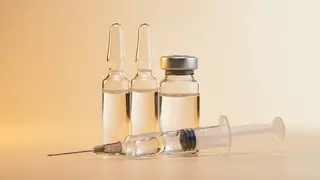
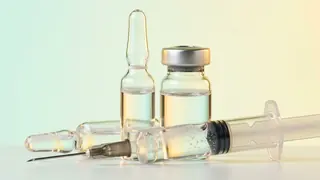
- Tiny needle ranges: Modern pen needles measure just 4 mm to 8 mm long (29G–32G thickness), while standard syringes typically use 12.7 mm to 16 mm (25G–30G) needles.
- Safe volume cap: Most single subcutaneous doses range from 0.2 mL to 1.5 mL, with 1.5 mL to 2.0 mL serving as the normal clinical upper limit per site.
- Four main body zones: Use the abdomen (at least 2 inches / 5 cm from your belly button), outer thighs, back of the upper arms, or upper outer buttocks.
- Always rotate spots: Move at least 1 inch (2.5 cm) from your last injection dot to prevent rubbery fatty lumps that block proper drug absorption.
What Does Administering a Subcutaneous Injection Mean, and What Causes Doctors to Prescribe It?
Administering a subcutaneous injection means delivering a small, measured dose of liquid medication through a short, fine needle into the fatty layer just beneath your skin (subcutaneous adipose tissue), providing slow, steady bloodstream absorption for medicines like insulin, blood thinners, fertility hormones, and weekly biologic or weight-management pens.
Why can't we doctors simply give you all of these medications in a convenient morning tablet? Think about it for a second: your digestive tract is built to break down proteins in your lunch—like chicken, eggs, or yogurt—into tiny fragments. Because medicines such as insulin, weekly metabolic peptides (GLP-1 receptor agonists), autoimmune arthritis treatments (biologics), fertility hormones, and post-surgery blood thinners (low-molecular-weight heparins like enoxaparin) are complex proteins or fragile molecules, your stomach enzymes would digest them before they ever reached your bloodstream. Makes sense, right?
Medical situations ("causes") that commonly require home subcutaneous therapy include Type 1 and Type 2 diabetes, blood clot prevention after joint replacement or pregnancy, rheumatoid arthritis, psoriasis, migraine prevention, severe allergic reactions treated with emergency adrenaline auto-injectors (though those actually go deeper into thigh muscle!), growth hormone deficiency, and targeted cholesterol-lowering injections. Giving the dose right under the skin lets you stay comfortable at home rather than commuting to a hospital infusion clinic.
How Does Subcutaneous Tissue Absorb Medicine Compared to Muscle or Vein Injections?
To see why needle depth matters so much, picture your skin and underlying tissue like a three-layer sandwich. On top sits your protective outer skin (the epidermis and dermis), which is packed with touch and pain nerve endings. Right below that lies the soft, insulating fat pad (the hypodermis or subcutaneous layer). Beneath the fat sits firm, blood-rich muscle (skeletal muscle). We rarely stop to think about how differently those layers handle medicine, do we?
Unlike deep muscle, your fatty layer contains relatively few large blood vessels and mostly tiny microscopic capillaries and lymphatic channels. Look at what happens here when you inject liquid into that soft cushion: instead of rushing into your circulation all at once like an intravenous drip (IV infusion) or absorbing rapidly like a deep vaccine shot into muscle (intramuscular injection), the medication forms a tiny, painless "depot" pocket. From there, your capillaries absorb it gradually over several hours or days.
That slow trickle is crucial. If fast-acting insulin or a weekly metabolic injection accidentally lands too deep inside muscle tissue, rich muscle blood flow pulls the drug into circulation far too fast—triggering sudden low blood sugar (hypoglycemia) or intense nausea. Conversely, injecting too shallowly into the top skin layer (an intradermal injection, normally reserved for tuberculosis skin tests) causes a painful raised blister and poor absorption.
What Are the Normal Ranges for Needle Size, Dose Volume, and Injection Angle?
When patients search for "normal ranges" around subcutaneous injections, they are usually checking whether their needle length, needle thickness, liquid volume, and skin angle match safe clinical standards. Getting these four numbers right makes the difference between a virtually painless tap and a sore bruise.
- Needle Gauge (Thickness): Measured in "G," where a higher number actually means a thinner needle—pretty surprising at first, right? Standard subcutaneous syringes range from 25G to 30G, while prefilled insulin and peptide pen needles are ultra-thin at 29G to 32G (barely thicker than an eyelash).
- Needle Length: Prefilled pen needles normally measure 4 mm, 5 mm, 6 mm, or 8 mm. Traditional vial-and-syringe needles typically measure 1/2 inch to 5/8 inch (12.7 mm to 16 mm).
- Normal Dose Volume Range: Typical home doses sit between 0.2 mL and 1.0 mL, with a standard clinical maximum of 1.5 mL (occasionally up to 2.0 mL for specific biologics) per injection site. Volumes above 2.0 mL stretch subcutaneous tissue, causing stinging pressure and fluid leakage back out of the skin.
- Insertion Angle Range: Insert ultra-short needles (4 mm to 6 mm) straight in at a 90-degree angle. If you use a longer 8 mm to 16 mm needle—or if you are very lean or injecting a child—pinch a fold of skin and enter at a 45-degree angle so the tip stays safely above the muscle.
Where Are the Best Subcutaneous Injection Sites, and Why Does Site Rotation Matter?
Not every patch of skin on your body absorbs medicine equally. We doctors recommend four proven anatomical zones that offer generous fatty padding while keeping you well clear of major nerves, bones, and large blood vessels:
- The Abdomen (Fastest, Most Consistent Absorption): Anywhere across the soft lower belly below your ribs and above your hip bones—staying at least 2 inches (5 cm) away from your belly button (umbilicus), scars, moles, or tight beltlines.
- Front and Outer Thighs (Moderate Absorption): Aim for the middle third of the front or outer thigh, halfway between your knee and hip joint, avoiding the sensitive inner thigh.
- Back of the Upper Arms (Moderate Absorption): The fleshy fatty pad halfway between your shoulder and elbow on the back of the arm—ideal when a partner or caregiver gives the shot.
- Upper Outer Buttocks or Hip Flank (Slowest Absorption): Often chosen for evening long-acting insulin because steady overnight absorption helps keep morning blood sugars smooth.
Be honest—once you find one comfortable spot on your tummy, you have felt tempted to use that exact same square inch every time, haven't you? Resist that habit! Repeatedly poking the same spot causes rubbery scar-fat lumps under the skin (lipohypertrophy). Medicine injected into those lumps absorbs unpredictably, ruining dose accuracy. Always shift at least 1 inch (2.5 cm) from your previous spot using a clock-face or grid pattern.
How Do You Prepare and Give a Subcutaneous Injection Step by Step at Home?
Remember how we talked earlier about keeping your medicine squarely inside that calm fatty layer? Following a steady, unhurried routine ensures accurate dosing and clean infection control every single time:
- Warm & Inspect Your Medication: If your single-dose pen or vial lives in the fridge (store it on a middle shelf near everyday groceries like yogurt, never against the freezing back wall), take your single dose out 15 to 30 minutes beforehand unless your drug leaflet says otherwise—room-temperature liquid stings far less! Check the expiration date and confirm the liquid looks clear and particle-free (unless prescribed a cloudy suspension insulin).
- Wash Hands & Prep the Skin: Wash your hands thoroughly with soap and warm water. Wipe your chosen skin site with a 70% alcohol swab and let it air-dry completely for 10 to 15 seconds—poking through wet alcohol causes an unnecessary sharp sting.
- Pinch & Insert Smoothly: If using a longer needle or if you are lean, gently lift a 1-to-2-inch fold of skin and fat between your thumb and index finger without squeezing deep muscle. Insert the needle in one quick, smooth dart motion at 90 degrees (or 45 degrees if needed).
- Inject Steadily & Hold: Push the syringe plunger down at an even, gentle pace. For prefilled pens, press the thumb button all the way in and count slowly to 10 before pulling out so the full dose finishes dripping in.
- Withdraw & Dispose Safely: Pull the needle straight out at the exact same angle, let go of the skin pinch, press lightly with clean gauze (never rub!), and drop the used needle straight into a certified sharps container without recapping a loose syringe needle.
How Can You Tell Normal Post-Injection Effects Apart from Problems That Need Next Steps?
Even with textbook technique, your skin may occasionally react in minor ways. See? Knowing what is harmless versus what requires medical attention saves you late-night worry. Use our quick two-column clinical guide below to check your skin and decide your next step.
| Skin Finding or Injection Issue | Clinical Meaning & Next Step |
|---|---|
| Tiny drop of blood or clear liquid bead | The needle nicked a harmless surface capillary, or a tiny drop leaked back along the needle track. What you should do: Press gently with a clean cotton ball for 15 seconds without rubbing. Do not inject an extra "top-up" dose, and count slowly to 10 before withdrawing next time. |
| Quarter-sized bruise (especially with blood thinners) | Minor capillary oozing under the skin (ecchymosis), very common with heparin or enoxaparin shots. What you should do: Never rub or massage the spot after injecting. Avoid bruising areas until they fade completely, and apply a cool cloth wrapped in a towel for 5 minutes if tender. |
| Mild pink, mildly itchy bump for 1–2 days | A harmless localized immune or preservative reaction common with weekly biologics and metabolic pens. What you should do: Keep the skin clean and avoid scratching. Ask your primary care doctor or pharmacist whether a cool compress or over-the-counter antihistamine cream is appropriate. |
| Firm, rubbery, painless lump under the skin | Fatty tissue thickening (lipohypertrophy) caused by reusing the exact same injection patch or reusing dull pen needles. What you should do: Stop injecting into that lump for several months so the tissue can heal, use a fresh needle every single shot, and rotate sites at least 1 inch apart. |
| Spreading hot redness, swelling, pus, or fever | Signs of a bacterial skin infection (cellulitis) or localized pocket of pus (subcutaneous abscess) starting 24–72 hours later. What you should do: Contact your primary care doctor or visit a local Urgent Care center the same day for examination and potential antibiotic treatment—never squeeze the area. |
| Sharp deep sting during shot + rapid drug side effects | The needle likely passed through the fat pad into underlying muscle, accelerating bloodstream absorption. What you should do: If injecting insulin, check your blood glucose promptly and keep fast-acting carbs like orange juice or glucose tablets nearby. Ask your doctor about switching to shorter 4 mm needles. |
For smooth everyday home care, always use a brand-new sterile needle for every injection—even reusing a pen needle once bends its microscopic tip into a tiny hook that tears tissue! Stay well hydrated with water throughout the day, and ask your local pharmacy, chemist, or municipal council about approved sharps bin exchange programs in your area.
✔️ What You Should Do & ❌ What to Avoid
- ✔️ Do use a fresh sterile needle every time: Single-use needles stay razor-sharp, sterile, and virtually painless while protecting against skin infections.
- ✔️ Do let alcohol swabs dry completely: Waiting 10 to 15 seconds keeps stinging alcohol out of the needle track.
- ✔️ Do track your rotation zones: Alternate left and right sides of your abdomen or thighs using a smartphone note or calendar.
- ❌ Never recap used syringe needles by hand: Needle-stick injuries happen most often during recapping—drop sharps straight into a rigid sharps bin.
- ❌ Never inject through clothing, scars, bruises, or swollen skin: Fabric introduces bacteria and dulls the needle, while scarred skin blocks proper absorption.
- ❌ Never rub the site after blood thinner or insulin shots: Vigorous rubbing causes ugly hematomas with blood thinners and speeds up insulin release unpredictably.
🚨 When to Seek Immediate Emergency Care (Red-Flag Symptoms)
If you or someone near you develops any of these red-flag symptoms, do not wait — call 911 (US & Canada), 999 or 111 (UK), or 000 (Australia) immediately or go straight to the nearest hospital Emergency Room (ER / A&E):
- Signs of a severe whole-body allergic reaction (anaphylaxis): Sudden swelling of your lips, tongue, face, or throat, wheezing, shortness of breath, widespread hives, or feeling faint minutes after an injection.
- Severe low blood sugar emergency (after insulin): Extreme shakiness, confusion, slurred speech, seizures, or loss of consciousness that cannot be safely treated by mouth.
- Dangerous bleeding (especially on blood thinners): An injection-site lump that rapidly balloons in size, nonstop bleeding after 15 minutes of firm pressure, dizziness, black tarry stools, or coughing up blood.
- Rapidly spreading skin infection with systemic illness: Red streaks moving outward from the injection spot accompanied by high fever, chills, rapid heartbeat, or severe throbbing pain.
- Accidental large medication overdose: Injecting the wrong strength, mixing up fast-acting and long-acting pens, or delivering multiple doses by mistake.
💡 Key Take-Home Message
- Subcutaneous injections safely deliver delicate medications into the shallow fat pad under your skin for gentle, sustained absorption.
- Sticking to normal clinical ranges—short 4 mm to 8 mm pen needles (or 12.7 mm to 16 mm syringe needles), doses under 1.5 mL to 2.0 mL, and proper 45-to-90-degree angles—keeps shots comfortable.
- Consistent site rotation at least 1 inch apart and strict single-use needle hygiene protect your skin from lumps, bruising, and infection.
- When in doubt about your first shot, ask your family clinic nurse or local pharmacist to watch you demonstrate one dose in person.
No comments yet. Be the first to share your question or experience below.