
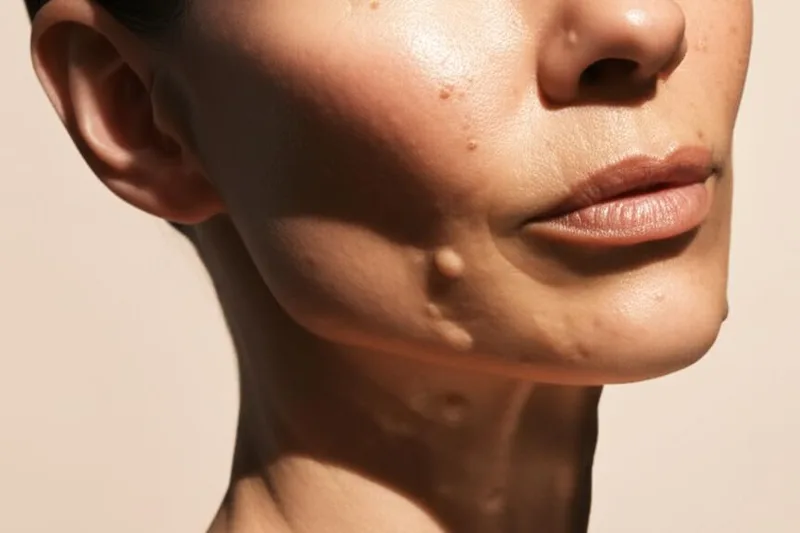
Are you also experiencing brown spots on your skin? Let's talk about these 'Age Spots'

Are you also experiencing brown spots on your skin? Let's talk about these 'Age Spots'

We all love the sun, don't we? It gives our body a good boost, produces vitamin D, and makes us feel a little refreshed. But sometimes, this sun can also cause some damage to our skin. Have you noticed that as we age, especially on areas that are frequently exposed to the sun, such as the face, neck, and hands, brown, flat spots develop? Many people call these 'age spots '. Despite the name, these are not always caused by aging. So today, let's learn more about them, how to protect yourself from them, and the treatments available for them.

What exactly are these 'Age Spots'? Do they occur because of aging?

Simply put, these are benign, brown spots that appear on the skin. Although they are called 'age spots', the real cause is not aging alone. The main cause is our skin being exposed to direct sunlight, that is, ultraviolet light (UV light), for many years. To be precise, when the skin is exposed to sunlight, it produces more of a pigment called `melanin' to protect itself. Sometimes, this melanin accumulates in one place, which is why these spots appear. Medically, this is called `solar lentigo'.

Imagine, we spend years in the sun. Each time, our skin is exposed to a small amount of sunlight. Over time, these effects accumulate and these spots appear on the surface. This condition can be caused not only by sunlight, but also by artificial UV sources such as tanning beds.

Most importantly: Never ignore a new brown spot on your skin, especially if it changes in color, size, or shape. It could be a sign of skin cancer . It's always a good idea to see a dermatologist for a checkup.

Are there any treatments that can be done at home?

There are creams on the market that claim to help fade these spots and improve skin tone, available from pharmacies. Many of these contain ingredients called `retinoids` or `hydroquinone`.

These may be somewhat effective for some people, but you need to be very careful when using them.

  • Hydroquinone : If used for more than a few months, these can sometimes darken the skin instead of fading it.
  • Retinoids: For people with sensitive skin, using these can cause redness, peeling, and inflammation .

So, if you're thinking about using a cream like this, it's best to talk to your doctor first. He or she can prescribe a safe treatment that's right for your skin. You may need a prescription-strength cream that's stronger than what you can get at the pharmacy.

What treatments can be obtained from a doctor?

If you are not satisfied with home treatments, there are several more effective treatments that can be done under the supervision of a doctor. Two of the main methods are laser treatment and cryotherapy.

Treatment Method What happens in that? (What happens?) Risks & Side Effects
Laser Therapy This involves targeting the pigment in the skin with a special laser beam. This beam breaks down the melanin pigment that has accumulated. Most spots can fade or disappear completely in one or two treatments. There are risks such as skin burns, scarring, and permanent skin discoloration (whitening or darkening). Therefore, it should only be performed by a trained and experienced physician.
Cryotherapy This involves using liquid nitrogen to freeze and destroy the cells in the area where the mole is located. This can be a little painful, but it is a very quick treatment. There are risks here too, such as scarring and skin discoloration. However, if performed by a dermatologist, these risks are very low.

Are the results of these treatments permanent?

This is a question that many people ask. To be honest, most of these treatments only reduce the color of the spots and make them fade, rather than completely removing them. This means that over time, these spots can reappear.

Also, even if you treat and get rid of the spots, if you don't continue to protect your skin from the sun, even a small spot that remains will darken again and become larger. So, no matter what treatment you use, it's not a good idea to stop protecting yourself from the sun.

Prevention is the best thing to do! Let's look into it.

How much better is it to prevent disease than to treat it ? That story applies equally to these 'age spots'.

Remember, the best and number one thing to do to prevent these spots is to protect your skin from the sun.

Here are some simple things you can do about it:

  • Don't procrastinate: Don't think, "Oh... I'm old now, so there's no point in doing that now." No matter how old you are, if you start protecting your skin now, it will thank you later.
  • Use sunscreen every day: Make it a habit. It's a good idea to use sunscreen that's suitable not only when you're going out, but also when you're at home. It's best to use one with an SPF of at least 30 , and even higher. Don't forget to reapply every 2-3 hours.
  • Dress to cover your skin: Wear long-sleeved shirts and pants as much as possible. Even in the heat, you can wear light cotton clothing that protects your skin. Also, wearing a wide-brimmed hat when going outside is a great way to protect your face and neck.
  • Prevent recurrence: Even if the spots fade after treatment, continued sun exposure can cause the remaining spots to darken again. Therefore, it is essential to continue to protect your skin from the sun even after treatment.

Take-Home Message

  • Despite the name 'Age Spots', the main cause of these is not age, but prolonged exposure to the sun.
  • Any new spot on the skin that changes shape or color should definitely be shown to a doctor to confirm whether it is skin cancer.
  • Although creams purchased from pharmacies may provide some results, they can cause side effects, so it is safer to use them under medical advice.
  • Medical treatments such as laser and cryotherapy are more effective, and they should definitely be performed by a trained doctor.
  • The best thing to do is to prevent it. By using sunscreen regularly, properly, and covering your skin, you can largely control the appearance of these spots.

Skin spots, age spots, brown spots, solar lentigo, sun protection, sunscreen, skin diseases

Frequently Asked Questions (FAQ)

Are the results of these treatments permanent?

This is a question that many people ask. To be honest, most of these treatments only reduce the color of the spots and make them fade, rather than completely removing them. This means that over time, these spots can reappear.

⚠️ Important: The medical articles and information on Nirogi Lanka are for general awareness only, and are by no means a substitute for professional medical advice, diagnosis, or treatment. For any medical problem you have, consult a qualified physician immediately.

💬 Comments (0)

No comments yet. Be the first to share your thoughts here.

Add Your Comment

Please calculate: 8 + 7 =
Are you also experiencing brown spots on your skin? Let's talk about these 'Age Spots'
Preventive HealthJuly 6, 2026

Are you also experiencing brown spots on your skin? Let's talk about these 'Age Spots'

We all love the sun, don't we? It gives our body a good boost, produces vitamin D, and makes us feel a little refreshed. But sometimes, this sun can also cause some damage to our skin. Have you noticed that as we age, especially on areas that are frequently exposed to the sun, such as the face, neck, and hands, brown, flat spots develop? Many people call these 'age spots '. Despite the name, these are not always caused by aging. So today, let's learn more about them, how to protect yourself from them, and the treatments available for them.

What exactly are these 'Age Spots'? Do they occur because of aging?

Simply put, these are benign, brown spots that appear on the skin. Although they are called 'age spots', the real cause is not aging alone. The main cause is our skin being exposed to direct sunlight, that is, ultraviolet light (UV light), for many years. To be precise, when the skin is exposed to sunlight, it produces more of a pigment called `melanin' to protect itself. Sometimes, this melanin accumulates in one place, which is why these spots appear. Medically, this is called `solar lentigo'.

Imagine, we spend years in the sun. Each time, our skin is exposed to a small amount of sunlight. Over time, these effects accumulate and these spots appear on the surface. This condition can be caused not only by sunlight, but also by artificial UV sources such as tanning beds.

Most importantly: Never ignore a new brown spot on your skin, especially if it changes in color, size, or shape. It could be a sign of skin cancer . It's always a good idea to see a dermatologist for a checkup.

Are there any treatments that can be done at home?

There are creams on the market that claim to help fade these spots and improve skin tone, available from pharmacies. Many of these contain ingredients called `retinoids` or `hydroquinone`.

These may be somewhat effective for some people, but you need to be very careful when using them.

  • Hydroquinone : If used for more than a few months, these can sometimes darken the skin instead of fading it.
  • Retinoids: For people with sensitive skin, using these can cause redness, peeling, and inflammation .

So, if you're thinking about using a cream like this, it's best to talk to your doctor first. He or she can prescribe a safe treatment that's right for your skin. You may need a prescription-strength cream that's stronger than what you can get at the pharmacy.

What treatments can be obtained from a doctor?

If you are not satisfied with home treatments, there are several more effective treatments that can be done under the supervision of a doctor. Two of the main methods are laser treatment and cryotherapy.

Treatment Method What happens in that? (What happens?) Risks & Side Effects
Laser Therapy This involves targeting the pigment in the skin with a special laser beam. This beam breaks down the melanin pigment that has accumulated. Most spots can fade or disappear completely in one or two treatments. There are risks such as skin burns, scarring, and permanent skin discoloration (whitening or darkening). Therefore, it should only be performed by a trained and experienced physician.
Cryotherapy This involves using liquid nitrogen to freeze and destroy the cells in the area where the mole is located. This can be a little painful, but it is a very quick treatment. There are risks here too, such as scarring and skin discoloration. However, if performed by a dermatologist, these risks are very low.

Are the results of these treatments permanent?

This is a question that many people ask. To be honest, most of these treatments only reduce the color of the spots and make them fade, rather than completely removing them. This means that over time, these spots can reappear.

Also, even if you treat and get rid of the spots, if you don't continue to protect your skin from the sun, even a small spot that remains will darken again and become larger. So, no matter what treatment you use, it's not a good idea to stop protecting yourself from the sun.

Prevention is the best thing to do! Let's look into it.

How much better is it to prevent disease than to treat it ? That story applies equally to these 'age spots'.

Remember, the best and number one thing to do to prevent these spots is to protect your skin from the sun.

Here are some simple things you can do about it:

  • Don't procrastinate: Don't think, "Oh... I'm old now, so there's no point in doing that now." No matter how old you are, if you start protecting your skin now, it will thank you later.
  • Use sunscreen every day: Make it a habit. It's a good idea to use sunscreen that's suitable not only when you're going out, but also when you're at home. It's best to use one with an SPF of at least 30 , and even higher. Don't forget to reapply every 2-3 hours.
  • Dress to cover your skin: Wear long-sleeved shirts and pants as much as possible. Even in the heat, you can wear light cotton clothing that protects your skin. Also, wearing a wide-brimmed hat when going outside is a great way to protect your face and neck.
  • Prevent recurrence: Even if the spots fade after treatment, continued sun exposure can cause the remaining spots to darken again. Therefore, it is essential to continue to protect your skin from the sun even after treatment.

Take-Home Message

  • Despite the name 'Age Spots', the main cause of these is not age, but prolonged exposure to the sun.
  • Any new spot on the skin that changes shape or color should definitely be shown to a doctor to confirm whether it is skin cancer.
  • Although creams purchased from pharmacies may provide some results, they can cause side effects, so it is safer to use them under medical advice.
  • Medical treatments such as laser and cryotherapy are more effective, and they should definitely be performed by a trained doctor.
  • The best thing to do is to prevent it. By using sunscreen regularly, properly, and covering your skin, you can largely control the appearance of these spots.

Skin spots, age spots, brown spots, solar lentigo, sun protection, sunscreen, skin diseases

Frequently Asked Questions (FAQ)

Are the results of these treatments permanent?

This is a question that many people ask. To be honest, most of these treatments only reduce the color of the spots and make them fade, rather than completely removing them. This means that over time, these spots can reappear.

⚠️ Important: The medical articles and information on Nirogi Lanka are for general awareness only, and are by no means a substitute for professional medical advice, diagnosis, or treatment. For any medical problem you have, consult a qualified physician immediately.

💬 Comments (0)

No comments yet. Be the first to share your thoughts here.

Add Your Comment

Please calculate: 8 + 7 =