
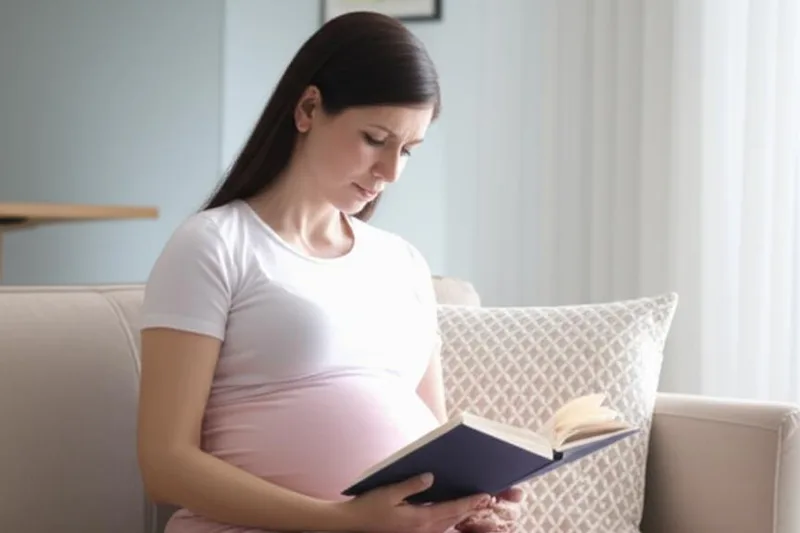
When you're expecting a baby, even the smallest changes in your body can feel overwhelming, right? That's normal. What do you do when an allergy you've always had suddenly worsens, or a new allergy develops that you've never had in your life? You're afraid to go to the pharmacy to get medicine, and you feel like you can't live without it. You don't have to face this problem alone. Today, we'll talk about this and all the questions you have in your mind.
First and foremost: talking to the doctor
If you are planning to have a baby, or are already pregnant, the first and most important thing you should do is talk to your doctor about it. Be sure to tell him or her about all the medications you are taking, not just prescription medications but also over-the-counter medications.
Don't panic. There are no major risks to using most allergy medications during pregnancy. However, talking to your doctor about it and using them with his approval will give you a lot of peace of mind.
What medications are safe to use during pregnancy?
Generally, there are several medications that doctors consider safe for pregnant women. But remember, these should only be used under the advice of your doctor.
| Type of medicine | What the medicine contains (examples) | What to know |
|---|---|---|
| Oral antihistamines |
| Research has shown that these are generally safe. However, some types can cause drowsiness. So be careful if you drive or operate machinery. |
| Nasal Sprays |
| The biggest advantage of a nasal spray is that the medicine stays mostly inside the nose. It's much less likely to travel throughout the body. That's a good thing during pregnancy. |
Things to definitely avoid!
There are certain medications that are not recommended during pregnancy, and should be avoided. It is very important to be aware of this.
These are not recommended in the first three months! (Decongestants)
The first trimester of pregnancy is a very sensitive time when the baby's organs are developing. It has been found that using oral decongestants during this time may slightly increase the risk of certain birth defects in the baby.
Simply put, these are some of the medications that are prescribed to relieve nasal congestion. Look for the letter "-D" after the name of the allergy medicine you are taking (e.g. Claritin-D). This means that the medicine has a `decongestant` added to it. So think twice and ask your doctor before taking such medications.
Antihistamine Nasal Sprays
You should be a little careful with these too. There hasn't been enough research done on their safety during pregnancy. So, it's better to avoid using these types of sprays during this time than to take the risk.
Can allergies be controlled without medication?
This is a question that many people ask. If your allergy symptoms are not too severe, your doctor may recommend non-drug treatments.
- Reducing allergens in the home: Vacuuming the house thoroughly and washing bedding, pillowcases, and other items regularly in hot water.
- Saline Nasal Spray: This is a type of spray that contains salt water. It is not a medicine. It helps to clean the inside of the nose, reduce congestion, and provide relief.
However, if your allergy symptoms are severe , meaning sneezing, watery eyes, and a runny nose that keep you up at night, it may be better for both you and your baby to use a safer medication than to suffer without medication.
Special case: Allergic asthma
If you have asthma along with allergies, this is very important. It is essential to take your asthma medication exactly as prescribed by your doctor, without any changes. If your asthma is not controlled, it can affect the baby's oxygen supply. This can cause serious problems during pregnancy. So, be sure to talk to your doctor before stopping your asthma medication.
What about allergy shots?
Some people use long-term allergy shots to control their allergies. There are two things you should know about this.
1. If you are already taking shots: If you were already taking allergy shots before you became pregnant, you can continue to do so during pregnancy with your doctor's approval. It is generally safe.
2. If you are starting new shots: However, it is not at all good to start new `Allergy Shots` during pregnancy. The reason is that when starting new, there is a very small risk of a severe allergic reaction (anaphylaxis), which is not good for the baby. Therefore, if you are starting new shots, you should wait until after the baby is born.
Take-Home Message
- If you are pregnant or planning to become pregnant, be sure to talk to your doctor before taking any medication (including those you can buy over-the-counter).
- Although oral antihistamines such as Cetirizine and Loratadine and some nasal sprays are generally safe, they should only be used with medical approval.
- Avoid using oral decongestants and antihistamine nasal sprays, which have limited safety data, especially during the first trimester of pregnancy.
- If you have allergic asthma , it is very important for your health and that of your baby to continue taking your prescribed medication.
- While it is safe to continue taking allergy shots you are already taking, avoid starting new ones during pregnancy.




💬 Comments (0)
No comments yet. Be the first to share your thoughts here.
Add Your Comment