
Dealing with stubborn acne can feel frustrating and overwhelming no matter your age. Whether you are noticing a few unexpected breakouts or a more persistent skin challenge, finding the right treatment makes all the difference. If your skin needs targeted help, understanding how combination prescription treatments work can guide you toward clearer skin.
Prescription topical gels combining active medicines offer a powerful way to clear clogged pores and calm inflammation. Let us walk through everything you need to know about using this dual-action skin gel safely and effectively in your daily routine.
Key Takeaways at a Glance.
- Dual Action: Combines Benzoyl Peroxide to kill bacteria with Erythromycin antibiotic to reduce swelling.
- Proper Application: Clean your skin gently, apply a thin layer to affected areas only, and avoid sensitive zones like your eyes and lips.
- Sun Sensitivity: This gel makes your skin much more sensitive to sunlight, so daily sunscreen is essential.
- Patience Needed: Full results often take eight to twelve weeks of consistent use to become visible.
- Proper Storage: Store the medicine properly in your refrigerator and check expiration dates carefully.
What is this medicine and how does it actually work?
This prescription treatment is a topical gel that combines two powerful active ingredients: Benzoyl Peroxide and Erythromycin. Doctors usually prescribe this combination medicine to treat mild to moderate acne breakouts that do not clear up with basic over-the-counter washes.
The Benzoyl Peroxide component works by targeting and killing the acne-causing bacteria living deep inside your skin pores. It also helps your skin shed its outer layer gently, which prevents dead skin cells from clogging your pores. Erythromycin is a prescription antibiotic that stops bacteria from multiplying while calming down redness and swelling.
When these two ingredients work together, they tackle acne from multiple angles for better results. However, this medicine is not suitable for every single type of skin blemish or condition. Your doctor will carefully evaluate your skin type and acne severity before deciding if this treatment fits your personal health needs.
You might see this medicine dispensed under brand names like Benzamycin or Benzamycin Pak depending on your local pharmacy. Always follow your doctor or pharmacist's specific guidance regarding your prescription brand and formulation.
What should you tell your doctor before starting this medicine?
Before you apply this skin gel for the very first time, sharing your complete medical history with your doctor is vital. Your doctor needs specific health details to ensure this prescription treatment remains safe and effective for your unique skin:
- Tell your doctor if you have other skin conditions like eczema, rosacea, or severe dermatitis.
- Mention if you have any open cuts, scrapes, or active wounds on the areas where you plan to apply the gel.
- Let your doctor know if you are dealing with a fresh sunburn or windburned skin.
- Disclose any past allergic reactions to benzoic acid, cinnamon, erythromycin, specific dyes, preservatives, or other topical medicines.
- Inform your doctor if you are currently pregnant, planning to become pregnant soon, or nursing a baby.
- Share a complete list of any other prescription creams, over-the-counter ointments, or herbal products you currently use.
Sharing these details openly helps your doctor choose the safest and most effective treatment plan. Never guess whether a past allergy matters. Let your medical team review the details to protect your health.
How should you use this medicine correctly?
Using any medicine correctly is essential to get the best results and avoid unwanted side effects. Applying more gel than instructed will not clear your acne faster and can cause severe skin irritation. Follow these simple steps for safe application:
- This medicine is strictly for external use on the skin only and must never be swallowed or taken by mouth.
- Wash your acne-prone skin gently with a mild cleanser and pat it dry with a clean towel before applying your gel.
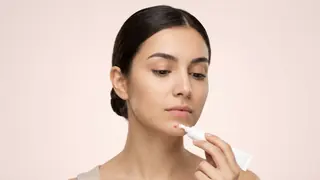
- Take a small, pea-sized amount of gel and spread it in a thin layer across the affected skin areas, rubbing it in gently.
- Never apply the gel to raw, severely cracked, or bleeding skin areas that are already damaged or irritated.
- Keep the gel away from sensitive areas like your eyes, eyelids, lips, inside your nose, and inside your mouth.
- Use the medicine for the full course recommended by your doctor, even if your acne starts clearing up after a few days.
- Never stop using your prescription treatment early without talking to your doctor first, or your acne may return.
If you are treating a younger patient, note that doctors sometimes prescribe this medicine for teenagers and children over twelve years old. Because younger skin can be more sensitive, pediatric supervision and careful guidance from a pediatrician or dermatologist are always recommended.
What should you do if you apply too much medicine?
If you accidentally apply more gel than recommended, or if someone swallows a portion of this medicine by mistake, act right away. Contact your local poison control center or head to the nearest emergency room right away for professional guidance.
In the US, you can call Poison Control at 1-800-222-1222, and in the UK, you can call NHS 111 or emergency services. Stay calm, but do not wait for symptoms to appear before seeking professional medical advice.
Important Sharing Warning: Your prescription medicine is tailored specifically for your unique skin condition. Never share your acne gel with friends, siblings, or family members, as their skin needs and underlying acne causes may be entirely different.
What should you do if you miss a dose?
If you forget to apply your gel at your usual time, apply it as soon as you remember later that day. However, if it is almost time for your next scheduled application, skip the missed dose entirely and stick to your regular routine.
Never apply a double dose or extra layers of gel to make up for a missed application. Doubling up on medicine will not speed up your recovery and can severely dry out or irritate your skin.
What may interact with this medicine?
Combining multiple acne treatments without medical supervision can damage your skin barrier and cause severe irritation. Always consult your doctor before mixing this gel with other topical products or oral acne medicines.
Provide your doctor with a complete list of everything you eat or apply, including prescription drugs, over-the-counter remedies, herbal supplements, and vitamins. Mention if you smoke or use alcohol, as lifestyle factors can sometimes influence how your body reacts to treatments.
| Product Type. | Safe to Combine? / Medical Advice. |
|---|---|
| Other Prescription Acne Creams. | Safe to Combine?: No. Medical Advice.: Avoid unless explicitly approved by your dermatologist. |
| Alcohol-Based Toners & Astringents. | Safe to Combine?: No. Medical Advice.: Can cause severe dryness, peeling, and painful stinging. |
| Gentle Daily Moisturizers. | Safe to Combine?: Yes. Medical Advice.: Use non-comedogenic, oil-free moisturizers to protect your skin barrier. |
| Daily Broad-Spectrum Sunscreen. | Safe to Combine?: Yes. Medical Advice.: Highly recommended every morning to prevent UV damage and sunburn. |
What should you watch for while using this medicine?
As your skin adjusts to this potent prescription gel, keep several practical care tips in mind:
- Initial Breakouts: During your first few weeks of treatment, your acne may temporarily look slightly worse. Do not panic, as this is a normal part of the adjustment process.
- Patience is Key: Noticeable improvements take time, and achieving clear skin typically requires eight to twelve weeks of consistent use.
- Follow-Up Timeline: If you see zero improvement after four to six weeks of regular use, schedule a check-in with your doctor.
- Wait Before Washing: Avoid washing the treated skin areas for at least one hour after applying your gel.
- Manage Dryness: If your skin becomes excessively dry, flaky, or irritated, talk to your doctor about adjusting your application frequency.
- Avoid Harsh Skincare: Skip abrasive scrubs, medicated cosmetics, and harsh alcohol-based cleansers that strip natural moisture.
- Sun Protection: This gel makes your skin much more sensitive to ultraviolet rays. Limit direct sun exposure, wear protective hats, apply a broad-spectrum sunscreen daily, and avoid tanning beds entirely.
- Fabric Bleaching Warning: Benzoyl Peroxide can bleach and permanently discolor colored clothing, towels, hair, and bed linens, so wash your hands thoroughly after applying.
What side effects might occur and when should you seek help?
Like all prescription medicines, this gel can cause side effects, though not everyone experiences them. Knowing what to watch for helps you stay safe throughout your treatment journey.
When to Call Your Doctor or Emergency Services right away.
Stop using the gel and seek urgent medical care if you experience any of these serious signs:
- Signs of a severe allergic reaction, including sudden skin rash, hives, intense itching, or swelling of your face, lips, tongue, or throat.
- Intense, unmanageable skin burning, blistering, or severe inflammation.
- Extreme skin dryness, cracking, or severe painful peeling that disrupts daily life.
In the US, call 911 or visit your nearest Emergency Department. In the UK, call 999 or NHS 111 right away if breathing difficulties occur.
Common side effects that usually do not require emergency care:.
Mild side effects often fade as your skin adjusts to the medicine. If these symptoms persist or become bothersome, mention them to your doctor during your next visit:
- Increased sensitivity to sunlight and outdoor glare.
- Mild to moderate skin burning, warmth, or stinging upon application.
- Slight skin redness, mild dryness, or minor flaking around treated areas.
This list does not cover every possible side effect. Report any unusual symptoms to your doctor. You can also report adverse side effects to the FDA at 1-800-FDA-1088 or via their online reporting portal.
Where should you keep your medicine?
Proper storage safeguards the chemical stability and effectiveness of your prescription gel:
- Always store your medicine safely out of the reach and sight of young children and pets.
- Keep this gel stored inside your refrigerator at temperatures between 2 and 8 degrees Celsius (36 to 46 degrees Fahrenheit).
- Check the expiration date provided by your pharmacy, which typically lasts around three months after dispensing. Never use expired medicine.
💡 Take-Home Message.
Benzoyl Peroxide and Erythromycin gel is a powerful prescription treatment designed to help you manage and clear acne breakouts successfully. By following your doctor's exact instructions, protecting your skin from the sun, and maintaining consistent daily habits, you can achieve healthy, clear skin.
Remember that patience is essential, as real changes take several weeks to appear. Always reach out to your doctor or pharmacist if you have questions about your skincare routine or experience unexpected side effects.

No comments yet. Be the first to share your question or experience below.