
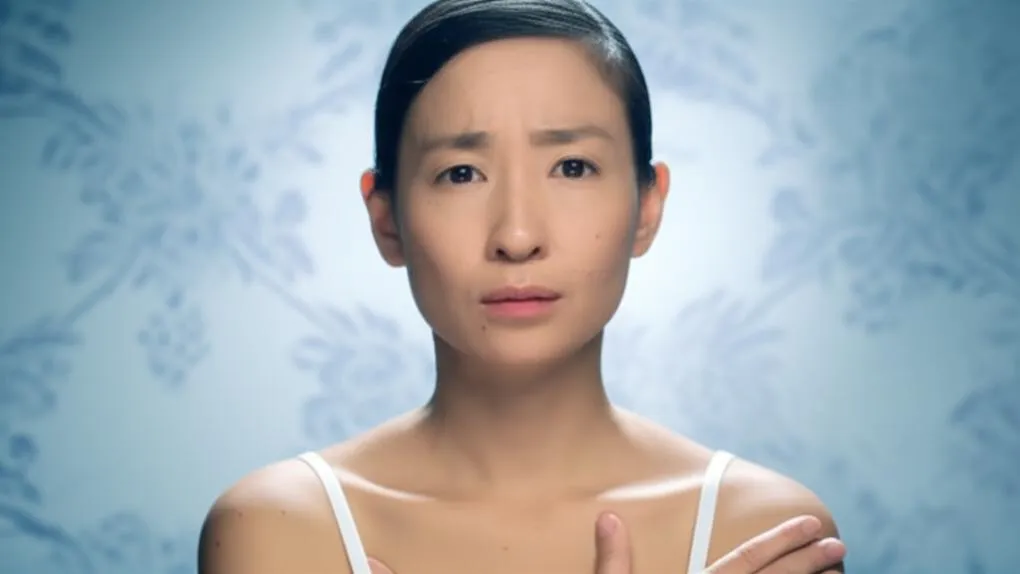
Have you ever noticed a tiny change in your body and simply brushed it off? Many women feel a small lump, a strange pain, or mild skin changes and think it will just go away on its own. However, when it comes to your breasts, ignoring even the smallest change is never a good idea. That subtle shift might be an early warning sign of breast cancer, and catching it early makes all the difference in treatment success.
Breast cancer is one of the most common health concerns for women worldwide, but knowledge is your greatest shield. When you understand what to look for and when to seek professional medical help, you take control of your health. Let us walk through the vital signs, diagnostic tests, and reassuring steps you need to know.
Key Takeaways at a Glance
- Early detection saves lives: Finding breast cancer in its earliest stages offers the highest chance of successful treatment.
- Not all lumps hurt: A painless breast lump is actually one of the most frequent early signs to watch for.
- Men can get it too: While rare, male breast cancer does occur and requires immediate medical attention.
- Never wait and hope: If you notice any persistent breast changes, schedule a doctor appointment right away.
What Are the Warning Signs of Breast Cancer?
Breast cancer can present several different warning signs, but every person experiences things a bit differently. You might notice just one sign, or perhaps a combination of a few subtle changes. Keep in mind that in the very earliest stages, breast cancer can sometimes show zero symptoms at all. This is why regular self-checks and routine medical exams matter so much.
Think about it: early-stage breast cancer can develop silently without any pain or visible lumps. Staying vigilant about your breast health is your best defense.
The table below breaks down the primary warning signs and explains them in simple, everyday language:
| Warning Sign | Simple Explanation |
|---|---|
| Painless Lump | A firm mass in your breast or underarm that usually does not hurt. Many people assume cancer must be painful, but early lumps are often painless. |
| Swollen Lymph Nodes | Swelling or tender lumps in your armpit or around your collarbone area as lymph nodes react to abnormal cell growth. |
| Breast Pain or Heaviness | Unusual, persistent pain, aching, or a heavy feeling concentrated in just one breast. |
| Skin Changes | Skin that looks red, thick, dimpled like an orange peel, or flaky with a texture similar to a rash. |
| Nipple Changes | A nipple turning inward (retraction), sudden changes in shape, or the surrounding skin developing a sore or itch. |
| Nipple Discharge | Fluid leaking from the nipple when you are not breastfeeding, especially if the fluid is bloody or stained. |
Please remember that these symptoms affect both women and men. While breast cancer is much less common in men, male breast tissue can still develop abnormal growths. If you are a man and notice any of these signs, you must schedule a doctor visit right away.
What Happens When You Visit the Doctor?
If you notice any unusual changes, your first step is to schedule an appointment with your family doctor or a gynecologist. When you arrive, your doctor will listen to your concerns and conduct a gentle physical evaluation to figure out what is going on.
The Physical Examination
Your doctor will use two main methods during your physical checkup:
- Visual Inspection: Your doctor will first look closely at both of your breasts to check their size, symmetry, and overall shape. They will look for any visible skin dimpling or nipple changes, sometimes asking you to raise your arms or place your hands on your hips.
- Manual Palpation: Next, your doctor will use their fingers to gently press across your entire breast tissue, underarms, and collarbone region. This helps them feel for any hidden lumps, thickening, or tenderness beneath the skin.
If this initial exam reveals any suspicious findings or uncertainty, your doctor will guide you toward specialized diagnostic tests to get clear answers.
What Medical Tests Might You Need?
To confirm or rule out a breast cancer diagnosis accurately, doctors use several specialized imaging and laboratory tests. You may need one or more of these evaluations:
- Diagnostic Mammogram: This is a specialized X-ray of the breast. Unlike standard screening mammograms used for routine checkups, a diagnostic mammogram focuses specifically on areas of concern, taking detailed pictures from multiple angles.
- Ultrasound Scan: This safe, painless test uses sound waves to create images of breast tissue without any radiation. It helps doctors instantly tell whether a lump is filled with harmless fluid or made of solid tissue.
- MRI Scan: If standard scans leave questions unanswered, your doctor may recommend a magnetic resonance imaging (MRI) scan. This uses powerful magnets and radio waves to create exceptionally detailed cross-sectional pictures of your breast tissue.
- Biopsy: This is the only clear test that can prove 100 percent whether a growth is cancerous. During a biopsy, a doctor numbs the area and takes a tiny tissue sample or fluid extraction from the suspicious spot so lab specialists can analyze it under a microscope.
How Long Do Test Results Take?
Waiting for medical results can feel stressful and nerve-wracking. The exact timeframe depends on the specific test and your local hospital or clinic workload.
Routine imaging tests like mammograms and ultrasounds often provide preliminary results the same day or within one to two days. However, biopsy results usually take several days to a week. This extra time is necessary because laboratory technicians must process the tissue sample carefully and a specialized pathologist must review the cells under a microscope.
Knowing that waiting is hard can help you mentally prepare. Always ask your doctor before you leave the clinic when you should expect your results and how they will contact you.
When to Seek Urgent Medical Care
If you experience sudden, severe breast pain, rapid swelling, high fever associated with breast redness, or open skin sores that bleed, do not wait for a routine appointment. Go to your nearest Emergency Department (ER / A&E) or call emergency services right away (dial 911 in the US/Canada or 999 in the UK).
💡 Take-Home Message
Your health is your most precious asset, and staying informed is the best way to protect it. Keep these key points in mind:
- Never ignore any unusual change in your breasts, whether it is a lump, pain, skin dimpling, or nipple discharge.
- Practice a monthly self-breast exam so you become familiar with how your breasts normally feel. Ask your doctor to teach you the correct technique if you are unsure.
- Remember that not every breast lump is cancer, but only a qualified doctor can make that diagnosis.
- If you notice anything suspicious, do not panic and do not delay—schedule a doctor visit right away.
- Early detection remains your most powerful tool for successful, stress-free treatment and recovery.




No comments yet. Be the first to share your question or experience below.