

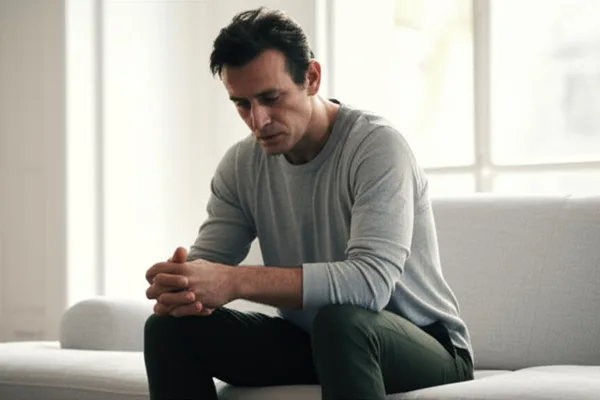
Stress , or as we all know it, is a part of our lives. In fact, there are times when a certain level of stress can help us get things done and get things done. Sometimes, extreme stress is a natural part of life, such as when we experience a serious illness, a job loss, or the death of a family member. It is normal to feel sad and anxious at times like these.
But if this sadness and anxiety lasts for more than a few weeks, and if it is starting to interfere with your household chores or work, then definitely see your doctor and talk to him. Then the doctor will talk to you and decide on the treatment you need, such as counseling (therapy) or, if necessary, medication.
Basic things you can do to control stress before it escalates
Before we let stress get to our heads and turn it into a big problem, there are many things we can learn to manage ourselves. If you incorporate these little tips into your life, you will be able to control stress to a great extent.
- Keep a positive attitude: Try to see the positive in everything. When problems arise, practice thinking, "How can I cope with this?" rather than "Why is this happening to me?"
- Accept the things you can't control: There are things we can't control. Think about things like traffic on the road, other people's behavior. Worrying about these things will only increase your stress. So, make up your mind that "I can't change this."
- Be assertive: Instead of expressing your feelings and opinions in an angry or shouting manner, practice expressing them calmly and clearly. For example, when someone gives you a task that you can't do, instead of getting angry and saying, "What a hassle, you're giving me everything!", you can avoid a lot of unnecessary problems by calmly saying, "I'm sorry, I'm already too busy to take this on."
- Manage your time well: Write down your daily tasks in order. Prioritize the most important things. This can help you eliminate the feeling of "I'm so busy, I don't have time to do anything."
- Practice saying 'no': In our culture, sometimes saying 'no' is difficult. But don't be afraid to say 'no' to a request that puts too much pressure on you.
- Make time for a hobby: Find a little time each day to do something you enjoy. It could be reading a book, listening to music, gardening, or drawing.
- Stay away from alcohol and drugs : Don't turn to alcohol, cigarettes, or other drugs as a solution to stress. While it may seem like you've gotten temporary relief, it will only add more stress to your body.
- Spend time with loved ones: Talk about your problems with a trusted friend or family member. Social connections are one of the best ways to reduce stress.
Try these lifestyle changes
Let's now look at some key things you can add to your lifestyle to manage stress.
1. Exercise
One of the main benefits of exercise is getting a good night's sleep . Getting a good night's sleep means you have a greater ability to manage stress. Research has found that people who exercise get better levels of slow wave sleep, which is a type of deep sleep that repairs the brain and body . But keep in mind that exercising close to bedtime can disrupt sleep for some people.
Also, when we exercise, our bodies release hormones like endorphins and endocannabinoids . These are natural pain relievers, sleep enhancers, and calm the mind. These hormones are also responsible for the "runner's high" that some people experience after a long run.
| Simple exercises that help reduce stress | |
|---|---|
| - Running | - Cycling |
| - Swimming | - Aerobics |
| - Dancing | - Brisk Walking |
If you don't have time to exercise , find ways to stay active during your workday. For example, ride your bike to the store, take the stairs instead of the elevator, or park your car farther away and walk.
2. A good diet
The benefits of a good, healthy diet are not only physical, but also very important for mental health. A balanced diet can reduce the effects of stress, strengthen the immune system, and control blood pressure. Foods high in sugar and fat, such as junk food, do the exact opposite. It is also normal to crave these foods when you are stressed.
Therefore, get used to a diet rich in complex carbohydrates (sweet potatoes, brown rice, oats), lean proteins (fish, chicken, eggs, nuts), and good fatty acids like omega-3.
Foods rich in antioxidants are also very important. They help protect our body's cells from damage caused by long-term stress. They are abundant in fruits, vegetables, herbs, and spices (ginger, turmeric) like these.
| Stress-reducing nutrients | Available food (example) |
|---|---|
| Vitamin C | Guava, orange, lime, papaya, bell pepper |
| Magnesium | Spinach, bananas, pumpkin seeds, almonds |
| Omega-3 fatty acids | Oily fish like salmon, tuna, mackerel, walnuts, flax seeds |
3. Sleep well
One of the main side effects of stress is insomnia. If you have trouble sleeping at least three days a week for more than three months, you may have insomnia . The more sleep you lose, the more stress you have, and the more stress you have, the more sleep you lose. It's like a cycle.
Here are some habits that help you sleep better:
- Exercise daily.
- Get exposed to sunlight during the day.
- Avoid drinking alcohol and caffeine (tea, coffee) close to bedtime.
- Get into the habit of going to bed at the same time every day and waking up at the same time.
- Stop using your phone, tablet, or TV at least half an hour before bed.
- Do something calming, like meditation, before bed.
4. Relaxation Techniques
- Yoga: This is both an exercise and a meditation. Slow, stretching, and deep breathing yoga poses are great for reducing stress.
- Meditation: Practicing mindfulness and focusing your attention can help reduce stress and anxiety.
- Deep Breathing: This is a simple exercise that you can do anywhere, anytime. Sit comfortably, place one hand on your stomach and the other on your chest. Take a deep breath in through your nose. You should feel your stomach rising more than your chest. Then exhale slowly. Doing this a few times will help you calm down.
- Biofeedback: This is a treatment method performed by a specialist. Sensors are attached to the body to allow you to monitor how your heart rate and blood pressure change during stress. Through this, you are trained to control these changes.
- Laughter Therapy: When we laugh, our body gets more oxygen. It releases hormones that make us happy. So listen to a funny story, watch a comedy film, and laugh with friends.
- Talk Therapy: Sometimes talking to a psychologist or counselor can be very helpful. Methods like Cognitive Behavioral Therapy (CBT) can help you change your negative thought patterns.
Take-Home Message
- It's normal to have some level of stress, but if it persists for a long time and interferes with daily activities, it's definitely something to pay attention to.
- If your stress is unbearable, don't hesitate to talk to a doctor.
- Exercise, a balanced diet, and adequate sleep are the most powerful weapons to combat stress.
- Practice simple calming techniques throughout the day, such as deep breathing.
- Don't suffer alone, share your feelings with your family and friends.
- Never use alcohol or drugs as a solution to stress. It will only make the situation worse.




💬 Comments (0)
No comments yet. Be the first to share your thoughts here.
Add Your Comment