
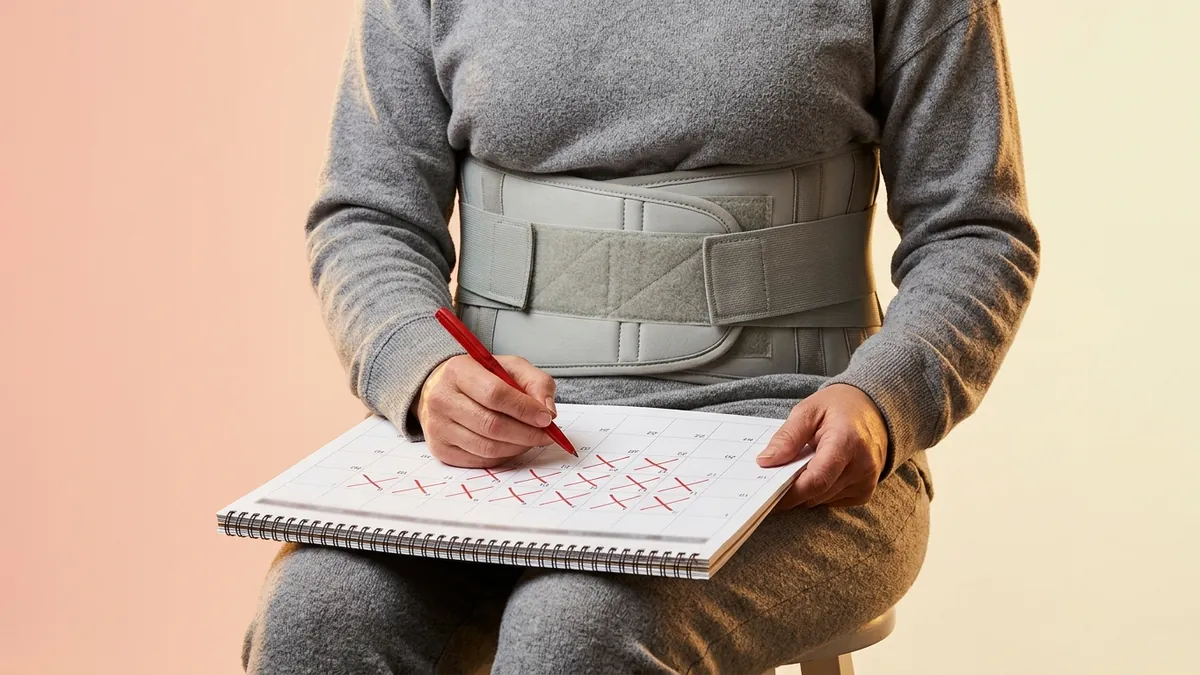
Understanding your expected disk herniation surgery recovery time is one of the smartest steps you can take before heading into the operating room—or right after coming home. When a slipped or ruptured spinal cushion—medically known as a herniated spinal disc (herniated intervertebral disc)—presses hard against a nearby nerve root, the shooting leg or arm pain can bring your entire routine to a standstill. Once you and your surgical specialist decide that freeing that trapped nerve is the right path forward, your biggest question naturally shifts to the calendar: how soon will you walk comfortably, drive your car, sleep through the night, and get back to work?
Here is something reassuring right off the bat: modern minimally invasive spine procedures allow most people to stand up and walk within hours of waking up from anesthesia. Pretty surprising, right? Still, walking out of the hospital the same day does not mean your spine is completely healed on the inside. While sharp nerve pain often fades remarkably fast, the outer ring of your spinal disc and surrounding muscles need structured, week-by-week protection so the disc does not push back out again.
In our Primary Care Physician (PCP) and family GP clinics across the United States, United Kingdom, Canada, and Australia, we doctors guide patients through this exact post-operative healing journey alongside their orthopedic spine surgeons or neurosurgeons. Let us walk through what happens inside your back during healing, realistic week-by-week recovery milestones, how different surgical techniques compare, and the practical daily habits that keep your recovery right on track.
📌 Key Takeaways at a Glance
- Typical healing window: Most patients achieve solid functional recovery within 4 to 6 weeks after a standard minimally invasive keyhole disc surgery (microdiscectomy), while full deep-tissue and nerve remodeling continues for 3 to 6 months.
- Fast leg pain relief, slower numbness recovery: Shooting nerve pain down the leg or arm usually eases within days, whereas pins-and-needles or muscle weakness can take weeks or months as bruised nerve fibers slowly regenerate.
- Return to work depends on your job: Desk and remote workers often return part-time in 1 to 2 weeks, whereas heavy manual trades, nursing, or warehouse roles typically require 6 to 12 weeks.
- The golden "No BLT" rule: Avoiding Bending, Lifting (anything heavier than a half-gallon of milk or a full kettle, roughly 5–8 lbs / 2–4 kg), and Twisting for the first 4 to 6 weeks protects the healing disc opening.
- Walking is your best early medicine: Short, frequent walks on flat ground boost blood flow and prevent stiffness far better than staying in bed all day.
What Is the Normal Disk Herniation Surgery Recovery Time?
Disk herniation surgery recovery time typically spans 4 to 6 weeks for everyday activities and desk work after a standard lumbar microdiscectomy, while complete tissue strength, heavy lifting clearance, and competitive sports recovery take 8 to 12 weeks—and up to 6 months if spinal fusion is included.
Have you ever wondered why two friends can have "slipped disc surgery" in the exact same month, yet one is working from a laptop ten days later while the other needs three months off? Think about it for a second. "Herniated disc surgery" is actually an umbrella phrase covering several distinct procedures, from ultra-tiny camera-guided keyhole surgeries to complex bone-stabilizing operations.
In roughly 85% to 90% of routine lower-back cases, spine specialists perform a keyhole nerve-decompression surgery (lumbar microdiscectomy) or an endoscopic discectomy. Because the surgeon gently parts the back muscles using small tubes rather than cutting deeply through muscle fibers, most patients go home the very same day or after a single overnight hospital stay. Within 1 to 2 weeks, daily self-care like showering, dressing, and making a light lunch feels much easier.
However, if your herniated disc sits in your neck—requiring neck disc removal and bone stabilization (anterior cervical discectomy and fusion, or ACDF)—or if your lower spine is unstable and requires lumbar spinal fusion, the timeline stretches out. Why? Because bone grafts need 3 to 6 months to knit solidly together, much like a broken arm healing in a cast. Your pre-surgery fitness, smoking status, blood sugar control, and how long the nerve was pinched beforehand also shape your personal pace. Makes sense, right?
How Does Spine Healing Actually Work After Herniated Disc Surgery?
Understanding what your surgeon actually did inside your spine makes sticking to your recovery rules ten times easier. Between each bone in your backbone sits a shock-absorbing cushion with a tough, tire-like outer ring (annulus fibrosus) and a soft, gel-like center (nucleus pulposus). When a tear develops in that outer ring, a piece of the inner gel squeezes out into the narrow spinal canal, physically squashing and chemically inflaming the delicate spinal nerve root.
During a standard discectomy, the surgeon does not remove your entire spinal disc. We rarely stop to think about that, do we? Instead, the surgeon trims away only the escaped fragment—typically just 5% to 10% of the disc volume—to take the boot off the pinched nerve. That leaves a small, natural defect in the outer tire wall where the fragment burst through.
Over the first 4 to 6 weeks after surgery, your body patches that opening with fibrous scar tissue. Initially, this patch is soft and fragile. If you bend forward sharply to tie your shoes or twist while lifting a heavy grocery bag during week two, sudden pressure inside the disc can push more gel right out through that unhealed doorway—a setback called recurrent disc herniation, which happens in about 5% to 10% of patients.
Meanwhile, your decompressed nerve goes through its own separate biological timeline:
- Chemical inflammation clears first (Days 1–14): Fresh blood flow returns to the nerve root, often bringing dramatic relief from searing sciatica (radiculopathy).
- Nerve sheath remyelination follows (Weeks 2–12): If the nerve's outer insulation was bruised for months before surgery, mild tingling, numbness in your toes or fingers, or brief "nerve zings" can flicker on and off while the nerve rewires itself at roughly one millimeter per day.
What Can You Expect Week by Week During Your Recovery Timeline?
Patients always tell us doctors they feel much calmer when they know what is normal at each milestone—and when they should slow down. While your surgeon's specific discharge sheet always comes first, here is the evidence-based, stage-by-stage roadmap for an uncomplicated lower-back or neck disc decompression.
Days 1 to 7: Protecting the Incision and Getting Moving
Right after surgery, expect soreness, tightness, and mild swelling around the small incision site, even if your original shooting leg pain feels noticeably better. You will get out of bed using the "log-roll" technique—keeping your shoulders and hips aligned as one single unit without twisting your waist. Walk around the house for 5 to 10 minutes every couple of hours while awake. Avoid sitting upright for more than 20 to 30 minutes at a stretch, since sitting puts up to 40% more pressure on lower spinal discs than standing!
Weeks 2 to 4: Tapering Pain Meds and Expanding Daily Walks
By week two, your surgical clinic or family GP will usually check your wound, remove any non-dissolvable sutures or surgical glue strips if needed, and ensure it is dry and healing cleanly. Most people step down from strong prescription painkillers to plain acetaminophen (paracetamol) as directed. Gradually build your flat-surface outdoor walks up to 20–30 minutes twice daily. If you stopped prescription sedating pain medications and can slam on the brakes without hesitation or leg weakness, many surgeons clear short local driving trips around week 2.
Weeks 4 to 6: Starting Guided Physical Therapy
Remember how we talked about that fibrous patch sealing the outer disc ring? Around week 4 to 6, that scar tissue becomes sturdy enough to begin structured rehabilitation with a licensed physical therapist (physiotherapist). You will work on gentle core stabilization, hip mobility, nerve-gliding movements, and safe posture mechanics. Light office work, errands, and gentle stationary cycling usually feel quite comfortable now.
Weeks 6 to 12 and Beyond: Building Strength for Heavy Work & Sports
Between weeks 6 and 12, progressive resistance training prepares your back muscles to act as a natural corset around your spine. Non-contact sports like swimming, brisk hiking, and golf swings are gradually reintroduced with specialist clearance, while heavy construction lifting, firefighting, or high-impact running generally wait until the full 12-week mark.
How Does Recovery Time Compare Across Different Surgery Types and Milestones?
Because your daily plans revolve around practical milestones—driving to the shops, working at a desk, picking up your toddler, or exercising—let us put these stages side by side. Look at what happens across different procedures and recovery signs in this quick clinical guide:
| Surgery Type or Recovery Milestone | Expected Clinical Timeline & Action Step |
|---|---|
| Microdiscectomy or Endoscopic Discectomy (Keyhole Lower-Back Surgery) | Minimally invasive removal of the herniated disc fragment using magnification or a tiny camera; everyday light function returns in 2 to 4 weeks, with full tissue recovery in 6 to 8 weeks. What you should do: Start short indoor walks on day one, strictly follow no-bending/lifting/twisting rules for 4–6 weeks, and begin physical therapy once cleared at your post-op check. |
| Open Laminectomy with Discectomy | Removes a small window of spinal bone (lamina) alongside the disc fragment when spinal canal narrowing (spinal stenosis) is also present; everyday comfort takes 4 to 6 weeks, with full strength in 8 to 12 weeks. What you should do: Pace your walking progression slightly more gradually during the first fortnight and use a supportive chair with lumbar cushioning for brief sitting periods. |
| Cervical Disc Surgery (ACDF or Artificial Disc Replacement) | Treats herniated neck discs causing arm pain or hand weakness; artificial disc replacement often allows light activity in 2 to 4 weeks, while fusion (ACDF) requires 3 to 6 months for solid bone healing. What you should do: Wear any prescribed cervical collar exactly as instructed, prop pillows comfortably on mild inclines if swallowing feels sore in week one, and avoid overhead lifting. |
| Lumbar Discectomy Combined with Spinal Fusion | Permanently joins two vertebrae together when severe instability or slippage (spondylolisthesis) accompanies the disc rupture; initial recovery takes 6 to 12 weeks, with complete bone fusion taking 6 to 12 months. What you should do: Avoid anti-inflammatory painkillers (NSAIDs like ibuprofen or naproxen) unless explicitly approved by your surgeon, as they can slow down bone graft healing, and strictly stay tobacco-free. |
| Post-Op "Nerve Flare" Around Week 2 or 3 | A temporary return of mild leg tingling or aching after increasing activity, caused by residual swelling around the healing nerve root rather than re-herniation. What you should do: Dial back walking distance slightly for 48 hours, use a wrapped ice pack over the lower back (never on bare skin) for 15 minutes, and call your surgical team or GP if pain steadily worsens. |
| Driving & Returning to Work | Safe driving typically resumes in 1 to 2 weeks once off opioid painkillers with full leg reflex speed; desk jobs resume in 1 to 3 weeks, and heavy manual jobs in 8 to 12 weeks. What you should do: Practice an emergency brake stomp in a parked car in your driveway before driving on public roads, and ask your doctor for a phased return-to-work note with ergonomic breaks. |
What Factors Can Slow Down Your Recovery—and How Can Home Care Speed It Up?
Be honest, when your leg finally stops hurting five days after surgery, you have felt tempted to vacuum the living room or weed the garden, haven't you? We doctors hear that confession every single week! Feeling remarkably better early on is actually the number-one trap that triggers post-op flare-ups or re-herniation.
Beyond doing too much too soon, several biological factors directly influence how fast your disc ring and nerve fibers repair themselves:
- Nicotine and vaping: Nicotine constricts the tiny microscopic blood vessels feeding your spinal discs, starving healing tissue of oxygen and more than doubling the risk of recurrent disc problems or failed fusion.
- Constipation from pain medications: Opioid pain relievers and reduced movement slow down your gut. Straining hard on the toilet spikes pressure right inside your spinal canal! Keeping hydrated with plenty of water, herbal tea, high-fiber oatmeal (porridge), berries, prunes, leafy greens, and whole-grain toast—plus using a gentle over-the-counter stool softener or osmotic laxative if recommended by your pharmacist or PCP/GP—protects your back effortlessly.
- Uncontrolled blood sugar: Elevated glucose slows incision healing and raises infection risk, making steady diabetes management essential.
- Prolonged sitting: Slouching on a soft sofa tilts your pelvis backward and squeezes the healing disc space. Sit in a firm, upright dining or ergonomic office chair with your feet flat on the floor, and stand up to stroll every 25 to 30 minutes.
Fueling your body with lean protein—such as grilled chicken, salmon, eggs, Greek yogurt, lentils, or tofu—alongside vitamin C-rich bell peppers, citrus fruits, and broccoli gives your spine the exact amino acids and collagen building blocks required for sturdy tissue repair.
✔️ What You Should Do & ❌ What to Avoid
- ✔️ DO master the log-roll technique: When getting into or out of bed, bend your knees, roll onto your side keeping hips and shoulders aligned together, and push yourself upright with your arms as your legs swing over the edge.
- ✔️ DO walk short distances frequently: Four 10-minute walks spaced across the day heal your back much more safely than one exhausting 45-minute march.
- ✔️ DO prep your home at waist height: Before surgery (or with a family member's help right now), place everyday plates, mugs, toiletries, phone chargers, and easy meals on kitchen counters so you never have to reach into low cabinets.
- ✔️ DO keep your surgical dressing clean and dry: Follow your hospital discharge instructions on showering—usually keeping waterproof dressings intact and patting dry gently with a clean towel, never soaking in bathtubs, hot tubs, or swimming pools until the skin is 100% sealed (typically 2–3 weeks).
- ❌ DON'T Bend, Lift, or Twist ("No BLT"): Use a long-handled grabber tool to pick up dropped socks or keys, slip-on supportive sneakers instead of lace-up boots, and turn your whole feet rather than twisting your waist.
- ❌ DON'T lift anything heavier than 5–8 lbs (2–4 kg): That includes wet laundry baskets, heavy cast-iron pans, bags of dog food, and excited pets or young children during the first 4 to 6 weeks.
- ❌ DON'T sit through long commutes early on: Wait to take long highway drives or flights until cleared; if riding home from the hospital, recline the passenger seat slightly and stop every 30–45 minutes to stand and stretch gently.
🚨 When to Seek Immediate Emergency Care (Red-Flag Symptoms)
If you or someone near you develops any of these red-flag symptoms after spine surgery, do not wait for a routine clinic appointment — call 911 (US & Canada), 999 or 111 (UK), or 000 (Australia) immediately or go straight to the nearest hospital Emergency Room (ER / A&E):
- Loss of bladder or bowel control, or inability to urinate: Sudden trouble starting urine flow, feeling a full bladder you cannot empty, or unexpected incontinence—classic signs of severe lower spinal nerve bundle compression (cauda equina syndrome) requiring urgent surgical evaluation.
- "Saddle" numbness: New numbness or loss of sensation around your groin, buttocks, inner thighs, or genital area (the exact parts that would touch a horse saddle).
- Sudden or worsening muscle weakness: A foot that suddenly slaps the floor or catches on rugs ("foot drop"), legs giving way beneath you, or sudden inability to grip objects after neck surgery.
- Signs of deep spinal or wound infection: High fever above 100.4°F (38°C), chills, rapidly spreading redness, heat, foul-smelling pus, or clear watery fluid leaking persistently from your incision (which can indicate a spinal fluid leak, especially if accompanied by a severe headache that worsens when sitting upright and improves when lying flat).
- Blood clot warning signs: Painful, hot, one-sided calf swelling (deep vein thrombosis) or sudden shortness of breath and sharp chest pain (pulmonary embolism).
💡 Key Take-Home Message
- A typical disk herniation surgery recovery time takes 4 to 6 weeks to return to normal daily movement and light work, with deeper muscle and nerve strengthening continuing across 3 months.
- Relief from sharp sciatica or arm pain often happens rapidly, while lingering numbness or brief healing tingles fade much more gradually—patience is part of normal nerve biology!
- Protecting the healing disc patch with strict "No Bending, Lifting, Twisting," short frequent walks, upright posture, and smart fiber-rich hydration gives you the highest chance of a lifelong, trouble-free result.
- Stay closely connected with your surgical team, physical therapist, and Primary Care Physician (PCP) / family GP clinic—and never hesitate to visit Urgent Care or the hospital ER / A&E if any red-flag nerve or wound symptoms appear.





No comments yet. Be the first to share your question or experience below.