
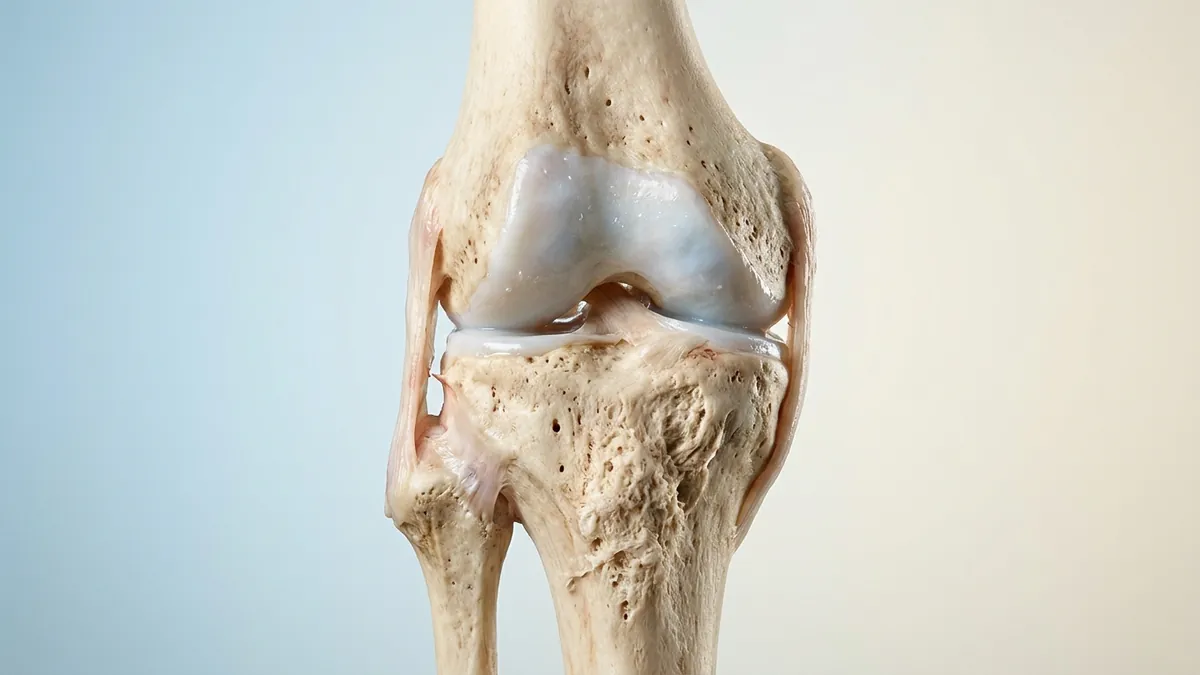
Understanding recovery time from knee replacement surgery: clinical meaning, causes, normal ranges, and next steps is usually the very first priority when severe wear-and-tear joint arthritis (osteoarthritis) starts stealing your daily freedom. When knee replacement surgery (total knee arthroplasty) is recommended, most people worry less about the operation itself and much more about when they will walk unassisted, climb stairs, drive, and sleep comfortably again.
Have you ever wondered why one neighbor seems to breeze down the street four weeks after surgery while another still uses a cane at week eight? Healing after a joint replacement is not a race—it is a steady, predictable biological remodeling process shaped by your muscle strength, overall health, and daily rehabilitation habits.
We doctors at your Primary Care Physician (PCP) or family GP clinic work closely alongside your orthopedic surgeon and physical therapist (or physiotherapist) from preoperative preparation right through to final strengthening. Knowing what happens inside your knee week by week takes the guesswork—and the anxiety—out of getting back on your feet.
📌 Key Takeaways at a Glance
- First steps happen fast: Most patients stand and take assisted steps with a walker or crutches within 24 hours of surgery, going home the same day or within 1 to 3 nights.
- Everyday independence (6–12 weeks): Most people drive at 4 to 6 weeks, walk indoors without aids by weeks 4 to 6, and return to comfortable daily errands between 6 and 12 weeks.
- Full biological healing (6–12 months): Internal swelling, mild warmth, and bone-to-implant bonding continue maturing quietly for up to a full year.
- Procedure type matters: Partial knee replacement often heals in 3 to 6 weeks, whereas ligament reconstruction like ACL surgery actually takes longer (9 to 12 months) for sports clearance.
- Preparation speeds recovery: Pre-surgery thigh strengthening, blood sugar control, and consistent daily movement are the biggest drivers of smooth healing.
What Is the Normal Recovery Time From Knee Replacement Surgery?
Recovery time from knee replacement surgery typically takes 6 to 12 weeks to resume everyday activities like walking unassisted, driving, and light housework, while full strength and deep tissue remodeling take 6 to 12 months. Most patients walk with a walker or crutches within 24 hours of their operation.
When we doctors discuss replacement knee surgery recovery time, we separate healing into two distinct phases: functional recovery and biological recovery. Functional recovery means getting back to normal life—making breakfast, walking around the grocery store, climbing stairs one foot per step, and returning to desk or light work within 6 to 12 weeks. Biological recovery refers to deep internal tissue softening, nerve settling, and bone locking tightly onto your new implant over 6 to 12 months. Pretty surprising that your knee keeps quietly improving for a full year, right?
Across hospitals and surgical centers in the United States, United Kingdom, Canada, and Australia, hospital stays have shortened dramatically thanks to modern nerve blocks and muscle-sparing techniques. Healthy adults with support at home frequently qualify for outpatient (same-day) discharge or a brief 1-to-3-night stay once pain is controlled and stair safety is confirmed.
How Does Knee Replacement Surgery Heal, and How Does It Compare to Partial Knee or ACL Surgery?
Look at what happens inside the joint during a standard total knee replacement: your orthopedic surgeon gently removes the worn, rough cartilage and a thin layer of damaged bone from the end of your thighbone (femur) and top of your shinbone (tibia), replacing them with smooth metal alloy caps separated by a durable medical-grade plastic (polyethylene) spacer. Right after surgery, protective joint swelling briefly triggers reflex muscle quietness—what specialists call arthrogenic muscle inhibition—making your front thigh muscle (quadriceps) feel sluggish or heavy for the first couple of weeks.
If arthritis affects only one side of your knee, your surgeon may perform a partial knee replacement (unicompartmental knee arthroplasty). Because two-thirds of your natural knee and all major stabilizing ligaments remain untouched, everyday recovery time knee replacement surgery patients experience drops to roughly 3 to 6 weeks, with less blood loss and an easier knee bend.
People also frequently compare joint replacement to the recovery time for ACL knee surgery—torn knee ligament surgery (anterior cruciate ligament reconstruction). Even though ACL surgery uses tiny keyhole incisions, a reconstructed ligament graft must grow a brand-new blood supply and remodel over 9 to 12 months before high-pivoting sports are safe. By contrast, a knee replacement provides immediate mechanical stability on day one! We rarely stop to think about why keyhole ligament surgery takes longer than replacing bone surfaces, do we?
What Are the Week-by-Week Stages and Clinical Ranges of Recovery?
Rather than guessing whether your healing is on track, we doctors and physical therapists measure two specific joint angles: straightening (extension, aiming for 0 degrees completely flat) and bending (flexion). Here is how normal clinical milestones unfold:
- Days 1 to 14 (Early Mobility & Wound Healing): You stand within hours of surgery using a frame, walker, or crutches. Clinical goals include getting your knee completely flat (0 degrees extension) and reaching a 90-degree bend so you can sit comfortably in a dining chair. You will take prescribed blood-thinning medication (anticoagulant prophylaxis) for 14 to 35 days to prevent clots while skin staples or dissolvable stitches heal.
- Weeks 3 to 6 (Regaining Independence): Bruising fades and swelling begins shifting downward toward the ankle. Most patients step down from a walker or two crutches to a single cane, bending the knee to 105–115 degrees. Driving usually resumes around weeks 4 to 6 once you are off strong opioid tablets and can press the brake pedal swiftly in an emergency.
- Weeks 6 to 12 (Active Daily Living): Knee flexion reaches 115–125 degrees—enough for smooth stair climbing, stationary cycling, swimming (once the scar is completely sealed), and walking 20 to 30 minutes comfortably.
- Months 3 to 12 (Deep Strength & Maturation): Subtle warmth around the kneecap fades, scar tissue softens, and leg endurance reaches 90% to 100% of its final potential.
Now that makes sense, right? Focusing just as hard on straightening your knee flat as bending it ensures you walk with an even, limp-free stride.
What Causes Slower or Faster Knee Replacement Recovery, and How Should You Prepare?
Remember earlier when we asked why two neighbors heal at different speeds after the exact same surgery? Roughly half of your early recovery momentum is built before you ever arrive at the hospital. Severe longstanding joint stiffness before surgery, untreated chronic conditions, or skipping daily home movements are the most common causes of a slower timeline.
Before clearing you for elective knee replacement surgery and recovery time planning, we doctors at your Primary Care Physician (PCP) or family GP clinic check key clinical benchmarks to protect your healing:
- Blood sugar control: A three-month average blood sugar test (hemoglobin A1c, or HbA1c) should ideally sit below 7.5% to 8.0%, because elevated glucose slows skin closure and raises infection risk.
- Nicotine cessation: Stopping smoking or vaping at least 4 to 6 weeks before surgery restores small-vessel oxygen delivery to your healing incision.
- Blood count & dental health: Treating low iron (anemia) prevents post-op exhaustion, and fixing hidden tooth or gum infections beforehand stops mouth bacteria from traveling through the bloodstream to your new implant.
Just as important is 4 to 6 weeks of "prehabilitation"—doing gentle seated leg lifts, quad squeezes, and low-resistance cycling prior to surgery. Paired with modern multimodal pain care afterward (scheduled acetaminophen or paracetamol, doctor-approved anti-inflammatories when safe for your stomach and kidneys, local nerve blocks, and regular icing), strong muscles bounce back weeks faster.
How Can You Tell Normal Post-Op Symptoms From Warning Signs?
Think about it for a second: when you are resting at home two weeks after your operation, how can you tell harmless healing sensations apart from complications that need medical attention? Use this practical clinical guide alongside your discharge instructions.
| Recovery Stage or Post-Op Finding | Clinical Meaning & Action Step |
|---|---|
| Mild warmth and moderate knee swelling (Weeks 1–16) | Increased blood flow and tissue remodeling around the new joint components are normal for up to 3 to 6 months, especially after exercise. What you should do: Prop your foot and calf above heart level on pillows while keeping the knee straight, and apply a towel-wrapped ice pack for 15–20 minutes after walking. |
| Soft clicking or light tapping inside the knee | Painless mechanical contact between the smooth metal alloy cap and medical-grade plastic spacer is very common as swelling goes down. What you should do: Continue quadriceps strengthening to snug up joint support; mention it at your routine clinic review only if clicking causes pain or giving way. |
| Numb skin patch on the outer side of the kneecap | Tiny surface skin nerves cross the front of the knee and are naturally stretched or divided when the surgical incision is made. What you should do: Do not worry—this numbness does not affect muscle strength, shrinks gradually over 6–12 months, and simply calls for a soft kneeling pad later on. |
| Morning stiffness or heaviness after sitting | Joint fluid settles quickly when a healing knee stays still for more than an hour. What you should do: Pump your ankles 10 times, gently bend and straighten the knee before standing, and take brief 5-minute indoor walks every 1–2 waking hours. |
| Spreading wound redness, cloudy ooze, or fever ≥100.4°F (38°C) | These signs point toward a superficial wound infection or a deeper prosthetic joint infection requiring urgent assessment. What you should do: Call your orthopedic surgical team immediately or visit a local Urgent Care center or hospital Emergency Room (ER / A&E) the same day—never take leftover antibiotics first. |
| Throbbing one-sided calf pain, tight leg swelling, or breathlessness | Surgery temporarily thickens clotting pathways, raising the risk of a leg blood clot (deep vein thrombosis, or DVT) or lung blood clot (pulmonary embolism, or PE). What you should do: Seek immediate emergency care via 911 (US & Canada), 999 (UK), or 000 (Australia) or go straight to your nearest ER / A&E for an urgent vascular scan. |
At home, fuel tissue repair by including quality protein at every meal—such as grilled salmon, roast chicken, eggs, Greek yogurt, cottage cheese, beans, or tofu—alongside vitamin C-rich berries, oranges, broccoli, and spinach to support collagen repair. Drink plenty of water, enjoy high-fiber oatmeal (porridge) and prunes to prevent painkiller constipation, and clear loose hallway rugs and electrical cords before surgery day.
✔️ What You Should Do & ❌ What to Avoid
- ✔️ Do practice short, frequent rehab sessions: Perform your prescribed heel slides, quad sets, and knee extensions 2 to 3 times daily rather than exhausting your joint in one giant workout.
- ✔️ Do stay ahead of stiffness with timed pain relief: Take your prescribed baseline pain medication 30 to 45 minutes before physical therapy so you can bend comfortably.
- ✔️ Do wear supportive, closed-heel non-slip shoes: Slip-on flip-flops or loose slippers catch easily on flooring when walking with crutches or a walker.
- ❌ Avoid tucking a pillow directly behind your bent knee: Resting for hours with a pillow under the back of the knee encourages scar tissue to tighten in a bent position—always place pillows under your calf and heel instead.
- ❌ Avoid soaking your healing wound underwater: Skip baths, hot tubs, public pools, and ocean swims until scabs have completely fallen off and your doctor confirms the skin seal is watertight (usually week 4 to 6).
- ❌ Avoid high-impact running or heavy jumping sports: Choose joint-friendly lifelong activities like brisk walking, golf, doubles tennis, cycling, or swimming to protect your implant spacer.
🚨 When to Seek Immediate Emergency Care (Red-Flag Symptoms)
If you or someone near you develops any of these red-flag symptoms, do not wait — call 911 (US & Canada), 999 or 111 (UK), or 000 (Australia) immediately or go straight to the nearest hospital Emergency Room (ER / A&E):
- Sudden shortness of breath, sharp chest pain, racing heartbeat, or coughing up blood (urgent warning signs of a pulmonary embolism).
- Worsening pain, firm tenderness, heat, or marked swelling in one calf or thigh that does not ease when you elevate your leg.
- Fever of 100.4°F (38.0°C) or higher, shaking chills, foul-smelling or yellow-green wound drainage, or incision edges pulling open.
- A sudden loud pop after a twist or slip followed by severe pain, visible deformity, or complete inability to put weight on your leg.
- Bright red bleeding soaking rapidly through your surgical bandage, or a pale, icy-cold, numb foot below the operated knee.
💡 Key Take-Home Message
- Expect 6 to 12 weeks to reclaim smooth everyday walking, driving, and household routines, with steady strength gains continuing up to 12 months.
- Consistent daily gentle stretching—especially keeping the knee fully straight when resting and bending progressively—matters far more than pushing into sharp pain.
- Keep close touch with your Primary Care Physician (PCP) / family GP clinic, orthopedic team, and physical therapist so minor swelling or stiffness adjustments happen early.




No comments yet. Be the first to share your question or experience below.