
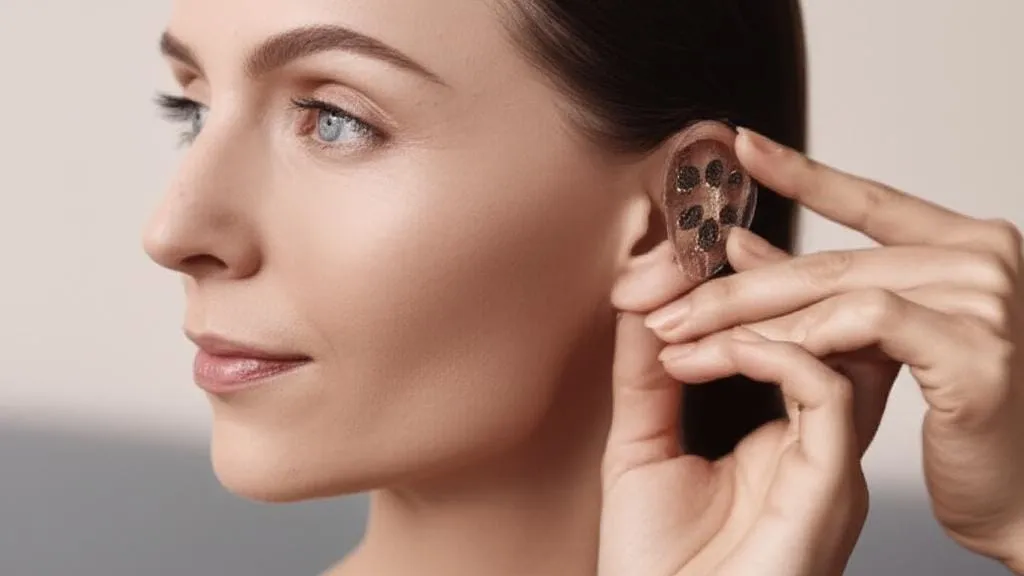
Be honest, you have probably seen tiny gold or silver stickers popping up all over social media lately, haven't you? A common myth floating around online is that these little beads—known as ear seeds—either pierce into your skin like miniature acupuncture needles or act as an instant "magic cure" for chronic disease. Neither of those is true! In reality, ear seeds sit completely on top of your skin, and while they can offer gentle symptom relief, they cannot replace proper medical treatment.
When patients bring up trendy wellness tools during a visit to your Primary Care Physician (PCP) or family GP clinic, we doctors love breaking down what actually works versus what is pure hype. So let's walk through what ear seeds really are, how they interact with your nervous system, what the medical evidence says, and how you can use them safely at home.
📌 Key Takeaways at a Glance
- Needle-Free Acupressure: Ear seeds are tiny plant seeds or metal pellets taped onto the outer ear (auricle) to stimulate pressure points without breaking the skin.
- Supportive Relief, Not a Cure: They may help ease mild chronic pain, everyday stress, and sleep troubles alongside standard care from your doctor.
- Short Wear Window: You should gently massage them two to three times daily and remove them after 3 to 5 days so your skin can breathe.
- Watch for Skin Reactions: Mild tenderness or an allergic skin reaction (contact dermatitis) from adhesive tape or nickel is the most common side effect.
What Are Ear Seeds?
Ear seeds are tiny, non-invasive acupressure beads placed on specific points of your outer ear using small adhesive patches to stimulate nerve endings and ease pain, stress, or poor sleep. Unlike acupuncture needles, they sit gently on the skin surface without piercing it, offering simple at-home symptom support.
This practice comes from traditional Chinese medicine and forms part of ear acupressure (auriculotherapy), a therapy based on the idea that specific spots on your outer ear (auricle) correspond to different organs and systems throughout your body. Traditionally, practitioners used the mature, dried seeds of the Vaccaria plant because their tiny, round shape applies steady, comfortable pressure. Today, you will also see sleek beads made from stainless steel, 24-karat gold plating, titanium, or ceramic.
Each bead comes attached to a small piece of waterproof adhesive tape, usually clear or skin-toned, so it stays put while you go about your day. Many acupuncturists apply them at the end of an appointment to extend the calming effects between sessions, though pre-packaged home kits have become widely available too. Pretty surprising how something smaller than a sesame seed gets so much attention, right?
How Do Ear Seeds Actually Work in Your Body?
Have you ever wondered why pressing on a tiny spot on your ear could calm a racing mind or ease a stiff lower back? Just think about it for a second: your outer ear is packed with an intricate network of sensory nerves, including branches of the vagus nerve (auricular branch of the vagus nerve) and the trigeminal nerve, which connect directly to your brain's pain and stress centers.
Look at what happens here when you apply gentle, rhythmic pressure to an ear seed. That light mechanical touch stimulates those surface nerve endings and sends calming signals up to your central nervous system. Researchers believe this encourages your brain to release natural pain-relieving brain chemicals (endorphins) and helps shift your autonomic nervous system out of "fight-or-flight" stress mode and into "rest-and-digest" recovery mode.
To be completely candid with you, medical science has not mapped out every single mechanism behind ear acupressure. While small clinical trials show measurable changes in pain tolerance and heart-rate variability, larger studies are still underway. We doctors view ear seeds as a low-risk way to stimulate soothing nerve pathways—much like a targeted, gentle massage for your nervous system.
What Are the Supposed Health Benefits of Ear Seeds?
Before you try them, remember that ear seeds are a complementary tool—meaning they work alongside your doctor's treatment plan, never instead of it. When used thoughtfully, clinical studies and patient reports suggest they may help take the edge off several everyday health concerns:
- Chronic Musculoskeletal Pain: Small clinical trials suggest ear acupressure may modestly reduce chronic lower back pain, neck stiffness, and osteoarthritis discomfort when paired with physical therapy or prescribed care.
- Everyday Stress and Mild Anxiety: Stimulating calming points on the ear can help lower tension during busy workdays, travel, or medical procedures.
- Sleep Troubles: People struggling with difficulty falling or staying asleep (primary insomnia) sometimes use ear seeds alongside a relaxing evening routine—like dimming screens and sipping warm caffeine-free chamomile tea—to unwind faster.
- Tension Headaches and Migraines: Gentle ear pressure may help dull mild headache intensity for certain individuals.
- Cravings and Habit Support: Some behavioral programs include ear seeds to help manage nicotine or substance cravings alongside counseling and medical support.
Makes sense, right? They won't cure an underlying medical condition, but they can be a handy comfort measure.
How Do You Apply and Care for Ear Seeds Safely at Home?
Whether a licensed acupuncturist places them for you or you use an at-home kit, proper skin prep makes all the difference. Nothing is ever inserted or implanted into your skin—the beads simply rest on the surface. Follow these straightforward steps for safe application:
- Wash and Clean Thoroughly: Wash your hands with soap and water, then wipe your outer ear clean using a cotton pad soaked in 70% isopropyl rubbing alcohol. Let your ear air-dry completely so the adhesive sticks properly.
- Place the Seed with Tweezers: Using clean tweezers, peel a seed off its backing sheet and press it gently onto the target point shown on your ear map, smoothing down the adhesive edges.
- Massage Gently During the Day: Two to three times a day, use a clean fingertip to press the bead with light, steady pressure in small circles for about 20 to 30 seconds. You should feel mild warmth or slight tenderness, never sharp pain.
- Remove After 3 to 5 Days: Gently peel the patches off after 3 to 5 days—even if the sticker still feels secure—and give your skin at least 24 hours to rest before applying new ones.
Which Ear Seed Points Match Common Symptoms?
If you look at an ear acupressure chart, you will notice dozens of named points mapped across the folds of your outer ear. Below is a practical guide to the most commonly targeted areas, what they are used for, and the safest action steps to take.
| Symptom or Wellness Goal | Auricular Point & What You Should Do |
|---|---|
| Everyday Stress and Mild Anxiety | Shen Men ("Spirit Gate"): Located in the upper triangular fossa of the ear, this point is widely used to calm an overactive nervous system and ease nervous tension. What you should do: Apply light circular pressure for 30 seconds while taking slow, deep breaths, and check in with your Primary Care Physician (PCP) or family GP clinic if anxiety disrupts your daily life. |
| Chronic Lower Back or Neck Pain | Spine & Lumbar Points: Located along the curved inner ridge (antihelix) of the ear, these points correspond to muscular tension along your neck and lower spine. What you should do: Combine gentle ear seed massage with regular movement, posture breaks, and any physical therapy or medications prescribed by your doctor. |
| Difficulty Falling Asleep (Insomnia) | Point Zero & Sympathetic Point: Positioned near the central cartilage ridge and upper ear fold, these spots aim to promote evening relaxation and autonomic balance. What you should do: Press the beads gently an hour before bed alongside good sleep hygiene, such as keeping your bedroom cool, dark, and screen-free. |
| Tension Headaches or Jaw Clenching | Temple & Subcortex Points: Found along the lower inner wall of the ear cartilage, these areas are often targeted for stress-related head and jaw tightness. What you should do: Stay well hydrated with water, rest your eyes from screens, and consult your doctor if headaches become frequent, severe, or sudden. |
| Nicotine or Sugar Cravings | Lung & Mouth Points: Situated inside the central bowl (concha) of the ear, these points are commonly used in habit-change protocols to curb sudden urges. What you should do: Press the seed when a craving hits to ride out the urge, and ask your doctor about proven smoking-cessation or nutrition programs for lasting success. |
Are There Any Side Effects or Risks with Ear Seeds?
Remember how we talked about that misconception at the very beginning—that "natural" automatically means completely risk-free? While serious complications from ear seeds are rare, your ear has delicate skin and cartilage with limited blood supply, so a few realistic risks are worth knowing about.
The most frequent issue we doctors see is mild local skin irritation or an allergic skin reaction (contact dermatitis). If you are sensitive to latex adhesives or nickel in stainless-steel beads, the skin under the patch can turn red, itchy, or flaky. Pressing too hard or leaving seeds on for longer than five days can also cause skin breakdown, tiny sores, or mild dizziness in people who are sensitive to vagus nerve stimulation.
Less commonly, bacteria can enter broken skin and cause a localized outer ear infection or a painful ear cartilage infection (auricular perichondritis). There is also a small mechanical risk: if a seed loses its stickiness near the ear opening, it could slip inside your ear canal and get stuck. See? That's exactly why we always advise checking your ears daily and keeping seeds on the outer folds rather than right at the ear canal opening.
Who Should Avoid Ear Seeds or Talk to a Doctor First?
Even though you can buy ear seed kits over the counter at pharmacies or online, they are not right for everyone. We doctors strongly recommend speaking with your Primary Care Physician (PCP) or family GP clinic before trying them if any of the following apply to you:
- Pregnancy: Certain ear acupressure points have traditionally been linked to stimulating uterine contractions, so pregnant individuals should avoid ear seeds unless cleared by their obstetric provider.
- Broken or Inflamed Ear Skin: Never place adhesive patches over cuts, sunburns, eczema flares, psoriasis plaques, or active pimples on your ear.
- Severe Metal or Adhesive Allergies: If surgical tape, bandages, or costume jewelry make your skin break out, stick strictly to certified latex-free, hypoallergenic ceramic or Vaccaria seed kits—or skip them altogether.
- Pacemakers or Implanted Devices: Avoid magnetic ear pellets, as strong magnets held near the head or neck can potentially interfere with certain medical implants.
- Complex Chronic Illness or Mental Health Conditions: Never pause blood pressure pills, pain medications, or antidepressants in favor of ear seeds without medical supervision.
✔️ What You Should Do & ❌ What to Avoid
- ✔️ Do clean your ear with rubbing alcohol first: Removing natural skin oils prevents bacteria from getting trapped under the adhesive patch.
- ✔️ Do choose latex-free, hypoallergenic backing: Look for medical-grade adhesive and ceramic or natural plant seeds if you have sensitive skin.
- ✔️ Do keep ear seed kits away from children and pets: The tiny beads look like candy and pose a choking or ear-canal insertion hazard for young kids.
- ❌ Don't leave ear seeds on for more than 5 days: Prolonged moisture and pressure trap sweat and increase the risk of skin sores or infection.
- ❌ Don't rub or grind the beads aggressively: Hard friction can tear delicate ear skin; light, steady fingertip pressure is all you need.
- ❌ Don't stop prescribed treatments: Always treat ear seeds as an add-on comfort tool alongside your doctor's care plan.
🚨 When to Seek Immediate Emergency Care (Red-Flag Symptoms)
If you or someone near you develops any of these red-flag symptoms, do not wait — call 911 (or 999 in the UK / 000 in Australia) immediately or go straight to the nearest hospital Emergency Room (ER / A&E):
- Spreading Redness, Heat, and Severe Ear Swelling: Especially if the upper ear cartilage becomes hot, throbbing, or misshapen, which can signal a serious ear cartilage infection (auricular perichondritis).
- Pus Drainage, Fever, or Chills: Fluid or pus oozing from the ear paired with a high temperature or feeling unwell.
- Sudden Hearing Loss or Severe Spinning Dizziness (Vertigo): Any abrupt change in hearing, balance, or severe ringing in the ear.
- An Ear Seed Lodged Deep Inside the Ear Canal: Do not dig around with tweezers or cotton swabs, which can push the bead against your eardrum—visit a local Urgent Care center or Emergency Room (ER / A&E) for safe removal.
- Chest Pain, Shortness of Breath, or Severe Mental Health Crisis: Never rely on ear seeds for chest tightness, severe panic, or thoughts of self-harm—seek urgent medical help right away.
💡 Key Take-Home Message
- Safe, Simple Acupressure: Ear seeds are non-invasive beads taped to the outer ear to stimulate nerve pathways and encourage relaxation.
- Modest, Supportive Benefits: They may help ease mild chronic pain, everyday stress, and sleep troubles when paired with healthy daily habits and medical care.
- Hygiene and Timing Matter: Always clean your ear with alcohol before applying, massage gently, and remove the seeds within 3 to 5 days.
- Listen to Your Body: Peel them off right away if you notice itching, redness, or soreness, and check with your doctor before starting any new therapy.





No comments yet. Be the first to share your question or experience below.