
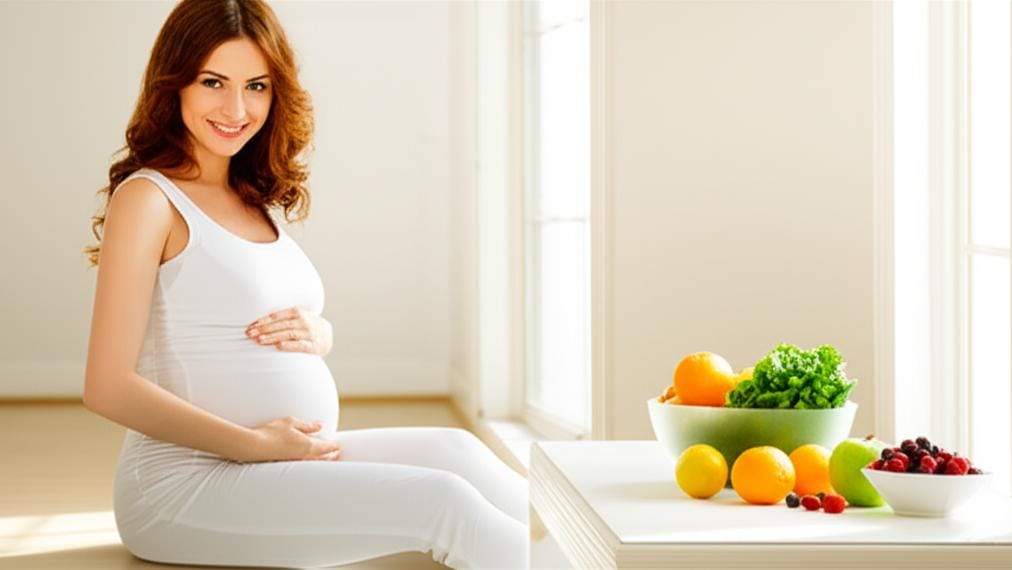
Finding out that you are expecting a wonderful new baby brings so much joy to your heart. At the exact same time, a flood of important questions rushes right into your mind. You may wonder what you should eat every day or what foods you should avoid completely. This is completely normal and expected for any mom-to-be.
The food you eat right now acts as the building blocks for your growing baby. Your daily meals directly support your baby's healthy growth, brain development, and overall well-being. This special time in your life deserves careful attention and love. Let us explore together how you can set up your daily meals for a healthy and happy pregnancy journey.
Key Takeaways for Your Pregnancy Journey
- You need about 300 extra calories each day to support your growing baby properly.
- Focus on a balanced diet rich in lean protein, calcium, iron, and folate.
- Strictly avoid alcohol, unpasteurized dairy, raw fish, and high-mercury seafood.
- Manage common pregnancy discomforts like morning sickness with small, frequent meals.
- Always take your daily prenatal vitamins exactly as your doctor prescribes.
Baby's due date (EDD)
Calculate the due date based on the last menstrual period
Why Is a Balanced Diet Important During Pregnancy?
Put simply, you are now eating for both yourself and your precious baby. Your baby needs essential nutrients every single day to form healthy bones, strong muscles, and a growing brain. Eating nutritious meals gives your body the strength it needs to handle the physical changes of pregnancy.
Most expecting mothers need about 300 extra calories every single day during the second and third trimesters. If you are carrying twins, your daily calorie needs increase even more, usually by about 600 calories. However, you should get these extra calories from healthy, wholesome foods rather than empty junk food.
During your first few months, morning sickness can make eating a real challenge. Do your absolute best to eat balanced meals whenever you feel able. Taking your prescribed prenatal vitamins every single day fills in any nutritional gaps and protects your baby's health.
Essential Nutrients and Foods to Add to Your Diet
Eating a wide variety of colorful foods ensures you and your baby get all the vital nutrients you need. Let us look at the essential nutrients required during pregnancy and where you can find them in your daily meals.
| Nutrient Group | Why It Is Important | Best Food Sources |
|---|---|---|
| Protein | Builds your baby's cells, tissues, and organs. It also helps your body produce extra blood volume. | Lean meat, chicken, fish, eggs, milk, yogurt, lentils, chickpeas, mung beans, and soy products. |
| Calcium | Strongly builds your baby's bones and teeth. It also protects your own bone density and strength. | Milk, cheese, yogurt, small edible fish with bones, dark green leafy vegetables, and almonds. |
| Iron | Makes hemoglobin to carry oxygen through your blood. Prevents anemia and reduces physical fatigue. | Red meat, poultry, fish, spinach, soy, lentils, and iron-fortified breakfast cereals. |
| Folate / Folic Acid | Crucial for preventing serious brain and spinal cord birth defects known as neural tube defects. | Dark green leafy vegetables, beans, lentils, oranges, and fortified breads or cereals. |
| Fiber | Keeps your digestive system moving smoothly and helps prevent common pregnancy constipation. | Whole grains, brown rice, oats, fresh fruits, vegetables, and wholesome nuts or seeds. |
| Vitamin C | Helps your body absorb iron from plant foods efficiently and boosts your immune system. | Oranges, sweet limes, strawberries, papaya, broccoli, bell peppers, and fresh tomatoes. |
Foods and Substances to Strictly Avoid During Pregnancy
Certain foods and drinks can pose serious health risks to you and your developing baby. Steering clear of these items protects your pregnancy and ensures optimal safety.
| Food or Substance to Avoid | Why It Is Dangerous |
|---|---|
| Alcohol | Can severely disrupt baby's development, cause lifelong birth defects, and lead to low birth weight. Stop drinking completely. |
| High-Mercury Fish | Large predatory fish like shark, swordfish, and king mackerel contain high mercury levels that harm your baby's nervous system. |
| Raw or Undercooked Meats, Seafood, and Eggs | Carries high risks of foodborne bacterial infections like Salmonella and Listeria. Avoid sushi, raw oysters, and runny eggs. |
| Unpasteurized Dairy Products | Soft cheeses like Feta and Brie made from unpasteurized milk can harbor dangerous Listeria bacteria. Always check labels for pasteurization. |
| Excessive Caffeine | Limit your daily intake to 200 to 300 milligrams, which equals about 1 to 2 cups of coffee. Remember that tea and chocolate also contain caffeine. |
What to Do When Your Body Feels Uncomfortable
Pregnancy brings wonderful changes, but it can also cause physical discomforts from time to time. Simple lifestyle adjustments can help you feel much more comfortable throughout your day.
Morning Sickness (Nausea and Vomiting)
Keep dry snacks like plain crackers or a piece of toast right by your bed. Eat a small piece before you even get out of bed in the morning. Instead of eating three large meals, enjoy five or six small meals throughout the day. Greasy, spicy, and deep-fried foods often make nausea much worse.
Constipation
Constipation is a very common complaint during pregnancy. Drink plenty of water every single day, aiming for about 8 to 10 glasses. Eat fiber-rich foods like fresh fruits, vegetables, and whole grains. Gentle physical activity like walking also stimulates your digestion. Always talk to your doctor before taking any supplements for this.
Heartburn and Acid Reflux
Avoid eating large, heavy meals right before bedtime. Eating smaller meals more often prevents pressure on your stomach. Drinking a small glass of milk before eating can sometimes provide soothing relief. Limit spicy foods, heavy grease, and citrus juices like lemon or orange.
Pregnancy Cravings and Unusual Desires
Having strong cravings for specific foods during pregnancy is completely normal. As long as your cravings involve nutritious, safe foods, enjoy them in moderation.
Important Health Warning on Pica: Sometimes expecting mothers develop strong cravings to eat non-food items like soil, chalk, clay, ashes, or ice chunks. Doctors call this condition Pica. It often happens when your body lacks essential iron or other nutrients. Never eat these non-food items, as they are extremely dangerous for you and your baby. If you notice these unusual cravings, tell your doctor right away.
Never try to lose weight or go on a strict diet while you are pregnant. Your body needs proper nourishment to support your growing baby. Focus entirely on eating healthy, wholesome foods rather than worrying about your scale.
Emergency Red Flags: When to Seek Immediate Help
While minor discomforts are normal, certain symptoms require urgent medical evaluation. Call emergency services (911 in the US/Canada, 999 in the UK) or go to your nearest Emergency Department right away if you experience:
- Severe vaginal bleeding or sudden fluid leakage.
- Severe abdominal pain or persistent cramping.
- Sudden severe swelling in your face, hands, or fingers.
- High fever accompanied by chills or severe vomiting.
- Sudden changes in your baby's movements during the later trimesters.
💡 Take-Home Message
- Every single thing you eat directly supports your baby's healthy growth, so always choose a balanced and nutritious diet.
- Completely avoid harmful items like alcohol, raw fish, unpasteurized dairy, and undercooked meats.
- Never skip your daily prenatal vitamins prescribed by your doctor.
- Discuss any bothersome physical discomforts like severe morning sickness or constipation with your doctor.
- Report any strange non-food cravings like Pica to your doctor right away.
- Always feel free to ask your doctor any questions or share any worries you have during your visits.
Sources & References
- World Health Organization (WHO). Healthy Diet during Pregnancy Guidelines. Available from WHO global nutrition reports.
- National Health Service (NHS UK). Vitamins, supplements and nutrition in pregnancy. Published guidelines on dietary health.
- Centers for Disease Control and Prevention (CDC). Eating for Two: Nutrition and Foods to Avoid. Pregnancy Health Center.
- Mayo Clinic. Pregnancy diet: Focus on these essential nutrients. Patient care and health information portal.
- American College of Obstetricians and Gynecologists (ACOG). Nutrition During Pregnancy FAQ. NIH / PubMed medical literature reviews.

No comments yet. Be the first to share your question or experience below.