
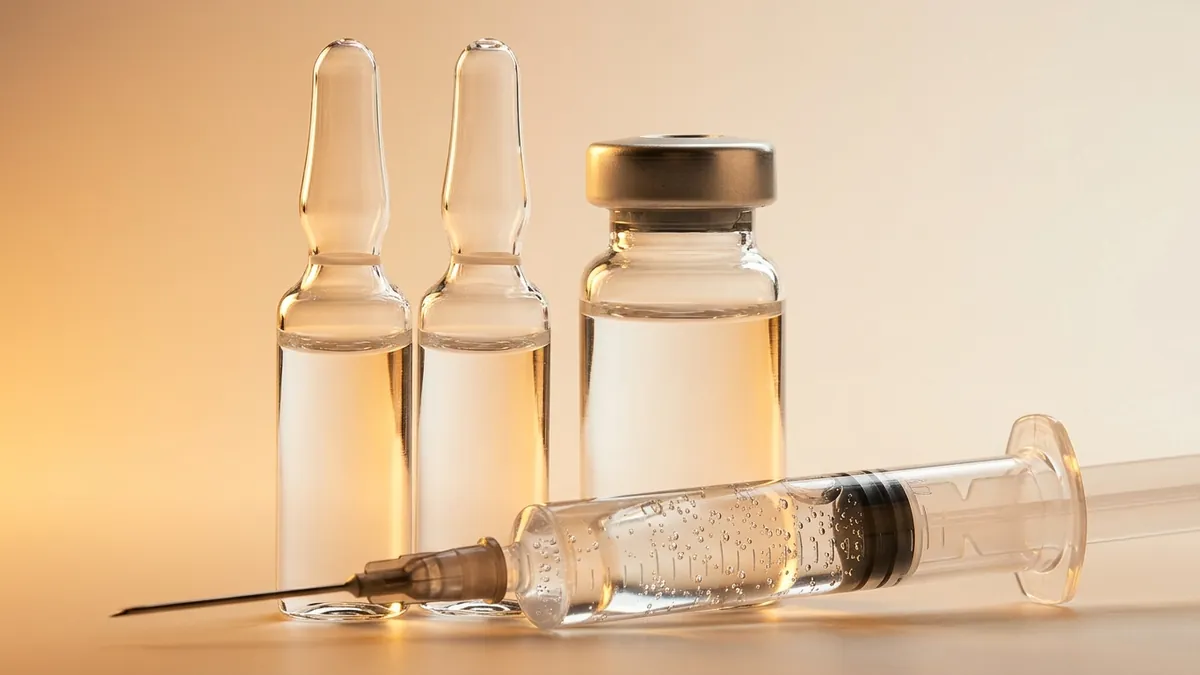
Searching online for the right glutathione subcutaneous injection dosage per day can quickly feel overwhelming, especially when telehealth clinics, longevity podcasts, and wellness forums all quote completely different numbers. Be honest, you have probably seen ads promising glowing skin, sharper energy, and liver detox from tiny home injections, haven't you? Before anyone considers putting a needle under their skin, we doctors want you to understand what injectable glutathione actually does in the human body, what clinically supervised dosing looks like, and where real safety risks hide.
Glutathione—often called the body's "master antioxidant"—is a natural protective compound produced inside your liver and nearly every cell you own. When people use an under-the-skin injection (subcutaneous administration), the goal is to bypass stomach digestion and deliver reduced L-glutathione directly into the fatty tissue layer for steady bloodstream absorption. Makes sense on paper, right?
Yet unlike routine prescription drugs such as insulin, subcutaneous glutathione is prescribed off-label through licensed compounding pharmacies across the United States, United Kingdom, Canada, and Australia. That means dosing is never one-size-fits-all. Let us walk through the exact clinical dosing ranges, syringe unit conversions, normal blood levels, underlying causes of depletion, and essential safety precautions you need to discuss with your doctor.
📌 Key Takeaways at a Glance
- Typical Supervised Dosing: Most physician-guided subcutaneous protocols prescribe 100 mg to 200 mg injected 3 to 5 times per week, or smaller micro-doses of 50 mg to 100 mg per day when split daily.
- Syringe Math Matters: Using a standard compounded strength of 200 mg/mL, a 100 mg dose equals 0.5 mL (50 units on a U-100 insulin syringe), while 200 mg equals 1.0 mL (100 units).
- Regulatory Status: Injectable glutathione is not universally approved for general wellness or skin lightening by the FDA (US), MHRA (UK), Health Canada, or TGA (Australia); only sterile, prescription-grade vials from accredited pharmacies should ever be used.
- Asthma & Sulfite Caution: Injected glutathione contains sulfur groups that can trigger sudden airway tightening (bronchospasm) in people with asthma or sulfite sensitivity.
- Root-Cause Testing First: Persistent fatigue or sluggish liver health deserves a proper checkup at your Primary Care Physician (PCP) or family GP clinic before starting any self-injection regimen.
What Is the Safe Glutathione Subcutaneous Injection Dosage Per Day?
There is no universal FDA-approved glutathione subcutaneous injection dosage per day, as injectable glutathione is an off-label compounded medication; however, physician-supervised protocols typically prescribe 100 mg to 200 mg (0.5 mL to 1.0 mL of a 200 mg/mL solution) injected subcutaneously 3 to 5 times weekly, or 50 mg to 100 mg daily.
Have you ever wondered why most doctors prefer a 3-to-5-days-per-week schedule rather than high-volume injections every single day? Think about how the fatty layer just beneath your skin works. Subcutaneous tissue comfortably holds up to about 1.0 mL (and at absolute most 1.5 mL) of fluid in a single spot. Because compounded L-glutathione is slightly acidic and concentrated—usually 200 mg/mL—injecting large volumes every day in the same area easily causes stinging, redness, or firm little bumps under the skin (sterile injection-site nodules).
When clinicians do recommend a true daily micro-dosing schedule, they usually start low—around 50 mg (0.25 mL or 25 units) to 100 mg (0.5 mL or 50 units) once per day—for short, supervised cycles of 4 to 12 weeks, followed by a planned break or maintenance phase. Higher single doses, such as 400 mg to 600 mg, are generally reserved for muscle injection (intramuscular or IM administration) or clinical vein infusion (intravenous or IV therapy) in a medical clinic rather than home subcutaneous shots. Pretty important distinction, right?
How Does Subcutaneous Glutathione Work in Your Body? (Clinical Meaning & Mechanism)
Look closely at what happens inside your cells every minute of the day. Simply breathing oxygen, exercising, fighting off winter viruses, or walking outside in strong summer UV sunlight creates unstable molecules that trigger harmful cell damage from free radicals (oxidative stress). Glutathione is a small three-amino-acid molecule (tripeptide) built from glutamine, cysteine, and glycine. It acts like a cellular sponge, neutralizing free radicals, recycling vitamin C and vitamin E, and helping liver enzymes bind metabolic waste and medication byproducts so you can excrete them safely.
So why do patients ask about injections instead of swallowing a regular capsule? Standard unbuffered oral glutathione tablets get heavily broken down by digestive enzymes (specifically gamma-glutamyltransferase) in your small intestine before reaching your bloodstream intact. We rarely stop to think about how tough our gut enzymes are on delicate proteins, do we?
When you inject sterile reduced L-glutathione (GSH) into the subcutaneous fat layer, it absorbs steadily through tiny capillaries and lymphatic vessels straight into circulation. Compared with an IV drip—which creates a rapid, massive blood spike that your kidneys clear within hours—subcutaneous dosing offers a gentler, slower peak that is far easier to administer once properly trained by a nurse or prescribing clinician.
What Causes Low Glutathione Levels & Normal Blood Ranges Explained
Before spending money on compounded vials, what do you think is the smartest question to ask? For us doctors, it is always: Why might your natural glutathione stores be running low in the first place? Healthy young adults make plenty of endogenous glutathione on their own, but cellular stores steadily decline due to specific medical and lifestyle triggers:
- Natural Aging: Cellular glutathione synthesis drops measurably after age 45, increasing vulnerability to oxidative stress.
- Liver Strain & Medications: Regular heavy alcohol intake, metabolic fatty liver disease (steatotic liver disease), or frequent high doses of acetaminophen/paracetamol rapidly burn through liver glutathione reserves.
- Chronic Inflammation & Illness: Poorly controlled type 2 diabetes, autoimmune conditions, chronic infections, and neurodegenerative disorders such as Parkinson's disease increase glutathione turnover.
- Everyday Lifestyle Stressors: Smoking, vaping, chronic sleep deprivation, ultra-processed diets low in sulfur-rich vegetables or protein, and heavy environmental pollution all drain antioxidant capacity.
Can your doctor test your levels? Routine panels at your family GP clinic rarely measure glutathione directly unless ordered through specialized reference laboratories. When whole-blood or red blood cell (erythrocyte) reduced glutathione is measured, typical adult reference ranges generally fall around 800 to 1,500 µmol/L in whole blood (or roughly 2.0 to 3.8 mmol/L in packed red blood cells, depending on the lab's exact assay), alongside a healthy reduced-to-oxidized ratio (GSH:GSSG) greater than 10:1. Even more practically, your PCP can order standard liver function tests—especially GGT (gamma-glutamyl transferase), ALT, and AST—since creeping GGT levels often signal increased glutathione demand in the liver.
Stepwise Dosing Protocols, Concentration Math & Injection Preparation
Remember how we talked about syringe math earlier? Mixing up milligrams (mg), milliliters (mL), and insulin syringe "units" is the single most common medication error we doctors see with home injectables. Most accredited compounding pharmacies dispense reduced L-glutathione at 200 mg/mL (though some prepare 100 mg/mL vials—always read your pharmacy label twice!).
For a standard 200 mg/mL prescription vial drawn with a standard U-100 insulin syringe (100 units = 1.0 mL, typically 29G to 31G, 5/16-inch or 8 mm needle):
- 50 mg daily starter dose: Draw 0.25 mL (the 25-unit mark).
- 100 mg standard daily or 5x/week dose: Draw 0.50 mL (the 50-unit mark).
- 200 mg 3x/week dose: Draw 1.00 mL (the full 100-unit mark; some clinicians ask patients to split 1.0 mL into two 0.5 mL injections to prevent local stinging).
Strict handling rules keep injections safe. Compounded liquid glutathione oxidizes quickly if left warm or exposed to light, so store multi-dose vials in your refrigerator at 2°C to 8°C (36°F to 46°F)—never in the freezer—and discard unused liquid past the beyond-use date (commonly 28 days after first puncture). Let the drawn syringe sit at room temperature for 5 minutes before injecting so cold liquid does not sting. Swab the rubber vial stopper and your skin with a fresh 70% isopropyl alcohol pad, pinch a fold of fatty tissue on your lower abdomen (at least 2 inches / 5 cm away from your belly button), outer thigh, or back of the upper arm, insert at a 45-to-90-degree angle, and dispose of the needle immediately in a hard plastic sharps bin. Never use subcutaneous glutathione if you are pregnant, breastfeeding, have brittle asthma, or have severe kidney impairment without specialist clearance.
Comparing Subcutaneous Dosing Schedules, Delivery Routes & Clinical Actions
To help you discuss realistic options with your healthcare provider, compare how different dosing regimens, delivery methods, and clinical findings stack up in everyday practice:
| Option, Route or Clinical Finding | Clinical Explanation & Action Step |
|---|---|
| Daily Micro-Dose SubQ (50–100 mg/day) | Uses small volumes (0.25–0.5 mL of 200 mg/mL) for gentle, steady cellular absorption with minimal injection-site lump formation. What you should do: Rotate abdominal and thigh sites clockwise every day and confirm cycle length (usually 4–12 weeks) with your prescribing doctor. |
| Intermittent SubQ (100–200 mg, 3x/week) | The most widely prescribed maintenance schedule; reduces weekly needle pricks while giving subcutaneous tissue 48 hours to recover. What you should do: If a full 1.0 mL (200 mg) stings under the skin, ask your clinician whether splitting into two 0.5 mL sites improves comfort. |
| Intramuscular (IM) vs. Intravenous (IV) | IM allows larger single doses (200–600 mg into gluteal or deltoid muscle), while clinic IV infusions deliver high medical doses (600–1,200+ mg) straight into a vein. What you should do: Reserve high-dose IM or IV therapy strictly for in-clinic administration where trained staff monitor your vital signs. |
| Oral Precursors (NAC & Liposomal GSH) | Oral N-acetylcysteine (NAC, 600–1,200 mg/day) supplies cysteine so your liver builds its own glutathione naturally without needles or compounding costs. What you should do: Ask your PCP or family GP if oral NAC plus dietary changes can meet your health goals before starting injections. |
| Cloudy Vial, Unlabeled Powder, or Burning Pain | Unregulated "research-only" vials sold online have caused bacterial endotoxin fever reactions due to non-sterile impurities. What you should do: Stop immediately, never inject cloudy or unprescribed vials, and contact your GP or local Urgent Care center if redness spreads. |
Real-World Daily Care, Supporting Glutathione Naturally & Preventing Side Effects
See? Once you break down the numbers and routes, safe care becomes much clearer. Even if your doctor prescribes a short course of subcutaneous glutathione, injections work best when you stop draining your body's natural antioxidant tank at home. What does that look like in a typical household across the US, UK, Canada, or Australia?
Start in your kitchen. Your liver needs sulfur-containing amino acids and selenium to manufacture and recycle glutathione every day. Adding familiar grocery staples—steamed broccoli, roasted Brussels sprouts, cauliflower, fresh garlic, onions, spinach, avocado, pasture-raised eggs, Brazil nuts, grilled salmon, or unsweetened Greek yogurt and whey protein—gives your cells the exact raw building blocks they crave. Pair that with 6 to 8 glasses of plain water daily, 7 to 8 hours of consistent sleep, and brisk 30-minute walks, which naturally upregulate your body's own antioxidant enzymes.
To prevent everyday side effects like mild bruising, sulfur body odor, transient bloating, or trace-mineral shifts, keep a simple symptom log. Long-term high-dose injectable glutathione has occasionally been linked to lower zinc levels, so ask your PCP or family GP clinic whether periodic blood work—including liver enzymes, kidney function, and zinc if used long term—makes sense for you.
✔️ What You Should Do & ❌ What to Avoid
- ✔️ DO obtain a valid prescription and fill injectable glutathione only through a state- or nationally regulated sterile compounding pharmacy (such as FDA 503A/503B facilities in the US or licensed pharmacies in the UK, Canada, and Australia).
- ✔️ DO verify concentration every single refill before drawing into your insulin syringe, since switching from a 100 mg/mL vial to a 200 mg/mL vial doubles your dose per unit.
- ✔️ DO rotate injection sites systematically across your lower abdomen and outer thighs, staying at least 2 inches away from scars, moles, or your navel.
- ❌ DON'T buy "research-grade" or cosmetic vials online—regulatory agencies like the FDA and TGA warn that unapproved injectable glutathione frequently contains dangerous bacterial endotoxins or wrong concentrations.
- ❌ DON'T reuse insulin syringes or skip alcohol swabs, even on yourself; skin bacteria introduced into fatty tissue can quickly cause a painful abscess (cellulitis).
- ❌ DON'T chase aggressive daily mega-doses for skin lightening, which carries documented risks of thyroid dysfunction, kidney strain, and severe allergic skin reactions without proven subcutaneous safety.
🚨 When to Seek Immediate Emergency Care (Red-Flag Symptoms)
If you or someone near you develops any of these red-flag symptoms, do not wait — call 911 (US & Canada), 999 or 111 (UK), or 000 (Australia) immediately or go straight to the nearest hospital Emergency Room (ER / A&E):
- Signs of a severe allergic reaction (anaphylaxis): Sudden hives, generalised itching, swelling of the lips, tongue, face, or throat, or trouble swallowing shortly after an injection.
- Sudden wheezing, chest tightness, or shortness of breath: Acute airway narrowing (bronchospasm), which is a known risk of injectable glutathione, particularly in anyone with asthma or sulfite sensitivity.
- Endotoxin or bloodstream infection reaction ("shakes and chills"): Sudden high fever, violent shivering, racing heartbeat, dizziness, confusion, or feeling faint within minutes to hours of injecting a vial.
- Rapidly spreading skin infection: An injection site that becomes intensely hot, swollen, red, streaking outward, pus-filled, or accompanied by fever.
- Severe blistering rash or yellowing eyes: Painful peeling skin, mouth sores, dark tea-colored urine, or yellowing of the whites of your eyes (jaundice).
💡 Key Take-Home Message
- A typical clinician-guided glutathione subcutaneous injection dosage per day is 50 mg to 100 mg daily, or 100 mg to 200 mg given 3 to 5 times per week (0.5 mL to 1.0 mL of a 200 mg/mL sterile solution).
- Always verify vial strength, keep vials refrigerated at 2°C–8°C (36°F–46°F), use sterile single-use insulin syringes, and rotate fatty tissue sites to avoid painful skin nodules.
- Never self-source unregulated online vials—discuss oral NAC, nutrition, and root-cause liver and metabolic blood tests with your Primary Care Physician or family GP first.





No comments yet. Be the first to share your question or experience below.