
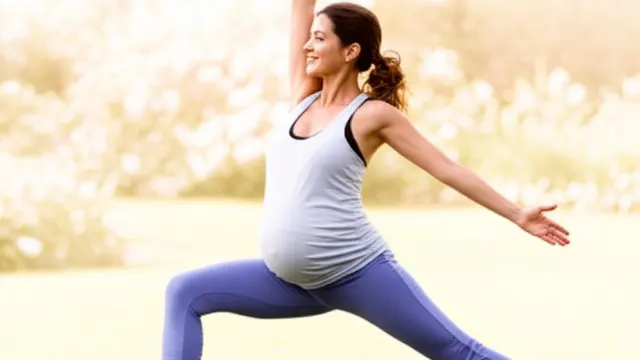
Finding out you are expecting a baby brings so much joy and excitement. Along with prenatal vitamins, good sleep, and healthy food, there is another key part of your journey. That key part is a safe exercise plan made just for your healthy body.
You might wonder if you really need to work out right now. The answer is a clear and absolute yes. Let us explore in detail why staying active benefits both you and your growing baby.
Key Takeaways for Moms-To-Be
- Always talk to your doctor before starting any new workout routine during pregnancy.
- Regular, gentle movement boosts your daily energy and keeps your heart strong.
- Staying active helps control weight gain and lowers your risk of pregnancy diabetes.
- Walking, swimming, and stationary cycling are fantastic, low-impact choices for most expecting mothers.
- Stop exercising right away and call your doctor if you feel dizzy, short of breath, or experience pain.
Calculate the due date based on the last menstrual period
Why Is Exercise So Important During Pregnancy?
Working out while you are pregnant gives you many wonderful health benefits. It is not just about staying fit or looking good. It is about preparing your body for the amazing work ahead.
Simply put, exercise helps you feel more awake, vibrant, and full of life every day. Instead of feeling tired and sluggish all afternoon, regular movement gives you a natural energy boost. It also keeps your heart and blood vessels strong, just like it does when you are not pregnant.
Another major benefit is weight management. Staying active prevents unhealthy and rapid weight gain during your trimesters. This protects you from serious health problems like gestational diabetes, which is high blood sugar that starts during pregnancy.
Exercise also helps lower your chances of developing preeclampsia. Preeclampsia is a dangerous medical condition marked by high blood pressure and signs of organ damage. Keeping your blood pressure steady through light activity is a powerful protective tool.
Here is some more wonderful news: the hard work you put in now pays off in the delivery room. Doctors and midwives note that mothers with good physical fitness often find it easier to push during labor. Your muscles know how to work together, helping your baby arrive smoothly.
Things to Know Before You Start Exercising
Pregnancy exercise is not safe for every single person in the exact same way. Certain medical conditions mean you need to be extra careful or avoid intense workouts entirely.
For example, if your doctor says you have a high risk for preterm labor, you must take special precautions. Preterm labor means your body might start trying to deliver the baby too early. Severe anemia, heart problems, or poorly controlled diabetes also require medical guidance before moving your body.
Every health concern does not automatically ban you from moving. However, some conditions mean you need careful medical supervision from your obstetrician or midwife.
Before you start any exercise program, you must ask your doctor for approval. This is the single most important rule for a safe pregnancy.
Once your doctor gives you the green light, wonderful options open up. You can enjoy walking, swimming, light stretching, and gentle strength exercises. Always listen to your body and never push yourself past a comfortable level of tiredness.
If You Haven't Exercised Before
Maybe you were not very active before you became pregnant. Do not worry at all, because you can still start a safe routine now. Pregnancy is simply not the right time to train for a marathon or start intense weightlifting.
The best way to ease into fitness is through daily walking. Aim for a comfortable, slightly brisk pace for about 30 minutes each day. If 30 minutes feels like too much at first, break it into smaller ten-minute walks after meals.
If You Already Exercise
Perhaps you worked out regularly before your positive pregnancy test. That is fantastic news, and you can usually keep doing what you love. However, your body is changing rapidly, so you must make smart adjustments.
Talk with your doctor about your current workout routine. They can help you modify your favorite activities to keep both you and your baby completely safe as your belly grows.
How to Exercise Safely
Raising your heart rate a little bit through exercise is great for your health. But how do you know if you are pushing too hard? The best and easiest tool is called the "talk test."
During your workout, you should be able to carry on a normal conversation without gasping for breath. If you are too breathless to speak full sentences, you are working too hard and need to slow down.
Look for fitness classes designed specifically for pregnant women. Water aerobics classes are especially wonderful because the water supports your heavy belly and keeps you cool. Riding a stationary bicycle indoors is also a safe, low-impact choice.
Always remember not to overexert yourself. Take a short rest break every 20 minutes to drink cool water and catch your breath. Staying hydrated prevents overheating, which is very important for your baby.
Most expecting mothers enjoy workouts without any trouble at all. Even so, you must know when to stop exercising and call your medical provider right away.
When to Stop Exercising and Call Your Doctor
If you notice any of these warning signs during or after physical activity, stop right away and contact your doctor or visit the nearest emergency room (ER or A&E):
- Shortness of breath before starting: Feeling breathless before you even begin moving.
- Dizziness or feeling faint: Having lightheadedness or feeling like you might pass out.
- Severe headache: A sudden, pounding headache that does not go away.
- Chest pain: Any tightness, pressure, or sharp pain in your chest area.
- Mouscle weakness: Feeling sudden, extreme weakness in your arms or legs.
- Signs of early labor: Stomach cramps, regular belly tightening, or lower back pelvic pain.
- Vaginal bleeding: Any spotting or bleeding from your vagina.
- Decreased baby movement: Feeling your baby kick or move much less than usual.
- Fluid leaking: Watery fluid dripping or gushing from your vagina.
Never hesitate to reach out to your doctor if something feels wrong. If you ever experience heavy bleeding, severe pain, or suspect your water broke, go straight to the nearest emergency department or call 911 (US/Canada) or 999 (UK).
| Warning Sign During Workout | What It Means for You and Baby |
|---|---|
| Dizziness and Lightheadedness | Your blood pressure may have dropped, or you need hydration and rest. |
| Chest Pain or Fast Heartbeat | Your heart is working too hard; stop exercising right away to recover. |
| Vaginal Bleeding or Fluid Leakage | Requires instant medical evaluation at the hospital or labor and delivery unit. |
| Sudden Swelling or Muscle Pain | Joint strain or blood pressure issues that need doctor assessment. |
Adapting to Your Changing Body During Pregnancy
Your body produces a special hormone called relaxin while you carry a baby. The name tells you exactly what this hormone does. Relaxin relaxes the ligaments and joints in your pelvic area, preparing your body to deliver your baby.
This natural process is wonderful for childbirth, but it has a side effect. The stability of all your joints decreases greatly during pregnancy. This means you are more likely to twist an ankle, lose your balance, or suffer a joint injury.
Because of this joint looseness, you must avoid certain movements. Skip exercises that involve sudden jumping, high-intensity bouncing, or fast changes in direction. Protecting your stretchy ligaments prevents painful injuries.
Sports and Activities to Put Aside Until Baby Arrives
Certain sports and physical activities are completely unsafe while you are pregnant. You should avoid them until after your baby is safely born.
For example, you must avoid downhill skiing on snowy mountains, scuba diving deep underwater, and contact sports like soccer or basketball. These activities carry a very high risk of severe trauma.
The main hazards to avoid during pregnancy include hard falls, blows to your stomach, low oxygen levels at extreme high altitudes, and high pressure underwater.
Ask yourself honestly: Is this activity worth risking an injury to my body and my baby?
Save high-intensity extreme sports for later in life. Once your baby arrives and you recover, you can return to your favorite sports. One day in the future, you can even share your active lifestyle with your growing child.
💡 Take-Home Message
Staying active during your pregnancy brings wonderful health benefits for both you and your little one. Keep these key points in mind:
- Always get your personal doctor's permission before starting any exercise routine.
- Listen closely to your body and never push yourself past comfortable limits.
- Choose safe, low-impact activities like walking, swimming, and stationary cycling.
- Stay away from contact sports and activities with a high risk of falling.
- Stop working out right away and call your doctor if you experience warning signs like pain, bleeding, or dizziness.
Sources & References
1. American College of Obstetricians and Gynecologists (ACOG). Physical Activity and Exercise During Pregnancy and the Postpartum Period. Committee Opinion No. 650. 2. Mayo Clinic. Pregnancy and Exercise: Baby Makes 3 (or More). Available from: Mayo Clinic Patient Care Guidelines. 3. National Health Service (NHS UK). Exercise in Pregnancy. Guidance for Expecting Mothers. 4. Centers for Disease Control and Prevention (CDC). Physical Activity Basics for Pregnant Women. 5. Cleveland Clinic. Health Essentials: Pregnancy and Working Out Safely.






No comments yet. Be the first to share your question or experience below.