
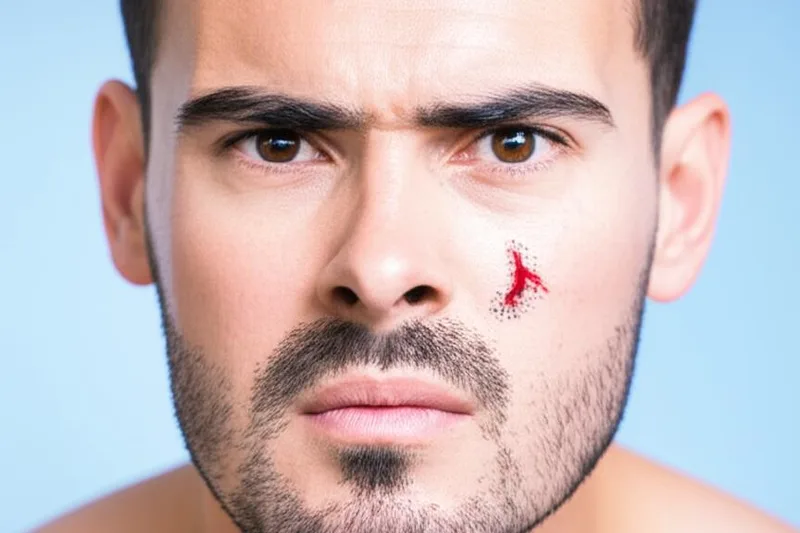
No matter how much you shave, you can still get a cut, even if you make a small mistake or if the razor drags. Sometimes you can't even imagine how you got cut. These cuts aren't big, but they can be very annoying, especially if they're in a visible place, like your face. So today, let's talk about how to avoid this problem and shave smoothly without damaging your skin.
How do you shave properly without getting cut?
We have hair almost everywhere on our bodies, except for a few places like the palms and soles of our feet. So when shaving hair anywhere, there are some steps to follow to do it safely without getting cut. These steps are common to both men and women. Let's see what they are.
| Steps | Description and importance |
|---|---|
| 1. Moisturize skin and hair | First, wet the area you're going to shave with water. This will soften both your skin and your hair. Many people like to shave while they're in the shower or after they've finished. This is because the skin is warm, moisturized, and free of dead skin and oil, so the razor won't get stuck. |
| 2. Use a lubricant | Apply shaving cream, gel, or something that makes your skin slippery. If your skin is very sensitive or dry, using a cream made specifically for that skin type will provide additional protection. Many people shave with soap, but this only makes the skin even drier and more flaky. Using shaving cream, or at least a little hair conditioner or body oil, will help to keep your skin soft and smooth afterward. |
| 3. Look at the side where the hair grows. | Pay close attention to which direction your hair grows. Shaving in the opposite direction of the hair growth (for example, if you have hair growing under your legs, shaving up to the knee) can give you a much closer shave. However, shaving in the same direction as the hair growth can help prevent ingrown hairs and irritation and redness. This method is best if you have sensitive skin. |
| 4. Wash your razor regularly | After shaving once with a razor, rinse it thoroughly with water to remove any remaining hair and cream. Otherwise, the razor will get stuck, resulting in a poor shave and cuts. |
| 5. Wash your skin after shaving. | After shaving, rinse the area with cold water . This will close the pores of the skin and remove any remaining shaving cream, hair, and dead skin. |
| 6. Keep the razor dry. | After using the razor, wash it thoroughly and store it in a dry place, away from moisture. If you store it in a humid place like the bathroom, the blade will rust quickly and harbor germs. |
| 7. Change the razor/blade frequently | If your razor is still clogged with hair and dirt after rinsing it with water, it's time to switch to a new razor or a new blade. Shaving with a dull blade can cause skin irritation, poor cutting, and increased risk of injury. |
Remember, the most important thing you can do to prevent cuts and dry skin is to moisturize your skin well and use a lubricant. Never shave dry skin! It can damage your skin and increase the risk of cuts.
What should you pay attention to when shaving acne-prone skin?
Acne is a common problem on the face. There are different types of acne, including whiteheads, blackheads , and cystic acne. So no matter what type of acne you have, shaving it off can be a challenge. Shaving acne-prone skin requires extra care and the right tools.
In addition to the general steps mentioned above, be aware of these things:
- Cleanse your skin before applying lubricant: Wash your face with an anti-acne cleanser. This will help you shave with a clean surface without irritating your skin.
- Use an electric razor or a safety razor: A safety razor is any razor that has a protective cover between the blade and your skin. Disposable razors available today are a good example of this. The blade must be sharp. A dull blade can pull the skin and cause acne.
- Shave with the grain: This is very important for someone with acne. Shaving with the grain prevents ingrown hairs and skin irritation. This also prevents acne from getting worse.
- Shave very slowly and gently: Don't shave with too much force. If you push too hard, the razor will hit the pimple, causing cuts and injuries, which can make the pimple worse.
What kind of razor should you choose?
There are countless types of razors on the market. But which ones are least likely to cause cuts? Your best options are an electric razor and a regular multi-blade razor.
Shaving with an electric razor is easy and there is less chance of cuts. However, it is a bit difficult to get a very close and precise shave like other razors.
A regular razor with a new, sharp blade is a great option for a close shave and to prevent cuts. In particular, a razor with a pivoting head can easily shave hard-to-shave areas like the chin and knees.
Take-Home Message
- Never shave dry skin. Always moisturize your skin and use a lubricant such as shaving cream .
- If you have sensitive skin or acne, shave in the direction of hair growth. This will prevent skin irritation and ingrown hairs.
- Always use a sharp, clean blade. A dull blade is more likely to damage the skin and cause cuts.
- When shaving acne -prone skin, shave very gently and without pressing the razor.
- Wash your razor thoroughly after use and store it in a dry place. This will help maintain the sharpness of the blade and prevent the growth of germs.
- If your acne is severe or you frequently experience skin problems due to shaving, it is best to consult a doctor for advice.


💬 Comments (0)
No comments yet. Be the first to share your thoughts here.
Add Your Comment