
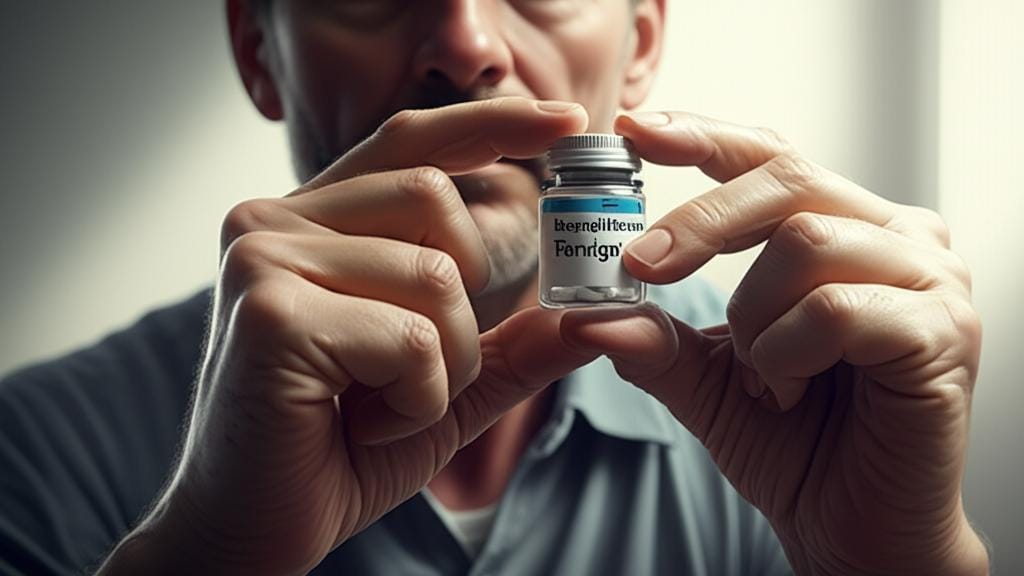
Have you recently sat down with your family doctor or primary care physician (PCP) and received a prescription for a medication called dapagliflozin, commonly known by its brand name, Farxiga? You might be wondering why this particular medicine was chosen for you, especially if you are managing type 2 diabetes, heart failure, or chronic kidney disease. Maybe you are curious about how it affects your daily routine, or perhaps you have heard whispers about side effects like unusual bathroom trips, sleep disturbances, or vision changes, and you want straight answers. Pretty surprising how one little pill can help protect multiple organs at once, right?
Let's take a deep breath and walk through this together. We know that starting a new prescription can feel a little overwhelming with all the medical terms floating around. But once we break it down into everyday language, you will see exactly what is happening inside your body and how we can work together to keep you feeling your absolute best. What do you think—ready to dive in and learn how Farxiga works for you?
📌 Key Takeaways
- Multi-Organ Protection: Dapagliflozin (Farxiga) helps manage type 2 diabetes while offering remarkable protective benefits for both your heart and kidneys.
- How It Works: It belongs to a class of medications called SGLT2 inhibitors, which tell your kidneys to remove excess glucose (sugar) through your urine.
- Hydration is Key: Because it causes your body to pass more urine (acting somewhat like a gentle diuretic), staying well-hydrated throughout the day is essential.
- Watch for Side Effects: Common issues include mild dizziness or increased risk of genital and urinary tract infections due to extra sugar in the urine.
- Open Communication: Always keep your doctor informed about any planned surgeries, illnesses, changes in diet, or other medications you take.
BMI Calculator
Know your body mass index (BMI) and weight classification
How does Dapagliflozin work inside the body?
This is actually fascinating to explore, so let's break it down simply. Think of your kidneys as a brilliant, highly sophisticated natural filtration system for your blood. Every single day, they filter waste and balance fluids, and under normal circumstances, they carefully reabsorb almost all the sugar (glucose) back into your bloodstream to give you energy. Makes sense, right? We want to hold onto our fuel.
However, when you live with type 2 diabetes, your blood sugar levels tend to run higher than ideal. This is where dapagliflozin steps in. Farxiga targets and blocks a specific protein in your kidneys known as SGLT2 (sodium-glucose cotransporter 2). By blocking this protein, the kidneys stop reabsorbing all that excess sugar. Instead, that extra glucose is gently escorted out of your body through your urine. Pretty clever, isn't it?
Now, why does this matter so much beyond just your blood sugar? Well, just like we discussed a moment ago, high blood sugar puts tremendous pressure on your kidneys over time, leading to inflammation and gradual wear and tear. By helping your kidneys clear out excess sugar, dapagliflozin actively lowers that internal pressure. And because your kidneys and heart work hand in hand, reducing that kidney strain also takes a massive workload off your heart. That is why we frequently prescribe Farxiga not just for blood sugar control, but to protect the heart and kidneys in chronic conditions. See? That's why we consider it such a versatile tool in modern medicine.
What should you expect when using this medicine?
When you take your first dose of dapagliflozin, you might not feel an instant physical shift in your body. But don't let that fool you—behind the scenes, your blood sugar levels typically begin responding within just a couple of hours. As you settle into your routine, here are a few specific things you can expect to notice:
- More Frequent Trips to the Bathroom: Because the medication works by flushing extra sugar out through your urine, you will likely notice that you are urinating more often and in larger volumes than usual. Sounds familiar, right? This is completely normal and shows the medication is doing its job.
- The Importance of Hydration: That increased urination means your body loses a bit more fluid. To prevent dehydration, you need to keep a water bottle handy and sip throughout the day. Generally, aiming for around 6 to 8 glasses of water daily is a wonderful baseline, but check with your doctor to find the exact amount that suits your body.
- Mild Dizziness When Standing: Because of fluid changes, your blood pressure might dip slightly, especially when you first get out of bed or stand up quickly from a chair. To keep yourself steady, try taking your time when standing up—sit on the edge of the mattress for a few seconds before rising. If that lightheadedness sticks around, be sure to let us know.
- Potential Weight Changes: Because your body is actively excreting extra calories in the form of sugar, some people notice a modest amount of weight loss over time.
Keep in mind that this medication works best when paired with a wholesome, balanced diet rich in vegetables, lean proteins, and whole grains, along with regular physical activity tailored to your fitness level. You will also want to keep up with your regular home blood sugar monitoring and periodic A1c lab tests as recommended by your care team.
What are the side effects of Dapagliflozin?
Just like any prescription medication, dapagliflozin can cause side effects. We don't want you to feel worried or scared, but rather informed and prepared. Let's look at what you might experience and when you should pick up the phone to call your doctor or visit your local clinic.
Common side effects often include mild dehydration, increased thirst, and a higher tendency toward genital fungal infections (like thrush) or urinary tract infections (UTIs). Because your urine contains more sugar, it creates a welcoming environment for bacteria and yeast to multiply. If you ever feel a mild burning sensation when passing urine or notice unusual itching, don't wait—reach out to your family doctor right away so we can clear it up quickly with a simple treatment.
What about those specific search queries patients often wonder about, like forxiga vision problems or sleep problems with forxiga? While vision changes and sleep disturbances are not direct, common side effects of dapagliflozin itself, remember that significant or sudden shifts in blood sugar can sometimes temporarily affect how your eyes focus, or cause fatigue that impacts your sleep cycle. If you are experiencing persistent sleep issues or noticeable changes in your eyesight, let us evaluate you promptly to rule out other underlying causes.
✔️ Do's and ❌ Don'ts
- DO drink plenty of water throughout the day to stay properly hydrated while taking this medication.
- DO practice good personal hygiene to help prevent urinary tract and genital infections.
- DO take your medication exactly as prescribed by your doctor, usually once a day in the morning.
- DON'T stop taking Farxiga suddenly without talking to your care team first.
- DON'T ignore persistent dizziness, severe fatigue, or unusual abdominal pain.
- DON'T skip meals or drastically cut your fluid intake just to avoid bathroom trips.
Things to be careful about when taking this medicine
Your safety is always our top priority. Before you start taking dapagliflozin—and while you are actively using it—there are several important conversations you should have with your doctor and precautions you should keep in mind.
Things to tell the doctor:
- If you have any upcoming surgeries or medical procedures scheduled.
- If you have known allergies to dapagliflozin or any other medications.
- A complete list of all other prescription drugs, over-the-counter painkillers (like ibuprofen or acetaminophen / paracetamol), vitamins, and herbal supplements you take.
- Any personal history of kidney disease, pancreatitis, frequent urinary infections, or heart conditions.
- If you are pregnant, planning to become pregnant, or currently breastfeeding.
- If you consume alcohol regularly, as this can interact with your blood sugar levels.
If these things happen, tell your doctor:
Life happens, and circumstances change. Be sure to contact our clinic if:
- You experience severe vomiting or diarrhea that makes it hard to keep fluids down.
- You are eating significantly less due to illness or loss of appetite.
- You are sweating excessively from illness or intense heat.
Why do these situations matter so much? Because dehydration, low food intake, and heavy fluid loss can drastically affect your blood sugar balance and kidney function while on SGLT2 inhibitors. In these moments, your doctor may temporarily adjust your dosage or advise you to pause the medication until you recover fully.
Comparing Dapagliflozin (Farxiga) and Your Health Management
To help you see how different factors interact with your treatment plan, review the comparison table below:
| Situation or Symptom | Potential Underlying Cause | What You Should Do |
|---|---|---|
| Frequent urination and increased thirst | Normal mechanism of SGLT2 inhibitors clearing excess glucose | Increase your water intake steadily and maintain good hydration. |
| Mild dizziness upon standing up | Slight blood pressure dip from increased fluid loss | Stand up slowly; sit on the edge of the bed first. Report if it persists. |
| Burning sensation or itching in the genital area | Higher sugar content in urine encouraging yeast or bacterial growth | Contact your GP clinic promptly for evaluation and mild treatment. |
| Severe nausea, vomiting, or stomach pain | Risk of rare complications like diabetic ketoacidosis (DKA) | Stop the medication and seek medical evaluation immediately. |
🚨 When to Seek Emergency Care (Red Flags)
If you notice any of these warning signs, don't wait — call your local emergency number right away (911 in the US/Canada, 999 in the UK, 112 in Europe, or 000 in Australia) or go to the nearest hospital Emergency Department (ER / A&E):
- Sudden, severe shortness of breath or difficulty breathing.
- Swelling of your face, lips, tongue, or throat, which may indicate a severe allergic reaction.
- Extreme, overwhelming fatigue, confusion, or dizziness that does not resolve.
- Persistent nausea, vomiting, sweet-smelling breath, or severe abdominal pain (potential signs of diabetic ketoacidosis, which can uncommonly occur with this medication even with normal or moderate blood sugar levels).
💡 Take-Home Message
- Dapagliflozin (Farxiga) is a valuable medication that helps control blood sugar while protecting your heart and kidneys.
- It works by helping your body excrete excess sugar through urine, making daily hydration crucial.
- Always maintain excellent hygiene and report any early signs of urinary or genital discomfort to your doctor immediately.
- Provide your doctor with a complete medical history and a full list of your current medications before starting treatment.
- Never hesitate to seek urgent medical care if you experience severe symptoms like breathing difficulties or extreme fatigue.






No comments yet. Be the first to share your question or experience below.