
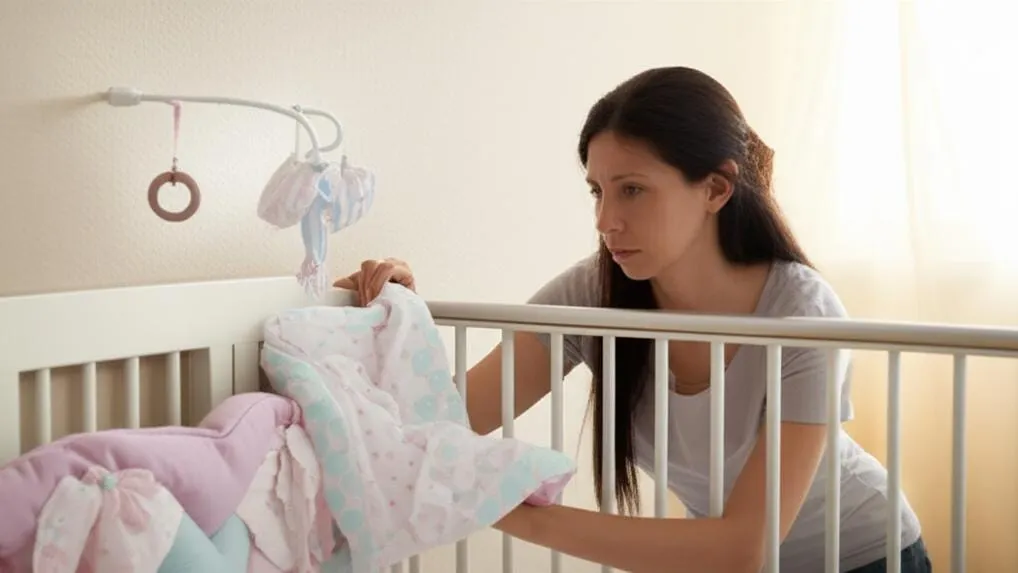
Getting ready for a new baby is an exciting time for you as a parent. Setting up the nursery with cute decorations, toys, and colorful walls brings so much joy. When you buy bedding sets, they often come with cute, padded cushions meant to tie along the crib rails. These are known as crib bumpers. But are these decorative items truly safe for your precious little one? Let us take a close look at the facts.
As parents, we want our babies to feel cozy and secure all night long. However, safety standards in infant care have changed a lot over the years. Medical experts now warn that many popular nursery items can actually pose hidden dangers. Understanding these risks helps you create the safest possible sleep environment for your baby.
Key Takeaways for Safe Sleep
- Crib bumpers pose a serious risk of suffocation and entrapment for infants.
- Always follow the ABC rule of safe sleep: Alone, on their Back, in a Crib.
- Keep the crib completely empty of pillows, blankets, toys, and bumpers.
- Use a firm mattress with a tightly fitted sheet as the only bedding item.
- Talk to your doctor if you have any questions or worries about baby sleep safety.
What Are Crib Bumpers and Why Are They Dangerous?
Simply put, makers design crib bumpers to stop a baby arms or legs from getting stuck between the crib bars. While this idea sounds helpful, newborn babies and infants face serious dangers from these pads. Major global child health organizations warn against using them in any sleep space.
The biggest risk is suffocation. Imagine your baby rolling over during the night and pressing their face directly against a soft bumper pad. A newborn baby lacks the neck strength and physical awareness to turn their head away and clear their airway. Because of this, bumpers, thick blankets, pillows, and stuffed animals can all block a baby breathing.
Your baby safety always comes first above all else. A simple, bare crib looks less decorated, but it keeps your baby completely safe. True peace of mind comes from knowing your baby sleeps in a secure environment every single night.
Your baby safety is your top priority. Always focus on how safe the sleep space is rather than how decorative it looks.
The Essential ABC Rule for Safe Infant Sleep
Trusted medical organizations, such as the American Academy of Pediatrics, create clear guidelines based on infant mortality research. They recommend a simple framework known as the ABC rule to make bedtime safe for every baby.
The letters stand for three straightforward concepts:
- A for Alone.
- B for Back.
- C for Crib.
A - Alone
This rule means your baby should sleep completely alone in their sleep space. No other person should share the sleep surface with an infant. Also, the crib must stay free of extra blankets, pillows, stuffed toys, and especially crib bumpers.
Keeping the crib completely bare reduces any chance of accidental smothering or overheating. A minimalist crib is a safe crib. When your baby has plenty of open space, air circulates freely around them all night long.
B - Back
Placing your baby to sleep on their back is the single safest sleeping position for newborns and young infants. Babies who sleep on their backs have a much lower risk of sudden infant death syndrome. If a baby airway gets blocked, back sleeping allows them to breathe much more easily.
Keep placing your baby on their back for every single sleep time, including naps, until they reach one year of age. Once babies learn to roll over both ways on their own, they often adjust their position, but you should always start them on their back.
C - Crib
Your baby should sleep in a safety-approved crib, a bedside bassinet, or a designated portable playpen that meets current safety standards. Avoid putting your baby to sleep on soft sofas, adult beds, or inclined lounging swings.
While sharing a bedroom with your baby for the first six months is recommended and very helpful for night feedings, the baby should sleep in their own separate bed. Room sharing helps you respond quickly to your baby while keeping them safe from adult bedding hazards.
Safe Sleep Do's and Don'ts
Creating a cozy and safe sleep space involves more than just following the ABC rule. Review the comparison table below to understand what to include and what to avoid in your baby nursery.
| Do's (Safe Practices) ✅ | Don'ts (Risky Practices) ❌ |
|---|---|
| Firm Mattress: Use a firm, flat mattress that fits snugly inside the crib frame with a tightly fitted bed sheet. | Soft Bedding: Avoid plush mattresses, loose blankets, heavy quilts, pillows, bumper pads, and large toys in the crib. |
| Comfortable Room Temperature: Keep the nursery at a moderate temperature and dress your baby in wearable blankets or sleep sacks. | Overheating: Do not overdress your baby or use heavy loose blankets that can slide over their face and cause overheating. |
| Offer a Pacifier: Give a clean pacifier during naptime and bedtime. This habit helps lower sudden infant death risks. | Force Pacifiers: Never force a pacifier if your baby rejects it, and never attach strings or clips to a pacifier around the neck. |
| Breastfeed When Possible: Provide breast milk if you are able, as it offers great nutrition and lowers health risks. | Expose to Smoke: Keep your baby away from cigarette smoke and homes where people smoke, as smoke greatly increases risks. |
If you have any questions or feel unsure about your baby sleep setup, reach out to your pediatrician or family doctor. Doctors are always happy to guide you toward safe choices for your family.
🚨 When to Seek Emergency Medical Help
Call 911 (US/Canada) or 999 (UK) right away, or take your baby to the nearest emergency room, if your baby stops breathing, turns blue around the lips or face, becomes limp and unresponsive, or shows severe difficulty breathing with chest retractions. Trust your parental instincts when your baby appears unwell.
💡 Take-Home Message
Crib bumpers, pillows, and loose blankets inside a baby crib present dangerous suffocation risks and should be avoided completely.
Remember the ABC safe sleep rule for every single sleep session: place your baby Alone, on their Back, in a Crib.
Use only a firm mattress covered by a tightly fitted sheet to ensure a safe resting space.
Choose safe wearable sleep sacks instead of loose blankets if you worry about your baby getting cold at night.
Keep your baby living environment entirely smoke-free and maintain open communication with your family doctor.
Sources & References:
- American Academy of Pediatrics (AAP) - Safe Sleep Guidelines and SIDS Prevention: AAP Official Website.
- Centers for Disease Control and Prevention (CDC) - Safe Sleep for Babies: CDC Website.
- National Health Service (NHS) - Reducing the Risk of Sudden Infant Death Syndrome: NHS Website.
- Mayo Clinic - Baby Sleep Safety: Do's and Don'ts for the Nursery: Mayo Clinic Website.
- National Institutes of Health (NIH) - Safe Sleep Environment Research: NIH Website.






No comments yet. Be the first to share your question or experience below.